Continuum’s beachfront position benefits from an engineered, publicly maintained shoreline, but buyers should examine nourishment cycles, funding continuity, temporary access disruption and association-level coastal obligations.
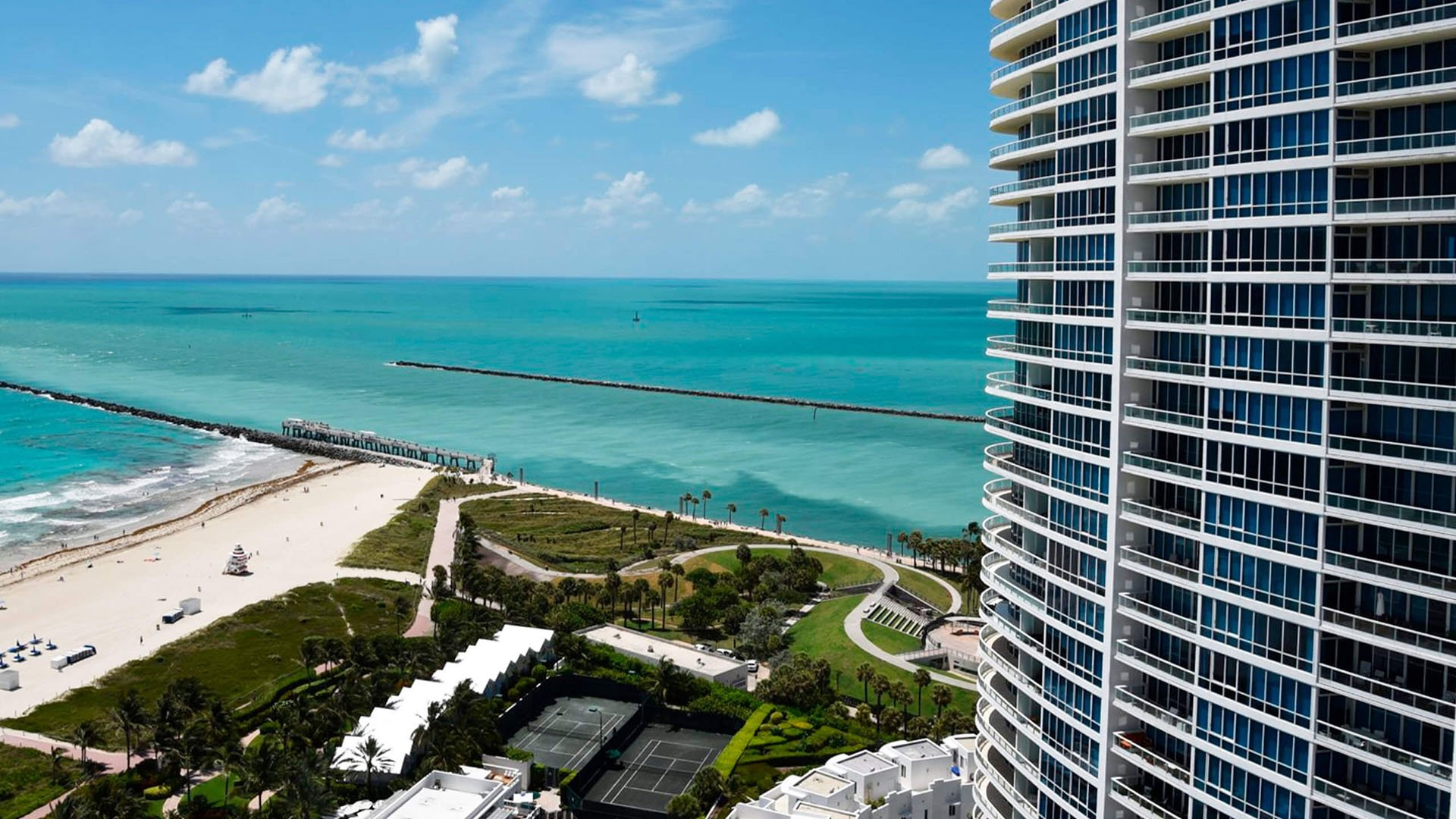
At Continuum on South Beach, the Atlantic frontage is more than a cinematic setting. The beach’s width, condition and accessibility shape daily enjoyment, visual appeal and the perceived defensibility of a rare oceanfront address. They also warrant disciplined consideration in any assessment of long-term value.
This is not an untouched shoreline. Miami Beach’s federally sponsored erosion-control and hurricane-protection project created approximately 10.5 miles of protective beach fill between Government Cut and Haulover Beach Park. Because that reach begins at Government Cut, the shoreline beside Continuum is part of a publicly managed, engineered system.
That distinction offers reassurance without inviting complacency. Public beach management can support both lifestyle value and physical resilience, but it relies on recurring intervention, government coordination and sustained funding.
The broader system combines erosion control and storm-surge protection through beach nourishment and related shoreline measures. Sand is not a permanent installation: waves, currents and storms continually redistribute it. Replenishment is therefore an expected maintenance function, not evidence that an earlier project failed.
Dunes provide another layer of protection. The segment from Government Cut to South Pointe Drive, identified as “South Beach A,” has undergone restoration. Work has included removing invasive vegetation, planting native dune species and installing fencing and signage to protect vegetation and manage access. The city-funded dune restoration and enhancement program was approximately $3 million.
For an owner, a maintained beach and healthy dune system constitute protective infrastructure while preserving the quality of beach access. Neither eliminates exposure to storm surge, flooding, wind damage, insurance volatility or sea-level rise.
Long-range coastal planning encompasses approximately 6.1 miles of periodic nourishment, with dune and berm features across parts of Miami Beach, Surfside and Bal Harbour. Its horizon evaluates benefits through 2075, subject to federal authorization and funding. Selected Miami Beach areas were modeled on roughly four-year nourishment cycles, while one planning reach assumed an initial fill followed by 27 nourishment events through 2075.
The implication is straightforward: resilience here is an ongoing service with a schedule and a cost. From an investment perspective, recurring maintenance can help preserve the amenity underpinning beachfront desirability. It can also bring periods of construction activity, equipment movement and altered access.
A recent project elsewhere on Miami Beach was phased into 500-foot work segments to limit disruption. Although the work occurred north of South of Fifth, it illustrates how future nourishment could temporarily affect beach use in pursuit of a longer-term protective objective.
Federal participation in the main project segment, including Miami Beach, was listed through 2025. A buyer evaluating Continuum in 2026 should therefore verify whether that participation has been extended, replaced or reauthorized-and on what terms.
Coastal protection can pair federal design and construction with state and local reimbursement or advance payments. Long-range budgets allocate shares among multiple levels of government. This layered structure creates more than one potential funding channel, but it also introduces authorization, appropriation and timing risk.
The scale of prior intervention is significant. A 2019 erosional-hotspot contract totaled $15,949,855, while a later federally managed project of $40.468 million addressed hotspots near 64th, 55th, 46th and 27th streets. Together, these projects demonstrate public maintenance capacity across the city. They do not guarantee a specific future intervention beside Continuum.
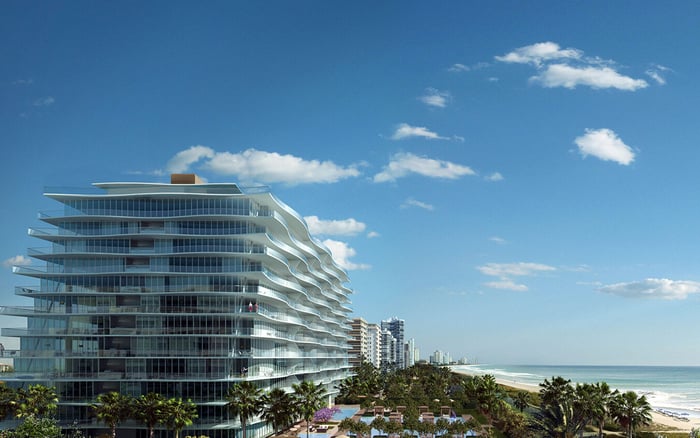
Waterfront buyers often compare buildings before examining shoreline-management regimes. That order should be reversed. Nearby Apogee South Beach may belong in a South of Fifth comparison set, while Five Park Miami Beach and Setai Residences Miami Beach can broaden the Miami Beach frame. Yet each property’s relationship to the coast, access points, association responsibilities and insurance profile demands separate review.
At Continuum, the publicly maintained beach can reinforce scarcity and enjoyment while helping buffer coastal forces. Resale value, however, will also reflect buyer confidence in future funding, nourishment timing, insurance conditions and the association’s preparedness. The shoreline is an asset, but not one controlled solely by the condominium.
The first task is to distinguish public responsibility from private responsibility. Public nourishment should not be conflated with association obligations for private seawalls, landscaping, access structures or storm repairs. Counsel and engineering advisers should review governing documents, site boundaries and maintenance allocations.
Request association records addressing flood and wind insurance, hurricane-loss assumptions, shoreline-related assessments, storm repairs, reserve treatment and correspondence with the city or county. Determine whether beach or dune access has created maintenance obligations and whether planned public work could affect resident use.
Buyers should also request the latest status of post-2025 federal participation and any scheduled work affecting the southern shoreline. The objective is not to predict every storm or appropriation. It is to determine whether the purchase price reflects a premium for a maintained public amenity while accounting for the operational and policy variables behind it.
Is the beach beside Continuum a natural, unmanaged shoreline? No. It is part of an engineered beach system extending from Government Cut toward Haulover Beach Park.
Does beach nourishment permanently stop erosion? No. Sand moves over time, so long-range planning anticipates recurring replenishment rather than a one-time solution.
How often could nourishment occur? Selected Miami Beach planning areas contemplate roughly four-year cycles, but timing varies by reach, conditions, authorization and funding.
Do the dunes matter to owners? Yes. Restored dunes can contribute to shoreline resilience while shaping access, views and the character of the beachfront.
Does a wider beach remove storm risk? No. Beach width and dunes can reduce exposure, but they do not eliminate risks from surge, flooding, wind or sea-level rise.
Why is the 2025 date important? Federal participation in the main segment was listed through 2025, so buyers should confirm the current post-2025 framework.
Who pays for shoreline work? Funding can involve federal, state and local shares, with arrangements varying by project, authorization and budget cycle.
Could nourishment interrupt beach use? Yes. Work may temporarily alter access or activity, although phased construction can help limit disruption.
Is the condominium responsible for public beach nourishment? Public nourishment is distinct from potential association duties involving private structures, landscaping, access features or storm repairs.
What records should a buyer request? Request insurance records, reserve information, storm-loss assumptions, coastal assessments, repair records and government correspondence relevant to the property.
When you're ready to tour or underwrite the options, connect with MILLION.
If branded residences are on your mind — as a home or as an allocation — we would be glad to share what we are seeing, privately.
Begin a quiet conversation