A buyer-oriented guide to Miami Beach pre-construction where customization matters most, from architect-ready residences to boutique buildings with flexibility and discretion.
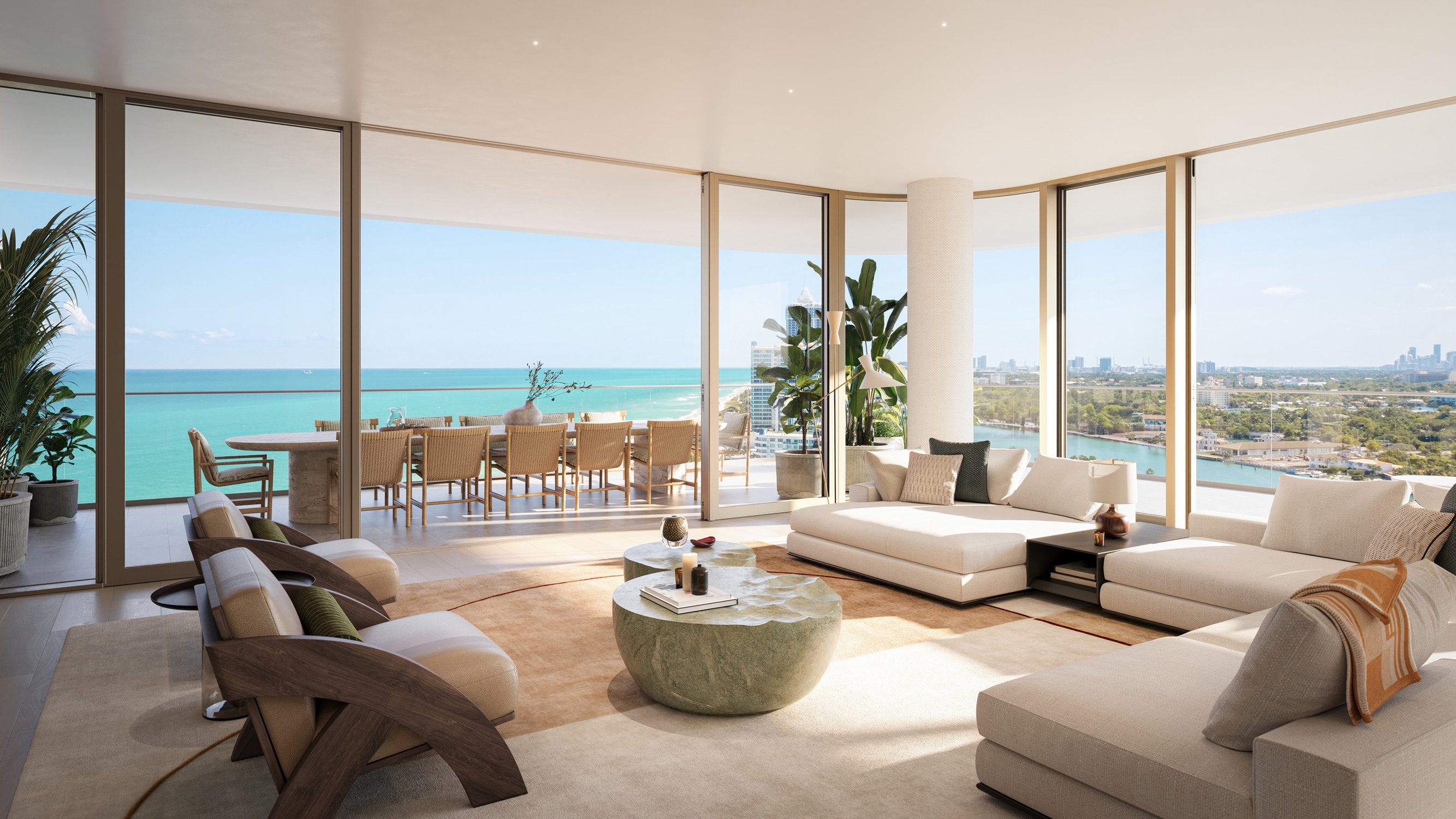
In Miami Beach, pre-construction has evolved beyond choosing a view and a finish package. The most consequential decision often comes earlier: selecting a building that can accommodate personalization without compromising engineering, approvals, or resale clarity. Custom floor plans are not simply about moving a wall. They shape how a residence lives, how it hosts, how it performs across seasons, and how it holds value as tastes change.
The discreet reality is that “custom” varies widely from tower to tower. In some buildings, it means a set of alternate layouts and a limited menu of developer-approved options. In others, it can resemble a near white-box experience within defined parameters-architects and designers engaged early, with changes coordinated through the building’s team. For Miami Beach buyers accustomed to tailoring everything from wardrobes to wine cellars, floor-plan flexibility is worth treating as a primary asset, not a bonus feature.
Before touring a sales gallery, it helps to understand what actually makes customization feasible.
First, structural logic: column spacing, shear walls, and core placement determine how freely rooms can be rebalanced. A plan that consolidates the “heavy” elements-kitchens, baths, laundry-typically leaves more latitude for living areas and bedroom placement.
Second, plumbing and ventilation: wet-stack positioning often dictates how far a kitchen can shift, whether a secondary powder room is feasible, and how ambitious a spa-level primary bath can be. The most satisfying custom outcomes often come from rethinking adjacencies rather than attempting full relocations of wet areas.
Third, proportion and light: a customizable plan is only as strong as its natural-light strategy. A long, dark corridor with small bedrooms at the end is difficult to redeem. A broad façade with expansive glazing allows you to adjust room sizes while keeping premium daylight where it matters most.
Finally, vertical considerations: ceiling height, slab transitions, and mechanical zones can be the difference between a clean, cove-lit gallery wall and a compromised soffit. In a market where collectors routinely live with serious art, this is a material detail.
The seven developments below are ranked for the buyer who prioritizes personalization, plan intelligence, and long-term livability. In Miami Beach, true pre-construction opportunities are limited and often highly curated-use these as a framework for evaluating flexibility, not as a guarantee of identical customization rights across every residence.
1. Oceanfront boutique tower - architect-forward layouts
The strongest candidates tend to be oceanfront and boutique, where buyer profiles favor long-term holding and the design intent is closely protected. In these buildings, custom work often centers on tightening circulation, expanding primary suites, and shaping gallery-like living spaces that read as “resolved” rather than “renovated.” Expect rigorous review-and, in return, a level of coordination that can support complex detailing.
2. Ultra-luxury branded-style program - turnkey discretion with selective customization
Brand-adjacent luxury programs often deliver the cleanest execution: consistent detailing, controlled contractors, and service standards that suit buyers who split time globally. Customization is typically selective, focused on built-ins, door packages, closet architecture, and kitchen configuration, with the goal of protecting a cohesive building identity.
3. Park-side high-design residence - flexible public spaces
Park proximity tends to shift priorities from pure view corridors to indoor-outdoor living, entertaining, and wellness. The best layouts let living and dining zones expand or compress without leaving awkward residual space-ideal for buyers who host and want rooms that can shift mood from day to night.
4. South-of-Fifth caliber planning - privacy-first bedroom separation
In the Sofi and South-of-fifth sphere, the most valuable “custom” outcome is often privacy: smarter bedroom separation, a true study, or a guest suite that can function independently. Favor plans where the entry sequence feels like a residence, not a corridor-and where owners can create a more intentional arrival.
5. New-generation waterfront living - service core that stays out of the way
A well-placed core creates options. When elevators, chases, and mechanicals are efficiently consolidated, the perimeter can be reserved for what buyers actually pay for: light, view, and volume. The most adaptable plans are the ones where the core never steals the best frontage.
6. Boutique North-of-Fifth alternative - smaller unit counts, more bespoke behavior
Smaller buildings can be surprisingly flexible because fewer competing objectives are stacked across dozens of floor plates. For buyers who value discretion, this scale can support a more bespoke process-provided approvals and timelines are respected.
7. Design-centric coastal living - refined rather than radical changes
Not every residence needs a dramatic reconfiguration. Some of the strongest custom outcomes are subtle: shifting a pantry, improving closet geometry, adding a bar niche, or refining bedroom entries to feel calmer. The best buildings support these refinements without turning the process into an endurance test.
Customization is won or lost in the paperwork. Most developer agreements set boundaries around structural changes, wet-area relocations, and any modification that could impact building systems. Leverage is usually strongest early-before construction documents are finalized and long-lead items are released.
Expect a formal process: submission windows, review fees, and required use of approved consultants. Even with a world-class design team, the building’s architect, engineer, and construction manager will have final say on feasibility.
A practical mindset helps. Identify the two or three changes that genuinely elevate daily life, then prioritize those. A residence can feel profoundly bespoke through proportion, storage, lighting, and millwork-even if the underlying plumbing remains largely intact.
The highest-return customizations are often the ones that feel inevitable. Think in terms of lifestyle programming.
Create a true arrival: a gallery entry with art lighting and concealed storage changes how the home feels every single day.
Rebalance the kitchen: many luxury buyers want a show kitchen that reads calm and sculptural, plus a back-of-house prep zone that disappears. Where the plan supports it, this can be one of the most transformative upgrades.
Invest in the primary suite: not just size, but choreography. Morning routines improve with thoughtful sequencing-such as a dressing corridor, separate vanities, and acoustical separation.
Plan for staff and service: even in smaller residences, a dedicated laundry room, secondary storage, and a clear delivery path help protect privacy.
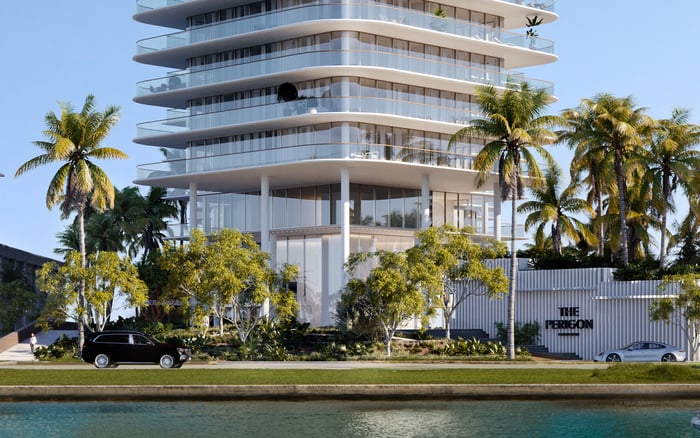
When considering comparable high-design projects outside Miami Beach for layout philosophy, it can be useful to observe how certain teams handle indoor-outdoor living and circulation. For example, the planning sensibility found at The Perigon Miami Beach often reflects the premium buyers place on quiet arrival sequences and clean room proportions.
Miami Beach is not one uniform market; customization dynamics shift by context.
In Mid-Beach and oceanfront corridors, buyers often pursue legacy holds, and customization can lean toward art walls, acoustics, and spa-grade bathrooms. Where service and brand expectations are elevated, the process may be more controlled-but also more predictable.
In South Beach, especially around Sofi and South-of-fifth, privacy and security features can matter as much as square footage. A plan that supports a separate guest wing, a true office, or a media room-without compromising the entertaining zone-is the kind of flexibility that reads as luxury.
For buyers comparing Miami Beach to nearby lifestyle-driven enclaves, boutique projects can illustrate how smaller scale affects personalization. The Delmore Surfside is a useful reference point for how curated, lower-density living can support a more bespoke interior outcome.
Ask for the alternate plan set, not just the marketing layouts. Confirm whether combining units is permitted and what approvals govern it. Understand the timeline: when design changes must be submitted, when selections lock, and how change orders are priced.
Clarify what is truly included. Some programs provide meaningful design coordination; others simply allow changes while leaving the owner to manage the complexity. The difference shows up in execution quality-and in stress.
Finally, consider resale clarity. A residence should still present as a coherent, elevated expression of the building’s intent. Over-customization that reads as idiosyncratic can narrow the future buyer pool.
If you want a comparative lens on how new towers structure customization programs outside Miami Beach, note how certain Brickell launches balance brand identity with owner personalization. 888 Brickell by Dolce & Gabbana, for example, reflects how luxury buyers often accept tighter guardrails in exchange for consistent design execution.
Custom floor plans best suit buyers who can decide early and decisively. If you need to furnish quickly for immediate occupancy, customization may extend timelines. If you are building a long-term residence, it can be one of the smartest investments you make.
Seasonal owners often benefit from customization that reduces friction: lockable owner storage, simplified materials, and maintenance-forward detailing. Full-time residents typically want more program-a true office, stronger pantry storage, and generous utility space.
For collectors, customization is frequently about wall real estate, lighting control, and climate considerations, with finishes chosen for longevity rather than trend.
Some buyers also evaluate Miami Beach alongside nearby coastal options when they want oceanfront living with a different planning style. While outside the Beach proper, 57 Ocean Miami Beach can still be referenced in conversation for the broader idea of boutique oceanfront residences where plan refinement is part of the appeal.
What qualifies as a “custom floor plan” in a Miami Beach pre-construction condo? Typically, it means developer-approved layout modifications or alternate plans, plus bespoke interior detailing within building guidelines.
When is the best time to request layout changes? As early as possible, ideally before construction documents and long-lead orders are finalized.
Can I move a kitchen or bathroom? Sometimes, but wet-stack and ventilation constraints usually limit major relocations and require formal approvals.
Are combination units usually allowed? It depends on the building and structure; approvals are often strict and may be limited to specific stacks or floors.
Will customization delay my closing? It can, especially if changes affect materials lead times or require additional reviews beyond the standard selection schedule.
Do I need to use the building’s designer or my own team? Many projects allow your team but require coordination through approved consultants and the building’s review process.
What upgrades add value without over-customizing? Better storage, refined lighting plans, improved primary suite layouts, and thoughtful millwork tend to age well.
How do I protect resale value when customizing? Keep changes coherent with the building’s design language and prioritize timeless planning over niche features.
Is a boutique building more flexible than a large tower? Often, yes, because there are fewer repeated conditions, but the rules still depend on the specific project.
What should I review in the contract regarding customization? Look for deadlines, approval rights, allowable scope, fees, and who bears responsibility for changes and coordination.
To compare the best-fit options with clarity, connect with MILLION Luxury.
If branded residences are on your mind — as a home or as an allocation — we would be glad to share what we are seeing, privately.
Begin a quiet conversation