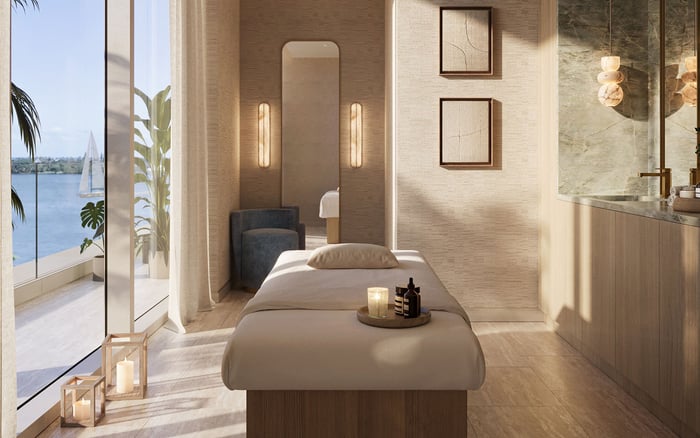
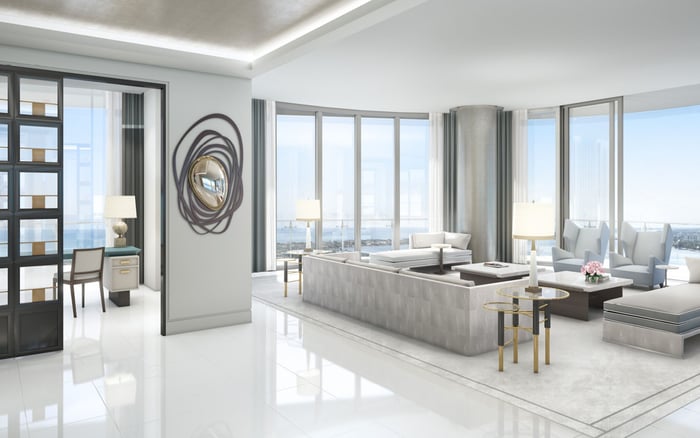
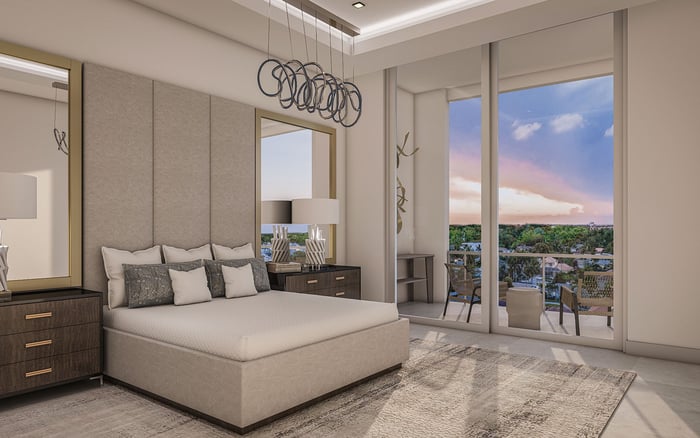
A buyer-focused guide to choosing between Miami Design District and West Palm Beach when the brief is a waterfront address that also works beautifully on ordinary days.
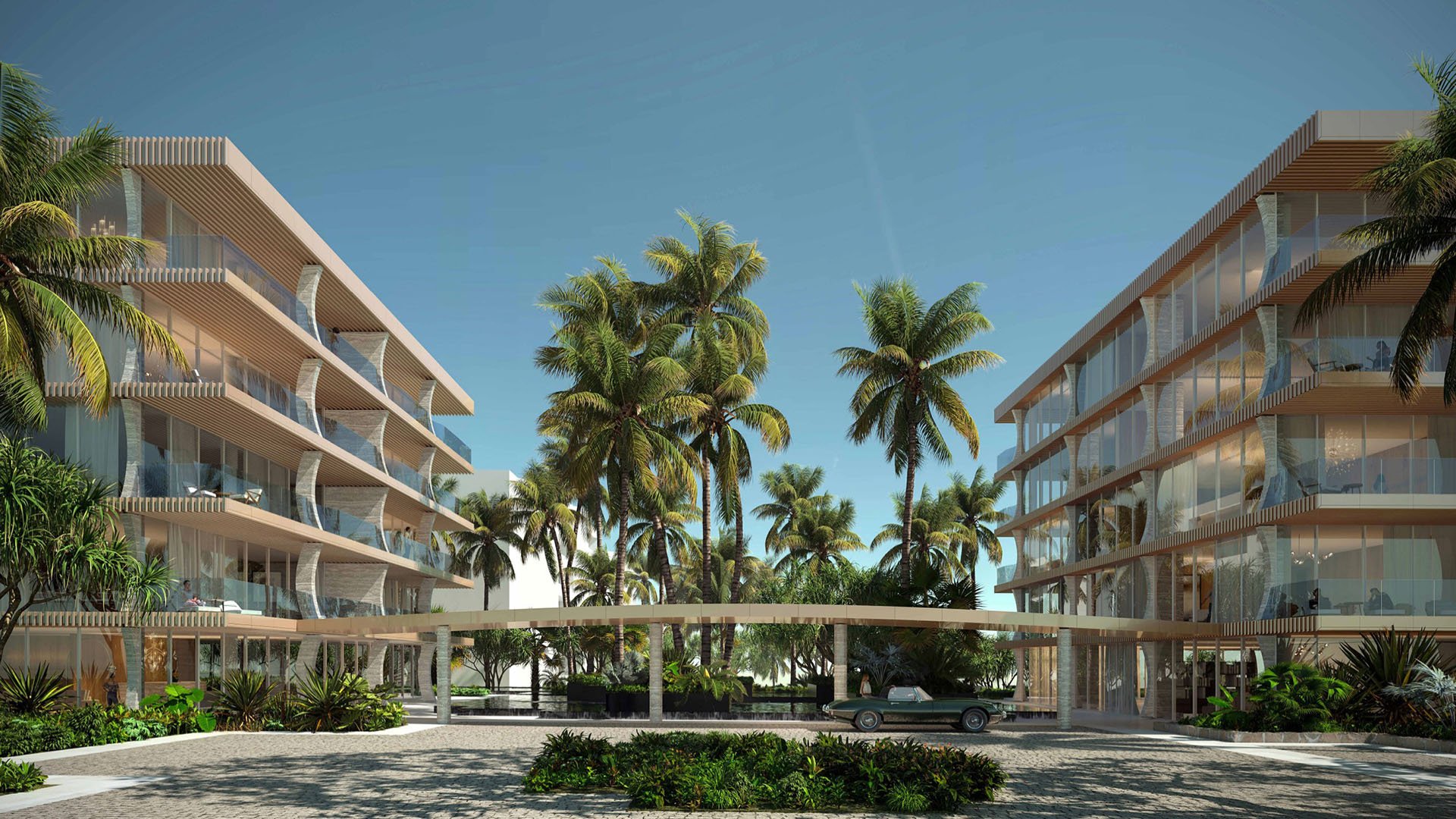
The choice between Miami Design District and West Palm Beach is often framed as a matter of taste. That is only partly true. For a serious buyer, the more useful question is whether a waterfront address can support the life that happens between dinners, openings, school runs, meetings, walks, workouts, guests, deliveries, and quiet mornings at home.
A waterfront residence is seductive because it gives the day a visual anchor. Light changes. Rooms feel calmer. A terrace can become a second living room. Yet the address must do more than look exceptional. It must make ordinary logistics feel controlled. If the residence is beautiful but every errand creates friction, the novelty fades. If the setting is calmer but too detached from the buyer’s daily orbit, the home can become a weekend idea rather than a primary rhythm.
This is a Buyer's Guides decision in the most practical sense. The right answer is not the more fashionable market. It is the address where your private life, social life, and operating life align.
For buyers drawn to the Design District, the appeal is usually not just architecture or retail atmosphere. It is the ability to live near a highly curated urban environment while still insisting on a residence that feels private, polished, and easy to manage. The area tends to suit buyers who want a more immediate city rhythm, with restaurants, design, art, fashion, wellness, and meetings woven into the week rather than reserved for occasional outings.
That energy should be tested carefully. A buyer should visit at different times, not only during a polished showing window. Notice how the route home feels after dinner, how guest arrivals would work, how valet or self-parking shapes the experience, and whether the building’s arrival sequence protects the calm of the residence. In an urban context, privacy is not only about height or glass. It is about circulation, service discipline, sound control, elevator experience, and whether the lobby feels like a private threshold rather than a public room.
For those who want to stay close to this design-led orbit, Kempinski Residences Miami Design District offers a useful point of comparison because it places the residential conversation directly within the Miami Design District frame. Nearby, Miami Design Residences Midtown Miami can help buyers think through the broader urban lifestyle around the district without assuming every day must be centered on a single block.
West Palm Beach often enters the conversation for buyers who want waterfront presence with a more composed daily cadence. The appeal is less about being in the middle of every moment and more about having a refined base that can support work, family, hosting, wellness, and travel without feeling overexposed. For some buyers, that emotional temperature matters as much as the view.
The due diligence is similar, but the emphasis changes. In West Palm Beach, buyers should ask whether the building, neighborhood, and daily routes feel elegant Monday through Friday, not only during a weekend visit. Consider where the car lives, how service providers arrive, whether walks feel natural, how easily guests understand the address, and how the residence performs when the calendar is full. A tranquil waterfront home should not require a complicated operating manual.
Projects such as Alba West Palm Beach and Forté on Flagler West Palm Beach give buyers an opportunity to compare the West Palm Beach waterfront and near-waterfront conversation through a residential lens. The point is not simply which building has the more glamorous presentation. It is which one supports the kind of daily arrival, privacy, and household management the buyer will value after the first year.
Waterfront should be evaluated as a practical system. A beautiful outlook is only one component. Buyers should study exposure, terrace usability, building orientation, privacy from neighboring residences, elevator access, parking structure, storage, package handling, staff protocols, guest arrival, pet routines, and maintenance expectations. These are not minor details. They determine whether the home feels effortless or theatrical.
Waterfront also changes how buyers think about rooms. The best plan does not merely put glass in front of the living area. It lets the view organize the day without forcing every activity into display mode. Bedrooms should feel serene. Kitchens should function when entertaining is not happening. Dens and offices should have enough separation to support real work. If a floor plan relies entirely on the view to compensate for weak utility, the buyer should pause.
A waterview can be mesmerizing, but it should never distract from the service logic of the residence. The most successful homes combine the emotional reward of water with the quiet mechanics of a well-run private address.
New-construction can make both markets feel especially compelling because the sales environment is designed to present an ideal future. Finishes, amenities, renderings, and brand language matter, but they should not be the first filter. The first filter is operational: how the building will receive residents, protect privacy, manage staff, handle deliveries, support fitness routines, accommodate guests, and age in daily use.
In Miami Design District, that may mean scrutinizing how an urban building buffers the owner from surrounding activity. In West Palm Beach, it may mean deciding whether the residence feels connected enough to daily life without sacrificing the quieter character that drew the buyer north. In both cases, ask the same question repeatedly: will this address make the everyday easier?
Aspirational buying is strongest when it is disciplined. The residence should feel exceptional at the dinner party, but it should also function beautifully on a Tuesday morning when no one is watching.
Begin with your calendar. If your week is built around art, design, restaurant culture, business proximity, and frequent urban movement, the Design District side of the decision may feel more natural. If your week is built around a calmer residential cadence, a more measured social rhythm, and a desire for waterfront presence that feels less kinetic, West Palm Beach may be the better fit.
Then test your tolerance for intensity. Some buyers are energized by proximity. Others pay a premium to edit it out. There is no universal hierarchy. A perfect address for one household can feel like a compromise for another because luxury is personal at the level of routine.
Finally, think about resale without letting it dominate the decision. A highly specific home should still have a clear buyer profile. The more legible the lifestyle proposition, the easier it is for a future buyer to understand why the residence matters. In that sense, lifestyle is not a soft category. It is part of the asset’s clarity.
Is Miami Design District better than West Palm Beach for a waterfront buyer? Not automatically. It depends on whether you value a more urban, design-focused rhythm or a calmer residential cadence around the water.
Should the view be the first priority? The view matters, but it should not outrank privacy, floor plan, service access, parking, storage, and daily convenience.
How should I compare two waterfront residences? Visit at different times, study arrival and departure, and imagine ordinary routines rather than only entertaining moments.
Is new-construction always the easier choice? Not always. New-construction can offer modern planning, but buyers still need to examine operations, maintenance, and building culture.
What makes the Design District appealing for daily life? It can appeal to buyers who want a design-led urban setting with restaurants, culture, and social activity close to home.
What makes West Palm Beach appealing for daily life? It can suit buyers seeking waterfront presence with a more composed rhythm, especially when privacy and routine are central.
How important is building staff and service design? Very important. The quality of service design often determines whether a luxury residence feels effortless in real use.
Should I buy for weekends or primary living? Decide honestly. A weekend residence can prioritize emotion, while a primary home must support repeated routines with little friction.
Can a waterfront home still feel inconvenient? Yes. If access, parking, storage, noise, or service logistics are weak, even a beautiful setting can become tiring.
What is the best way to shortlist comparable options for touring? Start with location fit, delivery status, and daily lifestyle priorities, then compare stacks and elevations to validate views and privacy.
For a discreet conversation and a curated building-by-building shortlist, connect with MILLION.
If branded residences are on your mind — as a home or as an allocation — we would be glad to share what we are seeing, privately.
Begin a quiet conversation