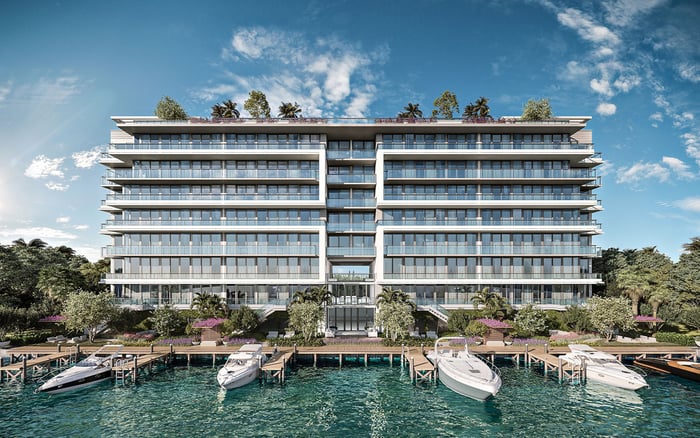
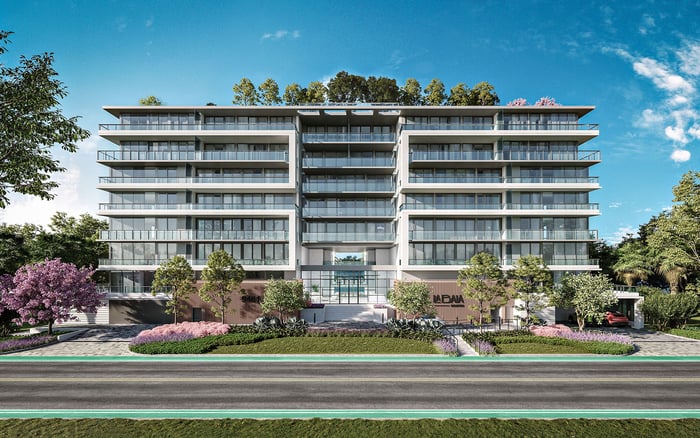
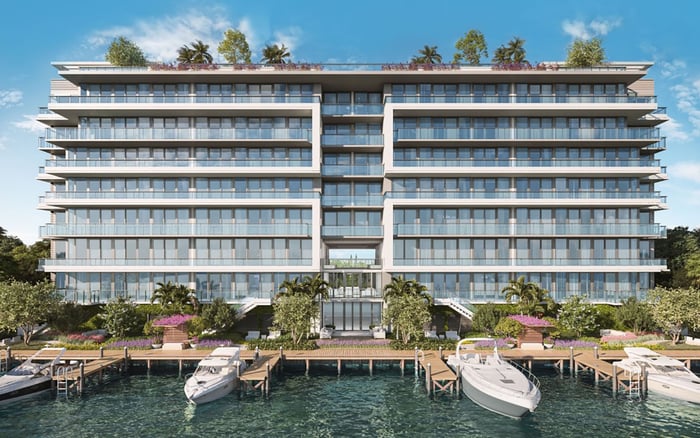
A discreet buyer’s guide to the ownership questions that should be clarified before contract review at La Baia North Bay Harbor Islands, from unit boundaries and waterfront rights to association budgets, shared facilities, entity ownership, and risk allocation.
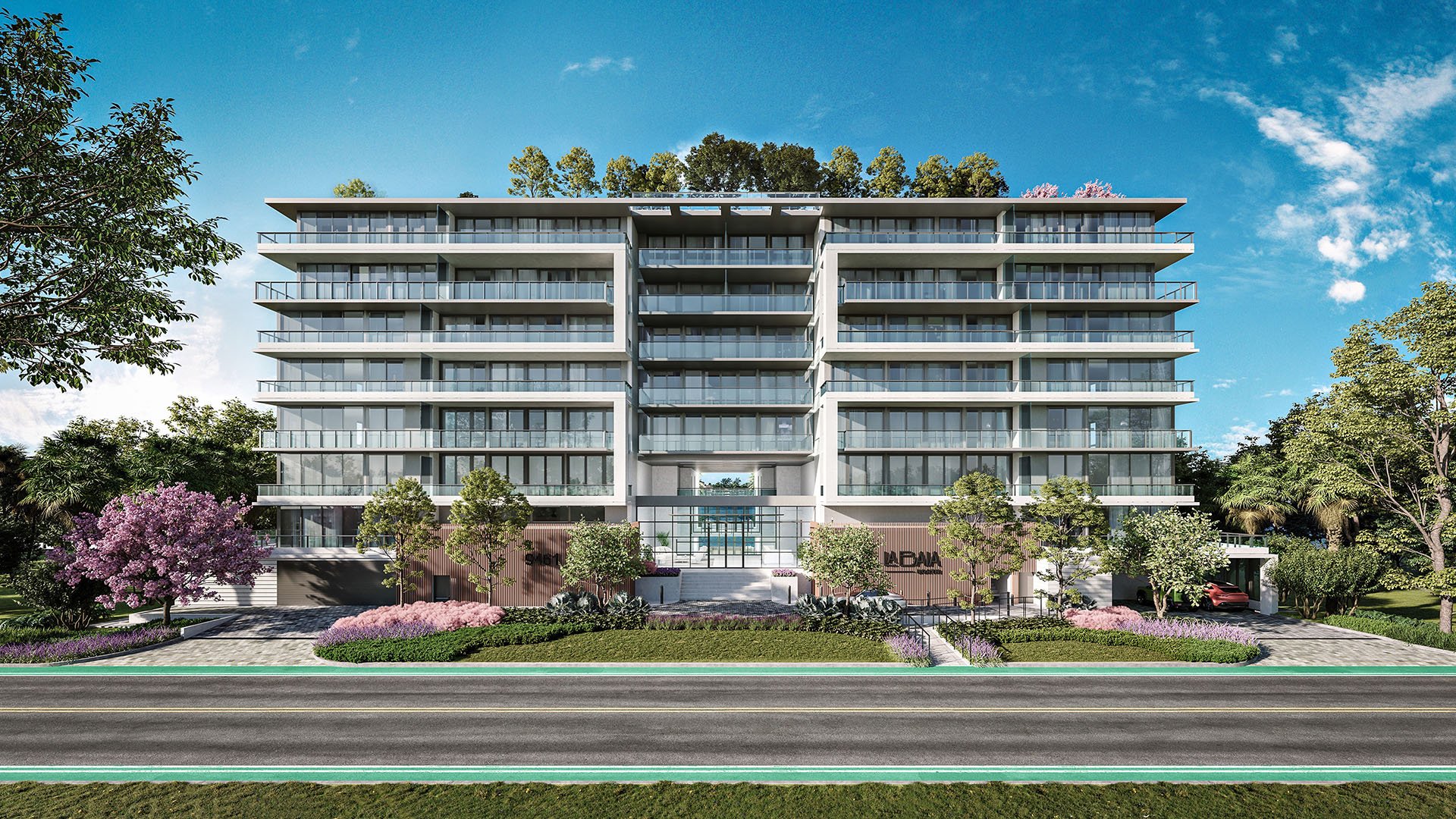
For a buyer considering La Baia North Bay Harbor Islands, the most important questions often arise before an attorney opens the first redline. Price, finish level, view orientation, and delivery expectations matter, but they do not fully define ownership. In a luxury condominium, value is also shaped by what the buyer owns individually, what is shared, what is reserved for exclusive use, and which obligations follow the residence after closing.
La Baia North is positioned as a luxury condominium project in Bay Harbor Islands, where waterfront location and boutique scale make pre-contract diligence especially important. The goal is not to practice law from the sales gallery. It is to know what to ask, so counsel can focus review on the provisions that affect daily use, liquidity, operating cost, and long-term control.
The first ownership question is deceptively simple: where does the private residence end and the condominium begin? Buyers should ask what belongs to the individual unit owner, what is treated as a common element, what is a limited common element, and what is shared amenity space.
This distinction can affect balconies, terraces, mechanical systems, corridors, parking, storage, service areas, waterfront improvements, and amenity access. The sales presentation may describe the lifestyle, but the condominium declaration, survey, and recorded documents control the legal boundaries and owner obligations. That is where a buyer learns whether an area is owned, assigned, licensed, shared, or merely available under rules that may change.
In Bay Harbor Islands, this question is not unique to one address. Buyers comparing nearby boutique projects such as Alana Bay Harbor Islands and Onda Bay Harbor should apply the same discipline: lifestyle language is useful, but recorded ownership structure is decisive.
Boutique scale is part of the appeal. It can create privacy, intimacy, and a more residential rhythm than a large tower. It can also concentrate association costs, reserves, and future capital needs among fewer owners. That is not a flaw, but it is a financial reality that should be understood before contract review begins.
A projected association budget should be read as an operating blueprint, not a formality. Buyers should ask whether it realistically accounts for luxury-level service, waterfront maintenance, insurance, staffing, reserves, and the cost profile of a smaller ownership base. A modest adjustment in a large building may be absorbed broadly. In a boutique condominium, the same category of expense can feel more material because fewer owners share the burden.
For new-construction buyers, the early budget deserves particular attention because projections are made before a building has a long operating history. The questions should be specific: what assumptions support staffing, amenity maintenance, insurance, reserves, utilities, security, waterfront upkeep, and management?
Waterfront ownership carries a distinct set of questions. At La Baia North, buyers should examine the treatment of dock, marina, seawall, access, maintenance, insurance, and use rights before contract review. A waterfront view is one kind of value. The right to use or maintain waterfront facilities is another.
The marina question should include who controls access, who pays for maintenance, whether use rights are appurtenant to a unit, whether they are transferable, and whether they can be modified by association rules or developer-retained rights. If a boat slip is part of the buyer’s interest, the buyer should clarify whether it is owned, assigned, leased, licensed, or otherwise subject to approval.
Waterfront regulation, flood resilience, insurance, and maintenance obligations can also affect the owner experience. Seawall responsibility, shared waterfront infrastructure, and access rules should be identified early, so counsel can test the contract and condominium documents against the buyer’s expectations.
Buyers should ask whether amenities, parking, waterfront areas, back-of-house spaces, or service facilities are exclusive to La Baia North or shared with another project or affiliated property. Shared spaces can be efficient and elegant when documented clearly. They can also create questions about cost allocation, priority of use, control, insurance, and future modification.
Developer-retained rights deserve similar attention. Pre-contract diligence should identify whether the developer may modify plans, manage unsold units, retain control over association decisions during an early period, adjust common elements, or reserve rights that affect the owner’s use of the property. These rights are common in condominium development, but the buyer should understand their scope.
This is where a comparison set can sharpen the questions. A buyer also considering Origin Bay Harbor Islands may notice that projects in the same village can still differ significantly in their documents, shared-use structure, and owner obligations.
Before legal review, the buyer should identify the purpose of the purchase. Is the residence intended for primary use, seasonal use, family use, leasing flexibility, long-term wealth planning, or a combination of these? Each answer changes the ownership questions.
International buyers, trust buyers, LLC buyers, and family-office buyers should confirm whether the condominium documents restrict entity ownership, nominee ownership, leasing, transfer approvals, or other ownership structures. A residence purchased for privacy, succession planning, or investment purposes should be reviewed through that lens from the outset.
Leasing rules are especially important. Even when a buyer does not intend to lease immediately, future flexibility may matter. The documents should be checked for minimum lease periods, approval rights, frequency limits, tenant screening, guest policies, and any provisions that could affect seasonal or family use.
A Bay Harbor purchase is not only a private contract. The municipal setting can affect the ownership experience through parking, traffic, flood resilience, waterfront regulation, and future nearby development. Buyers should ask how the building interfaces with the neighborhood, how access and parking are handled, and whether nearby changes could influence arrival, privacy, or everyday convenience.
The setting is part of the appeal: close to the water, discreet in scale, and distinct from the vertical intensity of larger Miami-area corridors. Still, even the most refined address benefits from practical diligence. Flood resilience, waterfront regulation, traffic patterns, and municipal requirements should be considered alongside floor plan and finishes.
For buyers considering broader Bay Harbor Islands options, Bay Harbor Towers offers another reminder that location alone does not answer ownership questions. Each condominium has its own declaration, budget, amenity structure, and governance profile.
The strongest contract review begins with a concise ownership brief. Buyers should ask counsel to focus not only on price and finishes, but also on risk allocation for delays, design changes, deposits, closing obligations, association turnover, and owner remedies.
The brief should include the buyer’s intended use, preferred ownership structure, expectations for waterfront access, views on leasing flexibility, tolerance for shared amenities, questions about parking and storage, and sensitivity to future assessments. That gives counsel context. It also prevents the review from becoming a purely technical exercise detached from how the owner actually intends to live.
The luxury buyer’s advantage is preparation. When the right questions are framed early, contract review becomes sharper, negotiation becomes more efficient, and the final decision rests on ownership clarity rather than presentation alone.
What is the first ownership question to ask at La Baia North? Ask what the unit owner owns individually versus what is common, limited common, assigned, or shared.
Why do common elements matter before contract review? They determine use rights, maintenance responsibility, cost sharing, and the owner’s control over important areas.
Are waterfront rights automatically included with a residence? Not necessarily. Dock, marina, seawall, access, maintenance, and insurance rights should be verified in the documents.
Why does boutique scale affect association costs? A smaller ownership base can mean reserves, staffing, insurance, and capital needs are spread among fewer owners.
Should buyers review the projected association budget? Yes. The budget should be tested against luxury operations, waterfront maintenance, staffing, insurance, and reserves.
Can amenities or service areas be shared with another property? They can be, so buyers should confirm whether amenities, parking, waterfront, or service spaces are exclusive or shared.
What are developer-retained rights? They may include rights to modify plans, manage unsold units, or control association decisions during the early period.
Do entity buyers need special diligence? Yes. Trust, LLC, nominee, international, and family-office buyers should confirm ownership and transfer restrictions.
Why should intended use be clarified before legal review? Primary use, seasonal use, family use, leasing flexibility, and wealth planning each raise different document issues.
What is the best way to shortlist comparable options for touring? Start with location fit, delivery status, and daily lifestyle priorities, then compare stacks and elevations to validate views and privacy.
For a confidential assessment and a building-by-building shortlist, connect with MILLION.
If branded residences are on your mind — as a home or as an allocation — we would be glad to share what we are seeing, privately.
Begin a quiet conversation