A buyer-focused comparison of La Baia North, Ponce Park, and Ziggurat across design fit, daily operations, governance culture, neighborhood durability, and resale discipline.
La Baia North Bay Harbor Islands, Ponce Park Coral Gables, and Ziggurat Coconut Grove should not be treated as interchangeable luxury condominium options. They represent three distinct versions of South Florida prestige: waterfront calm near Bal Harbour and Surfside, civic permanence in Coral Gables, and leafy village living in Coconut Grove.
The stronger comparison is not which building feels most fashionable today. It is whether a buyer is prioritizing design pedigree, household operations, or resale discipline. A beautiful residence can disappoint if daily logistics feel wrong. A well-governed building can still underperform emotionally if the neighborhood does not match the household’s rhythm. A compelling new address can lose clarity if the future buyer pool is too narrow.
For practical search language, the conversation often touches Bay Harbor, Coral Gables, and Coconut Grove. The real decision is more personal: how the home will be used, how the building will be run, and who is likely to want it next.
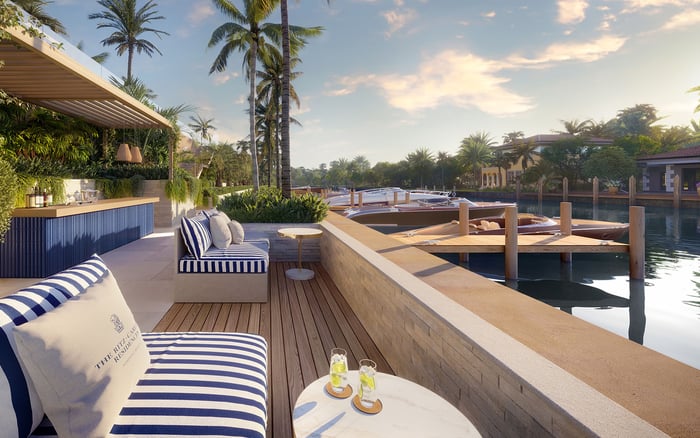
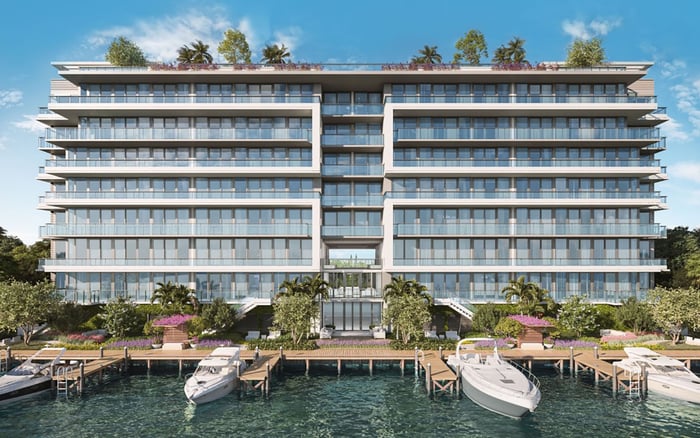
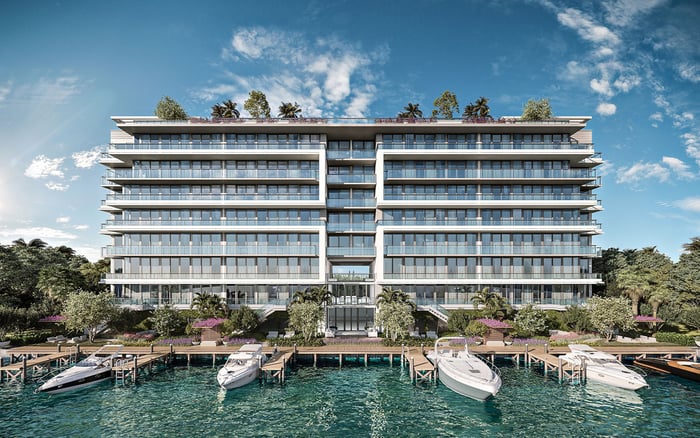
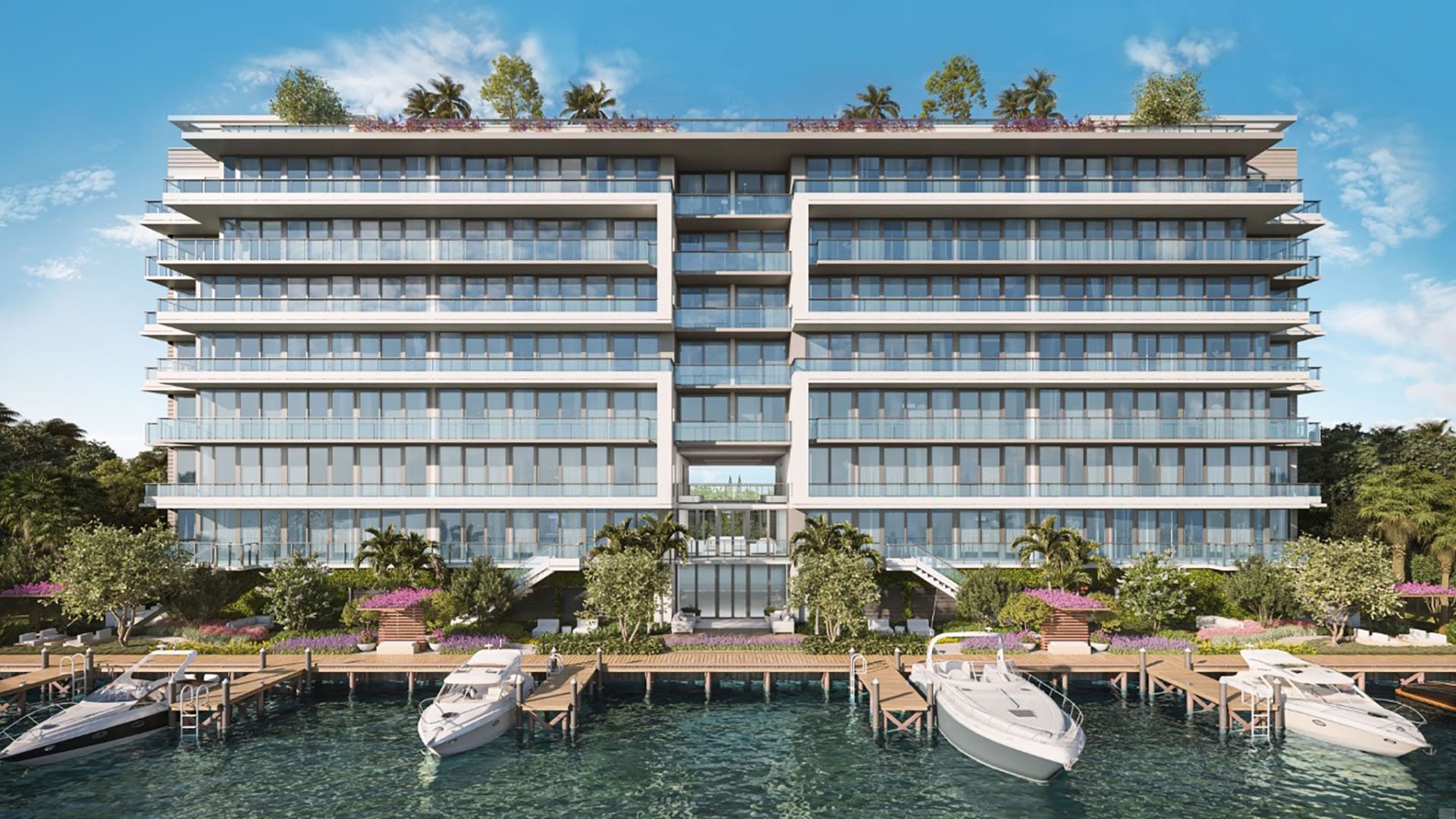
La Baia North is the Bay Harbor Islands choice in this trio. Its appeal begins with a quieter residential character, a waterfront setting, and proximity to Bal Harbour and Surfside without the intensity of a larger resort corridor. The likely buyer is not chasing nightlife or dense urban walkability. This is a buyer who values water views, boating orientation, and a calmer semi-suburban pattern.
That calm is the strength, but it also defines the due-diligence agenda. In a boutique-scale waterfront context, fixed costs matter. Staffing, maintenance, reserves, and waterfront infrastructure may be shared across fewer residences than in a large tower. Buyers should look beyond the romance of the view and study how the association intends to maintain service quality, reserves, exterior systems, dock or seawall-related considerations where applicable, and long-term waterfront upkeep.
Resale discipline for La Baia North is therefore not about declaring Bay Harbor Islands better or worse than nearby luxury addresses. It is about asking how much future buyers will value waterfront privacy and residential quiet compared with more branded, denser, or more visibly trophy-oriented buildings in adjacent markets. The answer will depend on whether the next buyer wants discretion as much as spectacle.
Ponce Park Coral Gables belongs to a very different luxury tradition. Coral Gables is not primarily a resort proposition. Its strongest residential identity is tied to civic quality, architectural context, schools, shopping districts, and a multigenerational culture of long-term ownership. For many buyers, that makes it feel less seasonal and more rooted.
The design question at Ponce Park is not whether it can be visually assertive in isolation. It is whether its architecture and design language sit comfortably within the established City Beautiful character and planning culture of Coral Gables. In this market, context matters. Buyers often reward buildings that understand proportion, street presence, and neighborhood continuity rather than simply maximizing novelty.
Operationally, Ponce Park may appeal to residents who prefer stricter governance, a lower tolerance for transient use, and a building culture oriented toward primary-residence living. That does not mean every owner must live there year-round. It means the building’s day-to-day feel may be judged by quiet enjoyment, predictable rules, and a sense that neighbors are invested in the address beyond a short ownership cycle.
From a resale perspective, Ponce Park’s case is less exposed to tourism cycles than properties whose demand depends heavily on seasonal excitement. The key question is whether Coral Gables’ deep end-user base continues to see the building as an elegant fit within the city’s long-established residential hierarchy.
Ziggurat Coconut Grove sits in the most design-sensitive environment of the three. Coconut Grove buyers often respond to architecture that feels distinctive, but not detached from the neighborhood’s organic, garden-like character. The Grove is leafy, village-like, waterfront-adjacent, and has been re-rated by luxury buyers over the past decade. That combination creates opportunity, but it also demands restraint.
For Ziggurat, design pedigree is not simply a question of visual memorability. It is whether the building can feel expressive while still belonging to the Grove’s slower, more layered residential texture. The buyer drawn here is likely choosing atmosphere: tree canopy, village amenities, privacy, and proximity to the waterfront without necessarily living inside a beachfront environment.
Household operations should be examined through daily use. How does the building support parking, privacy, service flow, staff movement, deliveries, and access to Grove amenities? In Coconut Grove, convenience is not always about occupying the tallest or most conspicuous structure. It is about whether the building makes village living feel effortless while still protecting the privacy expected at the ultra-premium level.
The resale discipline question is equally nuanced. Ziggurat’s future strength depends on whether Coconut Grove’s luxury re-rating is supported by durable end-user demand rather than only by new-development momentum. If the buyer pool continues to value distinctive architecture and daily livability in the Grove, the logic is clear. If enthusiasm becomes overly dependent on novelty, buyers should be more selective.
Choose La Baia North if the household wants waterfront quiet, boating orientation, and proximity to Bal Harbour and Surfside without the cadence of a denser luxury corridor. The due diligence should focus on operations, reserves, and the true cost of maintaining a refined waterfront building over time.
Choose Ponce Park if the household wants Coral Gables permanence, governance discipline, and a primary-residence culture. The due diligence should focus on architectural fit, building rules, and whether the address feels aligned with the city’s established residential identity.
Choose Ziggurat if the household wants Coconut Grove’s design-and-village lifestyle, with privacy and atmosphere carrying as much weight as conventional amenity counts. The due diligence should focus on daily logistics, service flow, access, and whether the design will continue to feel relevant after the first wave of attention passes.
The most sophisticated buyer will not ask which project is universally best. The better question is which address has the most durable match between personal use, building governance, neighborhood identity, and the eventual next buyer.
Which buyer is best suited to La Baia North? La Baia North is best suited to a buyer who prioritizes waterfront calm, water views, boating orientation, and a quieter residential setting.
Why does household operations matter so much at La Baia North? Boutique waterfront settings can place more importance on staffing, maintenance, reserves, and infrastructure because fewer residences may share fixed costs.
What makes Ponce Park different from the other two options? Ponce Park is framed around Coral Gables permanence, civic quality, architectural context, and a more primary-residence-oriented lifestyle.
Who is the likely Ponce Park buyer? The likely buyer values Coral Gables schools, shopping districts, governance culture, and long-term residential stability more than beachfront access.
How should buyers evaluate design at Ponce Park? Buyers should consider whether the architecture fits Coral Gables’ City Beautiful character and local planning culture rather than judging it in isolation.
Why is Ziggurat especially tied to design pedigree? Coconut Grove buyers often value architecture that feels distinctive while still respecting the neighborhood’s leafy, organic, village-like character.
What operational questions matter most at Ziggurat? Buyers should study privacy, parking, staff and service flow, deliveries, and how easily the building supports daily access to Grove amenities.
Which project has the clearest primary-residence logic? Ponce Park has the clearest primary-residence logic because its value proposition is tied to Coral Gables’ long-term end-user culture.
How should buyers think about resale discipline across the three? Resale discipline should focus on buyer-pool depth, governance, carrying costs, neighborhood durability, and whether demand is end-user driven.
Is there one objectively best choice among the three? No. La Baia North favors waterfront quiet, Ponce Park favors Coral Gables permanence, and Ziggurat favors Coconut Grove design and village living.
For a tailored shortlist and next-step guidance, connect with MILLION.
If branded residences are on your mind — as a home or as an allocation — we would be glad to share what we are seeing, privately.
Begin a quiet conversation