A buyer-focused look at why lower-floor value deserves serious attention before closing, especially in South Florida luxury condo decisions where view, privacy, liquidity, and resale strategy all influence long-term ownership.
In South Florida luxury real estate, the conversation around floor height often begins with emotion. A buyer walks into a residence, notices the light, steps onto the balcony, and decides whether the view feels expansive enough for the life they imagined. That instinct matters. Yet before closing, floor height deserves the same discipline applied to association documents, finishes, parking, and carrying costs.
The hidden cost of ignoring lower-floor value is not always an immediate pricing mistake. It can surface later, when a buyer tries to refinance, lease, sell, or compare the residence against competing inventory. A lower floor can be an excellent acquisition when the value story is clear. It can also become a quiet disadvantage when the purchase price assumes a premium the market may not support.
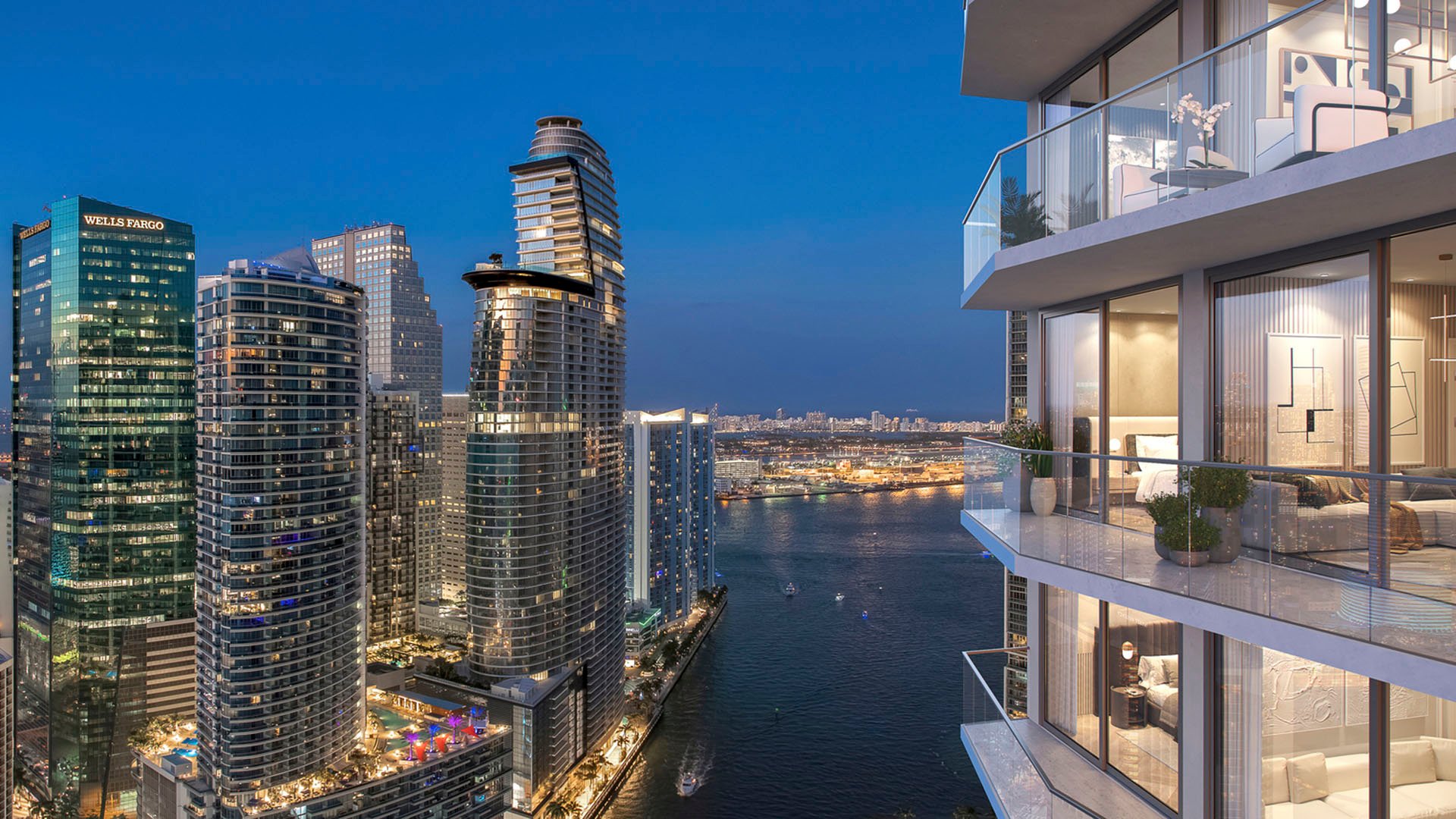
That discipline is especially important in a region where waterfront exposure, skyline orientation, privacy, building design, and buyer psychology all converge. In Brickell, a lower residence may offer urban energy and convenience. In an oceanfront setting, it may place the buyer closer to activity, landscaping, pool decks, or public sightlines. Neither position is automatically good or bad. The mistake is treating floor level as a minor detail rather than a core component of value.
A luxury buyer is not simply buying square footage. The purchase includes the sensory experience of the residence: the horizon line, the way daylight enters the living room, the distance from neighboring structures, the sound profile, and the perceived separation from the street or amenity deck.
Lower floors can have real advantages. They may feel more connected to gardens, water, arrival courts, marinas, or neighborhood life. They can also offer easier elevator access and, in some buildings, a more intimate relationship with the landscape. For certain owners, especially those who dislike extreme height, that grounded quality is desirable.
The valuation challenge begins when a lower-floor residence is priced too closely to higher inventory with stronger exposure. If the difference is not justified by layout, terrace depth, interior condition, private outdoor space, or a scarce line within the building, the buyer may be absorbing a premium without receiving a corresponding advantage.
Resale buyers tend to be comparative. They will ask what else is available in the same building, the same stack, nearby towers, and similar lifestyle categories. If a lower-floor unit lacks a persuasive story, future negotiations can become sharper than expected.
Many buyers assume each additional floor commands a tidy premium. In practice, value is more nuanced. A modest increase in height may dramatically improve privacy if it clears a neighboring structure. Several additional floors may add little if the view corridor is already established. One lower residence may be compromised by mechanical sightlines, garage podiums, adjacent rooftops, or amenity traffic, while another lower residence in the same building may frame lush landscaping beautifully.
Before closing, the buyer should separate three questions. What is visible today? What could reasonably change around the building? What will the next buyer likely perceive within the first two minutes of entering?
That final question is critical. The next buyer may not study the same floor plan with the same patience. They will react quickly to light, outlook, privacy, and noise. If the lower-floor position creates friction, the current purchase price should already account for it.
Lower-floor value is often discussed through the language of views, but privacy and acoustics can be just as important. A residence overlooking a pool deck, driveway, restaurant terrace, bridge, marina, or neighboring balcony may feel lively during a tour and intrusive during ownership.
A buyer should visit at different times when possible. Morning light can flatter a residence that feels exposed at night. A quiet weekday showing may not reveal weekend amenity patterns. A terrace that appears generous can feel less usable if it is too visible from common areas.
This is where new-construction purchases deserve particular care. Renderings and sales galleries can communicate design intent, but a buyer still needs to understand the physical relationship between the selected floor, the podium, amenity levels, adjacent buildings, and sightlines. If a lower-floor residence is being considered before full completion, the questions should become even more precise.
Even when a buyer is paying cash, valuation discipline matters. If financing is involved, the lender's view of comparable sales can affect leverage, timing, and confidence. Lower floors can be harder to support when recent transactions show a clear premium for height, superior exposure, or unobstructed views.
This does not make lower floors weak assets. It means the buyer should understand the comparable universe before committing. The relevant question is not whether the residence is beautiful. It is whether the agreed price can be defended against nearby alternatives.
For investment-minded buyers, the analysis should include future exit routes. Will the unit compete primarily on price, floor plan, building brand, outdoor space, or convenience? If the answer is mostly price, the acquisition should be negotiated accordingly. If the lower floor offers a distinctive lifestyle feature, that advantage should be documented and understood before closing.
The most valuable moment to address lower-floor concerns is before signatures become final. Once ownership transfers, the market will not care that a buyer failed to price the floor correctly. The next purchaser will simply negotiate from what they see.
A disciplined buyer should ask for a floor-by-floor comparison within the building or immediate competitive set, with particular attention to the same line when available. The goal is not to punish the seller. It is to determine whether the residence's position has already been recognized in the price.
If a lower floor has a lesser view but superior terrace space, that may be a fair trade. If it has less privacy and no offsetting feature, the discount should be meaningful. If it is close to a desirable amenity level without suffering from noise or visibility, it may appeal to a very specific buyer profile. The issue is not floor height alone. It is whether the total value proposition is coherent.
Not every luxury buyer wants the highest perch. Some prefer being closer to treetops, gardens, water movement, or the arrival sequence of the building. Others value shorter elevator rides, less vertigo, or a stronger connection to the neighborhood. In some boutique buildings, a lower residence may feel more like a private home than a tower apartment.
That preference is valid. The caution is financial rather than aesthetic. Personal preference should not be confused with universal market demand. If the buyer loves the residence for reasons future buyers may not share, the entry price should offer protection.
This is particularly true for buyers comparing South Florida submarkets. A lower-floor residence in a dense urban setting may be judged differently from one in a quieter waterfront enclave. The same floor number can carry different meaning depending on surrounding context, building setbacks, and how the architecture handles privacy.
Before closing, review the residence as if you were already preparing to resell it. Stand at each window and identify what strengthens the experience and what weakens it. Step outside and note who can see onto the terrace. Listen for traffic, service activity, amenity use, and neighboring mechanical noise. Compare the asking or contract price against higher floors, lower floors, and similar exposures.
Then ask whether the discount, if any, is enough. If the unit is priced near stronger view inventory, the buyer should understand why. Superior interior design, larger outdoor space, rare floor plan features, or exceptional convenience can justify the position. Without those offsets, the lower floor may carry a hidden cost.
The best acquisitions are not always the highest. They are the ones where price, floor, view, privacy, and future liquidity are aligned.
Is a lower-floor luxury condo always less valuable? No. Lower floors can be highly desirable when they offer privacy, strong layout, outdoor space, convenience, or a special relationship to landscaping or water.
What is the biggest risk of ignoring lower-floor value before closing? The main risk is overpaying for a residence that future buyers may compare unfavorably against higher or better-positioned inventory.
Should cash buyers still worry about floor value? Yes. Even without a loan, floor value affects future liquidity, negotiation power, and the strength of a resale strategy.
Can a lower floor be better for daily living? It can be. Some owners prefer easier access, a more grounded feeling, and closer proximity to gardens, water, or amenities.
How should buyers evaluate privacy on a lower floor? They should study sightlines from neighboring buildings, amenity decks, sidewalks, driveways, and other balconies at different times of day.
Does a great interior offset a weaker floor position? Sometimes. Exceptional design can improve desirability, but it may not fully overcome compromised views, noise, or privacy concerns.
Why does resale matter before closing? Resale discipline protects the buyer from relying only on personal taste and helps ensure the purchase can compete later.
Are lower floors different in Brickell than in waterfront areas? Yes. Urban density, neighboring towers, street activity, and water orientation can all change how a lower floor is perceived.
What should investment buyers focus on? They should focus on defensible pricing, rental appeal where permitted, likely buyer objections, and the clarity of the exit story.
When should a buyer negotiate a lower-floor discount? Before closing, especially when the residence has weaker privacy, limited views, or few features that offset its floor position.
If you'd like a private walkthrough and a curated shortlist, connect with MILLION.
If branded residences are on your mind — as a home or as an allocation — we would be glad to share what we are seeing, privately.
Begin a quiet conversation