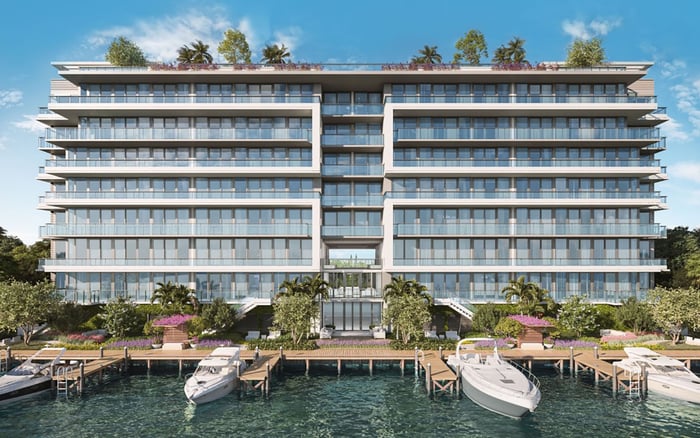
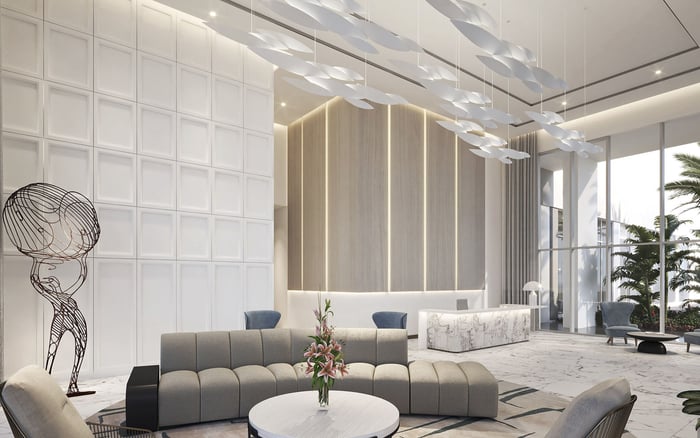
A buyer-focused comparison of La Baia North and Sixth & Rio through the lens of wellness credibility, air-quality caution, recovery spaces, and lifestyle fit.
Luxury buyers are asking a more exacting question than whether a building offers a handsome gym, a polished pool deck, or a resort vocabulary. They want to know whether a residence can credibly support recovery, mental quiet, social energy, air comfort, and daily routine. That is where La Baia North Bay Harbor Islands and Sixth & Rio Fort Lauderdale become an instructive pair.
They occupy a similar prestige conversation, yet they answer the wellness question in different languages. La Baia North leans into the softer power of place: a quieter Bay Harbor Islands setting, waterfront adjacency, intimacy, and a calmer residential rhythm. Sixth & Rio feels more urban and kinetic, shaped by Fort Lauderdale riverfront life, walkability, social access, and proximity to dining and cultural energy.
The result is not a simple winner and loser. It is a distinction between wellness as restoration and wellness as activation.
Boutique is often the first word that makes these two projects feel comparable. In both cases, the appeal is more intimate than the experience of a very large tower. For La Baia North, that intimacy matters because it supports the idea of luxury without the anonymity and crowding often associated with larger buildings. Its wellness narrative is therefore less about a technical specification sheet and more about the emotional and sensory relief of a calmer home base.
Sixth & Rio also benefits from a boutique frame, but its wellness proposition points outward. The building’s riverfront urban fabric places the resident closer to active routines, city amenities, social dining, and the everyday movement of downtown Fort Lauderdale. For some buyers, that kind of access is not a distraction from wellness. It is the definition of it.
This is the essential credibility test. A project can be wellness-relevant without being a formal health-building platform. La Baia North’s case is contextual and residential. Sixth & Rio’s case is behavioral and lifestyle-driven.
For high-net-worth buyers, air quality has become a serious due-diligence category. It is also an area where language can outrun documentation. Neither La Baia North nor Sixth & Rio should be described as offering clinical-grade air quality, specialized filtration, humidity control, low-VOC construction protocols, or certified health-building systems unless a buyer has reviewed project-level documentation confirming those specific claims.
That caution does not weaken either address. It clarifies the level of evidence. La Baia North’s air and sensory-comfort argument comes from its quieter, bay-oriented residential environment. The appeal is the feeling of leaving South Florida’s louder urban conditions behind while remaining connected to the broader Miami coastline. A waterview expectation, however, should always be verified by individual residence, exposure, and floor position rather than assumed from neighborhood identity alone.
Sixth & Rio’s air-quality story is different because it sits in a more urban riverfront context. The tradeoff is not necessarily negative. A buyer who values city proximity may accept more urban texture in exchange for convenience, walkability, and daily activation. The key is to separate lifestyle wellness from measurable indoor environmental performance.
Recovery does not mean the same thing to every buyer. For one household, recovery means silence after a long flight, a slower morning, and a home environment that feels sheltered from resort traffic and city rush. That buyer is likely to read La Baia North as the more convincing wellness-by-environment choice.
For another buyer, recovery means a walkable dinner, a riverfront routine, a cultural calendar, and the ability to maintain social momentum without friction. That buyer may find Sixth & Rio more credible because it places restoration inside an active, connected life.
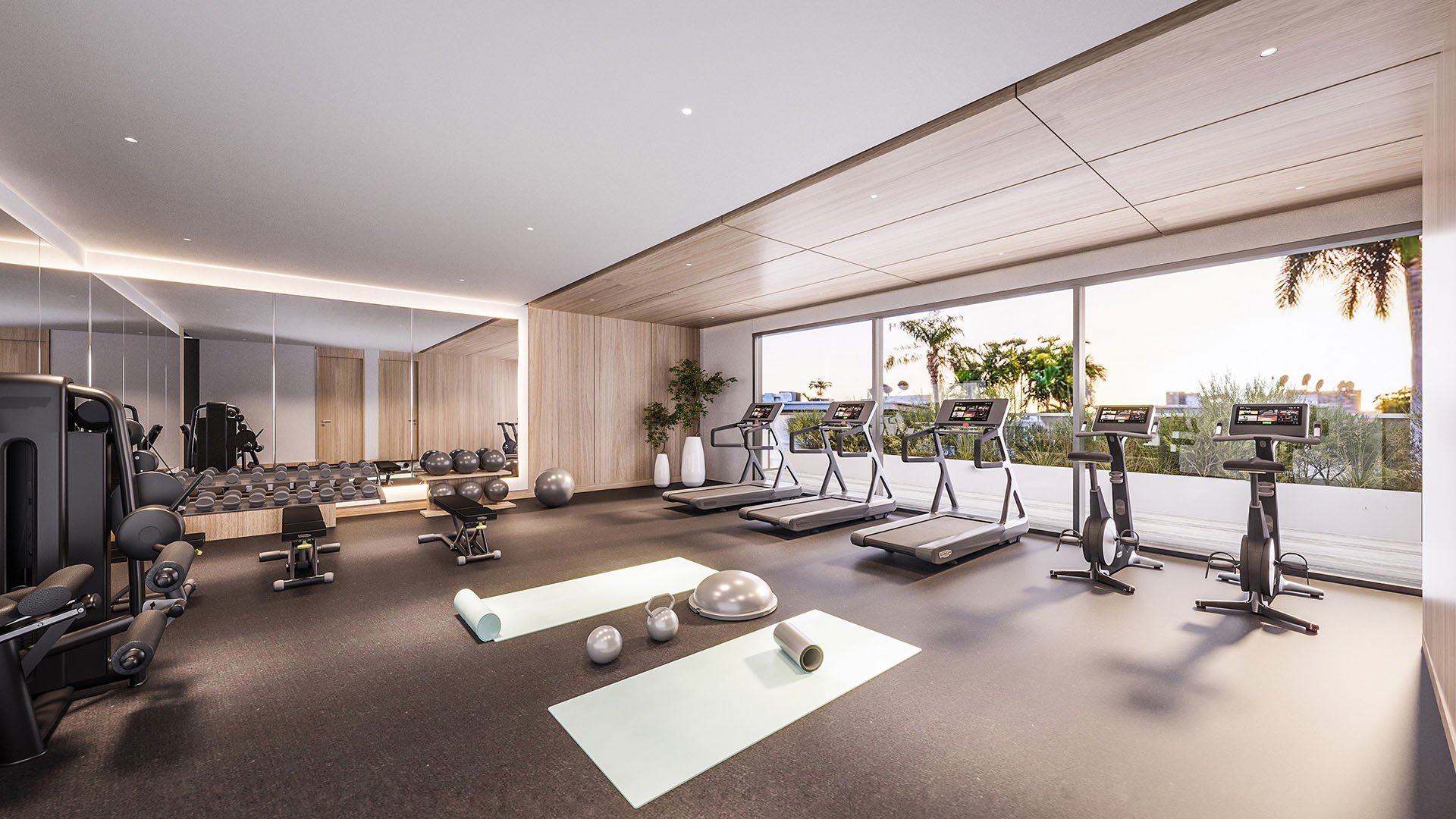
The important distinction is that neither project should be stretched into a spa-medical proposition without confirmed details. Saunas, cold plunges, hydrotherapy circuits, circadian lighting, and advanced recovery suites should not be assumed. The more useful buyer question is simpler: will the building’s setting make it easier to live the routines that keep you well?
That question also explains why nearby comparisons can be helpful. A buyer studying Bay Harbor’s wellness conversation may also look at The Well Bay Harbor Islands for a different expression of the category, while a Fort Lauderdale buyer may compare Sixth & Rio against Riva Residenze Fort Lauderdale to understand how riverfront living is being interpreted across the market.
La Baia North is strongest for the buyer who wants quiet, privacy, and a family-friendly resort-style amenity posture without the scale of a much larger tower. Its wellness credibility is not about proving a laboratory standard. It is about how Bay Harbor Islands can feel more residential, more restrained, and more restorative than many denser South Florida condo environments.
Sixth & Rio is strongest for the buyer who wants the body to stay in motion and the calendar to remain alive. Fort Lauderdale’s downtown-adjacent riverfront energy gives the project a different kind of wellness logic: social ease, active routines, and proximity to restaurants, culture, and city amenities. For Broward buyers who see convenience as a form of personal efficiency, that matters.
This is why the comparison is so useful. La Baia North asks whether a home can help its owner exhale. Sixth & Rio asks whether a home can keep its owner engaged.
Investment thinking in luxury condominiums is not limited to price trajectories or rental assumptions. It also includes the durability of buyer psychology. Wellness-by-environment has lasting appeal because South Florida’s most discerning residents continue to seek calm, privacy, and waterfront adjacency. That supports La Baia North’s emotional case.
Wellness-by-lifestyle has its own durability. Urban convenience, walkability, and access to dining and culture remain powerful for buyers who do not want a purely secluded residential pattern. That supports Sixth & Rio’s relevance within Fort Lauderdale’s more activated riverfront market.
Neither approach is inherently superior. The more precise question is which wellness story will remain true for the owner after the first year of occupancy. Prestige may bring a buyer to the table, but daily fit is what makes a residence feel intelligent.
Is La Baia North more wellness-focused than Sixth & Rio? La Baia North reads as more restorative because of its quieter Bay Harbor Islands context. Sixth & Rio reads as more active and urban.
Does either project have a confirmed WELL, Fitwel, or LEED health certification? The project facts presented do not establish either building as being marketed around a formal health-building certification.
Which project is better for air quality? Neither should be described as having clinical-grade air systems without confirmed specifications. Buyers should review filtration, ventilation, and humidity-control documentation directly.
Which address is better for recovery after travel or intense work? Buyers seeking quiet and decompression may prefer La Baia North. Buyers who recover through movement and social access may prefer Sixth & Rio.
Is Sixth & Rio too urban to be considered wellness-oriented? Not necessarily. Its wellness appeal is tied to walkability, activity, riverfront energy, and access to Fort Lauderdale’s dining and cultural ecosystem.
What makes La Baia North’s wellness case credible? Its credibility comes from setting, intimacy, and a calmer residential environment rather than from a stated clinical wellness platform.
Should buyers assume both projects have advanced recovery amenities? No. Amenities such as saunas, cold plunges, hydrotherapy, and specialized recovery rooms should be verified before being treated as part of the offering.
How should waterview expectations be evaluated? They should be checked by residence, orientation, and floor level. Neighborhood proximity to water does not automatically define every view.
Is boutique scale a meaningful wellness factor? It can be. A smaller-feeling residential environment may reduce the sense of crowding and support a more personal luxury experience.
Which project fits a buyer who wants city convenience? Sixth & Rio is the more natural fit for a buyer who prioritizes urban convenience, riverfront energy, and active social routines.
When you're ready to tour or underwrite the options, connect with MILLION.
If branded residences are on your mind — as a home or as an allocation — we would be glad to share what we are seeing, privately.
Begin a quiet conversation