A discreet buyer framework for comparing Kempinski Residences Miami Design District and Arte Surfside through rights, service, insurance, liquidity, and lifestyle fit.
Kempinski Residences Miami Design District vs Arte Surfside is the kind of comparison that can become emotional quickly. One name suggests a global hospitality sensibility set within an urban design context. The other is tied to Surfside, where privacy, scale, and coastal identity carry their own quiet force. For a serious South Florida buyer, however, the decision should not begin with branding. It should begin with control.
Control means understanding what the residence gives you beyond the private interior. It means knowing whether a waterfront claim is a view, a deeded right, a limited common element, or simply an amenity governed by association rules. It means determining whether a dockmaster is a lifestyle convenience or a meaningful operational layer. It also means studying insurance before falling in love with a lobby, a chef’s kitchen, or a hotel-style service promise.
In the current ultra-prime market, the most sophisticated purchasers are not ignoring design. They are ranking it correctly. Architecture, interiors, and name recognition shape desire. Rights, operating costs, and insurability shape ownership.
The phrase waterfront can mean several different things in a condominium context. It may refer to an oceanfront setting, a water view, beach adjacency, marina access, a seawall condition, or an association-controlled feature. A buyer comparing Kempinski Residences Miami Design District and Arte Surfside should separate romance from legal structure.
The first question is whether the water-related benefit is private, shared, licensed, assigned, revocable, or purely visual. A residence with a beautiful view may have no direct control over marine access. A building with boating infrastructure may still limit vessel size, usage hours, guest access, fueling, maintenance, or commercial use. A boat slip can be valuable, but only if its ownership or use rights are written clearly and survive resale.
The second question is whether those rights are attached to a specific unit or administered separately. Transferability matters because a future buyer will price certainty. If a right is discretionary, waitlisted, or dependent on board approval, it should not be valued like a clean, unit-specific entitlement. The distinction is especially important for investment analysis, where exit liquidity depends on how easily a purchaser can understand and underwrite the same benefit.
Dockmaster service can sound polished, but luxury buyers should define it operationally. Is the service staffed daily, seasonally, or on call? Does it cover arrivals, departures, line handling, inspections, storm preparation, guest coordination, and vendor access? Does it interface with security, valet, maintenance, and the residence team? Or is it more limited in scope?
The answer changes the ownership experience. A well-run marina environment can reduce friction for residents who use the water frequently. It can also support asset preservation by creating routines around vessel movement and severe-weather planning. But it should not substitute for reviewing rules, insurance obligations, and owner responsibilities.
For a buyer who is not a boater, dockmaster service may still matter indirectly. It can affect the building’s tone, noise profile, staffing costs, and common-area priorities. In some properties, marine operations become part of the building’s identity. In others, they remain peripheral. The right question is not whether the amenity sounds impressive. The right question is whether it aligns with how you will actually live.
In South Florida, insurance clarity has become one of the most important forms of luxury. A buyer should review the association’s master insurance structure, deductibles, exclusions, flood-related treatment, windstorm exposure, reserves, self-insured layers, and the division of responsibility between the association and the individual owner.
This is not simply a closing checklist. It is a value question. Two residences with similar asking prices can carry very different risk profiles if their insurance framework, association budget, or potential assessment exposure differs. The more complex the amenity program, waterfront condition, or building operation, the more important this review becomes.
Insurance clarity also affects financing conversations, future resale, and peace of mind. Buyers should ask how premiums are handled in the budget, whether recent or projected increases have been contemplated, and how deductibles would be allocated after a covered event. Elegant branding cannot compensate for ambiguity here. A building that communicates its risk structure clearly may feel less dramatic at first glance, but it can be more reassuring to own.
Kempinski Residences Miami Design District and Arte Surfside point to different daily rhythms. The Design District comparison is about proximity to design, dining, fashion, galleries, and an urban cultural circuit. It appeals to a buyer who wants energy, curation, and access without necessarily defining the purchase through beachfront utility.
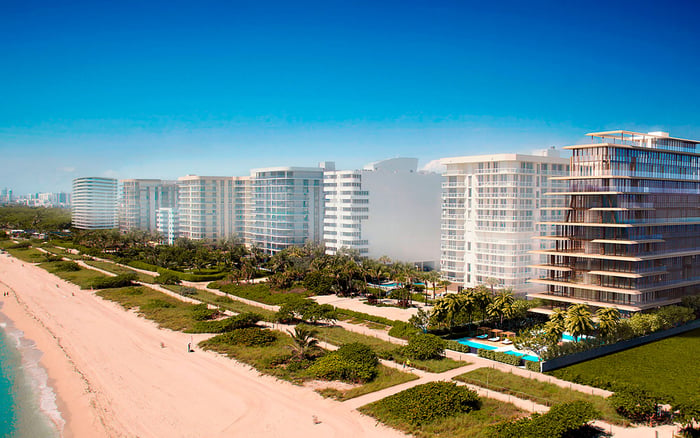
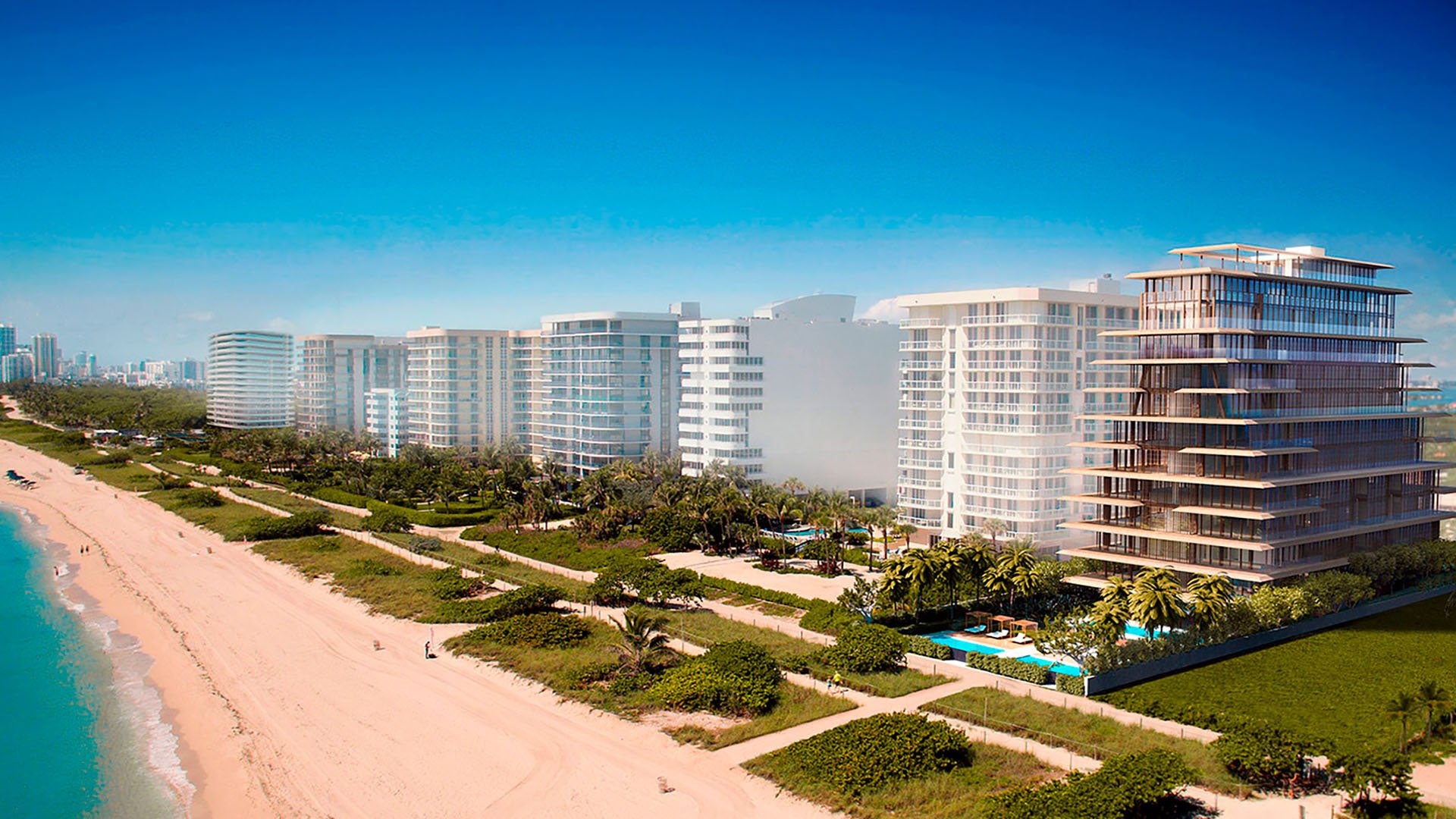
Surfside offers a different lens. Arte Surfside sits in the conversation around privacy, low-key coastal living, and the quieter side of Miami luxury. The buyer here may prioritize arrival discretion, a beach-oriented routine, and a residential mood that feels removed from the city’s more performative districts. Surfside is not merely a location tag. It is a lifestyle filter.
Neither direction is inherently superior. The superior choice is the one whose rights and obligations match the buyer’s use case. A seasonal owner may care most about management ease and insurance predictability. A full-time resident may care more about service consistency and neighborhood rhythm. A boater may prioritize rules and access. A design collector may prioritize urban adjacency and social texture.
Start with the documents, then return to the dream. Ask for the condominium declaration, bylaws, rules and regulations, budget, reserve information, insurance summaries, and any documents governing waterfront or boating access. If a sales presentation uses phrases such as exclusive, private, assigned, or available, those words should be reconciled with written instruments.
Next, price the difference between visual luxury and functional luxury. Visual luxury is what you see in renderings, finishes, and arrival sequences. Functional luxury is what remains after the first year of ownership: predictable costs, clear rights, responsive staffing, and a building culture that suits your life.
Then evaluate resale language. If you were selling the residence in five years, how would you describe its most important advantages without overpromising? If the answer requires too many qualifications, the market may apply a discount. If the answer is simple, documented, and easy to verify, the asset may hold attention more efficiently.
Finally, test the brand. A respected name can elevate confidence, design discipline, and service expectations. But it should not be the reason to overlook unclear docking rights, vague maintenance responsibilities, or insurance questions that remain unresolved. In this comparison, branding is the frame, not the foundation.
The more expensive the residence, the less tolerance there should be for ambiguity. Kempinski Residences Miami Design District may attract a buyer who values urban sophistication, cultural access, and a hospitality-inflected lifestyle. Arte Surfside may attract a buyer weighing coastal privacy, water-adjacent living, and the quiet prestige of Surfside. The decision should be made through documents, not adjectives.
If waterfront rights are central to the purchase, verify their nature and transferability. If dockmaster service is part of the appeal, define its scope and cost. If insurance feels complicated, slow down until the exposure is legible. In the best purchases, beauty and clarity are not competing ideas. They reinforce each other.
Is the better choice simply the better-known brand? No. Brand can shape service expectations, but ownership value depends on rights, costs, insurance clarity, and fit.
Why are waterfront rights so important? Because a view, an amenity, and a transferable legal right can have very different resale and lifestyle value.
Should a non-boater care about dockmaster service? Yes, because marine operations can influence staffing, costs, noise, security protocols, and the building’s culture.
What should buyers ask about a boat slip? Ask whether it is deeded, assigned, licensed, transferable, size-restricted, waitlisted, or subject to board approval.
How does insurance affect a luxury condo purchase? Insurance affects carrying costs, financing comfort, assessment risk, and future buyer confidence.
Is Surfside mainly a lifestyle decision? Surfside is a lifestyle decision, but it should still be underwritten through documents, rules, and association obligations.
Can oceanfront appeal outweigh higher complexity? It can for the right buyer, but only when rights, insurance, and maintenance exposure are fully understood.
What makes marina access valuable? Value comes from clear use rights, operational quality, vessel compatibility, staffing, and transferability at resale.
How should investment buyers approach this comparison? They should prioritize document clarity, predictable costs, and advantages that can be explained easily to a future buyer.
What is the most important due diligence step? Align every lifestyle claim with the governing documents before assigning value to it.
If you'd like a private walkthrough and a curated shortlist, connect with MILLION.
If branded residences are on your mind — as a home or as an allocation — we would be glad to share what we are seeing, privately.
Begin a quiet conversation