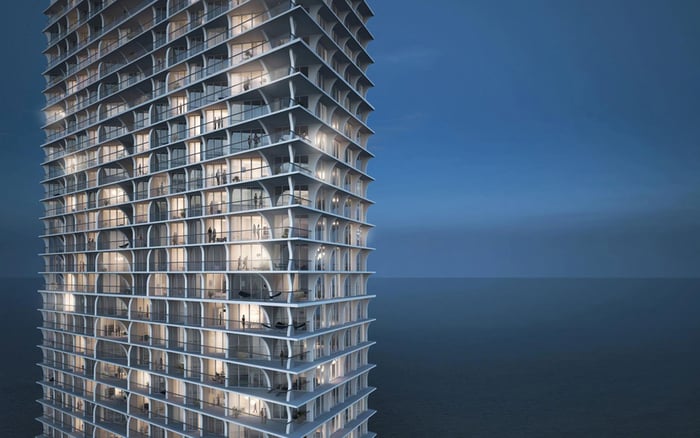
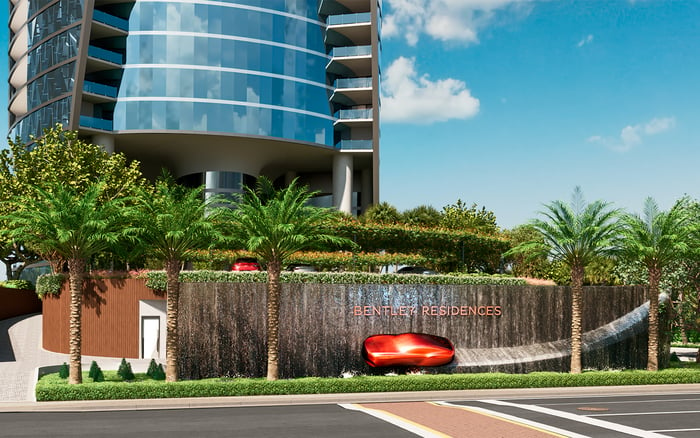
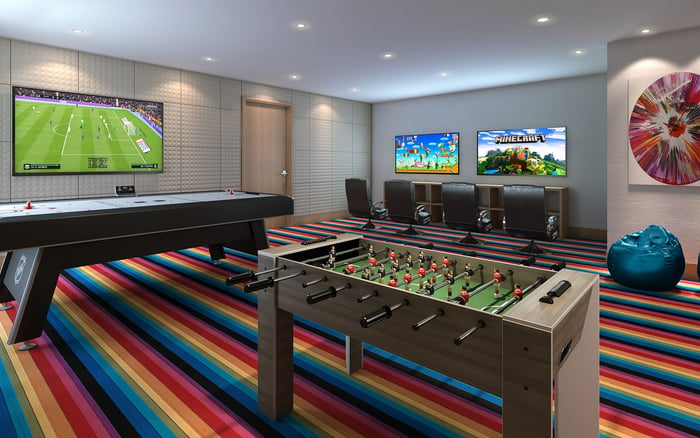
A buyer-oriented look at why battery-backup options can become a discreet luxury amenity at Jade Signature Sunny Isles Beach, focused on comfort continuity, asset protection, and confidence during grid disruptions.
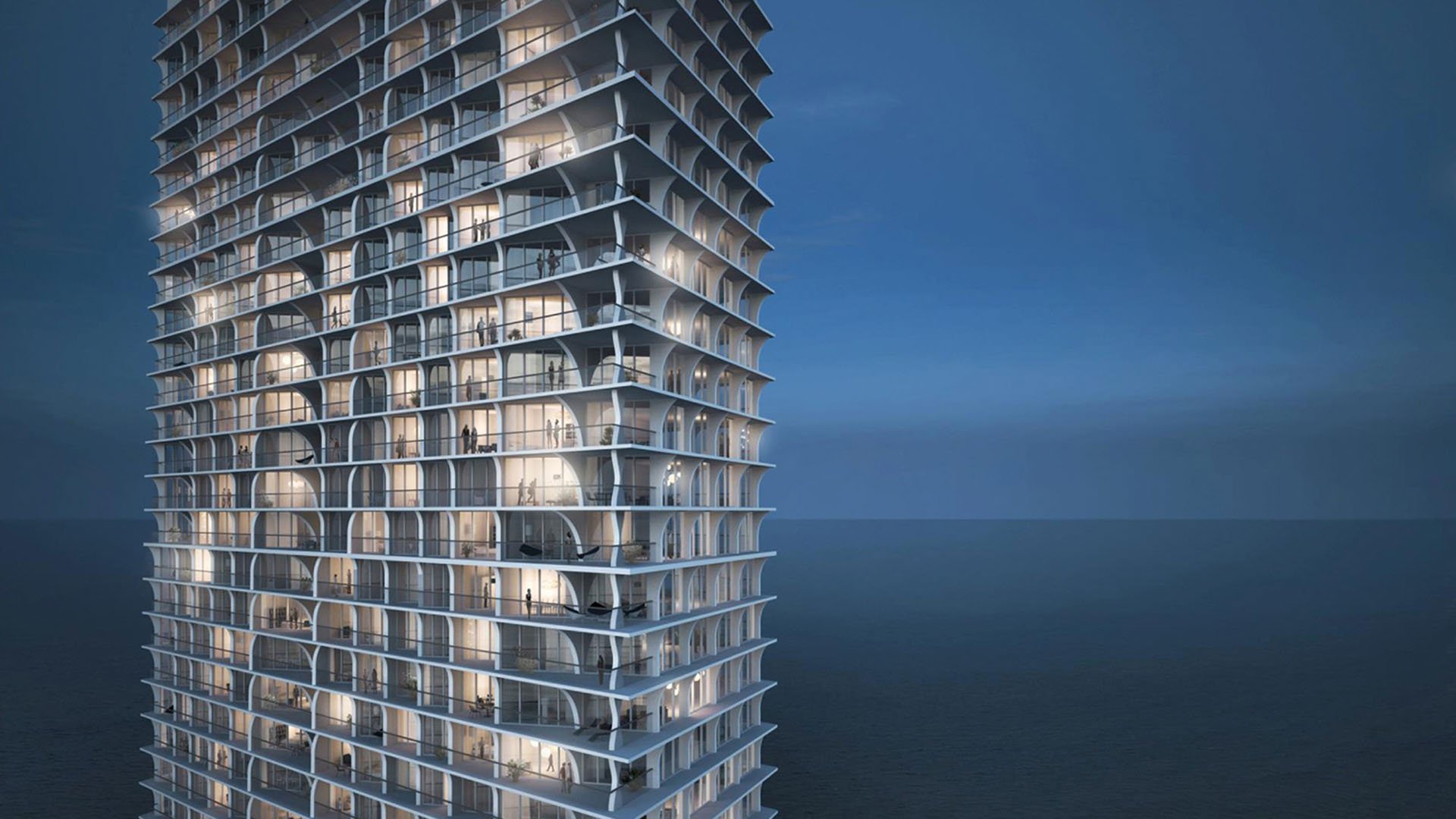
At the highest end of South Florida condominium living, luxury is increasingly defined by what residents never have to notice. The best service is anticipatory. The best technology is invisible. The best building performance holds its composure when the outside world becomes less predictable.
That is the quiet luxury case for battery-backup options at Jade Signature Sunny Isles Beach. The point is not to suggest that battery systems are already part of the building’s confirmed infrastructure. The more useful question is strategic: in an ultra-luxury oceanfront tower, should battery-backed resilience be considered a premium amenity in the same conceptual family as private elevators, wellness programming, security, and concierge-level service?
For affluent buyers, especially those who divide time across cities and countries, backup power is no longer only a life-safety or code-compliance topic. It is about comfort continuity. If a storm, grid disruption, or localized outage interrupts normal service, the luxury expectation is not merely that a building remains habitable. It is that the experience remains calm, protected, and materially uncompromised.
Jade Signature Sunny Isles Beach sits within one of South Florida’s most concentrated ultra-luxury condo corridors, where towers compete on architecture, oceanfront presence, service, technology, and perceived resilience. In this context, the conversation around backup power becomes more refined than a simple checklist item.
Sunny Isles Beach buyers are not just purchasing square footage. They are buying a managed lifestyle at elevation, with water views, private arrival sequences, high-service common areas, and a high expectation of operational polish. For a second-home owner on high floors, the anxiety is often not the inconvenience of being present during an outage. It is the uncertainty of being away while interiors, finishes, climate control, connectivity, water systems, elevators, and security may be affected.
That makes Jade Signature a compelling lens. It represents the category of property where resilience can become a discreet premium: not loud, not industrial, and not marketed as fear. Instead, it can be framed as confidence, preservation, and seamlessness.
Traditional backup power in high-rise residential buildings has often been associated with diesel-generator redundancy. Residents may expect some form of emergency capability, particularly for essential systems. Yet generators are not the end of the conversation. They can be noisy, mechanically intensive, and tied to a more utilitarian idea of resilience.
Battery backup changes the tone. Its most elegant luxury application is layered, nearly silent, visually discreet, and largely invisible until needed. The resident does not need to understand the technical architecture to appreciate the outcome. Elevators continue for critical movement. Connectivity is preserved where designed. Security systems remain composed. Water systems and selected comfort loads can be prioritized. The building feels less interrupted.
This is where the amenity argument becomes powerful. A spa, a private dining room, or a wellness suite is designed around how residents feel in ordinary moments. Battery-backed resilience is designed around how residents feel in extraordinary ones. In both cases, the luxury product is composure.
For a property like Jade Signature, the battery-backup conversation can take more than one form. A building-level system can support association priorities and shared critical infrastructure. A unit-level solution can address individual owner preferences, especially where protecting climate control, select circuits, or sensitive interiors is a priority.
Neither path should be treated casually. In a luxury condominium, the best resilience strategy would need to respect architecture, mechanical spaces, life-safety requirements, association governance, maintenance obligations, and the practical limits of what batteries can and cannot power. The most credible case is not for an unrealistic promise of whole-building normalcy under every condition. It is for a curated hierarchy of critical services.
That hierarchy matters. Air conditioning may protect more than comfort in South Florida. It may help preserve interiors, art, millwork, wardrobes, technology, and other valuable personal property. Connectivity is not merely convenience for globally mobile owners. It is a bridge to remote management and reassurance. Elevators, water systems, and security define whether a high-rise continues to feel premium when conditions are strained.
Battery-backup options in an ultra-luxury condominium should be assessed through a risk-reduction lens. In a high-value association, system costs can be evaluated across the scale of the property and the value of the assets being protected. That does not make the decision automatic. It does make the analysis more sophisticated than a simple expense line.
For an investment-minded buyer, confidence is part of value. A building that can articulate a serious approach to resilience may support stronger owner conviction, cleaner resale storytelling, and a more durable sense of premium positioning. It may also become part of broader discussions around asset protection and insurance posture, though any specific financial benefit would require verification by the appropriate professionals.
The key is restraint. Quiet luxury does not oversell. It does not turn battery capacity into a boast. It presents resilience as part of a complete ownership experience, aligned with design, discretion, and continuity.
A discerning buyer evaluating battery-backup options at Jade Signature Sunny Isles Beach should begin with practical questions. Which systems would be prioritized during an outage? How long could selected services be supported under realistic conditions? Would the solution be association-wide, unit-specific, or layered? How would it integrate with existing emergency-power infrastructure? Who maintains it, monitors it, and funds replacement over time?
These questions are especially relevant in a dense oceanfront corridor where perceived performance can influence buyer confidence. Sunny Isles, as a market shorthand, increasingly means more than beach access and skyline presence. It means the expectation that a tower can perform with the poise of a private club, even when external conditions test it.
The strongest battery-backup strategy is not the most visible one. It is the one residents rarely think about, because it has been planned with enough discipline to become part of the building’s background intelligence.
The appeal of Jade Signature’s battery-backup conversation is that it reframes resilience as a luxury language. It is not about panic. It is not about gadgetry. It is about protecting the serenity buyers paid for in the first place.
In South Florida’s ultra-premium condominium market, the next generation of amenities may be less theatrical than the last. Some will be sensed only in the absence of disruption: a cool residence, a functioning elevator, a secure lobby, a connected owner, a building that remains composed. At that level, battery backup is not simply infrastructure. It is discretion made operational.
Does Jade Signature Sunny Isles Beach have confirmed battery backup installed? Jade Signature is being used here as a case study for battery-backup options, not as confirmation of an installed system.
Why would battery backup matter in a luxury condominium? It can help preserve comfort continuity and critical services during outages, aligning with high-end expectations for seamless living.
Is battery backup a replacement for a generator? Not necessarily. The strongest approach may be layered, with batteries complementing other emergency-power infrastructure.
Which services matter most during an outage? The strongest case focuses on air conditioning, connectivity, water systems, elevators, and security.
Why is this relevant for second-home owners? Intermittent occupancy can make owners more concerned about climate control, interior finishes, and property protection when they are away.
Could battery backup influence resale confidence? A sophisticated resilience strategy may support buyer confidence and premium positioning, though specific pricing effects require professional validation.
Should backup power be building-level or unit-level? Both are possible pathways, depending on association goals, owner preferences, infrastructure, and technical feasibility.
Is quiet operation part of the luxury value? Yes. A nearly silent, discreet system fits the quiet luxury idea better than visibly industrial solutions.
What should buyers request before relying on any backup claim? Buyers should review association materials, engineering details, maintenance obligations, and any confirmed scope of supported systems.
Why use Jade Signature as the example? Its ultra-luxury oceanfront setting makes it a useful lens for how resilience can become a discreet premium amenity.
For a discreet conversation and a curated building-by-building shortlist, connect with MILLION.
If branded residences are on your mind — as a home or as an allocation — we would be glad to share what we are seeing, privately.
Begin a quiet conversation