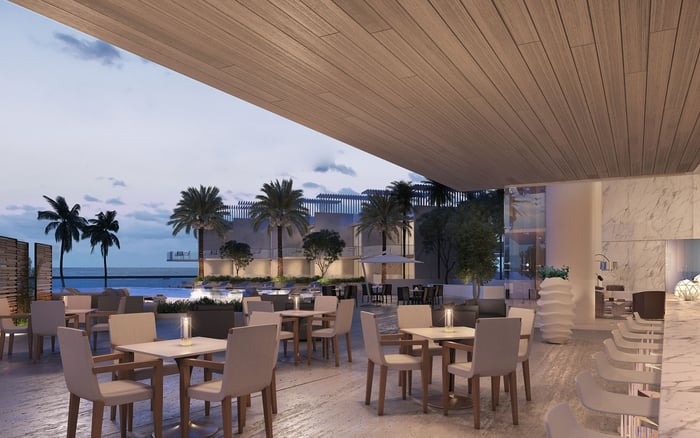
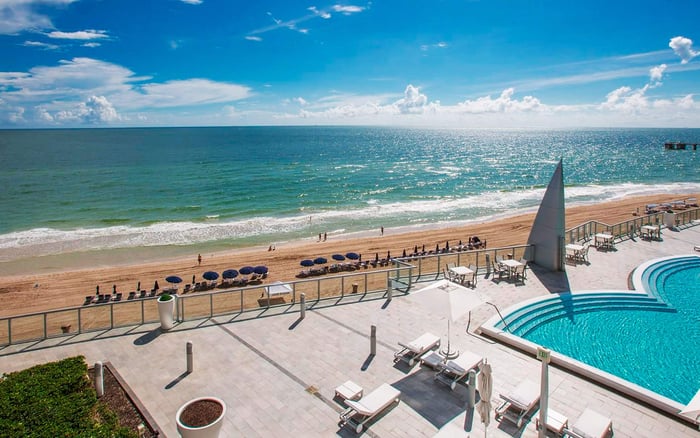
A buyer-focused editorial analysis of Jade Signature Sunny Isles Beach and why pool-equipment noise, if raised in diligence, should be evaluated through ownership documents, mechanical placement, amenity use, and resale expectations rather than treated as a simple maintenance complaint.
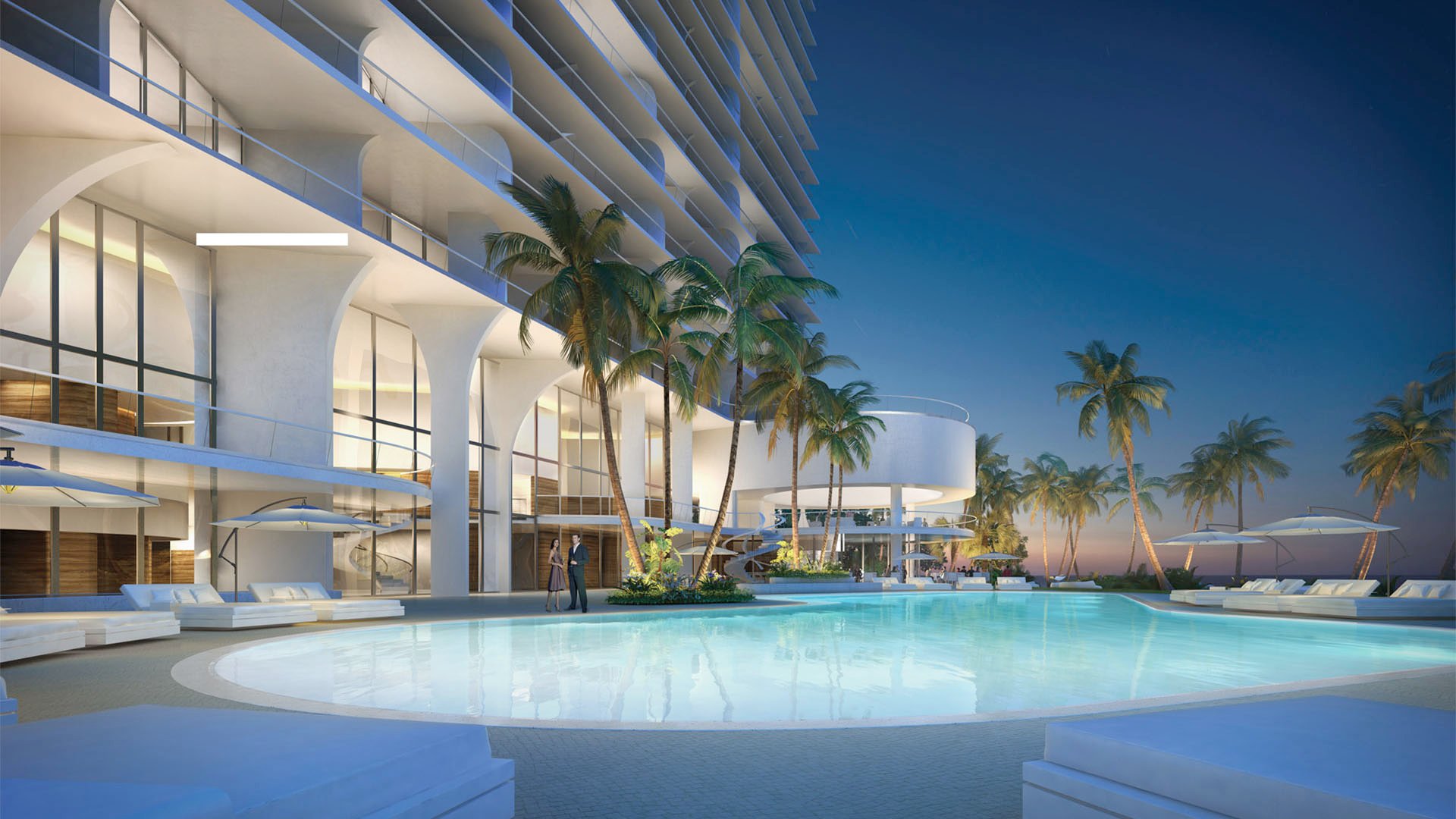
Jade Signature Sunny Isles Beach occupies a distinct place in the luxury condominium imagination: an oceanfront tower where architecture, beachfront living, and resort-style amenities are central to the ownership proposition. In a building where outdoor leisure is not peripheral but defining, the pool is more than a shared convenience. It is part of the daily rhythm, the arrival experience, and the value narrative buyers expect when purchasing on the sand in Sunny Isles Beach.
That is why the ownership question behind pool-equipment noise deserves more careful treatment than a casual maintenance complaint. The issue is not simply whether a pump, motor, fan, or support system can be heard at a given moment. The more important buyer question is how pool-related infrastructure is classified, controlled, maintained, and positioned in relation to private interiors, terraces, and amenity areas.
This should not be read as a verified defect claim against Jade Signature. The stronger and fairer frame is diligence. In any ultra-premium condominium, the systems that support a polished amenity can become relevant to private enjoyment if their placement, vibration, cycling, or enclosure affects the way owners experience their homes.
At an oceanfront condominium, the pool deck carries both emotional and financial weight. It supports the image of an effortless beachfront life: morning swims, shaded lounging, the sound of the Atlantic, and a hospitality-level outdoor environment. For Jade Signature, that lifestyle language is inseparable from the broader resort-style positioning of the property.
Yet pools require infrastructure. Behind the visual calm are pumps, filtration systems, heaters, controls, mechanical rooms, service corridors, drains, exhaust paths, and maintenance access points. These are not glamorous details, but they are the details that keep the amenity operating. In a luxury setting, the question is whether those systems remain discreet enough to preserve the serenity the amenity is meant to deliver.
Location is the critical variable. A piece of pool equipment placed far from residences may be operationally unremarkable. The same equipment located near a bedroom wall, terrace, cabana zone, or quiet seating area can take on a different character. Sound, vibration, resonance, and operating schedules all matter because luxury buyers are not only buying square footage. They are buying quiet, privacy, and composure.
For a condominium buyer, the first question is not who dislikes the noise. It is who owns, controls, and is responsible for the equipment. Condominium documents typically determine whether a component is treated as a common element, limited common element, association-maintained component, or another category. That classification can influence who may inspect it, who may authorize work, who pays for mitigation, and which approval process applies.
No legal conclusion should be drawn without reviewing the recorded declaration, exhibits, maintenance records, permits, and any association materials that speak directly to the pool systems. In practice, a buyer should ask counsel and inspectors to identify where the relevant equipment sits, what space it serves, whether it is dedicated to the shared pool environment, and whether its operation has any documented relationship to nearby residences.
This is especially important in buildings where shared amenities and private living spaces sit close together. A pool can be communal while its operational impact is felt unevenly. One residence may never register the system. Another may be close enough to hear cycling equipment or feel vibration under certain conditions. Ownership analysis helps turn a subjective concern into a structured review.
The most useful diligence begins with documents and continues with observation. Buyers should request the condominium declaration and recorded exhibits, then have them reviewed for references to pool equipment, mechanical rooms, access easements, maintenance obligations, and repair authority. They should also ask whether maintenance records, service contracts, permits, or board materials address pool-related systems.
A physical walkthrough should be equally disciplined. Visit the relevant amenity areas and, if possible, the residence under consideration at different times of day. Listen near bedrooms, primary living spaces, terraces, elevator corridors, and outdoor seating areas. Mechanical systems often sound different depending on wind, humidity, occupancy, and operating cycles.
Questions should be precise. Where is the pool equipment located relative to the unit? Is it enclosed? Has any acoustic treatment been installed? Are there regular service intervals? Does the equipment cycle overnight? Who has authority to modify, repair, or replace it? Has the association budgeted for maintenance or upgrades? These are practical questions, not adversarial ones.
In buyer shorthand, this is a Sunny Isles Beach oceanfront condominium diligence issue. The phrasing may sound technical, but the underlying concern is straightforward: does the building’s operational backbone support the luxury experience without intruding on it?
The highest end of the South Florida condominium market is increasingly sensitive to sensory quality. Views, ceiling heights, finishes, and service remain essential, but acoustics and privacy are now part of the same conversation. A buyer who pays for oceanfront calm will evaluate anything that interrupts that calm more seriously than a buyer in a purely utilitarian building.
That does not mean pool-equipment noise is automatically a material problem. It means buyers should understand the condition before they inherit it. If the equipment is properly located, well maintained, and acoustically managed, the issue may be addressed cleanly in diligence. If documentation is unclear or the location is unusually close to a residence, the buyer may need deeper review before waiving contingencies.
For sellers, the lesson is similar. Clear records, responsive maintenance, and transparent answers can prevent a minor question from becoming a negotiation obstacle. In a tower whose appeal rests on oceanfront resort living, confidence around the pool environment supports confidence around the home itself.
Jade Signature’s appeal is rooted in the combination of architecture, oceanfront setting, and leisure-oriented living. The pool environment is part of that promise, which is precisely why the systems behind it deserve attention. A refined amenity experience depends not only on design but also on the quiet competence of the mechanical infrastructure that serves it.
The ownership question behind pool-equipment noise is therefore not a niche technicality. It is a buyer protection issue, a resale issue, and a quality-of-life issue. The right approach is neither alarmist nor dismissive. It is disciplined: identify the equipment, locate it, classify it, review the maintenance history, and understand who has the authority to solve any concern that may arise.
Is Jade Signature a luxury condominium in Sunny Isles Beach? Yes. Jade Signature is positioned as a luxury oceanfront condominium tower tied to resort-style living.
Is this article saying Jade Signature has a confirmed pool-equipment defect? No. The issue is framed as a buyer diligence question, not as a verified defect claim.
Why does pool-equipment noise matter in a luxury condominium? It can affect quiet enjoyment, terrace use, and the perceived serenity of an oceanfront residence.
What is the first document a buyer should review? The condominium declaration and its recorded exhibits are the starting point for ownership and maintenance obligations.
Can a shared pool create a private-unit concern? Yes. A shared amenity can have mechanical systems located close enough to affect certain residences more than others.
What should buyers listen for during a showing? Buyers should listen for hum, vibration, cycling, or resonance near bedrooms, living areas, terraces, and amenity spaces.
Who is typically responsible for pool equipment in a condominium? Responsibility depends on the governing documents and should be confirmed before relying on any assumption.
Can acoustic treatment resolve pool-equipment noise? It may help in some situations, but feasibility depends on equipment location, enclosure, access, and approval rights.
Should sellers prepare for this question? Yes. Clear maintenance records and practical answers can reduce uncertainty during resale negotiations.
What is the safest buyer approach? Treat the issue as structured diligence: identify, locate, document, and understand control before closing.
For a confidential assessment and a building-by-building shortlist, connect with MILLION.
If branded residences are on your mind — as a home or as an allocation — we would be glad to share what we are seeing, privately.
Begin a quiet conversation