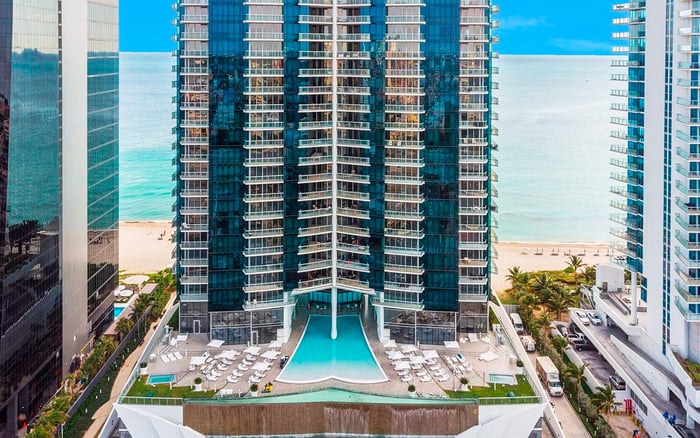
A buyer-focused look at Jade Ocean as a case study in pool-to-residence convenience, privacy, wellness adjacency, and the daily friction that shapes luxury condo living in 2026.
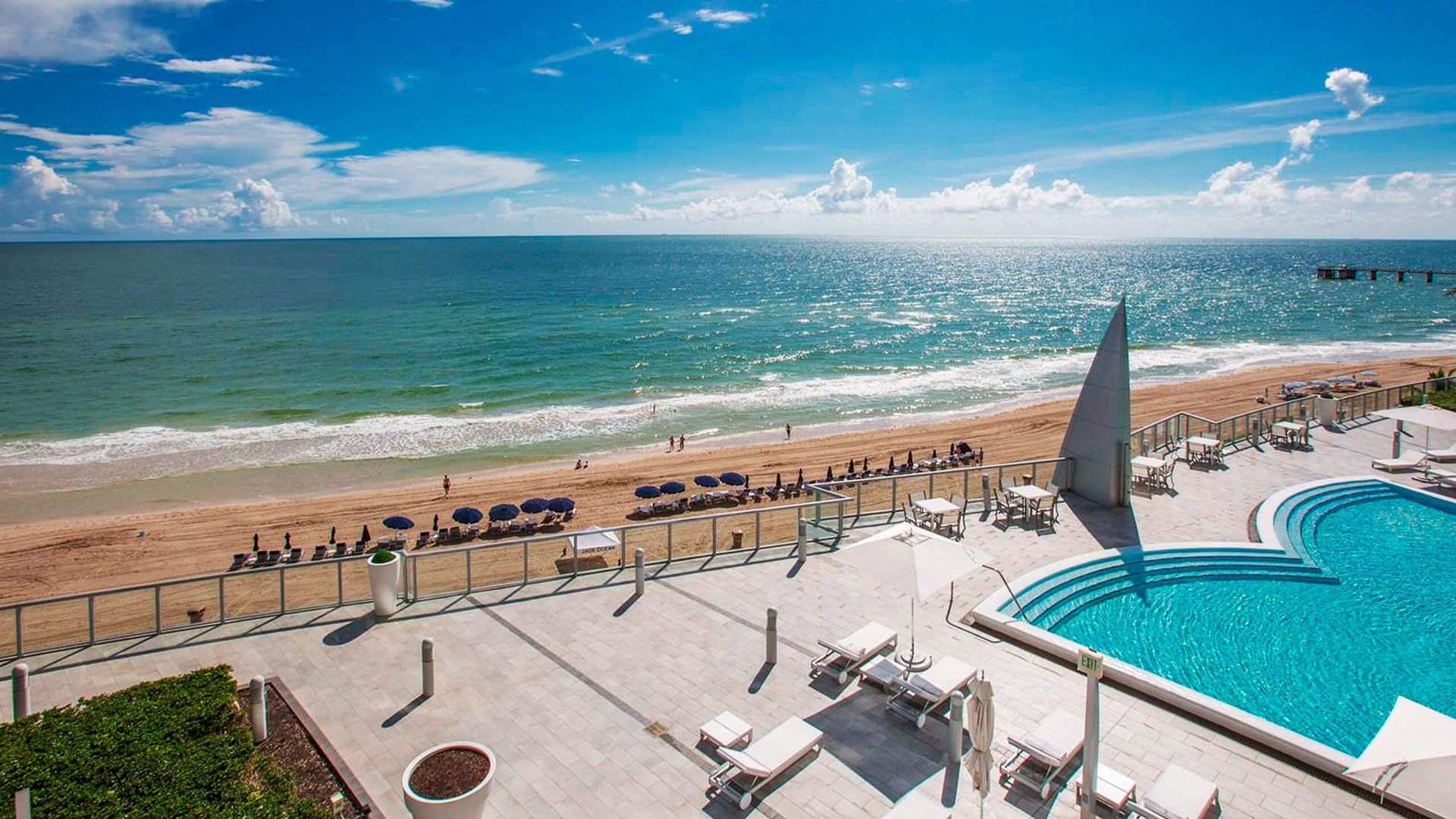
Jade Ocean Sunny Isles Beach is best evaluated through a practical ownership lens: how easily does daily life move from a private residence to the pool experience? For a 2026 buyer, that question can be more revealing than a polished first impression because it tests how the property may feel during ordinary use.
Amenity value has become increasingly experiential. A pool can be visually impressive, but the buyer who expects to use it regularly will judge something more precise. The route matters. The transitions matter. The degree of exposure matters. The difference between a graceful, intuitive sequence and a route that feels interrupted can shape whether the amenity becomes part of daily life.
This makes Jade Ocean a useful case study in convenience rather than a broad market claim. Buyers should walk the actual path, notice the sequence, and verify how any pool, wellness, fitness, valet, or concierge components that matter to them fit into the routine. The key question is whether those features feel connected to daily living or like separate destinations that require planning.
In buyer shorthand, this is where the topic touches several lifestyle categories at once: Sunny Isles, pool use, beach access, privacy, and resale-minded evaluation. The labels are useful only if the showing confirms that the lived experience matches the promise.
The most useful showing exercise is simple: start at the residence door and walk the route to the pool without rushing. Do not begin in the lobby. Do not begin from the valet area. The buyer is not testing arrival theater. The buyer is testing ordinary ownership.
The first observation is elevator dependency. Most high-rise condominium living naturally involves vertical movement, but the quality of that movement varies by layout, traffic patterns, privacy, and how connected the elevator sequence feels to the amenity level. A buyer should notice whether the path feels residential or public, whether the transition from elevator to amenity area is direct, and whether the experience preserves the sense of discretion expected in a luxury setting.
The second observation is corridor and lobby exposure. If the route requires passing through heavily trafficked common areas, the pool experience may feel less private, especially when residents are in swimwear, carrying towels, or returning from the deck. A polished lobby can be valuable, but it is not always the ideal daily threshold between a residence and a pool routine.
The third observation is outdoor deck movement. Once outside, the question becomes orientation. Is the pool area easy to understand at a glance? Is the path intuitive? Does it feel calm, or does it require navigating around seating zones, service areas, or other shared spaces? These are not criticisms by default. They are the small design realities that separate a resort-style amenity one admires from an amenity one uses.
In South Florida, water-oriented living is a central part of the luxury residential conversation. The pool is not merely an amenity photo; it can be a daily reset, a place for morning laps, afternoon sun, family time, guests, or quiet recovery after travel and work.
That is why convenience carries emotional weight, even without reducing the discussion to unsupported pricing claims. A buyer who can move easily from residence to pool is more likely to integrate the amenity into daily life. A buyer who must plan the route, time the elevator, cross public areas, or manage awkward transitions may use the same amenity less often.
The point is not that every residence must have private pool access. In a high-rise condominium, shared amenities are part of the social and architectural vocabulary. The point is that luxury buyers in 2026 are more sensitive to friction. They expect wellness, privacy, service, and convenience to work together.
At Jade Ocean, the pool route should be evaluated within that broader standard. If the service layer feels polished but the daily path to the pool feels indirect, the buyer should notice. If the route feels composed, discreet, and easy to repeat, that becomes part of the property’s lived appeal.
A serious buyer should ask practical questions while walking, not after the fact. Where do residents typically exit for the pool? Are there alternative routes depending on the residence stack or elevator bank? Does the path change when returning from the beach or other amenities? How does the sequence feel during busier periods?
The goal is not to extract a universal answer. The goal is to understand the buyer’s own routine. A year-round resident may care about daily convenience more than an occasional second-home owner. A family may focus on towel, toy, and stroller logistics. A wellness-oriented buyer may care about the triangle connecting residence, fitness, recovery, and pool use. A privacy-driven buyer may care most about avoiding high-visibility zones.
Buyers should also observe the return journey. Many tours emphasize the way out to the amenity, but the way back can be more revealing. Returning from the pool means wet hair, sandals, coverups, sun exposure, and perhaps children or guests. The most elegant buildings make that return feel normal, not conspicuous.
In this sense, the pool-to-residence test is a lifestyle audit. It is not about stopwatch precision or claimed distances. It is about whether the path supports the way the buyer wants to live.
Newer luxury condominium design has made buyers more alert to the choreography of amenity access. Wellness areas are often conceived as part of a holistic residential circuit, with movement between fitness, spa, outdoor water, and private residence treated as a core design experience. That expectation now influences how buyers read established properties as well.
Jade Ocean should be evaluated against that evolving standard carefully and fairly. The relevant buyer question is not whether it resembles every newer building. It is whether its own circulation, service, and amenity sequence feel sufficiently frictionless for the owner’s intended use.
For some buyers, the answer may be yes because the property’s setting, pool environment, and service rhythm align with their lifestyle. For others, the route itself may become a deciding factor. Both conclusions can be rational. Luxury is personal, and convenience is often where personal preference becomes most visible.
The more sophisticated approach is to resist generic claims. Do not assume that a prominent Sunny Isles Beach address automatically delivers the right daily sequence. Do not assume that a newer building automatically solves every privacy issue. Walk, observe, repeat, and imagine the ordinary Tuesday rather than the first tour.
Jade Ocean offers a focused lens for one of the most important 2026 luxury-condo questions in Sunny Isles Beach: does the amenity experience feel as elegant in daily motion as it appears in presentation?
For pool-focused buyers, the answer depends on the details of circulation. Elevator travel, shared corridors, lobby-area traversal, outdoor deck movement, and the relationship between pool use and the rest of the daily routine all deserve attention. The strongest test is physical and immediate. Stand in the residence. Walk to the pool. Return as if you already live there.
If the route feels natural, the pool becomes part of the home’s rhythm. If it feels exposed or inconvenient, the buyer has learned something essential before making a commitment.
What is the main buyer test at Jade Ocean in 2026? Walk from the residence to the pool and back, observing privacy, ease, and every transition along the route.
Why does pool-to-residence convenience matter? A pool that is easy to reach is more likely to become part of daily life rather than an occasional amenity.
Should buyers focus on exact walking times? No. The better test is how the route feels, including elevator use, corridors, lobby areas, and deck movement.
Is this article making pricing claims about Jade Ocean? No. This is a buyer-facing lifestyle and convenience evaluation, not a claim about discounts, premiums, or pricing.
Which amenities should buyers consider with the pool route? Buyers should consider the amenities they personally expect to use and how those areas connect to the residence-to-pool sequence.
Does lobby traversal affect the pool experience? It can. Some buyers prefer a more discreet route when moving between a residence and pool amenities.
How should second-home buyers think about the route? They should imagine arrival days, guests, beach returns, and whether the pool feels easy to use without planning.
Can an established building still meet 2026 expectations? Yes, if its circulation, privacy, service, and amenity sequence align with the buyer’s lifestyle priorities.
What is the most important showing advice? Begin at the residence door, not the lobby, and experience the pool route exactly as an owner would.
What is the best way to shortlist comparable options for touring? Start with location fit, delivery status, and daily lifestyle priorities, then compare stacks and elevations to validate views and privacy.
For a tailored shortlist and next-step guidance, connect with MILLION.
If branded residences are on your mind — as a home or as an allocation — we would be glad to share what we are seeing, privately.
Begin a quiet conversation