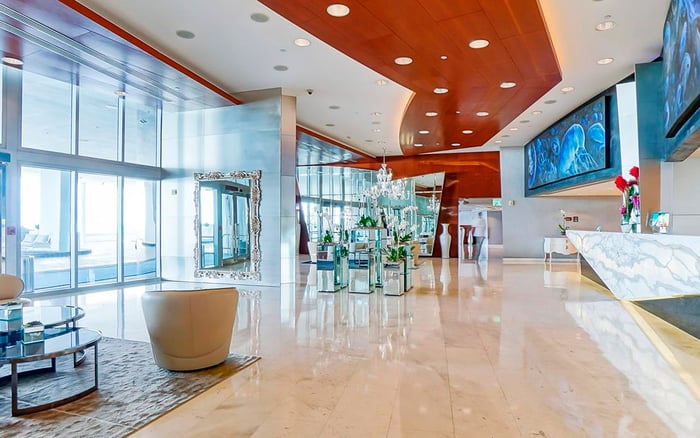
A buyer-focused look at how package-room capacity affects daily life, seasonal ownership, grocery delivery, security, and operational due diligence at Jade Ocean Sunny Isles Beach.
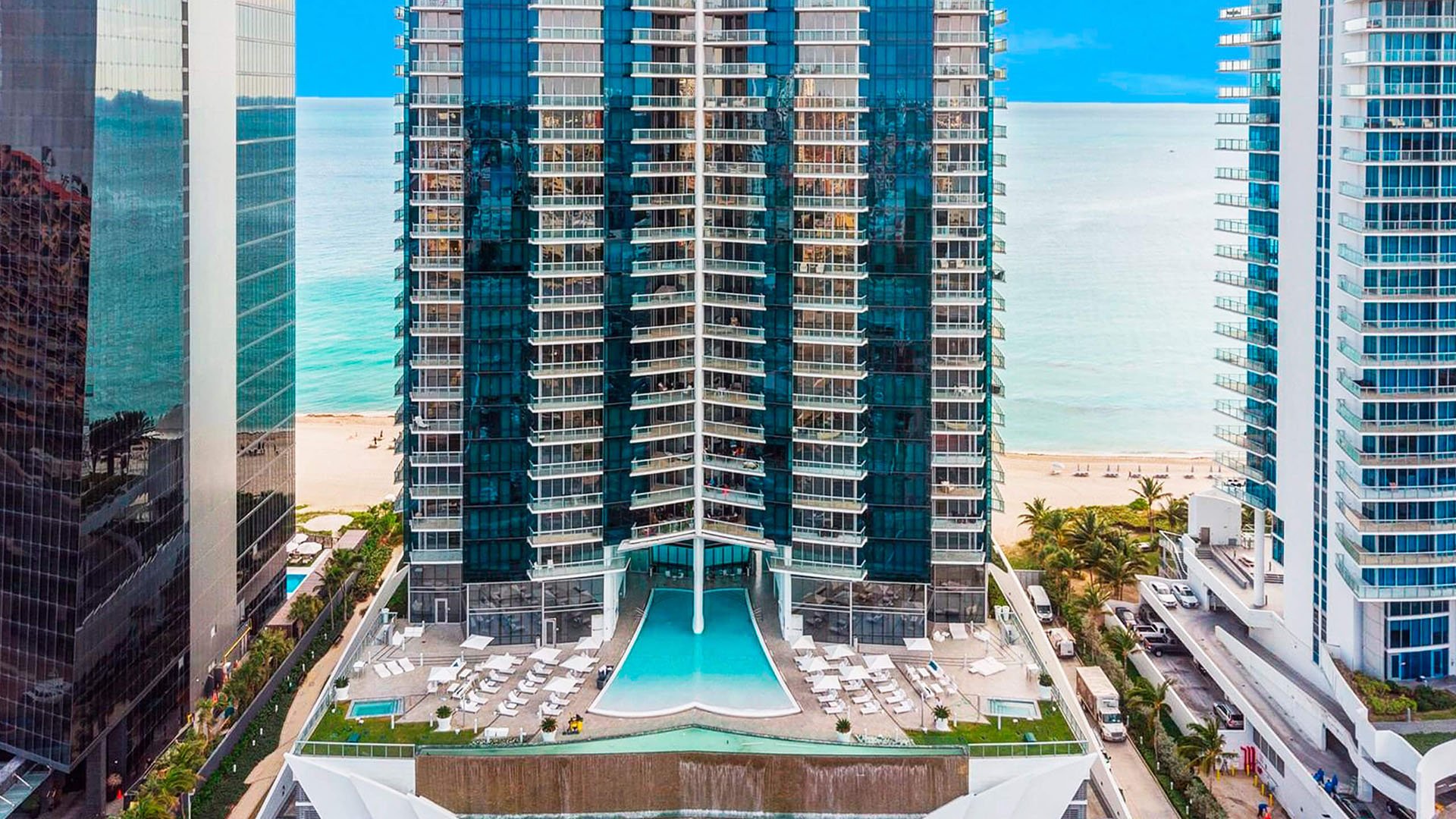
At Jade Ocean Sunny Isles Beach, package-room capacity is more than a service-corridor detail. For many luxury households, it is part of the daily rhythm of ownership: groceries, designer retail, documents, wine shipments, meal kits, pet supplies, children’s items, and last-minute courier deliveries all pass through the building before they ever reach the residence. When the system works elegantly, residents barely notice it. When it strains, the impact can be immediate: delayed parcels, lobby overflow, misplaced items, and avoidable calls to management.
Sophisticated buyers increasingly treat package handling as a lifestyle question, much like elevator performance, valet flow, beach access, or fitness amenity scheduling. A residence may be architecturally compelling, but the household still depends on operational details that support a frictionless day. That is especially true in an oceanfront market where residents may move between primary homes, yachts, offices, airports, and seasonal stays with little tolerance for uncertainty.
For Jade Ocean Sunny Isles Beach, the right approach is measured and specific. Prospective buyers should not assume the presence of package lockers, refrigerated storage, a dedicated delivery lobby, or a particular staffing protocol unless those details are confirmed directly with management, the association, or current governing documents. Package capacity should be part of the due-diligence checklist before a contract becomes a lifestyle commitment.
The first question is not how the building looks, but how your household actually lives. A couple ordering occasional apparel has a different demand pattern than a family receiving weekly grocery deliveries, meal kits, pharmacy items, business documents, children’s equipment, and frequent courier service. A second-home owner who is away for weeks at a time faces another issue entirely: package dwell time.
Buyers should think in categories. Ordinary parcels may be easy to hold briefly, while oversized items can consume meaningful storage space. Perishables may require immediate retrieval or clear refrigerated procedures. High-value goods raise questions about logging, chain of custody, and release. Short-stay food deliveries are time-sensitive and can create confusion if a resident is not immediately reachable.
This is where the building conversation becomes personal. If your household frequently uses online retail, grocery delivery, frozen meal services, or same-day couriers, ask whether the building’s process aligns with those habits. If your schedule involves frequent travel, ask what happens when packages arrive while you are not in residence. If household staff, family members, or assistants collect items on your behalf, ask how authorization is handled.
A Sunny Isles buyer should view this as part of the broader convenience premium. The shoreline may be the emotional draw, but the operational experience determines whether the residence feels effortless on a Tuesday afternoon.
Package-room capacity should be examined through direct, practical questions. How are packages received? Who logs them? What information is captured? How are residents notified? Where are parcels stored before pickup? How are oversized items managed? What happens when a resident does not retrieve a package promptly? Who may sign for or release a parcel? Are high-value deliveries handled differently from everyday retail boxes?
The same discipline applies to food. Before relying on grocery delivery, meal kits, frozen shipments, or specialty perishables, buyers should ask whether the building has dedicated procedures for refrigerated or frozen deliveries. The question is not whether a service sounds convenient in theory. The question is whether the receiving process can protect time-sensitive items when a resident is at the beach, in a meeting, in transit, or out of the country.
For resale buyers, this review should be as routine as reading the budget, rules, insurance summary, and pending project disclosures. Package logistics can change with staffing, resident volume, delivery habits, and association policy. A beautiful lobby visit should not replace an operational walkthrough.
Luxury showings naturally emphasize views, finishes, amenity decks, pools, fitness spaces, and the sense of arrival. Package handling lives elsewhere. Buyers should understand the practical route: where delivery drivers enter, where items are received, how they are sorted, and how residents retrieve them. The receiving and loading areas often reveal more about daily building performance than the most photogenic public space.
This is not an invitation to judge a building harshly for having a working back-of-house environment. It is a request for clarity. A well-run condominium can have a compact receiving area if procedures are disciplined, retrieval is prompt, and residents understand expectations. Conversely, a larger room can still feel strained if packages sit too long or food deliveries arrive without clear rules.
The goal is to connect design, staffing, and resident behavior. Ask whether peak delivery periods create bottlenecks. Ask how holiday volume is managed. Ask how the building communicates with residents when items need prompt pickup. Ask whether there are rules for bulky deliveries, furniture, or contractor-related materials. Each answer helps translate abstract luxury into lived convenience.
Jade Ocean Sunny Isles Beach will naturally appeal to households that use South Florida as a primary residence, seasonal retreat, or international base. That ownership pattern can make package dwell time especially important. A parcel that sits for a day is one matter. A parcel that sits for two weeks while an owner is abroad can strain storage, complicate accountability, and increase the risk of loss or spoilage.
Seasonal owners should build a simple protocol. Avoid sending nonessential packages when away from the residence. Consolidate orders before arrival dates. Use retailer pickup points for bulky items. Schedule grocery deliveries only when someone can receive them promptly. Keep authorized pickup contacts current with management. Retrieve parcels quickly during peak periods.
These habits protect the individual household and the building community. In a high-service condominium, small frictions can compound quickly when many residences use the same receiving system. Thoughtful residents help preserve the discretion and calm that luxury ownership depends on.
For investment analysis, package handling may seem secondary to price, view, rental policy, or carrying cost. Yet operational ease affects perceived value, especially for buyers comparing multiple premium buildings and expecting daily logistics to feel seamless. A residence that supports modern delivery habits can feel more usable, particularly for households managing business, travel, and family life across several locations.
Not every solution requires new infrastructure. Residents can meaningfully reduce package-room pressure with better timing and simpler habits. Consolidating online orders reduces the number of individual deliveries. Scheduling arrivals for occupied periods limits dwell time. Choosing pickup points for bulky or low-urgency goods keeps oversized items out of shared storage. Retrieving parcels promptly helps staff maintain order and reduces confusion during high-volume periods.
Households should also separate urgent from nonurgent purchases. A same-day food order requires immediate attention. A decorative object, clothing return, or subscription box may be better timed for a period when the owner is in residence. High-value goods should be coordinated carefully, with clear authorization and prompt retrieval.
At Jade Ocean Sunny Isles Beach, the most prudent buyer will treat package-room capacity as part of a broader operational profile. The question is not whether the building is desirable. It is how well its receiving procedures fit the way a specific household orders, travels, entertains, and delegates.
The best residential service often feels invisible. The driver arrives, the parcel is logged, the resident is notified, the item is stored appropriately, and pickup is simple. No drama, no lobby clutter, no anxious search for a missing delivery. That quiet competence is valuable because it protects time, privacy, and household rhythm.
For a buyer considering Jade Ocean Sunny Isles Beach, package-room capacity should be assessed with the same seriousness as view orientation or amenity access. Confirm the facts, ask operational questions, observe the receiving path, and align the answers with your own delivery habits. The result is a more precise understanding of how the building will support life beyond the front door.
Does Jade Ocean Sunny Isles Beach publish package-room capacity? Buyers should confirm package-room square footage, storage setup, and procedures directly with management or the association before relying on any assumption.
Should package handling affect a luxury condo purchase decision? Yes. It can influence daily convenience, security, food delivery reliability, and the ease of seasonal ownership.
What should buyers ask about package logging? Ask who receives parcels, how they are logged, how residents are notified, and who may collect items on a resident’s behalf.
Are refrigerated deliveries automatically accommodated? Do not assume so. Ask whether there are dedicated procedures for refrigerated or frozen items before scheduling grocery or meal-kit deliveries.
Why do oversized packages matter? Oversized items can consume shared storage quickly and may require special delivery timing, resident coordination, or separate building approval.
How can seasonal owners reduce package risk? They can avoid deliveries while away, consolidate orders around arrival dates, and authorize a trusted pickup contact when appropriate.
Should buyers inspect the receiving area? Yes. The receiving and loading path can reveal how daily operations function beyond the more polished arrival and amenity spaces.
What causes package-room congestion? High delivery volume, delayed pickup, oversized goods, perishables, and unclear release procedures can all create operational pressure.
Can residents help the system run better? Yes. Prompt retrieval, consolidated ordering, careful scheduling, and pickup points for bulky items can reduce strain on shared storage.
Is package handling relevant for resale value? It can be. Buyers increasingly value buildings that support modern delivery habits with orderly, secure, and predictable procedures.
For a confidential assessment and a building-by-building shortlist, connect with MILLION.
If branded residences are on your mind — as a home or as an allocation — we would be glad to share what we are seeing, privately.
Begin a quiet conversation