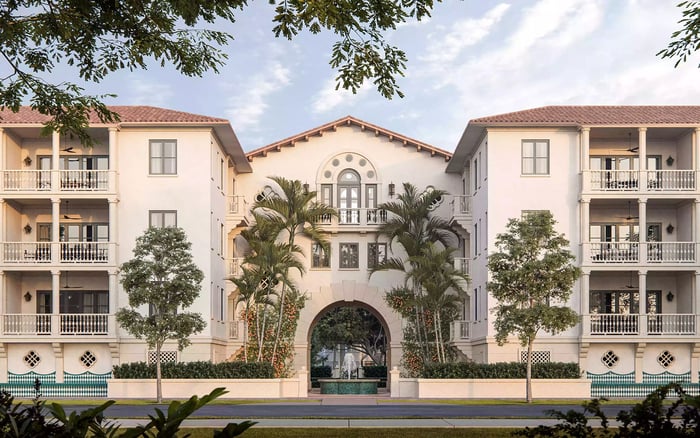
A buyer-focused guide to evaluating loading-dock privacy in Coral Gables luxury residences, including service-route separation, acoustics, security, association rules, approved plans, and on-site inspection timing.
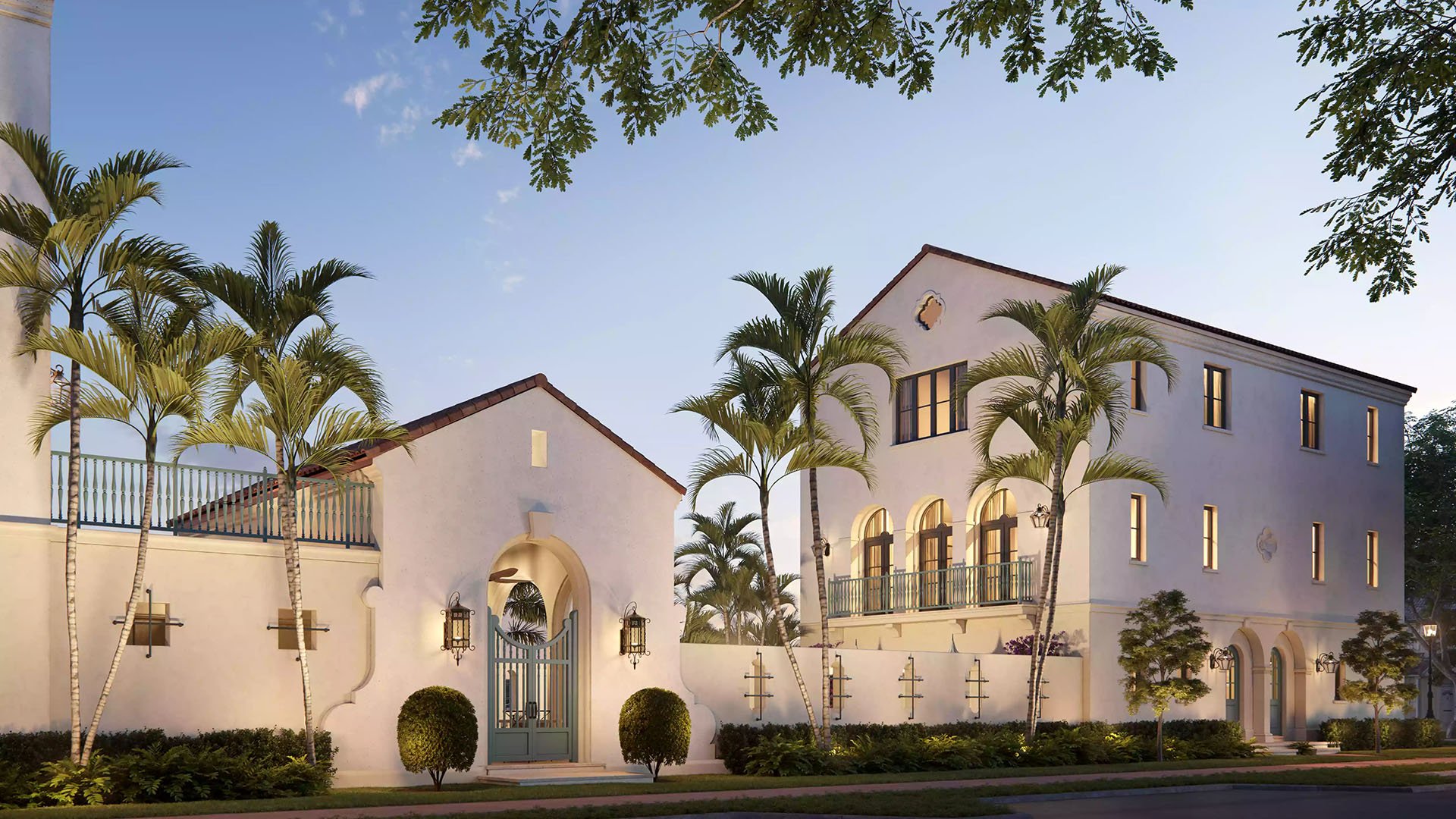
In Coral Gables, privacy is often framed through gated drives, guarded lobbies, private elevators, and quiet residential streets. Yet one of the most revealing areas of a luxury property is usually less photographed: the loading dock. This is where deliveries, refuse removal, moving crews, contractors, staff, vendors, carts, compactors, and service elevators either remain discreetly managed or spill into daily resident life.
A polished arrival sequence can be undermined by a poorly planned service sequence. The question is not simply whether a building has a loading area. The more important question is whether that loading area is quiet, secure, visually discreet, and operationally separated from the way residents and guests experience the property.
For buyers comparing Coral Gables residences, from Ponce Park Coral Gables and The Village at Coral Gables to a new-construction boutique building or gated-community estate, the discipline is the same: treat service privacy as a stand-alone due-diligence category, not a minor facilities detail.
Phrases such as “private access” and “discreet service” are not enough. Before relying on a brochure, request the approved site plan, floor plans, garage or service-level plans, and truck-turning diagrams. In Coral Gables, zoning, development standards, screening requirements, parking configuration, and building circulation all influence where loading, service access, and back-of-house functions can be placed.
Renderings may present landscape, architecture, and arrival atmosphere beautifully, but privacy lives in the permitted geometry. Where does the truck enter? Where does it wait? Can it turn without backing into a resident driveway? Does the loading bay sit beside the lobby, below a bedroom stack, or behind a controlled service door? Does the latest submitted plan match what is being described in the sales setting?
For resale condominiums, compare the building’s current condition against property and permit records. Confirm the official address, folio, ownership data, building details, and any service-area improvements that may affect what is actually being offered.
The strongest loading-dock privacy usually comes from a fully internalized or rear service-side loading area with controlled doors, limited public sightlines, and no direct overlap with resident arrival. In practical terms, the loading route should not intersect with the residential lobby, resident garage entry, valet queue, main pedestrian frontage, or amenity approach.
A buyer should physically walk the sequence. Arrive as a resident would, then trace the path a delivery driver, mover, contractor, or trash hauler would take. If the two routes touch at the curb, garage ramp, elevator vestibule, or lobby corridor, the property may still function well, but it deserves closer scrutiny.
In luxury condos and branded residences, ask whether service elevators are separate from resident elevators. Just as important, ask whether vendors can reach units without crossing amenity decks, lobby lounges, spa corridors, or other social spaces. A separate elevator is useful only if the entire vendor route is controlled.
A loading dock can be technically hidden while still visually exposed. Evaluate the property from public sidewalks, adjacent streets, alleys, neighboring buildings, and likely truck approach routes. Look not only for the bay itself, but also for waiting vehicles, open service doors, stacked refuse, carts, security desks, and contractor congregation points.
In Coral Gables, architectural integration matters. Service openings, gates, walls, landscape buffers, and screening should be part of the approved design, not afterthoughts added to disguise an operational problem. A handsome wall may screen the street while still exposing low-floor residences or a pool deck. A lush hedge may soften the view but do little for noise, odor, or vehicle lights at dawn.
Mixed-use locations require additional discipline. Near corridors such as Ponce de Leon Boulevard or Miracle Mile, confirm whether restaurant, retail, office, and residential deliveries share the same dock, driveway, or service elevator. A building can feel serene at 3 p.m. and behave very differently during morning delivery windows.
Visual privacy is only half the analysis. A service area hidden from the street may still be weak if it sits directly below balconies, bedrooms, pool decks, or low-floor units without acoustic and exhaust separation. Ask when deliveries, trash pickup, moving trucks, and contractor access are permitted. Then ask what residents can hear when dock doors open, carts roll, compactors operate, or vehicles reverse.
The most revealing visits are rarely the scheduled sales tour. Visit during weekday mornings, trash pickup periods, move-in days, and known delivery windows. Stand in the lobby, garage, amenity spaces, and the unit itself. If possible, test from the balcony and the bedroom side of the residence. Luxury quiet is not theoretical. It is either present during operational hours or it is not.
Covered or internal loading areas often improve visual discretion, but they require their own review. Enclosed service zones can amplify reverberation, concentrate exhaust, or allow odors to migrate if ventilation and doors are not properly managed. A dock that looks elegant in plan may perform poorly if sound and air movement were not considered for daily use.
Architecture sets the stage. Operations determine the performance. Ask the association or property manager for written rules on delivery windows, move-in and move-out hours, vendor check-in, contractor parking, trash handling, and dock reservations. A well-designed dock can still become disruptive if vendors arrive without scheduling or if move-ins regularly spill into resident circulation.
Review condominium documents, rules and regulations, budgets, and meeting minutes for recurring complaints or expenses tied to loading docks, trash rooms, service elevators, security, pest control, odors, and noise. These records can reveal whether privacy concerns are occasional, structural, or already being addressed through staffing and capital improvements.
Security also belongs in the analysis. Confirm whether the loading dock has access control, cameras, staffed receiving, package-room procedures, and a clear vendor-identification process. Privacy is not only about being unseen. It is also about knowing who is entering the property, where they can go, and how consistently the rules are enforced.
Single-family estates, waterfront homes, and gated compounds have their own version of loading-dock privacy. Instead of a formal dock, the issue may be whether vendors use a separate service gate, motor court, garage interface, staff entrance, or side route rather than the main guest arrival. The best compounds preserve ceremony at the front while giving household operations a different path.
For condominiums, the focus is shared infrastructure. A buyer is not only purchasing a residence but joining an operating system. Service elevators, dock calendars, package rooms, refuse handling, contractor rules, and staff training all shape the privacy of the home above.
Flood and storm resilience should also enter the comparison. Verify whether service areas are below grade, at grade, or elevated, and compare that placement with flood-map information and the building’s broader resilience strategy. A below-grade service area may be discreet, but its long-term functionality should be understood before closing.
Use a consistent scorecard across properties so emotion does not overtake diligence. Rate each candidate on dock location, separation from resident routes, sightline control, noise exposure, exhaust and odor control, delivery rules, security procedures, and association enforcement.
Give extra weight to overlap. A dock that touches the valet queue, lobby frontage, resident garage entry, or amenity path is not automatically disqualifying, but it deserves a deeper operational review. Conversely, a rear or internalized service area with controlled doors, defined vendor access, and strong rules may preserve the lifestyle promised upstairs.
The ideal outcome is simple: service activity should happen without becoming part of the resident’s daily awareness. In Coral Gables, where refinement is often measured in restraint, the most successful properties make logistics feel almost absent.
Why is loading-dock privacy important in Coral Gables luxury real estate? It governs the movement of deliveries, contractors, refuse, movers, staff, and vendors. Poor service circulation can compromise privacy even when the lobby and amenities feel polished.
What documents should a buyer request before judging a loading dock? Ask for approved site plans, floor plans, service-level plans, garage plans, and truck-turning diagrams. These show the real circulation more clearly than marketing language.
Is a hidden loading dock always better? Not necessarily. A hidden dock can still create noise, odor, exhaust, or vibration if it sits below bedrooms, balconies, or amenity areas.
When should buyers visit to evaluate service activity? Visit during weekday mornings, trash pickup periods, move-in days, and active delivery windows. A quiet afternoon tour may not reveal the true operating pattern.
What is the best loading-dock configuration? The strongest setups are usually internalized or placed on a rear service side with controlled doors and minimal overlap with resident arrivals.
Should service elevators be separate from resident elevators? Yes, but separation should extend beyond the elevator. Vendors should be able to reach units without crossing lobbies, amenity spaces, or resident corridors whenever possible.
How do mixed-use buildings change the analysis? They may combine residential, retail, office, or restaurant deliveries. Buyers should confirm whether those uses share the same dock, driveway, or service route.
What association records are worth reviewing? Review rules, budgets, meeting minutes, and complaints involving docks, trash rooms, service elevators, security, pests, odors, and noise.
Does loading-dock security affect privacy? Yes. Cameras, access control, staffed receiving, package procedures, and vendor identification help keep service movement disciplined and traceable.
Do single-family estates need this same review? Yes, although the focus shifts to service gates, staff entrances, garage interfaces, and whether vendors avoid the main guest arrival sequence.
For a discreet conversation and a curated building-by-building shortlist, connect with MILLION.
If branded residences are on your mind — as a home or as an allocation — we would be glad to share what we are seeing, privately.
Begin a quiet conversation