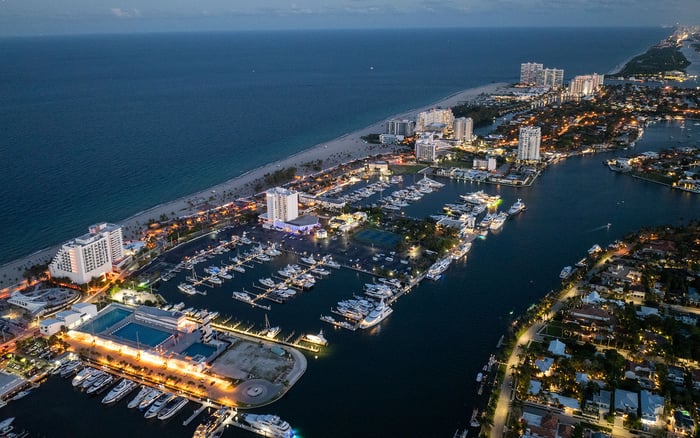
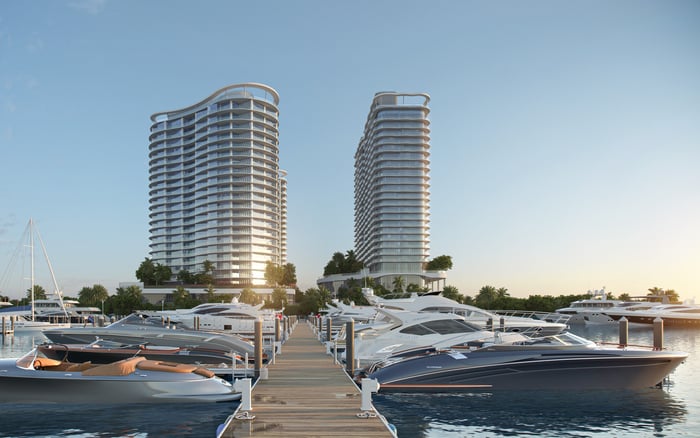
A practical due diligence guide for luxury buyers evaluating how nearby construction, land use, view corridors, access, noise, and waterfront activity may affect a Fort Lauderdale purchase.
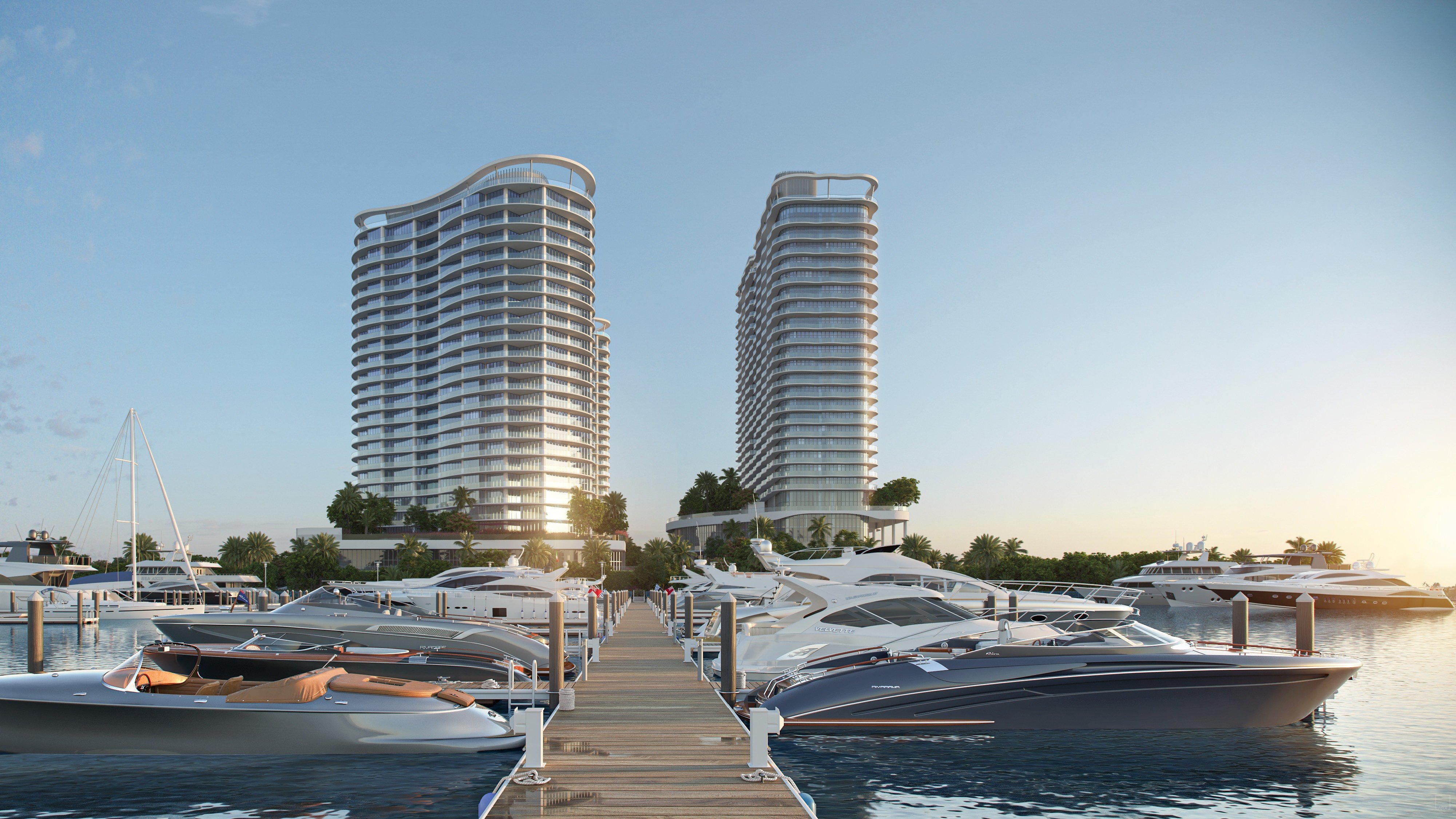
In Fort Lauderdale, luxury real estate is often purchased for a feeling as much as a floor plan: the morning line of the Intracoastal, a clean ocean horizon, a private arrival, a quiet terrace, a protected sense of scale. Neighboring development risk is the possibility that an adjacent or nearby parcel changes those qualities after you close.
The right question is not simply, “What is being built next door?” It is broader: “What could reasonably be built next door, how would it be approved, and how would it affect my enjoyment, resale positioning, and daily routine?”
A buyer considering Four Seasons Hotel & Private Residences Fort Lauderdale, for example, may be focused on service, beach proximity, and residence quality. The diligence still needs to look outward: surrounding parcels, street patterns, garage access, the public realm, and future construction logistics.
For many searches, the file touches Fort-lauderdale, Broward, New-construction, Oceanfront, Waterview, and Marina questions at the same time. Treat those themes as one risk map, not separate checkboxes.
Begin with the land-use position of neighboring properties. Ask your advisor to identify zoning, permitted uses, height parameters, setbacks, parking requirements, and any special overlay conditions that may affect nearby parcels. A vacant lot, an aging low-rise, a surface parking area, or a marina support site can matter more to your long-term experience than the polished lobby in the building you are buying.
The practical questions are direct. What is the current legal use of the adjacent land? Are there pending applications, site plans, variances, or public hearings? Has a neighboring owner assembled multiple parcels? Are there easements, shared driveways, access rights, or view-sensitive setbacks that could influence what happens later?
Do not assume a charming low-scale condition is permanent simply because it looks established. In prime corridors, land value often rests in optionality. Your job is to understand that optionality before it becomes a construction fence outside your balcony.
Development risk is personal. The same project next door can be a minor nuisance for one residence and a major value issue for another. The analysis should be done from your exact line, stack, floor, exposure, and terrace position.
Ask for a view study if appropriate. If one is not available, walk the perimeter, study nearby parcel dimensions, and have a professional model plausible massing. Which rooms depend on the current open view? Would a future structure change morning light, afternoon shade, cross-breezes, or terrace privacy? Would it introduce direct sightlines into primary bedroom areas or outdoor dining spaces?
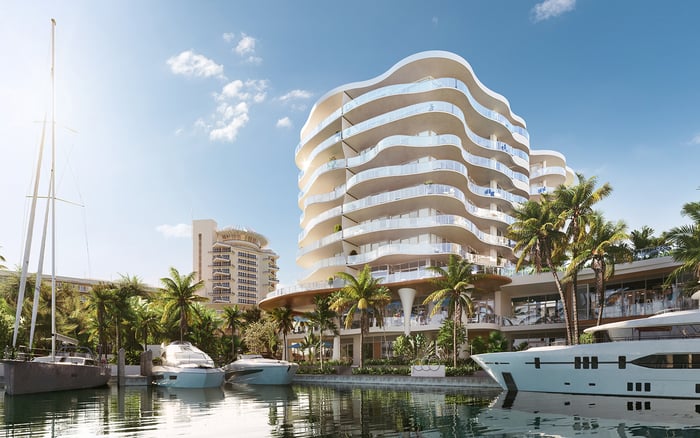
At Riva Residenze Fort Lauderdale, as with many waterfront and near-waterfront residences, the most discerning buyers evaluate more than a postcard view. They study how the residence sits in relation to bridges, waterways, adjacent buildings, and future approach patterns.
Even if a neighboring project ultimately improves the district, the construction period may matter. For a primary residence, the disruption can affect daily life. For a seasonal home, it can interrupt the months when the property is supposed to perform at its best.
Ask where trucks would queue, where cranes could be positioned, where workers may park, whether sidewalks could be interrupted, and how construction access would be routed. Ask about pile driving, dust control, vibration monitoring, weekend work, and night lighting. Ask whether your building has protocols for communicating nearby construction activity to residents.
Luxury buyers often price the finished neighborhood but underestimate the interim condition. A two-year window of noise, traffic, and obstructed arrival can feel very different when experienced from a terrace, pool deck, or private elevator lobby.
In Fort Lauderdale, access is a luxury feature. A beautiful residence loses some grace if the approach becomes unpredictable, or if valet circulation, ride-share activity, bridge timing, and beach traffic converge at the same pinch point.
For a buyer studying Sixth & Rio Fort Lauderdale, neighborhood movement is part of the lifestyle analysis. Ask how surrounding development could affect ingress and egress, guest arrival, service deliveries, bike and pedestrian flow, and access to dining, boating, cultural destinations, and the beach.
The key is to distinguish temporary construction congestion from structural access change. Temporary friction may be tolerable. A permanent change to how cars, pedestrians, service vehicles, or marina users move through the area may be more consequential.
Waterfront development risk has its own vocabulary. For buyers near docks, marinas, canals, the Intracoastal, or beach approaches, the neighboring parcel can affect quiet enjoyment in ways that are not obvious during a showing.
Ask whether nearby waterfront uses could change, whether commercial marine activity is possible, and whether dockage, lighting, music, deliveries, or event traffic could become part of the setting. Ask how a proposed seawall, dock configuration, public walkway, or hospitality component might alter privacy.
At St. Regis® Residences Bahia Mar Fort Lauderdale, the broader conversation around waterfront luxury naturally includes marina adjacency, arrival sequence, beach access, and the choreography of public and private realms. Even when the residence itself is exceptional, the surrounding waterfront ecosystem deserves equal attention.
The most elegant diligence is useful only if your contract gives you time to act on it. Before deposits become less flexible, ask what review periods apply and whether you can examine association documents, development disclosures, title matters, easements, surveys, municipal records, and nearby applications.
For resale purchases, consider whether the seller has received notices, correspondence, meeting materials, or association updates concerning adjacent work. For pre-construction purchases, ask what disclosures address surrounding parcels, view changes, noise, construction phasing, and changes outside the developer’s control.
A cautious buyer does not need certainty about every future building. The goal is to identify the risks that would have changed your price, floor choice, contract terms, or willingness to proceed.
After the technical review, return to the emotional reason for the purchase. If the open view narrowed, would the residence still feel special? If the arrival became busier, would the location still serve you? If nearby development added restaurants, marina activity, or a more urban rhythm, would that enhance your life or dilute the privacy you intended to buy?
This is where luxury judgment becomes more important than generic market logic. One buyer wants energy, walkability, and a sense of district momentum. Another wants stillness, discretion, and a horizon that feels protected. Neither is wrong. The mistake is buying one expectation while the neighboring land is quietly preparing another.
A refined Fort Lauderdale acquisition should include beauty, service, architecture, and a clear-eyed view of what may rise nearby. The best purchases are not risk-free. They are risk-understood.
What is neighboring development risk in luxury real estate? It is the possibility that nearby land use, construction, or future buildings change privacy, views, access, noise, light, or resale appeal.
Should I worry if there is no active construction next door? Yes. The more important question is what could be allowed on nearby parcels, not only what is visible today.
Which nearby parcels deserve the most attention? Focus on vacant land, older low-rise buildings, surface parking, waterfront parcels, marina sites, and assembled lots.
How can a future building affect my view? It may change sightlines, light, shade, terrace privacy, and the sense of openness from specific rooms or outdoor spaces.
Are higher floors always safer from development risk? Not always. Higher floors may preserve some views, but they can still be affected by towers, lighting, noise, and access changes.
What should waterfront buyers ask first? Ask about dock activity, marina operations, lighting, music, deliveries, seawall work, and any future public or private access changes.
Can construction next door affect daily life even if values rise later? Yes. Noise, dust, vibration, traffic, blocked sidewalks, and staging can materially affect enjoyment during the construction period.
Should my attorney review neighboring development issues? Yes. Counsel can help review contract rights, disclosures, title matters, easements, association records, and relevant public filings.
Is this risk different for pre-construction purchases? It can be. Buyers should ask what the developer discloses about surrounding parcels, view changes, phasing, and external conditions.
What is the most important question before signing? Ask whether you would still buy the residence if the adjacent land changed in the most plausible way during your ownership.
When you're ready to tour or underwrite the options, connect with MILLION.
If branded residences are on your mind — as a home or as an allocation — we would be glad to share what we are seeing, privately.
Begin a quiet conversation