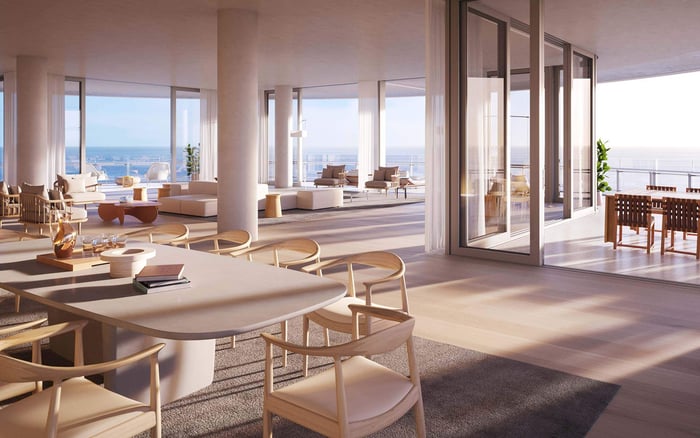
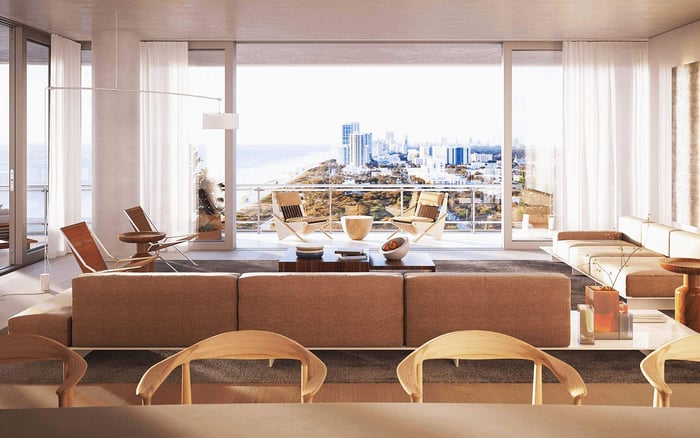
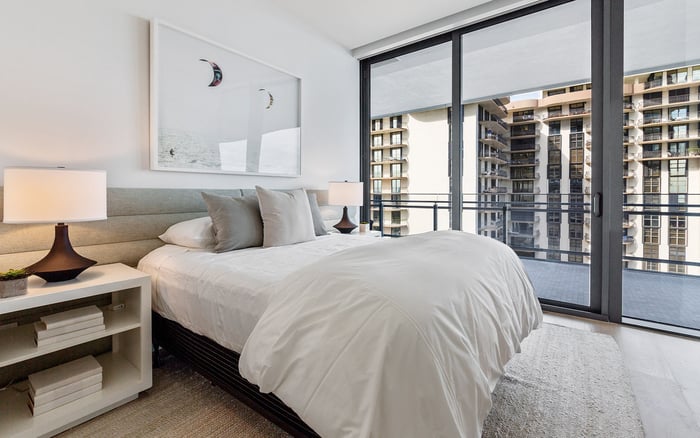
A buyer-focused look at The Delmore Surfside and the way a cohesive amenity program can shape weekday routines in South Florida oceanfront living.
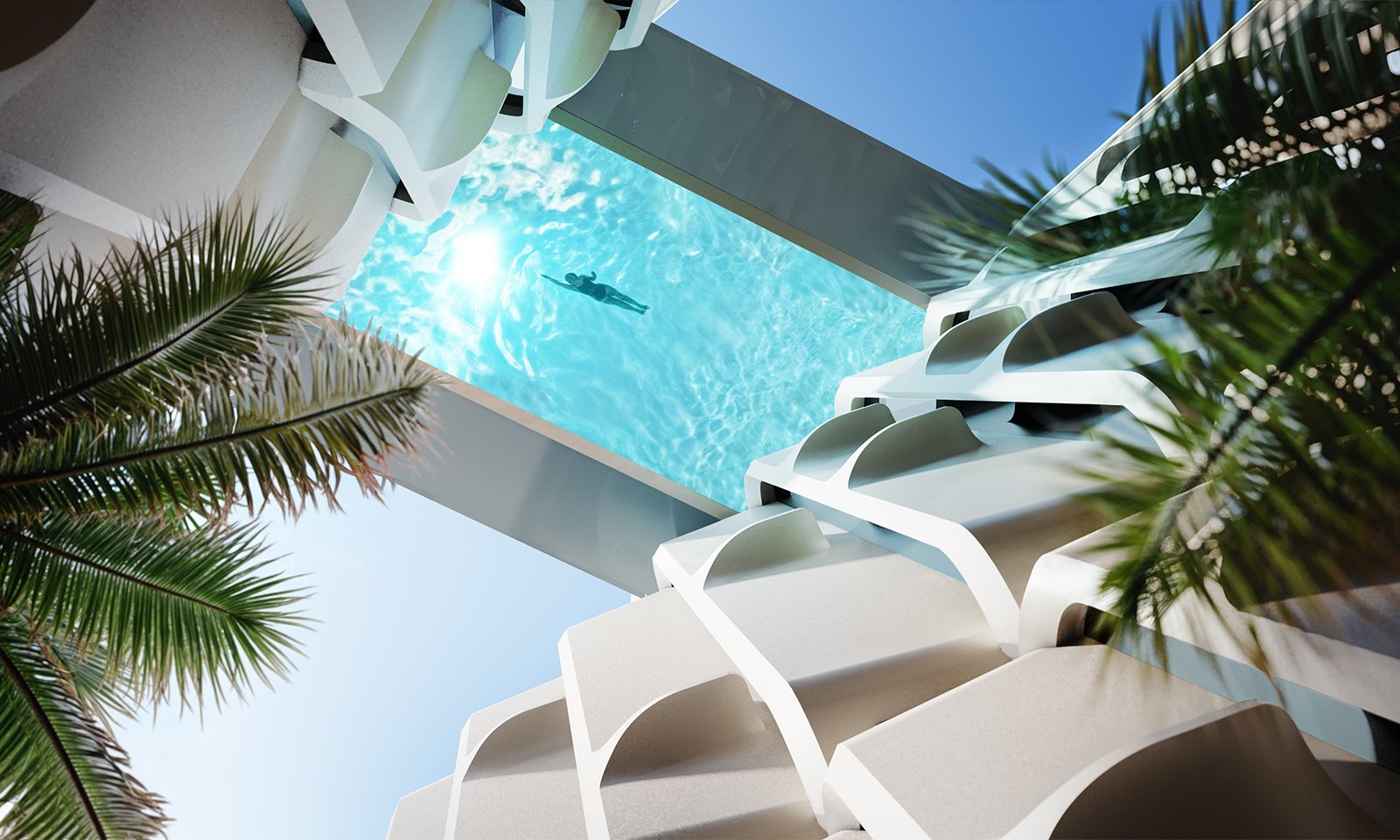
The most persuasive amenity programs in South Florida no longer read as a checklist. For the ultra-premium buyer, the question is not simply whether a building offers impressive spaces, but whether those spaces work together with enough grace to support a real weekday. That distinction is central to The Delmore Surfside, where the amenity program is best understood as an integrated ecosystem rather than a collection of isolated luxuries.
This is a subtle but meaningful shift. A dramatic amenity may photograph beautifully, yet its long-term value depends on how often residents use it, how naturally it fits into daily movement, and whether it reduces friction during the hours that define actual life. Monday morning, a midweek remote-work pause, the after-school return, the quiet evening transition from professional to private mode: these are the moments that reveal whether a residential program is ornamental or genuinely livable.
For Surfside buyers, that distinction matters because the oceanfront setting already carries emotional weight. The amenity program has to do more than compete with the view. It must create a coherent residential rhythm around it.
An ecosystem implies connection. In a residential context, it means the amenity program is not judged room by room, but by the way each layer supports the next. Arrival, privacy, wellness, social ease, household logistics, and retreat become part of one larger experience. The value is not only access, but flow.
At The Delmore Surfside, the weekday lens is especially useful because it separates novelty from utility. A weekend visitor may respond to drama, scale, and presentation. A resident notices timing, convenience, discretion, and how easily a building accommodates repeated use. The most successful luxury environments feel intuitive once the first impression fades.
That is why a connected amenity strategy can become a form of invisible service. It allows residents to move through the day without constantly negotiating the building. Spaces should feel close when needed and private when not. They should support both energy and quiet. They should be impressive without demanding performance from the people who live there.
Surfside occupies a distinct place in the South Florida oceanfront luxury conversation. It has the prestige of coastal living without needing to behave like a larger urban district. For many buyers, that balance is the point. The setting encourages a more residential interpretation of luxury, where the weekday experience carries as much weight as the weekend arrival.
That is also why The Delmore Surfside belongs in a broader discussion that includes other oceanfront and near-oceanfront benchmarks. A buyer studying Arte Surfside or Fendi Château Residences Surfside is often thinking beyond finishes. The deeper question is how a building choreographs private life at the edge of the water. Similarly, The Surf Club Four Seasons Surfside reinforces the idea that Surfside luxury is not only about address value, but about atmosphere, continuity, and the ability to sustain a refined daily cadence.
Compared with more visibly energetic coastal markets, Surfside places extra pressure on quality of experience. The building itself becomes part of the resident’s routine, not merely a base between outside engagements. Amenities therefore need to feel considered rather than crowded, calm rather than over-programmed, and flexible enough to support different household rhythms.
Design & Architecture play an important role in this conversation, but not only in the visual sense. For weekday living, design is infrastructure. It determines whether circulation feels natural, whether privacy is preserved, whether common spaces remain calm at peak hours, and whether the building supports a smooth transition between public arrival and private residence.
This is where the ecosystem idea becomes practical. A well-planned amenity program does not ask residents to think too hard about how to use it. The sequence should be legible. The tone should remain consistent. A resident should be able to move from a focused morning to a restorative afternoon and then into a quieter evening without feeling that each experience belongs to a different building.
In the broader Miami Beach and Surfside context, buyers often compare buildings not just by size or spectacle, but by how well the shared environment protects the feeling of home. The most durable luxury is often the least theatrical. It is the calm lobby at the right moment, the considered path of travel, the sense that the building understands the difference between hosting, recovering, working, and retreating.
A weekday visit can be more revealing than a polished weekend presentation. Buyers should pay close attention to how the building feels in motion. Does arrival feel composed? Do transitions seem intuitive? Is there a sense of privacy even when shared spaces are active? Are the amenity areas positioned to support real use, or do they feel like destinations that require effort?
The answer will vary by household. A primary resident may prioritize convenience, quiet, and daily wellness. A seasonal owner may look for ease of return and low-friction hosting. A family may focus on how the building absorbs the rhythms of school days, work calls, deliveries, guests, and evening routines. The best amenity programs do not force one lifestyle model. They provide a framework that adapts.
That adaptability is part of the emerging standard for Oceanfront luxury in South Florida. Projects such as The Perigon Miami Beach also sit within a market where buyers evaluate the relationship between architecture, services, setting, and daily life. The Delmore Surfside stands out in this conversation because its amenity positioning is explicitly tied to the ordinary weekday, where true residential quality is tested most consistently.
Lifestyle is often used as a broad luxury term, but in residential decision-making it should be read with precision. A building’s lifestyle value is not created by abundance alone. It is created when the resident’s day becomes easier, more private, more restorative, and more coherent.
For The Delmore Surfside, the strongest interpretation of the amenity program is not that it adds more to the resident’s schedule. It should make the schedule feel better managed. It should make staying home feel like a complete choice, not a compromise. It should support the weekday without turning every moment into an occasion.
That is the understated promise of the integrated amenity ecosystem: luxury as continuity. In the South Florida oceanfront market, where visual drama is plentiful, continuity may be the rarer advantage. The buyer who understands that difference will look past the brochure moment and ask the more revealing question: how will this building feel on an ordinary Tuesday?
What makes The Delmore Surfside amenity program different? It is framed as an integrated ecosystem rather than a set of isolated luxury features, shifting attention toward how residents actually live.
Why focus on weekday life instead of weekend use? Weekdays reveal whether amenities support routine, privacy, convenience, and repeated use after the initial impression fades.
Is The Delmore Surfside positioned within the Surfside luxury market? Yes. The project is part of the Surfside conversation and sits within South Florida’s broader oceanfront residential context.
Should buyers judge amenities by quantity? Not exclusively. For luxury buyers, the more important test is whether the amenity program feels coherent, useful, and discreet in daily life.
What should a buyer look for during a weekday tour? Pay attention to arrival, circulation, privacy, ease of use, and whether shared spaces feel calm during normal daily activity.
Does an amenity ecosystem require specific named features? No. The concept is about how the overall program works together, not about any single feature in isolation.
Why does Surfside suit this kind of residential thinking? Surfside supports a quieter oceanfront lifestyle, making the quality of daily residential experience especially important.
How does this compare with other South Florida luxury projects? The broader market increasingly values amenities that support daily rhythm, not just dramatic presentation or sales-gallery impact.
Is this perspective more relevant for primary or seasonal owners? It can matter to both. Primary owners feel the weekday rhythm daily, while seasonal owners benefit from a building that is easy to re-enter and use.
What is the key takeaway for buyers? The strongest amenity programs do not simply impress. They make ordinary life feel more composed, private, and effortless.
When you're ready to tour or underwrite the options, connect with MILLION.
If branded residences are on your mind — as a home or as an allocation — we would be glad to share what we are seeing, privately.
Begin a quiet conversation