A discreet buyer’s guide to the ownership considerations shaping three South Florida luxury condominium conversations, from South Flagler to Downtown Miami.
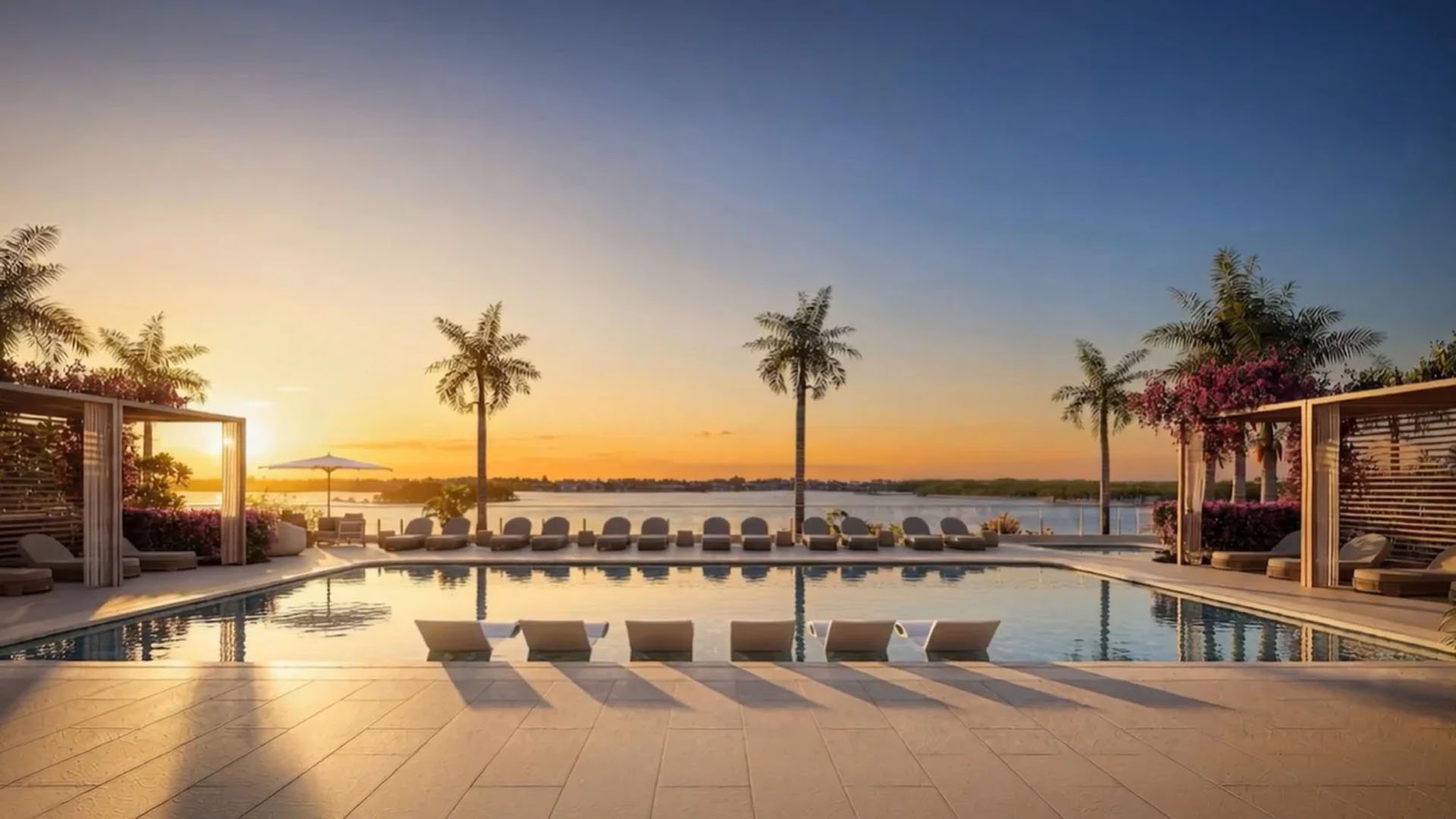
For a certain South Florida buyer, a residence is not simply a place to stay. It is a foothold in a market shaped by water, light, privacy, brand equity, and the social rhythm of the coast. The ownership question around Maison D'Or South Flagler, Mr. C Residences West Palm Beach, and Waldorf Astoria Residences Downtown Miami is therefore less about choosing the most recognizable name and more about understanding the role each address is meant to play in a portfolio and in daily life.
That lens matters because these three names belong to distinct ownership conversations. Two are rooted in West Palm Beach, where the Palm Beach corridor has become a magnet for buyers seeking refinement without surrendering convenience. The third belongs to Downtown Miami, where vertical living is often tied to skyline energy, business access, hospitality programming, and international visibility.
A disciplined buyer should look beyond surface appeal. The essential questions are practical: How often will the residence be used? Who will occupy it when the owner is away? How predictable are the carrying costs? How durable is the lifestyle proposition in a resale setting? How well does the building’s culture align with the owner’s expectations for discretion, service, and control?
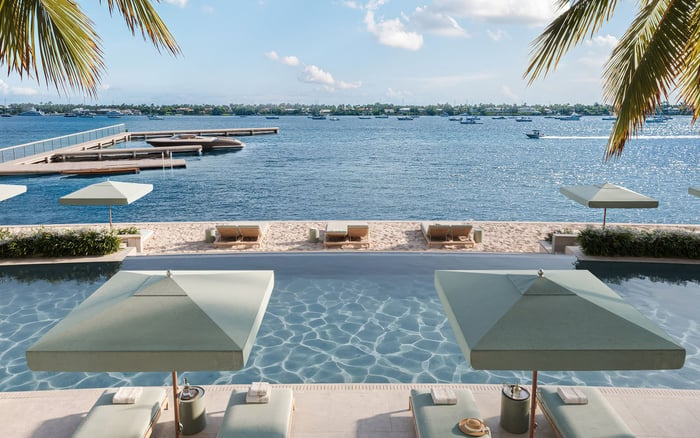
The South Flagler conversation is fundamentally about waterfront composure. Buyers looking at Maison D'Or South Flagler are often weighing the appeal of West Palm Beach against the established aura of Palm Beach just across the water. That does not make the decision purely geographic. It makes it personal.
Ownership on or near South Flagler tends to attract those who value a quieter daily cadence, a sense of arrival, and a close relationship to the water. The strongest angle is not only view orientation, though that matters. It is whether the residence supports a way of living that feels calm, secure, and enduring. For many buyers, a home in this setting functions as a seasonal base, a primary residence after relocation, or a long-hold asset tied to a family’s South Florida presence.
Due diligence here should emphasize privacy, access patterns, building scale, valet and arrival experience, guest accommodation, and how the residence will live during high season. A beautiful home can still feel compromised if the arrival sequence, elevator experience, storage plan, or service protocols do not meet the owner’s standards.
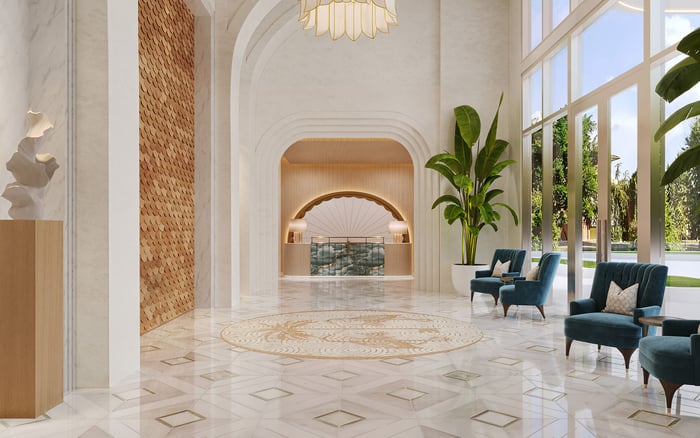
The most important ownership angle around Mr. C Residences West Palm Beach is the branded residence equation. Branded residences are not only about a name on the door. They are about the promise of service, design continuity, hospitality cues, and a recognizable point of view.
That promise can be meaningful for the right owner. A branded environment can simplify living, hosting, locking and leaving, and returning. It can also create a clear identity in the resale market, especially for buyers who appreciate a service culture and a defined aesthetic. The ownership analysis should focus on whether the brand enhances daily life rather than simply decorating the purchase decision.
There is a practical side. Buyers should study how services are delivered, how fees may evolve, what is included, what is optional, and how the building manages the boundary between private residential life and hospitality-inspired programming. The most successful fit is usually a buyer who wants elevated service but still expects residential discretion.
In West Palm Beach, that balance is increasingly important. The city appeals to buyers who want access to dining, cultural life, the island, and transport connections without losing the sense of personal scale. Mr. C’s ownership angle is strongest when the buyer sees the residence as both a home and a curated lifestyle platform.
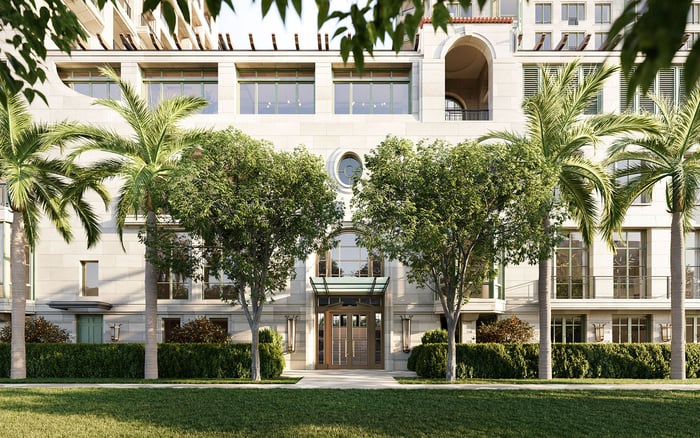
The ownership proposition at Waldorf Astoria Residences Downtown Miami belongs to a different register. Downtown Miami is a high-visibility market, and ownership there often reflects a desire for urban energy, architectural presence, and a connection to the city’s global identity.
For some buyers, the appeal is practical. Downtown Miami places owners near business, culture, dining, and transit connections. For others, the appeal is symbolic, since skyline residences can carry a level of recognition that is less common in quieter coastal enclaves. In either case, the buyer should consider how the residence will be used. A primary home, seasonal home, pied-a-terre, and investment-oriented holding each require a different reading of the building’s rules and economics.
Investment should not be reduced to rental assumptions or projected appreciation. At this level, the sharper question is liquidity quality. Will future buyers understand the value proposition quickly? Is the service identity durable? Does the location have a broad enough demand base? Does the floor plan support real living rather than only spectacle? A strong view may attract attention, but livability sustains value.
West Palm Beach and Downtown Miami are not substitutes. They serve different ownership temperaments. West Palm Beach offers a softer urban rhythm, proximity to Palm Beach, and a sense of neighborhood refinement. Downtown Miami offers vertical intensity, international recognition, and a more metropolitan cadence.
That distinction should guide the buyer’s hierarchy. If the residence is meant to be restorative, West Palm Beach may hold the advantage. If it is meant to be connected, highly visible, and integrated with city life, Downtown Miami may be the better fit. If the purchase is primarily a second-home decision, the owner should map airport routines, seasonal usage, guest needs, and maintenance expectations before becoming attached to a specific view.
The principle is simple: the most expensive mistake is buying the wrong lifestyle beautifully. South Florida offers many polished products, but ownership success comes from alignment between the building and the buyer’s actual habits.
Every luxury condominium purchase is also a governance decision. Buyers should review association structure, rules on leasing and guests, reserve philosophy, insurance posture, maintenance obligations, and the procedure for approvals or alterations. These items may feel less glamorous than a lobby, terrace, or amenity deck, but they shape the ownership experience more than almost anything else.
Carrying costs also deserve calm scrutiny. Monthly fees are only part of the picture. Owners should understand what services are funded, how staffing is managed, what amenities require separate charges, and how future capital needs might be addressed. In a market where new construction often competes on amenity depth, the long-term cost of maintaining those amenities should be considered part of the purchase.
This is especially relevant for buyers comparing branded and non-branded environments. A branded residence may deliver a more complete service ecosystem, while another building may offer a quieter, more residential identity. Neither is inherently superior. The right answer depends on whether the owner values programming, recognition, and service integration or prefers simplicity and privacy above all.
Sophisticated buyers think about resale before they buy. That does not mean being short-term. It means choosing a residence with enduring appeal. The strongest exit profiles usually combine a clear location story, usable floor plans, quality service, careful building governance, and an ownership culture that remains attractive over time.
In South Florida, future buyers often respond to clarity. A waterfront West Palm Beach residence should communicate calm, access, and permanence. A branded West Palm Beach residence should communicate service and lifestyle coherence. A Downtown Miami branded tower should communicate urban prestige, convenience, and global relevance.
The ownership angle is not to chase every trend, but to choose the story that will still make sense when the market cycle changes. The best residences do not require complicated explanations. They live well, show well, and maintain a coherent identity.
What is the main ownership difference between West Palm Beach and Downtown Miami? West Palm Beach generally reads as calmer and more residential, while Downtown Miami is more urban, vertical, and internationally visible.
Why does South Flagler matter to luxury buyers? South Flagler is associated with waterfront orientation, Palm Beach proximity, and a quieter ownership mood within West Palm Beach.
What should buyers study in a branded residence? Buyers should review service structure, fees, residential rules, brand standards, and how hospitality elements affect daily privacy.
Is a branded residence automatically better for resale? Not automatically. Brand identity can help, but resale strength still depends on location, livability, governance, and buyer demand.
How should an owner think about a second home in South Florida? The decision should begin with travel rhythm, seasonal use, guest plans, lock-and-leave needs, and maintenance expectations.
Are carrying costs more important in amenity-rich buildings? Yes. Amenity depth can enhance lifestyle, but owners should understand staffing, upkeep, optional services, and future cost exposure.
What makes Downtown Miami appealing for ownership? Downtown Miami offers city access, skyline identity, business convenience, dining, culture, and a broader global ownership profile.
What is a common mistake among luxury condo buyers? A common mistake is prioritizing presentation over fit, especially when the building’s culture does not match the owner’s habits.
Should investors evaluate these residences differently from end users? Yes. Investors should focus on liquidity, rules, demand depth, and ownership costs, while end users should prioritize daily comfort.
How can buyers compare these three projects efficiently? Compare intended use, service expectations, privacy, governance, location rhythm, and exit strategy before narrowing by design preferences.
When you're ready to tour or underwrite the options, connect with MILLION.
If branded residences are on your mind — as a home or as an allocation — we would be glad to share what we are seeing, privately.
Begin a quiet conversation