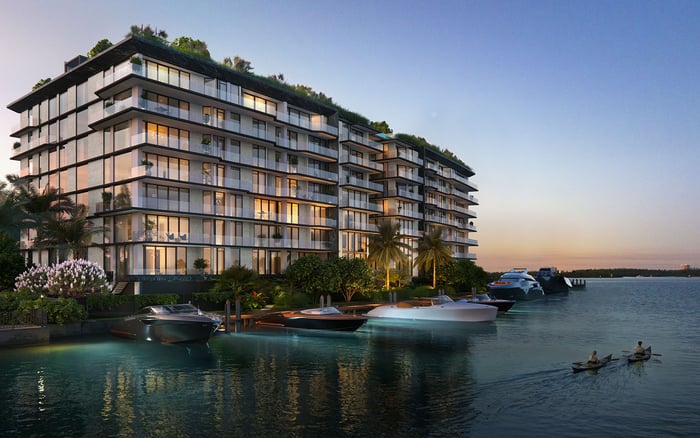
A discreet buyer’s guide to evaluating privacy before touring the model residence at Mila Bay Harbor Islands, with questions for access, sightlines, sound, technology, staff protocols, and daily life.
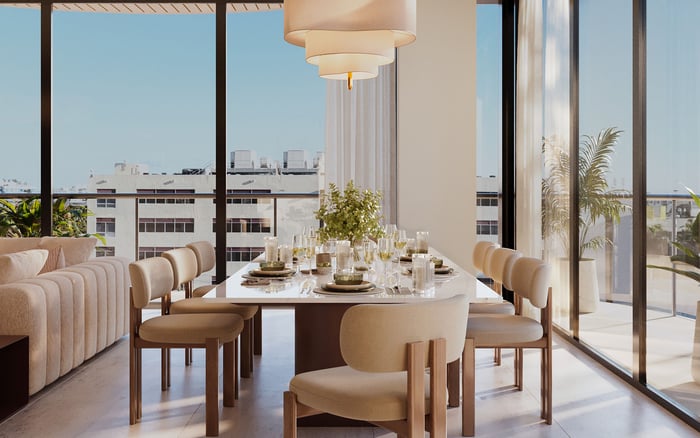
A model residence is built to seduce. The light is staged, the furniture edited, the view framed, and the silence made to feel permanent. For a serious buyer at Mila Bay Harbor Islands, the sharper exercise is to look past the polish and ask how privacy will function on a Tuesday morning, a holiday weekend, and a high-season stretch when family, guests, staff, deliveries, and service providers all overlap.
In South Florida’s luxury condominium market, privacy is no longer a single amenity. It is a sequence. It begins with the arrival by car, continues through the lobby, elevator, corridor, residence entry, terrace, amenity areas, and digital systems, then extends into the building’s culture. A buyer who values discretion should tour with a precise checklist, not only an eye for beautiful finishes.
For Bay Harbor buyers, the question is especially nuanced. The islands’ appeal is often tied to a quieter residential rhythm, yet every new address must be evaluated on its own terms. Boutique scale can support privacy, but it does not guarantee it. New construction can introduce stronger planning, but only when the operational details match the architecture.
Privacy begins before you step inside the model residence. Ask where residents arrive, where guests arrive, and whether service providers follow a separate path. If there is valet or attended parking, ask what information is visible to staff, how keys are handled, and how repeat visitors are recognized. The objective is not secrecy for its own sake. It is a clear understanding of who sees what, when, and why.
Also ask how tours, open houses, brokers, contractors, and vendors are managed once the building is occupied. A polished sales environment can feel controlled, but daily building life introduces more variables. The most private buildings tend to rely on simple, disciplined protocols: limited public wandering, controlled access points, and a staff culture that treats resident identity and movement as confidential.
Buyers comparing nearby options, from Alana Bay Harbor Islands to other island residences, should ask the same arrival questions consistently. The strongest answer is usually not the most dramatic one. It is the answer with the fewest handoffs.
A beautiful lobby can still be too public. During the tour, pause at the entry sequence and imagine arriving after dinner, returning from travel, or receiving a guest when the building is active. Ask whether residents share elevators with service providers, visitors, amenity traffic, or building staff. Ask how elevator access is programmed and whether floors are controlled individually.
Corridors matter more than many buyers expect. A private residence can feel compromised if the approach is noisy, narrow, overlit, or overly exposed to other doors. Ask how many residences share a typical corridor, how deliveries are handled, and whether packages ever sit in common areas. If the model residence does not show the exact approach sequence, request a walkthrough of the most comparable path.
This is where boutique living can be powerful, provided the design and operations align. Fewer residences may mean fewer encounters, but the deciding factor is not scale alone. It is whether the building has been planned to reduce unnecessary crossings between residents, staff, guests, and service activity.
Once inside the model residence, resist the instinct to stand only where the view is most cinematic. Move to the windows from different angles. Stand near the kitchen, primary suite, living area, and balcony doors. Ask what neighboring residences, amenity areas, adjacent buildings, streets, or waterfront activity may be visible from each room. A water view can be exceptional, but a private water view depends on height, orientation, distance, and glass strategy.
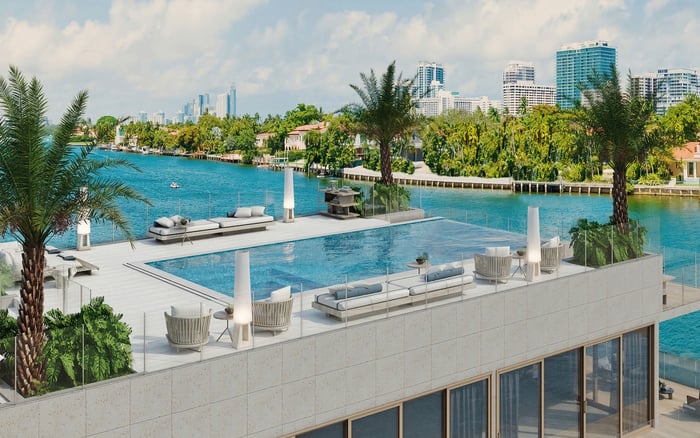
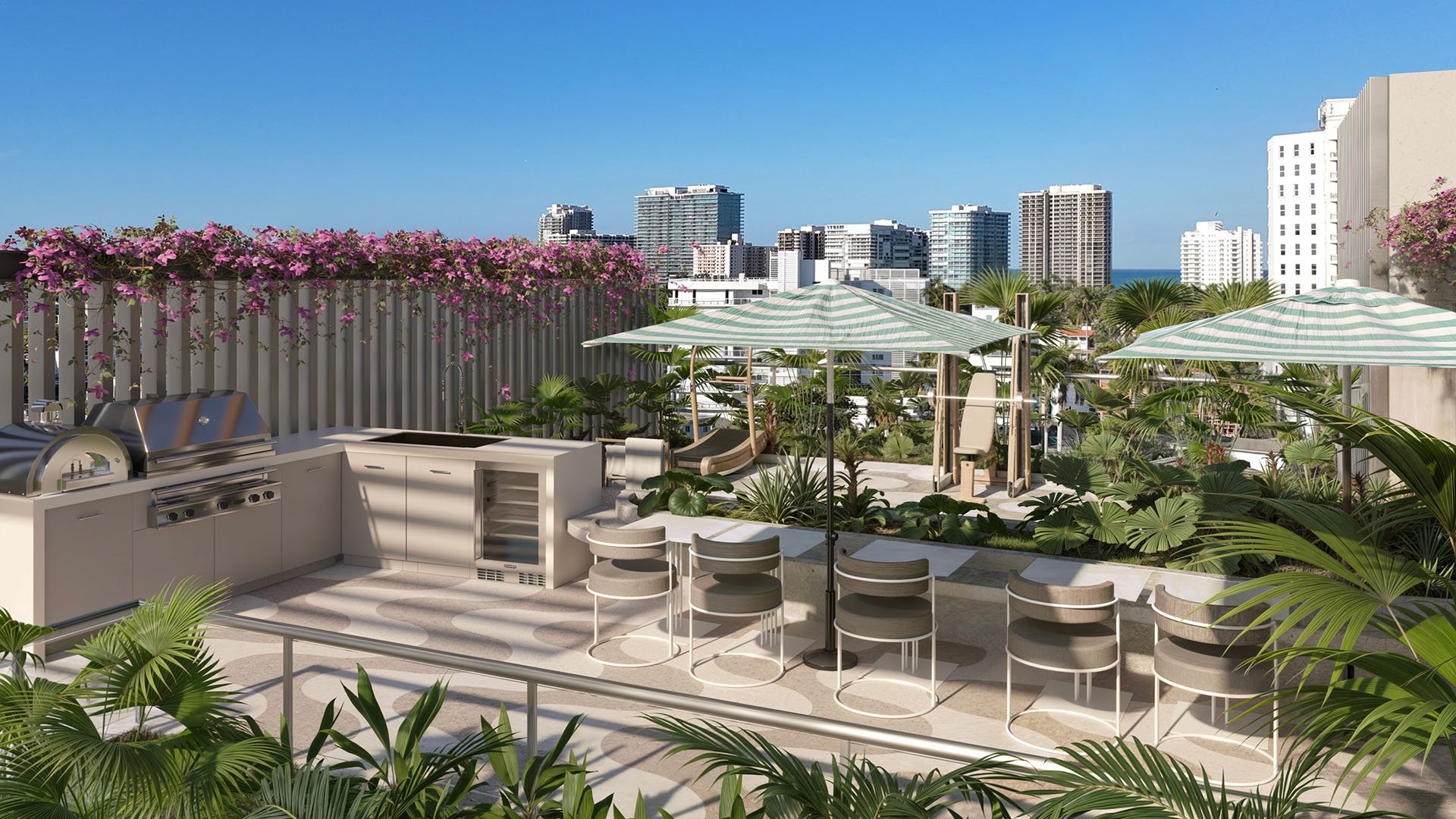
The terrace deserves its own privacy review. Ask whether the outdoor space is visible from residences above, beside, or across. Consider where dining, lounging, and evening lighting would actually occur. A terrace that looks expansive during the day can feel more exposed at night if surrounding buildings or outdoor amenities look back into the space.
Sound should be treated with equal seriousness. Ask about glazing, door systems, wall assemblies, mechanical noise, and acoustic separation between residences. You do not need technical jargon to ask a precise question: What has been done to reduce sound transfer from neighbors, corridors, elevators, amenities, mechanical equipment, and the exterior environment?
Comparable Bay Harbor offerings such as Onda Bay Harbor remind buyers that waterfront elegance is only one part of the luxury equation. The quieter question is whether the residence lets you live unobserved and undisturbed.
Luxury residences increasingly rely on access control, cameras, apps, smart-home systems, digital packages, and building communications. Ask which systems are standard, which are optional, who administers them, and how resident data is protected. If cameras are used in common areas, ask where they are located and who has access to footage.
Inside the residence, ask whether smart systems are locally controlled, cloud-based, or integrated with third-party platforms. Ask what happens when ownership changes, when staff members are added or removed, and when temporary guest access is created. A home that is easy to operate should not be careless with permissions.
For high-profile owners, this is not a niche topic. It affects household staff, visiting relatives, children, art handlers, chefs, drivers, yacht crews, personal assistants, and security consultants. The most refined buildings make these movements feel effortless while keeping the access map tightly controlled.
A private building depends on people as much as design. Ask how staff are trained, how guest names are handled, and whether resident preferences are documented discreetly. Ask whether there are written protocols for vendors, deliveries, food service, maintenance access, and emergency entry.
The best question may be simple: who can enter my residence, under what conditions, and how will I know? Follow with another: how is that record maintained? In a serious purchase, these answers should be clear, not improvised.
If you are considering a broader set of island residences, including La Maré Bay Harbor Islands and The Well Bay Harbor Islands, keep your privacy questions identical from tour to tour. Consistency lets you compare substance rather than ambience.
Before the model residence becomes an emotional decision, ask for the documents that govern daily privacy. Review rules on guest registration, short-term use, leasing, amenity reservations, deliveries, pets, contractors, renovations, move-ins, move-outs, security, cameras, and staff access. If you plan to use the residence seasonally, ask how the building handles extended absences and authorized entry when the owner is away.
Also ask how the association or management communicates with residents. Excessive group messaging, loose directory practices, or casual sharing of names can undermine privacy as much as physical exposure. Discretion should be administrative as well as architectural.
A model residence tells you how the home can feel. The governing documents and operating protocols tell you how it will live.
Arrive with your own scenario list. Imagine hosting dinner, receiving a confidential visitor, sending staff ahead, leaving children with a caregiver, accepting a large delivery, returning from the airport, or spending a weekend without wanting to be seen. Walk each scenario through the building.
Ask questions calmly and directly. A privacy-focused buyer is not being difficult. In the ultra-premium market, discretion is part of value preservation. The more elegant the residence, the more important it is that the building’s systems protect the life inside it.
The right answer at Mila Bay Harbor Islands should feel precise, operational, and repeatable. Privacy is not a promise whispered during a tour. It is a structure you can verify before you buy.
What is the first privacy question to ask before touring Mila Bay Harbor Islands? Ask how residents, guests, and service providers enter the property, and whether those paths overlap.
Should I evaluate privacy before seeing the model residence? Yes. Arrival, lobby, elevator, and corridor privacy shape the experience before the residence begins.
Why do elevator protocols matter in a luxury condominium? Elevator access can determine who reaches residential floors and how often residents encounter visitors or service providers.
What should I look for inside the model residence? Study sightlines from windows, living areas, bedrooms, and terrace zones at different angles.
How should I evaluate terrace privacy? Ask what can be seen from adjacent residences, higher floors, nearby buildings, and shared amenity spaces.
Is sound privacy as important as visual privacy? Yes. Ask about acoustic separation from neighbors, corridors, mechanical systems, elevators, and exterior activity.
What technology questions should I ask? Ask who controls access systems, how guest permissions work, and how resident data is protected.
Can building staff affect privacy? Absolutely. Staff training, vendor protocols, and confidentiality practices are central to discreet daily living.
Which documents help confirm privacy rules? Review rules for guests, deliveries, vendors, leasing, amenity reservations, renovations, and authorized entry.
What is the best way to shortlist comparable options for touring? Start with location fit, delivery status, and daily lifestyle priorities, then compare stacks and elevations to validate views and privacy.
To compare the best-fit options with clarity, connect with MILLION.
If branded residences are on your mind — as a home or as an allocation — we would be glad to share what we are seeing, privately.
Begin a quiet conversation