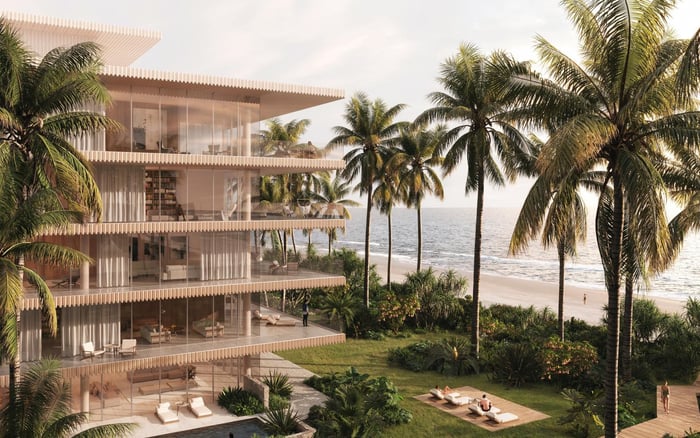
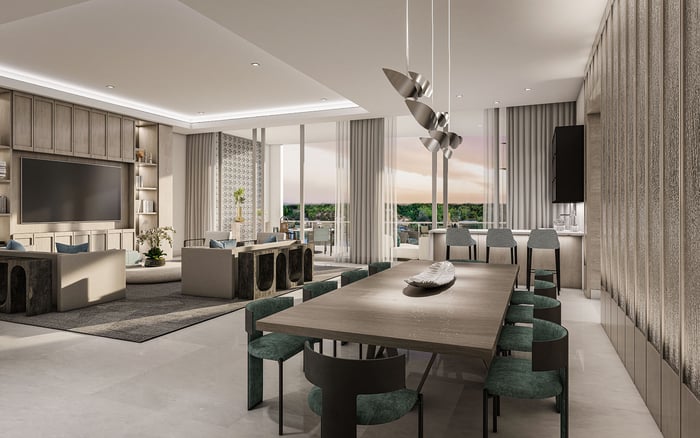
For Palm Beach buyers, the right waterfront residence is not simply the one with the most compelling view. Dock configuration, route constraints, operating obligations, privacy, and the household’s actual boating habits should all be evaluated together.
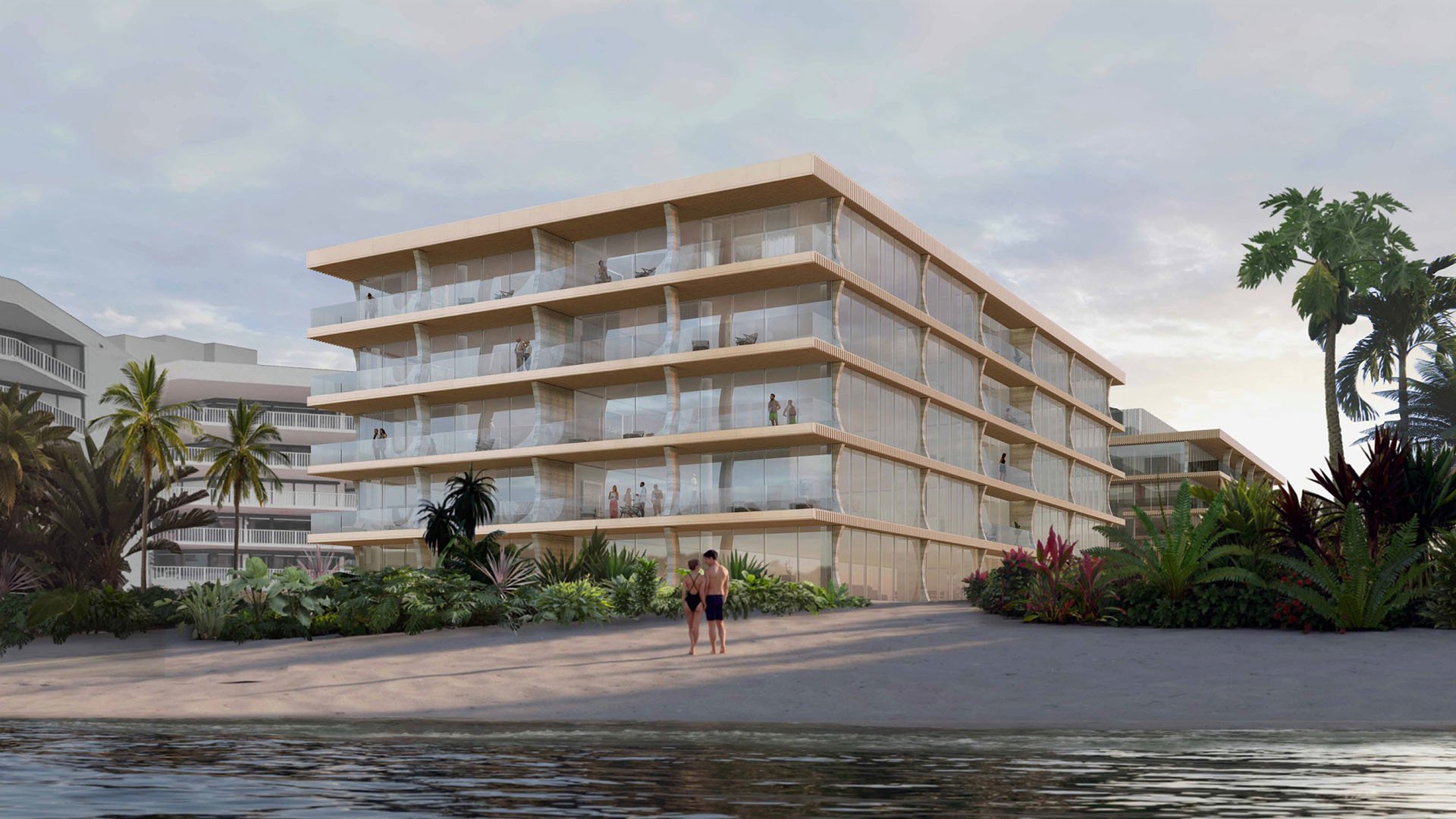
A Palm Beach waterfront purchase can fulfill two distinct ambitions: living beside the water and living through the water. The first is primarily visual. The second depends on whether the vessel, dock arrangement, and cruising routine work together without friction.
That distinction should shape the search from the outset. A buyer anticipating occasional marina use has different priorities from an owner seeking spontaneous departures from a private dock. Vessel dimensions, boarding preferences, storage needs, guest patterns, and frequency of use belong in the property brief alongside architecture and interior finishes.
This framework also prevents a familiar mismatch. An exceptional residence can still be a poor boating choice if the route, dock, or operating structure does not suit the owner. Conversely, a less dramatic water view may support a more effortless routine.
The word marina may suggest convenience, but access is only as useful as its most restrictive element. Buyers should examine the entire journey from berth to preferred open-water route, considering turning room, channel conditions, fixed obstacles, operating bridges, and the practical demands of arrival and departure.
The dock warrants equal scrutiny. Length alone does not establish compatibility. Beam, draft, lift configuration, pilings, shore power, water service, fender placement, boarding height, and wake exposure can all influence usability. A boat slip may be assigned, separately conveyed, leased, or governed through an association; each structure creates a different balance of control and recurring expense.
Written confirmation matters. Marketing language such as “dock available” does not establish whether the space fits the intended vessel, whether modifications are permitted, or which party maintains the surrounding infrastructure.
Bridge clearance is not an abstract specification. It can determine whether a vessel takes the most direct route, waits for an opening, follows a longer alternative, or cannot pass at all. Clearance should therefore be tested against the boat in its actual operating configuration, including antennas, towers, outriggers, and other equipment.
The more useful question is not simply, “Is there a bridge?” but “How does this route perform when we are most likely to use it?” Timing preferences, tolerance for waiting, and the desire for unscheduled departures can matter as much as nominal passage dimensions.
A technically possible route may still prove inconvenient in practice. For an owner who prizes immediacy, even modest recurring delays can weaken lifestyle fit. For someone who boats occasionally and plans departures in advance, the same condition may be entirely acceptable.
Waterfront carrying costs become clearer when divided into separate ledgers. The residential ledger may include association obligations, property maintenance, utilities, and household services. The boating ledger may include dock or marina charges, lift service, electrical equipment, cleaning, vessel care, insurance considerations, and professional management.
A third ledger should address infrastructure risk. Depending on the property and ownership structure, seawalls, pilings, decking, lifts, utilities, and access components may require inspection, repair, or replacement. Buyers should establish who controls each component, who pays for it, and whether those costs are individual or shared.
This separation makes comparisons more disciplined. A residence without dedicated dockage may carry fewer marine obligations but require off-site arrangements. A private-dock property may offer greater control while placing more maintenance responsibility on the owner. Neither model is inherently superior. The better choice is the one whose cost structure reflects intended use.
Water can create visual openness without guaranteeing seclusion. A home may feel private from the street yet remain exposed to passing vessels, marina circulation, dock workers, neighboring slips, or waterside promenades. Buyers should visit at the times they expect to entertain, swim, dine outdoors, or board the boat.
Private dockage can reduce shared circulation, but it may also bring service activity closer to living areas. Shared facilities can shift that activity away from the residence, although they introduce common access and operational rhythms. Landscaping, elevation, terrace orientation, lighting, and the placement of service paths can matter as much as distance from the water.
The broader residential comparison is also instructive. Buyers exploring Palm Beach Residences can weigh island preferences against West Palm Beach alternatives such as Forté on Flagler West Palm Beach. The objective is not to assume identical marine capabilities, but to compare privacy, access, and daily movement on equal terms.
A boating household’s ideal address depends on what happens between outings. Consider where provisions arrive, how crew or service professionals enter, where equipment is stored, and whether wet gear can move through the property discreetly. Families may prioritize protected boarding and simple transfers. Frequent hosts may place greater value on guest arrival, dock lighting, and separation between entertaining and service zones.
Geography should remain flexible until the routine is clear. A search centered on Palm Beach might expand to Alba West Palm Beach or north to The Ritz-Carlton Residences® Palm Beach Gardens, with each option assessed against the same vessel-specific criteria. A project’s inclusion in the search is not a substitute for confirming current dockage rights, route conditions, or operating rules.
Before committing, assemble a coordinated review of the residence, dock rights, physical marine infrastructure, vessel compatibility, route constraints, and governing documents. Marine contractors, surveyors, insurance professionals, legal counsel, and property advisers may each address a different aspect of the decision.
The most revealing exercise is a realistic departure scenario. Trace the path from the residence to the boat, prepare it for use, navigate the intended route, and reverse the process upon returning. This exercise exposes small inconveniences that plans and photographs rarely convey.
For a luxury buyer, waterfront value is ultimately experiential. The best fit aligns control, privacy, cost, and spontaneity rather than maximizing any single feature in isolation.
Does a water view guarantee usable boat access? No. A view and functional vessel access are separate considerations, each requiring independent confirmation.
Why should bridge clearance be checked for a specific vessel? Vessel height varies by equipment and configuration, so a general clearance statement may not establish practical passage.
Is private dockage always more private than a shared marina? Not necessarily. Service activity, passing traffic, neighboring docks, and terrace orientation can all affect privacy.
What should buyers confirm about a boat slip? Confirm dimensions, legal rights, assignment terms, permitted use, service capacity, maintenance responsibility, and transfer conditions.
How can dockage affect carrying costs? Potential expenses include fees, utilities, cleaning, lift service, repairs, insurance considerations, and professional vessel care.
Why inspect seawalls and pilings separately from the residence? Marine infrastructure can have distinct maintenance needs, control arrangements, and cost responsibilities.
Can bridge timing matter even when clearance is adequate? Yes. Waiting patterns and operating constraints can influence convenience, scheduling, and spontaneous use.
What privacy conditions should be observed in person? Look for passing vessels, dock servicing, shared circulation, sightlines, lighting, noise, and activity near outdoor rooms.
Should occasional boaters prioritize on-site dockage? Only if its convenience justifies the associated obligations. Off-site arrangements may better suit infrequent use.
What is the most important final comparison? Compare the complete ownership routine, including home costs, boating costs, route convenience, privacy, and service logistics.
When you're ready to tour or underwrite the options, connect with MILLION.
If branded residences are on your mind — as a home or as an allocation — we would be glad to share what we are seeing, privately.
Begin a quiet conversation