A practical look at La Maré Bay Harbor Islands as a calm, repeatable home base for globally mobile owners who want pet care to feel consistent even when travel schedules change.
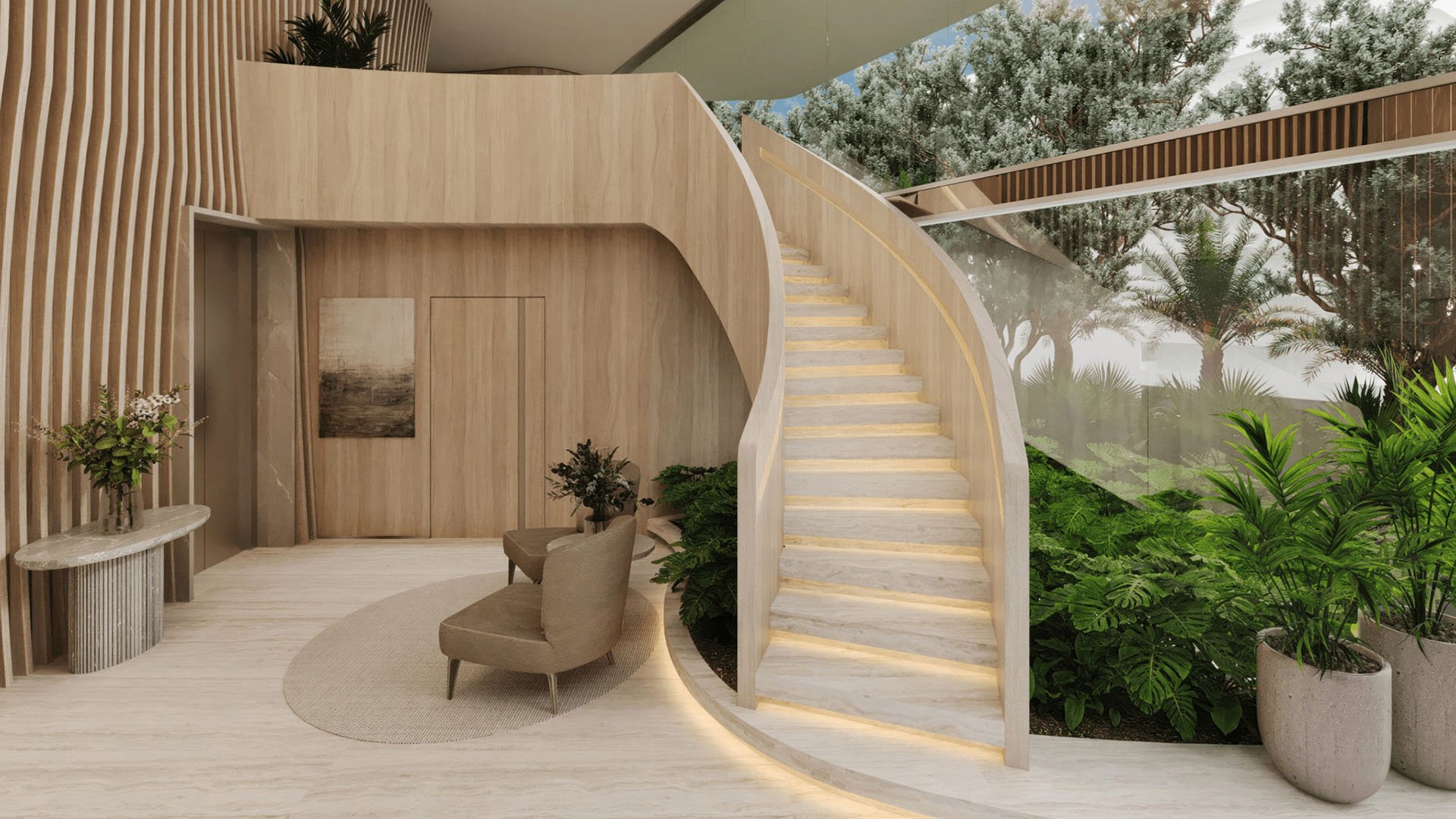
For globally mobile owners, the most useful residence is not simply beautiful on arrival. It is dependable in their absence. That distinction is central to the appeal of La Maré Bay Harbor Islands, where pet-friendly living is best understood not as a label, but as a system of routines, service access, handoffs, and safeguards.
Pets read a home through repetition. The same morning walk, the same feeding order, the same caregiver entering in the same way, and the same quiet place to rest can matter more than an amenity name. For owners moving between South Florida, New York, Europe, Latin America, or a yacht itinerary, the goal is to make La Maré feel consistent to the animal, even when the human calendar is not.
That requires planning. A luxury residence may offer privacy, design, and discretion, but the pet’s daily experience depends on how residence design, neighborhood access, climate, building rules, and service providers work together. The owner who travels well is the owner who makes those variables predictable.
The strongest pet routine is not elaborate. It is repeatable. Walking, feeding, medications, grooming appointments, sitter access, and end-of-day comfort should be set out as a simple operating rhythm that an owner, spouse, household staff, walker, or sitter can follow without improvisation.
At La Maré Bay Harbor Islands, that means treating the residence as a permanent point of orientation. The pet should know where its water sits, where its leash is kept, which route begins the morning, and what happens when luggage appears. Travel should not make the household feel unfamiliar. It should trigger a known sequence.
This is where true pet-friendly luxury separates itself from superficial hospitality. A single amenity can be pleasant, but dependable logistics protect the pet’s emotional baseline. For buyers, the better question is not only whether a building permits pets. It is whether the owner can create a practical, repeatable care system inside and around the residence.
Travel days deserve their own script. Owners often focus on flights, drivers, and household security, while the pet is left to absorb an abrupt shift in energy. A stronger plan begins the night before: confirm the caregiver, check food and medication supplies, place leashes and carriers where expected, and decide whether the pet’s final walk happens before departure or after the sitter arrives.
The day itself should have clear timing. Morning feeding should remain close to normal. Walks should be neither skipped nor radically extended unless that is already part of the pet’s routine. If medication is involved, the caregiver should have written instructions, emergency authority, and a contact hierarchy that does not depend on the owner being reachable mid-flight.
Access is equally important. A sitter or walker should know exactly how to enter the residence, where supplies are stored, what areas are off limits, and how updates are delivered. For some owners, a short message after each walk is enough. For others, a photo, feeding confirmation, and evening summary may be the preferred rhythm. The key is deciding in advance.
Bay Harbor Islands’ quieter residential character is useful for lower-stress pet routines, especially for dogs that rely on familiar walking patterns. Repetition can make the neighborhood feel like part of the home. The same corners, timing, and return sequence help pets build confidence, and confidence reduces the burden on caregivers when the owner is away.
Buyers comparing Bay Harbor Islands residences often consider the broader rhythm of the area, including boutique projects such as Alana Bay Harbor Islands and waterfront-oriented addresses such as Onda Bay Harbor. For pet owners, the evaluation should move beyond finishes and views to the daily question: can the dog or cat experience a steady pattern here?
For a private Bay Harbor routine, the point is not novelty. It is familiarity. A primary morning route, a shorter bad-weather route, and an evening decompression route can give a dog structure without requiring the caregiver to make decisions under pressure. Cats and smaller pets benefit from the same logic inside the residence, with consistent feeding, resting, and handling zones.
Lifestyle planning for pet owners should extend beyond the unit itself. Before a seasonal stay or extended absence, owners should map the practical infrastructure: regular walker, backup walker, sitter, veterinarian, groomer, emergency contact, food supply source, and hurricane-season plan. None of this needs to be theatrical. It needs to be documented.
The best version is a one-page household pet brief. It should include the pet’s normal schedule, temperament notes, feeding amounts, medication instructions, preferred walking routes, elevator or lobby preferences if relevant, and what to do if the pet refuses food or seems stressed. The brief should be updated after each stay, because routines change subtly over time.
Owners considering nearby boutique residences such as Origin Bay Harbor Islands or wellness-focused addresses such as The Well Bay Harbor Islands can apply the same lens. The question is not whether a residence looks serene in photography. It is whether the owner can maintain care continuity across real travel patterns.
Boutique privacy matters because pet care is intimate. Owners are authorizing someone to enter the home, handle a family animal, and make small decisions that affect the household’s calm. A well-run routine should define who has access, how often they enter, what they may do, and how emergency authority works if the owner is unreachable.
Second-home ownership adds another layer. When La Maré functions as a seasonal base rather than the only residence, the pet may be adjusting to multiple environments. The owner’s job is to make the South Florida home feel recognizable. Bring the same bedding, bowls, harnesses, toys, and feeding order whenever possible. Avoid turning each arrival into a complete reset.
Seasonal absences should be planned with the same discipline. If the pet remains in residence, the caregiver schedule should include entry frequency, update cadence, food inventory, medication management, and emergency decisions. If the pet travels with the owner, the residence should still be left ready for the next arrival, with supplies refreshed and routines easy to restart.
In South Florida, hurricane-season readiness should not sit outside the pet routine. It should be built into it. Traveling owners need to decide in advance who can act if weather disrupts plans, where pet supplies are stored, how medications are protected, and what authority a caregiver has if conditions change while the owner is away.
The pet brief should include evacuation preferences, carrier locations, vaccination or medical documentation locations, and emergency contacts. It should also identify who can make decisions if the owner is abroad, on a flight, or otherwise unavailable. Calm in a weather event is rarely improvised. It is designed before the season begins.
That is the larger lesson for La Maré buyers. Pet-friendly living is not merely permission. It is continuity. The residence, the neighborhood, the caregiver, and the owner’s travel habits should work as one system, so the animal’s day remains legible even when the owner’s itinerary changes.
Is La Maré Bay Harbor Islands suitable for owners who travel often? Yes, it can function as a stable home base when owners create repeatable pet routines, access plans, and caregiver instructions.
Should buyers verify pet policies before purchasing? Yes. Owners should confirm current building rules, fees, size limits, and procedures directly before making decisions.
What matters most for pets in a luxury residence? Predictability matters most: feeding, walking, rest, medication, and caregiver handoffs should remain consistent.
How should a travel-day pet routine begin? Start with normal feeding, a planned walk, confirmed caregiver access, and written instructions for the day.
Why are repeated walking routes useful? Familiar routes help dogs understand the home environment and reduce stress when someone else is walking them.
What should be included in a pet care brief? Include schedule, food, medication, temperament notes, walking routes, emergency contacts, and update preferences.
How should seasonal absences be handled? Define who enters the residence, how often updates are sent, and what authority the caregiver has in emergencies.
Does hurricane season change the routine? It should. Owners need a preplanned pet safety protocol rather than a last-minute response.
What should globally mobile buyers prioritize? They should prioritize continuity, privacy, caregiver reliability, and a residence that supports familiar routines.
Is pet-friendly luxury more than an amenity label? Yes. The strongest pet-friendly living depends on dependable systems, not a single feature or marketing phrase.
When you're ready to tour or underwrite the options, connect with MILLION.
If branded residences are on your mind — as a home or as an allocation — we would be glad to share what we are seeing, privately.
Begin a quiet conversation