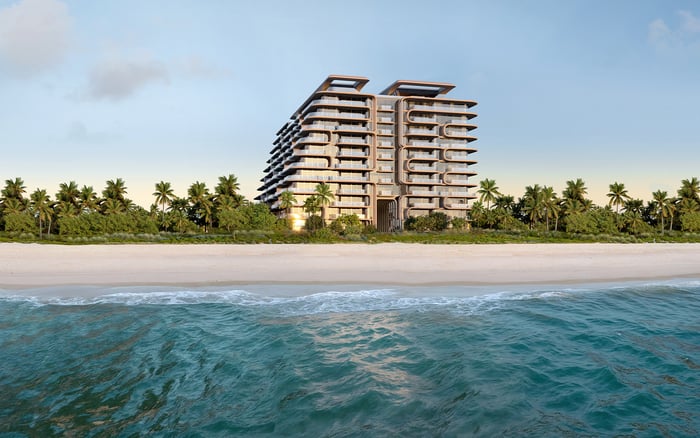
A practical, luxury-minded guide to evaluating Key Biscayne oceanfront residences for long-term ownership, from site quality and building governance to lifestyle durability and exit value.
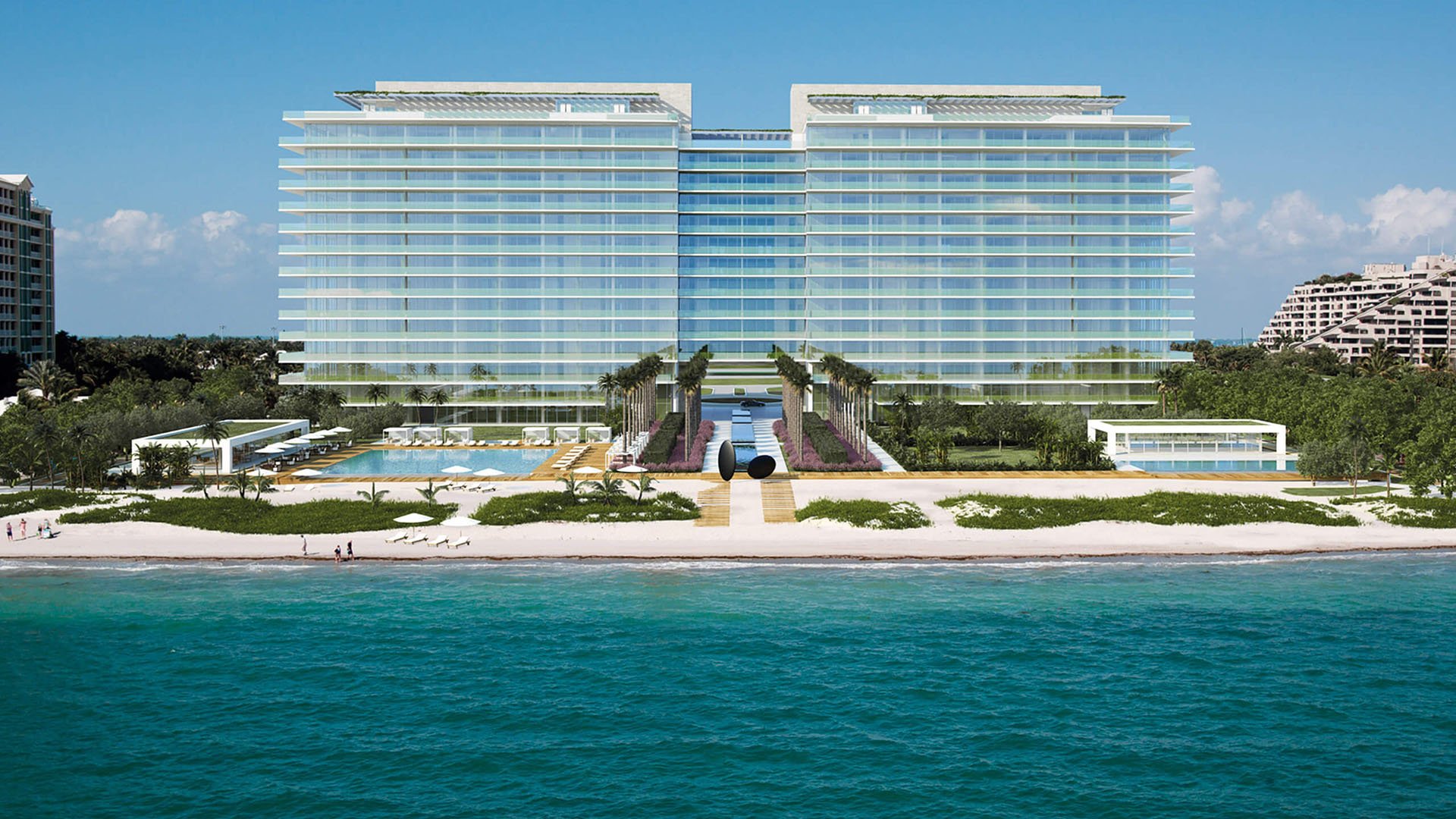
An oceanfront residence in Key Biscayne can seem, at first glance, like a straightforward luxury purchase: view, sand, privacy, arrival. For a serious long-term buyer, however, the question is more exacting. The right residence must perform not only as a beautiful place to live, but as a durable ownership position through market cycles, building costs, insurance conditions, family needs, and eventual resale.
That is why the best Key Biscayne purchase is rarely defined by spectacle alone. A wide view may be memorable, but a well-run building, a disciplined floor plan, dependable privacy, and a location that remains easy to use every day can prove more valuable over time. Oceanfront ownership rewards scrutiny. The buyer who studies the building as carefully as the beach is usually the buyer who makes the stronger long-term decision.
Key Biscayne occupies a distinct category. It is not a purely urban purchase, and it is not a remote resort purchase. It is a residential island setting with direct coastal identity, close enough to Miami’s business, culture, and airport rhythms to remain practical, yet removed enough to feel intentionally private.
For an oceanfront residence, the land beneath the building matters as much as the finishes inside the apartment. Buyers should evaluate how the residence meets the coastline, how the arrival sequence feels, how private the beach experience is, and whether the building’s position supports a calm daily routine. The strongest long-term homes tend to feel composed from lobby to terrace, not merely dramatic from one room.
In Key Biscayne, the ocean view is only one part of the site story. Orientation, light, wind exposure, access, and privacy all influence how often an owner uses the terrace and how livable the residence feels across seasons. A spectacular view that comes with awkward glare, limited outdoor comfort, or compromised privacy may not age as well as a more balanced plan.
A property such as Oceana Key Biscayne belongs in the conversation because it represents the type of oceanfront address buyers often study when weighing Key Biscayne’s residential character against other South Florida coastal markets. The lesson is not to chase a name alone, but to understand why certain buildings remain relevant: setting, scale, services, and the way the residence actually lives.
A long-term purchase in a coastal condominium is also a purchase into a shared financial and physical structure. The association, reserve posture, maintenance culture, insurance profile, and capital planning deserve the same attention as the kitchen, ceiling heights, or primary suite. A polished residence inside a weakly managed building can become a frustrating ownership experience.
Serious buyers should review condominium documents with professional guidance and ask direct questions about ongoing projects, future assessments, building systems, concrete restoration, waterproofing, elevators, roof conditions, windows, mechanical systems, staffing, and insurance. These items are not decorative. They shape the true cost and stability of ownership.
This is where the definition of investment becomes more nuanced. In luxury oceanfront property, investment quality is not only about price appreciation. It is about how cleanly the asset can be owned, insured, maintained, enjoyed, and eventually sold. The most resilient residences tend to pair emotional appeal with institutional-grade stewardship.
Interior fashion changes quickly. Floor plan quality does not. For a long-term Key Biscayne buyer, the residence should be judged by proportion, privacy, storage, service areas, bedroom separation, terrace depth, and the ability to host guests without compromising daily comfort. A residence that photographs beautifully but lives awkwardly can lose its charm after the first season.
The best layouts create a natural hierarchy: a gracious arrival, living spaces oriented toward water and light, bedrooms that feel quiet, and service zones that support real use. Buyers who plan to hold for many years should also consider whether the plan can accommodate evolving needs, such as visiting family, hybrid work, wellness routines, or aging in place.
Comparing Key Biscayne with other luxury coastal residences can sharpen the eye. Buildings such as 57 Ocean Miami Beach and The Ritz-Carlton Residences® Miami Beach show how South Florida buyers increasingly evaluate wellness, privacy, services, and beach proximity as a complete residential package. Key Biscayne buyers should apply that same standard, then ask whether the island setting adds the kind of calm they will continue to value.
The strongest luxury purchases are those that fit a repeatable life. Key Biscayne’s appeal is not only the idea of a weekend by the water, but the possibility of an everyday coastal routine: morning light, water views, beach walks, quiet evenings, and a more residential cadence than many denser waterfront districts.
That lifestyle, however, must be tested honestly. How often will the owner commute? How important is immediate access to restaurants, private clubs, cultural venues, schools, or boating? Does the household want a tranquil island rhythm, or does it need the constant energy of a more urban neighborhood? The right answer is personal, but the questions should be practical.
Waterfront ownership can be seductive. It can also be operational. Salt air, storms, humidity, building maintenance, and insurance realities are part of the ownership environment. A buyer who accepts this from the beginning can focus on selecting a residence and building prepared for those conditions rather than surprised by them.
A serious Key Biscayne purchase should be compared against nearby luxury coastal options, not because one market is universally better, but because each offers a different ownership thesis. Fisher Island emphasizes seclusion and club-like exclusivity. Miami Beach offers broader cultural access and a more varied urban-resort lifestyle. Bal Harbour and Surfside bring a refined oceanfront corridor with a different social and retail orientation. Sunny Isles Beach offers a vertical skyline and a broad selection of high-rise oceanfront product.
For instance, The Residences at Six Fisher Island may appeal to a buyer seeking a highly private island environment, while Rivage Bal Harbour speaks to a different version of coastal luxury. Seeing these alternatives helps clarify whether Key Biscayne’s quieter residential character is not merely attractive, but truly aligned with the buyer’s long-term life.
This comparative work is especially important for second-home owners. A residence that seems perfect for occasional use may feel less practical if family needs change. Conversely, a quieter island setting may become more valuable as the owner’s priorities shift toward privacy, wellness, and consistency.
Every long-term buyer should think like a future seller before signing. The best resale positions usually have attributes that are easy to understand: desirable views, rational layouts, quality buildings, strong maintenance culture, protected privacy, and a location with enduring appeal. Highly personalized renovations, unusual layouts, and difficult building issues can narrow the future buyer pool.
This does not mean buying generically. It means avoiding avoidable friction. A residence can be distinctive without being difficult. It can be highly personal in furniture and art, while remaining broadly appealing in plan, materials, and functionality. In luxury real estate, restraint often travels better than novelty.
For Key Biscayne specifically, the buyer should ask whether the home will still make sense ten years from now. Will the terrace still be usable? Will the building still feel maintained and relevant? Will the association have planned responsibly? Will the floor plan still support the household? The answers matter more than a short-term market mood.
A serious Key Biscayne oceanfront residence should pass five quiet tests. First, it should feel naturally private without isolating the owner from daily convenience. Second, it should offer views and outdoor space that are usable, not simply impressive. Third, the building should show evidence of thoughtful governance and ongoing care. Fourth, the plan should be flexible enough for real life. Fifth, the purchase should make sense even if the owner holds through a full market cycle.
If those conditions are met, Key Biscayne can offer something rare in South Florida luxury: a coastal home that feels emotionally immediate and strategically patient. The most compelling purchases are not the loudest. They are the ones that continue to feel intelligent after the initial excitement has faded.
Is Key Biscayne best for primary homes or second homes? It can work for either, provided the buyer is aligned with a quieter island lifestyle and has reviewed the practical ownership details.
What matters most in an oceanfront condominium purchase? Site quality, building condition, association governance, insurance, reserves, and floor plan durability should all be evaluated together.
Should buyers prioritize the highest floor available? Not always. Light, privacy, wind, terrace usability, elevator access, and overall layout may matter as much as elevation.
How should a buyer think about assessments? Assessments should be reviewed as part of the building’s larger maintenance and capital planning picture, not as isolated surprises.
Is a renovated residence always the better choice? A renovation helps only if the underlying floor plan, building quality, and association profile also support long-term ownership.
What makes a floor plan durable? Good bedroom separation, usable terraces, sensible storage, service areas, and flexible living spaces tend to age well.
How does Key Biscayne compare with Miami Beach? Key Biscayne generally appeals to buyers seeking a more residential coastal rhythm, while Miami Beach offers a broader urban-resort feel.
Is oceanfront ownership more complex than inland ownership? Yes. Coastal exposure, building maintenance, insurance, and shared infrastructure require more careful review before purchase.
What should future resale buyers value most? Clear views, privacy, functional layouts, strong building care, and a desirable location usually help broaden future appeal.
When is the right time to buy in Key Biscayne? The right time is when the residence, building, financial structure, and lifestyle fit are all strong enough to support a long hold.
For a discreet conversation and a curated building-by-building shortlist, connect with MILLION.
If branded residences are on your mind — as a home or as an allocation — we would be glad to share what we are seeing, privately.
Begin a quiet conversation