A discreet buyer’s guide for wellness-focused purchasers evaluating Bal Harbour residences, with emphasis on privacy, quiet, natural light, service culture, and long-term livability.
Bal Harbour rewards buyers who value restraint. For the wellness-focused purchaser, the question is not simply whether a residence offers an amenity menu. It is whether the home supports a calmer, more intentional day: waking with natural light, moving easily between private and shared spaces, recovering from travel, entertaining without friction, and returning to a setting that feels composed rather than performative.
This guide treats wellness as a purchasing discipline. It is about air, sound, privacy, arrival, views, service, floor-plan logic, and the emotional quality of the building. A beautiful residence can still be a poor wellness fit if it is difficult to live in quietly. Conversely, a more understated home can feel exceptional when its proportions, exposure, and building culture support the way the owner actually lives.
Bal Harbour buyers often compare a focused set of residences rather than a broad market. Within that conversation, Rivage Bal Harbour and Oceana Bal Harbour are useful reference points for understanding how different residential environments may speak to privacy, daily flow, and a polished coastal lifestyle.
The most effective wellness search begins before touring. A buyer should identify the non-negotiables that shape daily life: preferred wake-up light, tolerance for elevator traffic, desire for outdoor space, need for a quiet work setting, interest in private fitness routines, and expectations around valet, security, and household staff coordination.
Wellness-focused buyers should also separate amenities from outcomes. A spa room does not guarantee restoration. A gym does not guarantee consistency. A terrace does not guarantee usable outdoor living. The sharper question is whether the residence makes healthy routines easier to sustain. Can a morning stretch happen without rearranging furniture? Is there a graceful place to take calls? Does the primary suite feel removed from the social areas? Is the kitchen suited to everyday nourishment, not only catered entertaining?
This is where floor-plan discipline matters. Look for circulation that feels natural, storage that prevents visual clutter, and separations between guest, staff, and owner spaces when applicable. Calm is often designed into the plan long before it is expressed through finishes.
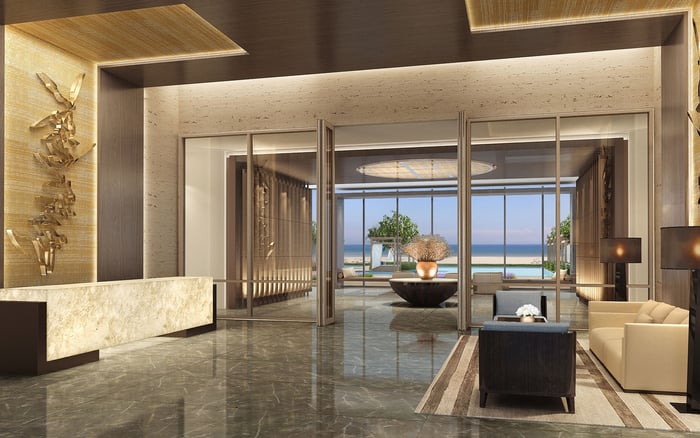
A wellness buyer should tour at the pace of a resident, not a visitor. Enter the building slowly. Notice the arrival sequence, lobby volume, elevator experience, corridor atmosphere, and the transition into the residence. The best homes do not depend on one dramatic reveal. They create a steady sense of ease from the moment the owner arrives.
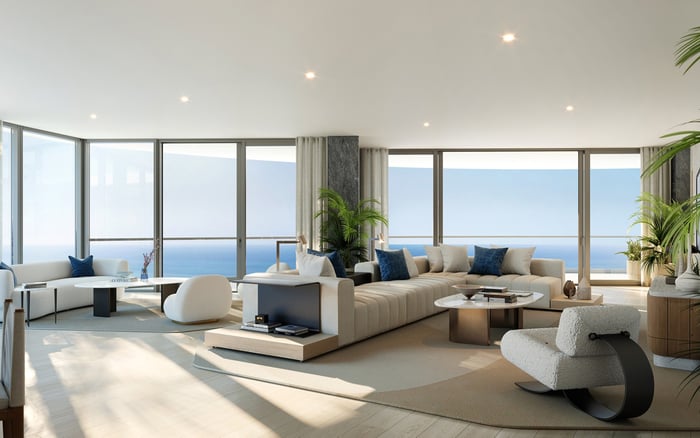
Inside the residence, test the day. Stand where breakfast would happen. Sit where reading would happen. Open the terrace doors if permitted. Imagine returning from a long flight, hosting two guests, managing a private chef, or taking an early call while others sleep. These small exercises often reveal more than a finish schedule.
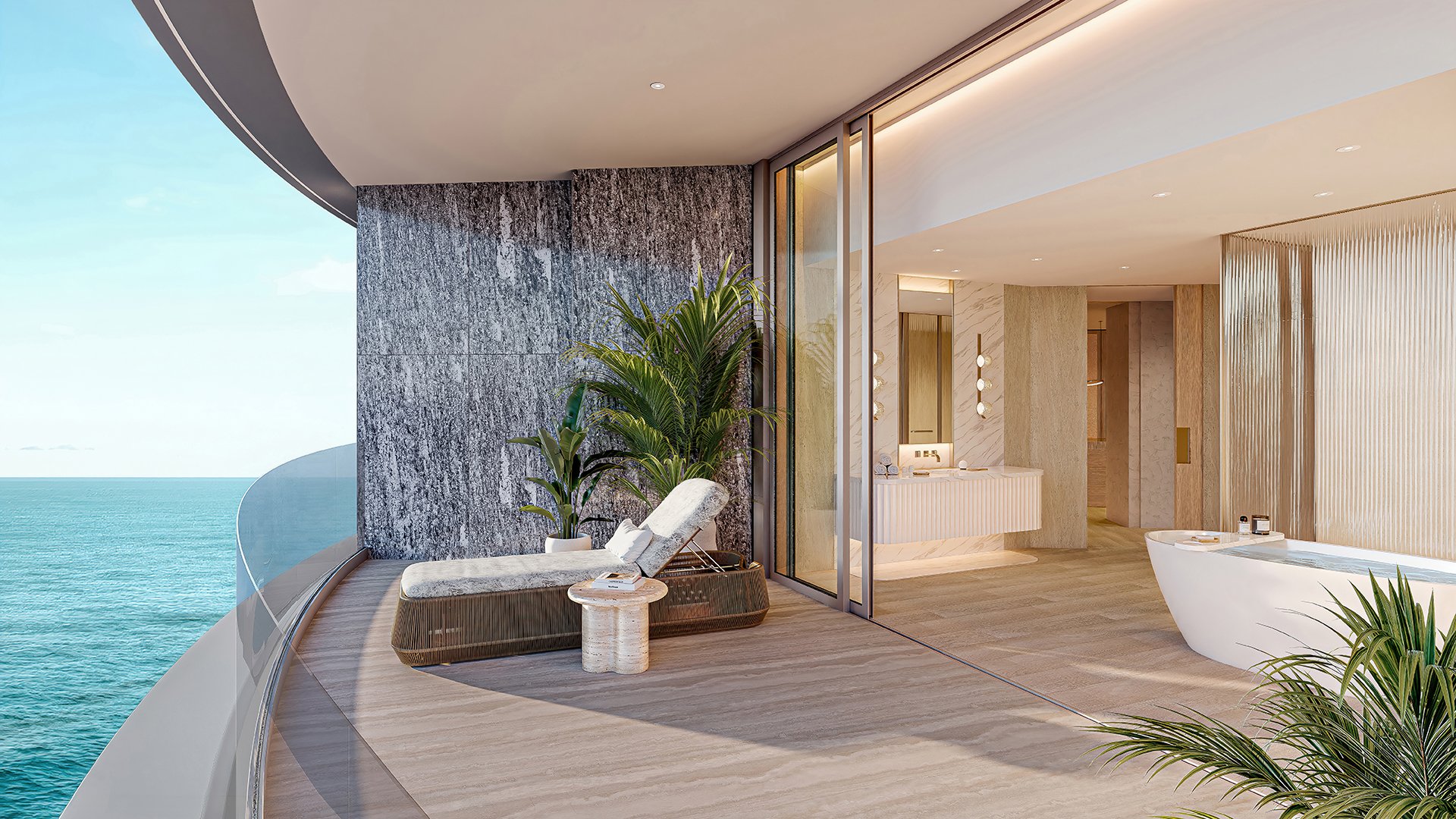
Waterfront and Oceanfront settings deserve special attention. Views can be emotionally restorative, yet exposure, wind, glare, and privacy should all be considered. When possible, evaluate how the home feels in morning, afternoon, and evening conditions. The most compelling view is the one that remains comfortable to live with, not only impressive to photograph.
Wellness in a luxury condominium is partly physical and partly operational. Service culture can either protect serenity or erode it. A discreet, well-run building should make daily life feel lighter: arrivals handled cleanly, guests guided with care, deliveries managed without disruption, and shared spaces maintained with consistency.
Ask practical questions. How does the building handle peak arrival times? What is the guest protocol? How are private trainers, wellness providers, chefs, and household staff accommodated? Are there rules that affect pets, renovations, deliveries, or terrace use? A buyer who values calm should understand not only what is permitted, but how policies are enforced.
Boutique scale can be attractive to wellness-minded owners because fewer residences may create a more intimate daily atmosphere. Larger buildings may offer broader services and more extensive shared spaces. Neither is inherently better. The right answer depends on how much privacy, programming, anonymity, and staff support the buyer expects.
A disciplined Bal Harbour search may include nearby comparisons, especially when the buyer is calibrating wellness offerings, building personality, and value perception. The goal is not to blur neighborhoods, but to sharpen the brief. Looking at The Well Bay Harbor Islands can help a buyer think carefully about wellness-oriented residential language, while Arte Surfside may serve as a point of comparison for those considering a more design-forward coastal environment.
These comparisons should remain purposeful. If Bal Harbour is the preferred address, outside examples are best used to clarify priorities: Do you want a quieter building? A stronger service proposition? A particular kind of terrace experience? A more private arrival? A different relationship to the water? The strongest buyers do not chase every attractive residence. They refine the few that support their life with the least compromise.
Wellness should not be treated as separate from investment judgment. A highly personal home can still be selected with resale awareness. Favor qualities with broad appeal: logical layouts, natural light, privacy, strong views, durable materials, and building operations that feel consistent. Avoid overpaying for features that matter only in a presentation but add little to daily life.
The most sophisticated Bal Harbour buyer is not seduced by novelty alone. They are attentive to the quieter signals: how a residence sounds when the doors are closed, how it handles storage, how the primary suite rests within the plan, how service teams move through the building, and whether the overall environment supports recovery, focus, and ease.
For wellness-focused buyers, the ideal Bal Harbour residence is less about escape than alignment. It should make the day feel more coherent, the home more restorative, and ownership more intuitive.
What should wellness-focused buyers prioritize first in Bal Harbour? Start with privacy, quiet, natural light, layout, and the way the residence supports daily routines. Amenities matter, but the home itself should create ease.
Is an Oceanfront residence always the best wellness choice? Not always. Oceanfront living can be deeply restorative, but buyers should also evaluate glare, wind, privacy, and how comfortably the outdoor areas function.
How important is building service culture? It is central to the experience. A well-managed building can protect calm through discreet arrivals, clear guest protocols, and consistent operations.
Should a wellness buyer choose a Boutique building? Boutique scale may appeal to buyers who want intimacy and fewer daily interactions. Larger buildings may suit those who prefer broader services and amenities.
What role does Waterfront exposure play? Waterfront exposure can add visual calm and a stronger connection to place. The buyer should still test comfort, privacy, and usability at different times of day.
How should buyers compare Bal Harbour with nearby areas? Use nearby residences to refine priorities, not to dilute the search. Comparisons should clarify what kind of privacy, service, and daily rhythm feels right.
Can wellness features support resale value? They can when tied to broadly desirable qualities such as light, layout, views, privacy, and durable design. Highly specialized features should be considered carefully.
What questions should buyers ask before making an offer? Ask about building policies, guest access, service procedures, renovation rules, pet protocols, and how private wellness providers are accommodated.
How can a buyer avoid being distracted by amenities? Translate every amenity into a daily-life question. If it will not support a routine you genuinely use, it should not drive the purchase decision.
What defines the right Bal Harbour wellness residence? The right residence feels calm, functional, private, and easy to return to. It should support the buyer’s health, schedule, and long-term ownership goals.
For a discreet conversation and a curated building-by-building shortlist, connect with MILLION.
If branded residences are on your mind — as a home or as an allocation — we would be glad to share what we are seeing, privately.
Begin a quiet conversation