A buyer-focused guide to Surfside’s most nuanced lifestyle decision: choosing between a beach-first daily rhythm and a more city-oriented pattern of convenience, privacy, and access.
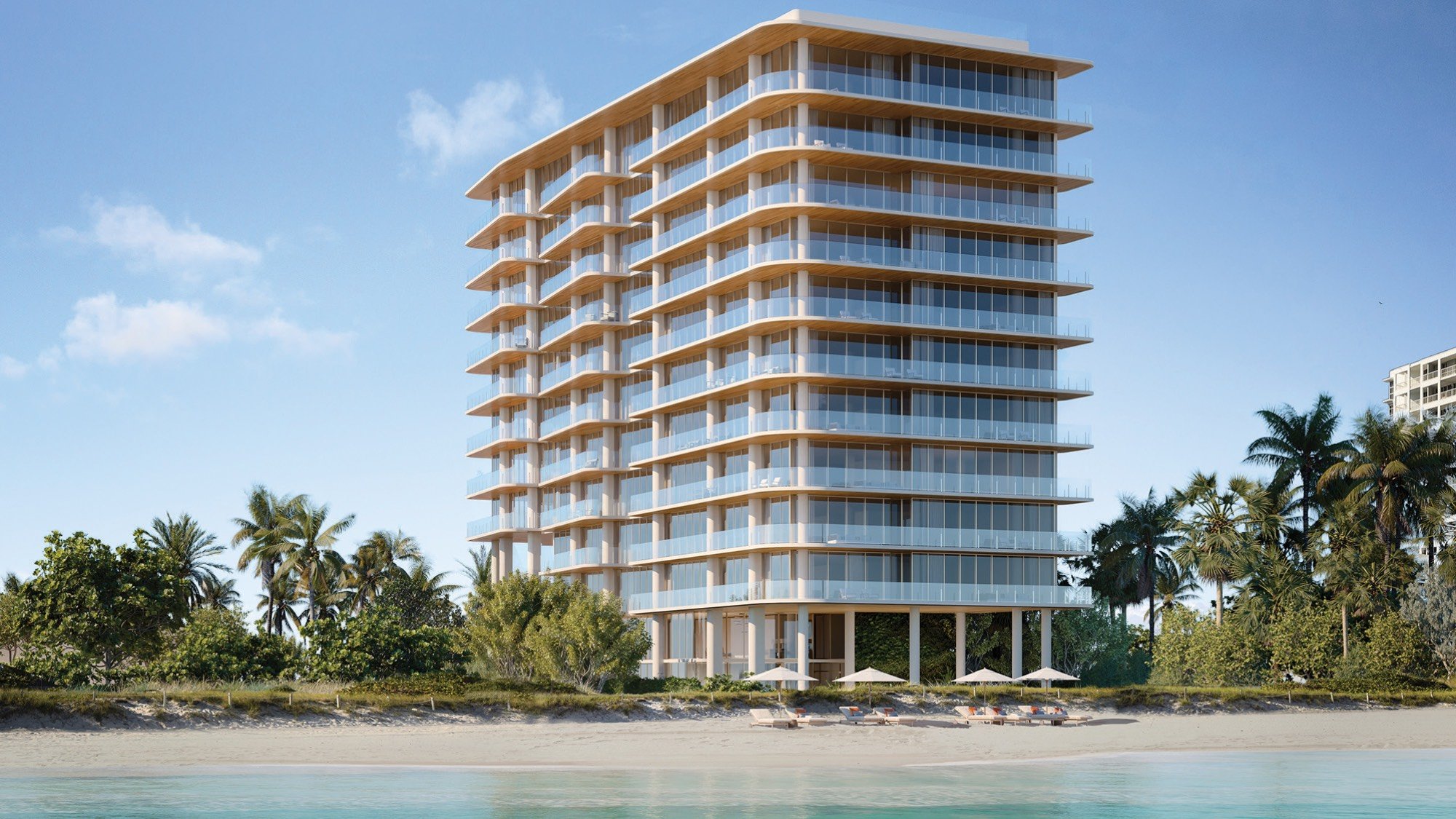
In Surfside, the choice between beach access and city lifestyle is not a simple east-or-west question. It is a more personal decision about how a residence will be used, how often it will be occupied, and what kind of privacy a buyer expects from a South Florida address.
For some buyers, the defining luxury is stepping from the building into a day organized around light, water, and quiet. For others, the better life is measured by ease of movement: a faster coffee, a simpler school run, a shorter drive to dinner, or the ability to keep a full calendar without feeling detached from Miami’s urban energy.
That is why Surfside changes the calculation. It is neither a purely resort choice nor a conventional city choice. It asks a buyer to decide which version of convenience matters most. Many families will label one column beach access and the other city lifestyle, but the better exercise is more precise: what will feel effortless on an ordinary Tuesday?
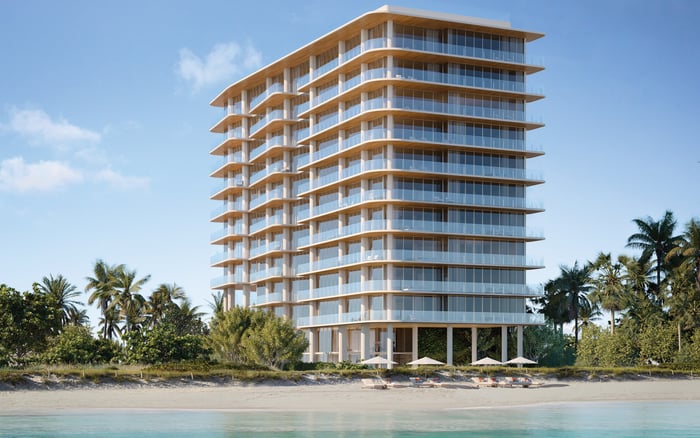
Beach access becomes the premium when the residence is intended to reset the day. The buyer who values early walks, a swim before calls, a slower weekend breakfast, or a place where guests can arrive and immediately exhale will usually lean toward the sand.
This is where Oceanfront living is less about spectacle and more about repetition. The value is in the daily ritual: no planning, no parking, no negotiation with traffic, and no need to turn the beach into an event. It is already part of the address.
Residences such as The Delmore Surfside naturally enter this conversation because they speak to the buyer who wants the beach to be central, not occasional. The appeal is not only the view, but the discipline of a lifestyle built around proximity to the water.
For second-home owners, beach access can also simplify hosting. Family and friends do not need an itinerary to understand why they are there. The residence itself sets the pace. For full-time residents, the question is sharper: will daily life benefit from that serenity, or will the beach become a beautiful feature used less often than expected?
The city lifestyle buyer is not necessarily rejecting the beach. More often, that buyer wants the beach to be present without becoming the entire identity of the property. The priorities shift toward practical luxury: arrivals, departures, errands, meetings, dining, wellness appointments, household management, and the ability to move through the week with less friction.
In Surfside, this can be a sophisticated position. A buyer may love coastal architecture and still require a residence that functions as a polished base for a broader Miami life. The decision then moves away from the postcard view and toward the calendar.
The right question is not, “Do I want the ocean?” Most buyers in this segment do. The better question is, “How many days each week will the ocean matter more than access to everything else?” That answer usually clarifies whether the buyer should prioritize immediate beach orientation or a more balanced address.
Projects such as Ocean House Surfside may belong in the early comparison set for buyers trying to understand how Surfside residences translate into real routines. The exercise is less about collecting names and more about testing a lifestyle against actual habits.
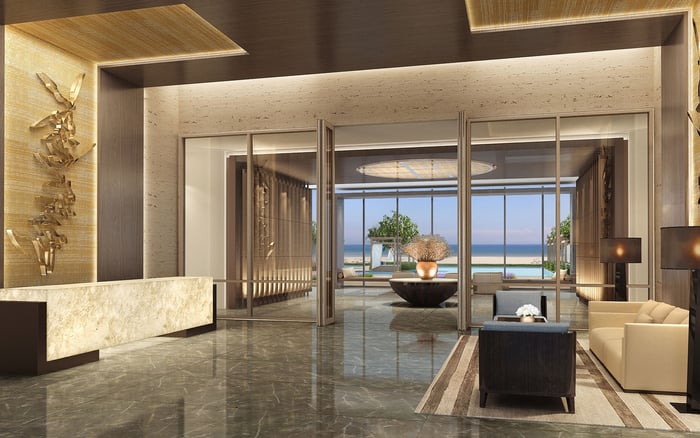
Surfside rewards attention to building culture. A buyer may be drawn to beach access, but the experience will feel very different depending on the atmosphere of the residence. Some buyers want the quiet recognition of a smaller community. Others prefer a more serviced environment where staff, amenities, and arrival sequences shape the day.
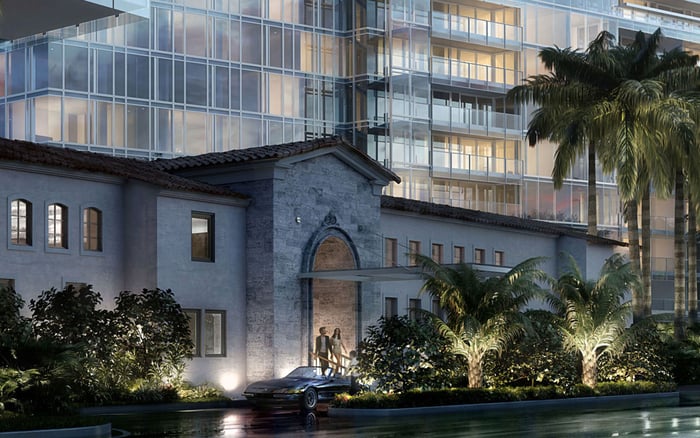
This is where Boutique can become as important as beachfront. A smaller-feeling environment can support privacy, calm, and discretion, while a larger-service model may suit owners who want a more complete residential ecosystem. Neither is inherently better. The more valuable choice is the one that matches temperament.
Consider how a buyer actually lives. Does the family entertain often? Are guests staying for long weekends? Is the residence a sanctuary between travel days, or a full-time home with active daily logistics? A beach-first building may be ideal for one owner and too slow for another.
A residence like Arte Surfside can be part of this discussion because it directs the buyer’s attention toward design, privacy, and lifestyle fit rather than a single attribute. In a refined market, the strongest decision is rarely about one feature. It is about how all features behave together.
The most effective Surfside buyer does not begin with a floor plan. The stronger starting point is a week in the life. Map the mornings first. If the first hour of the day would be transformed by immediate beach access, that matters. If the first hour is defined by school, work, staff coordination, or appointments, convenience may outrank the water.
Next, map the evenings. Some owners want to return home and disconnect. Others want the residence to sit comfortably within a social circuit. A beach-first home can feel restorative, but it can also feel removed if the buyer’s real life points elsewhere every night.
Then examine guests. A residence that functions beautifully for the owner may not function the same way for visiting family. If the home is expected to host frequently, beach access can create a built-in program. If guests are rare, the buyer may prefer a sharper urban rhythm and treat the beach as an amenity rather than a daily need.
Finally, look at decision fatigue. Luxury buyers often underestimate the value of simplicity. The best residence removes small frictions. In Surfside, that may mean living close enough to the sand that leisure requires no planning. Or it may mean choosing a position that makes the rest of Miami feel easier.
Surfside appeals because it allows for restraint. It does not require every buyer to perform the same version of coastal living. One owner may want a highly private, water-oriented retreat. Another may want a refined base that keeps the ocean close while preserving city pace.
That flexibility is why the beach-versus-city decision is so important here. In a more purely urban neighborhood, the answer is built into the address. In a more purely resort setting, the answer is equally clear. Surfside sits in the middle, which makes buyer self-knowledge especially valuable.
A project such as The Surf Club Four Seasons Surfside may appeal to the buyer who wants a residence associated with a polished coastal experience, while Eighty Seven Park Surfside can sit in the same broader conversation about how Surfside living is interpreted through architecture, service, and setting. The key is not to decide by reputation alone. The key is to decide by lived use.
The best Surfside purchase is the one that continues to feel intelligent after the first season. Views matter, but routine determines satisfaction. Amenities matter, but building culture determines comfort. Proximity matters, but the right kind of proximity depends on the owner.
A beach-first buyer should be honest about how often the beach will be used and how much value comes from seeing, hearing, and feeling the coast every day. A city lifestyle buyer should be equally honest about whether a more practical rhythm will still feel special enough over time.
The answer may be different for a full-time family, a seasonal owner, a relocating executive, or a multi-generational household. In Surfside, the most elegant decision is not the most obvious one. It is the one that makes the residence feel inevitable.
Is beach access automatically the better choice in Surfside? Not always. It is best when the owner will use the beach frequently enough for proximity to shape daily life.
Who should prioritize a city lifestyle in Surfside? Buyers with active work, school, dining, or appointment routines may value easier movement as much as the coastal setting.
Does Oceanfront living suit full-time residents? Yes, if the owner wants the beach to be part of ordinary life rather than a weekend feature.
Are Boutique residences better for privacy? They can be, depending on the building culture and ownership profile. Privacy is about atmosphere as much as size.
Can a buyer have both beach access and city convenience? Often the goal is balance, but one priority usually leads. The clearer that priority, the better the purchase decision.
How should second-home buyers think about Surfside? They should focus on ease of arrival, guest experience, and whether the residence creates an immediate sense of retreat.
What matters more, views or routine? Views create emotion, but routine creates lasting satisfaction. The strongest choice usually serves both.
Should families test the decision differently? Yes. Families should map mornings, evenings, guests, storage, parking, and daily transitions before choosing a lifestyle lane.
Why does building culture matter so much? It shapes privacy, service expectations, noise, social tone, and how effortless the residence feels over time.
What is the first step for a serious Surfside buyer? Define how the home will be used week by week, then compare residences through that lens rather than by prestige alone.
For a discreet conversation and a curated building-by-building shortlist, connect with MILLION.
If branded residences are on your mind — as a home or as an allocation — we would be glad to share what we are seeing, privately.
Begin a quiet conversation