A buyer-focused guide to comparing Bay Harbor Islands residences through the practical lenses of walkability, privacy, brand identity, and due diligence.
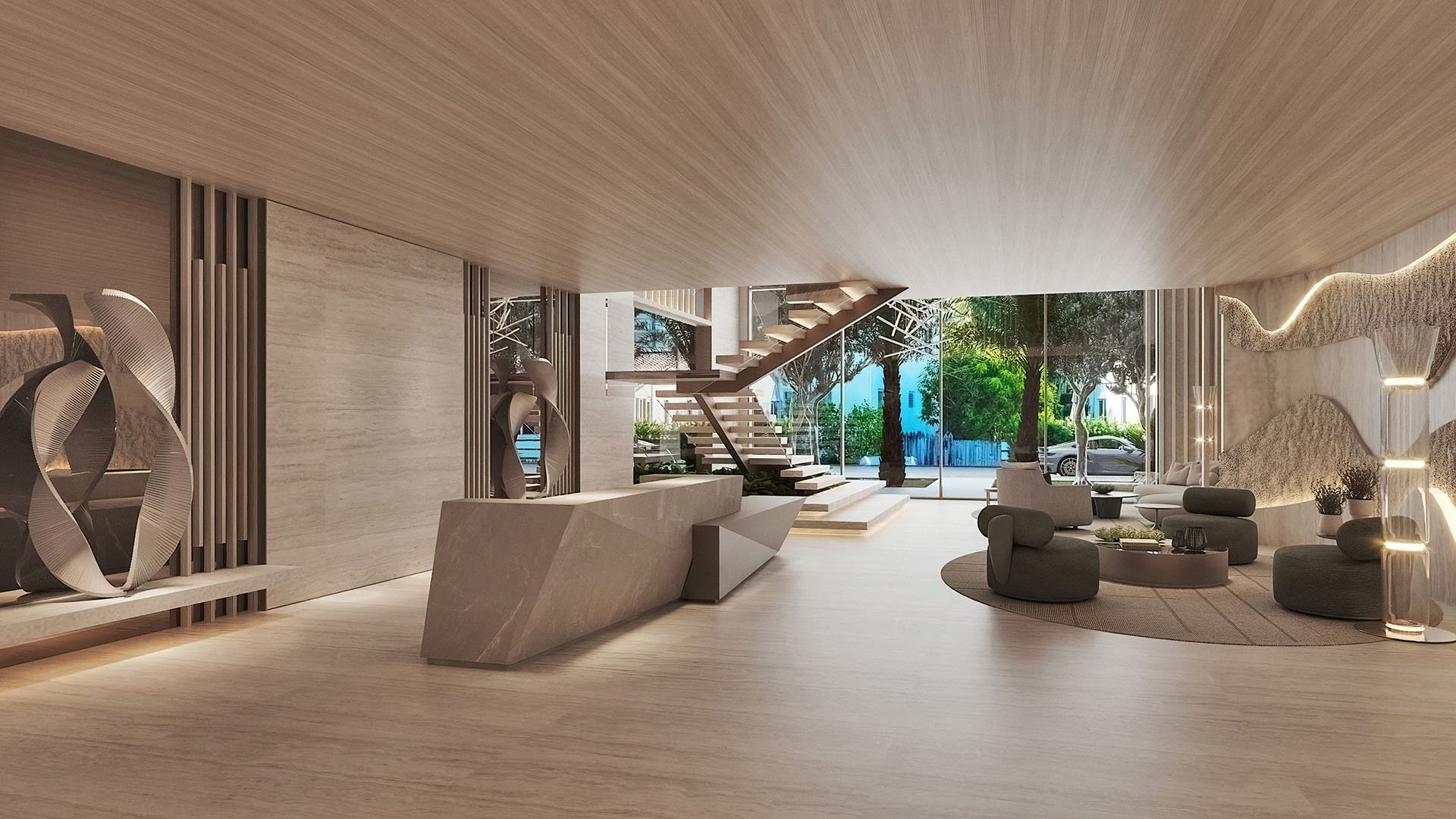
For buyers seeking walkability without sacrificing discretion, the search should begin with personal routines rather than marketing language. Identify the destinations that matter, visit likely routes at relevant times, and examine how each trip connects to the building entrance and private residence.
Discretion also requires a property-specific review. Buyers should examine access, guest procedures, deliveries, circulation, staffing, rental provisions, and the management framework disclosed in the applicable documents. A recognizable identity may shape a buyer’s interest, but it does not replace this review.
The following Bay Harbor Islands projects provide a focused comparison set. Their inclusion is not a claim that they offer identical branding, services, availability, or operating models; buyers should verify those points independently.
1. The Well Bay Harbor Islands
Buyers considering this residence should determine which brand-related elements matter to them and confirm how those elements are reflected in the purchase materials, governance, and anticipated daily experience.
Use Onda as a comparison for the complete transition from the neighborhood to the private home. Review arrival, access, guest handling, shared circulation, and the responsibilities assigned to owners and management.
Evaluate La Maré at the residence level, including the selected home’s layout, outlook, privacy, and relationship to shared areas. Confirm all material ownership and operating terms in the relevant documents.
4. Alana Bay Harbor Islands
When considering Alana, separate visual preferences from operational requirements. Test whether access, circulation, maintenance obligations, and building rules align with the intended pattern of use.
5. Bay Harbor Towers
Assess Bay Harbor Towers with the same disciplined framework. The individual residence, governance, arrival sequence, and compatibility with the buyer’s routines should carry more weight than broad assumptions.
A project name or brand association should prompt specific questions. Buyers can ask what the identity changes in practical terms, which elements appear in binding documents, who is responsible for delivery, and how obligations may affect owners.
The same standard should be applied across every candidate. Review the available governing documents, budgets, insurance information, management provisions, rental rules, and disclosed owner obligations with qualified advisers. Where information is preliminary or incomplete, seek clarification rather than relying on an impression.
Walkability is specific to the buyer, route, time, and conditions. A useful audit starts at the prospective residence and follows the actual trips the buyer expects to make. Note crossings, traffic, lighting, weather exposure, and the comfort of returning to the property.
The building threshold is part of that test. Observe how residents, guests, deliveries, vehicles, and service personnel move through the property. Visit more than once when possible, because a single appointment may not represent the experience at other times.
Privacy varies by home as well as by building. Consider the selected residence’s position, nearby circulation, shared areas, sightlines, and route from entry to the front door. Ask how access credentials, visitors, deliveries, household staff, amenity reservations, and resident information are handled.
Second-home buyers may also wish to review procedures during absences, authorized access, maintenance coordination, and any restrictions affecting their intended use. The objective is to understand whether the documented framework supports a predictable ownership experience.
Create one comparison sheet and apply it consistently. Include route testing, arrival, residence-level privacy, guest procedures, management, owner obligations, rental provisions, and the role of any brand identity. Record what has been verified, what remains preliminary, and which questions require professional review.
A final decision should reflect the specific residence and the buyer’s priorities. Marketing may introduce a candidate, but documents, direct observation, and qualified advice should guide the purchase.
What should buyers compare first? Start with personal routines, likely walking routes, the arrival sequence, and residence-level privacy.
Does a recognizable brand guarantee discretion? No. Buyers should verify access, circulation, guest procedures, management, and other operating provisions independently.
How should walkability be evaluated? Walk the routes you expect to use at relevant times and consider crossings, traffic, lighting, weather exposure, and the return to the building.
Why does the arrival sequence matter? It reveals how residents, guests, deliveries, vehicles, and service personnel move between public and private areas.
Does boutique scale automatically provide more privacy? No. Privacy depends on the selected residence, building layout, access controls, operating rules, and actual management practices.
Which documents deserve close review? Review applicable governing documents, budgets, insurance information, management provisions, rental rules, and disclosed owner obligations with qualified advisers.
Should branding outweigh the individual residence? No. Layout, outlook, privacy, ownership terms, and fit with the buyer’s routine should remain central to the decision.
What should second-home buyers examine? They should review authorized access, absence procedures, maintenance coordination, management options, and restrictions affecting intended use.
How can buyers compare projects consistently? Use the same checklist for every candidate and separate verified information from preliminary details or unanswered questions.
What should happen before a final decision? Revisit the property, confirm material terms in the relevant documents, and obtain appropriate legal, financial, insurance, and property advice.
For a tailored shortlist and next-step guidance, connect with MILLION.
If branded residences are on your mind — as a home or as an allocation — we would be glad to share what we are seeing, privately.
Begin a quiet conversation