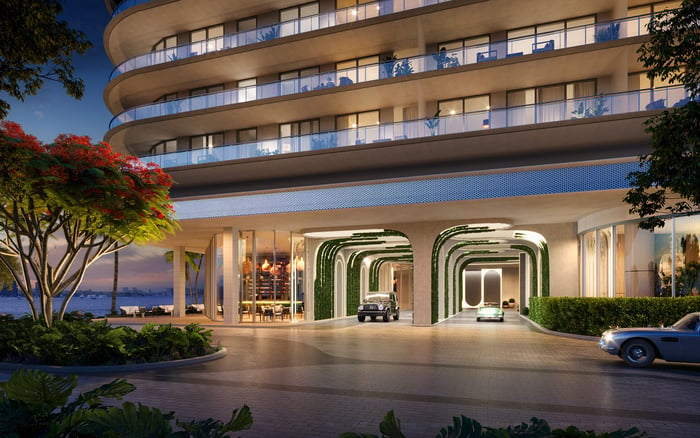
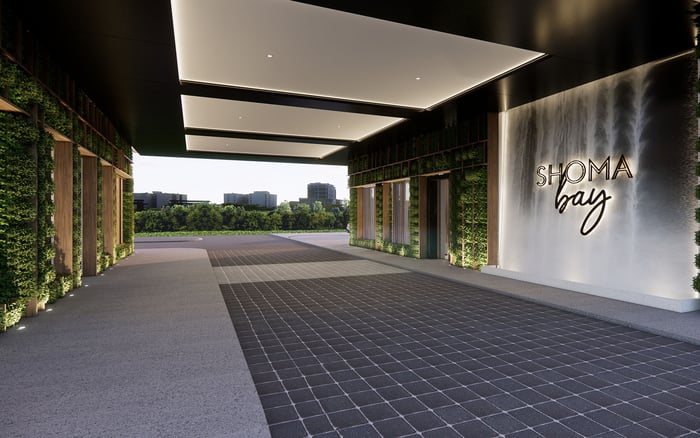
A buyer-focused editorial on how Continuum Club & Residences North Bay Village can function as a bayfront family hub for longer visits from parents, adult children, grandchildren, and friends.
For many South Florida buyers, the most important guest is not the weekend visitor. It is the parent who arrives for the season, the adult child who brings grandchildren during school breaks, or the close friend who treats Miami as a second base. That is the more demanding test for Continuum Club & Residences North Bay Village: not simply whether the building feels elegant, but whether it can support a household that expands and contracts gracefully.
Continuum Club & Residences North Bay Village is a bayfront residential project in North Bay Village, positioned around club-style living and services. Its strongest buyer angle is not spectacle. It is usefulness. The right residence becomes a family hub, blending the ease of a primary home with the rhythm of a resort, so visitors can settle into daily life rather than feeling entertained at every moment.
Extended stays reorder the hierarchy of luxury. A beautiful arrival matters, but it matters less than morning routines, quiet corners, service access, amenity depth, and privacy. A three-night guest may remember the view. A three-month guest will remember whether the home allowed everyone to live well together.
North Bay Village sits within Biscayne Bay, giving Continuum a calmer residential context than Miami Beach’s most tourist-heavy districts. That distinction matters for families. Grandparents may want water, light, and a sense of retreat. Younger family members may want access to Miami Beach, the mainland, restaurants, culture, and the wider Miami circuit. A central bayfront base can serve both preferences without forcing the entire household into the same pace.
This is where the North Bay Village address becomes strategic. It can feel removed from the constant intensity associated with South Beach, yet still connected to the destinations that make Miami compelling. For buyers comparing the idea of a quieter bayfront home with a more beach-centric environment, a South Beach alternative can offer a useful contrast in lifestyle posture: iconic proximity and energy versus the more residential hosting logic of the bay.
The extended-family buyer should think less about a single perfect day and more about a sustainable week. Can older relatives enjoy calm without feeling isolated? Can adult children move independently around Miami? Can grandchildren have enough activity without every afternoon requiring a car ride? Continuum’s island setting gives the owner a framework for balancing these needs.
In short-stay hospitality, amenities can be occasional pleasures. For extended family, they become daily infrastructure. Pools, lounges, wellness areas, children’s spaces, and waterfront programming are not extras when guests may be in residence for weeks or months. They are the difference between a home that hosts beautifully and a home that becomes overburdened.
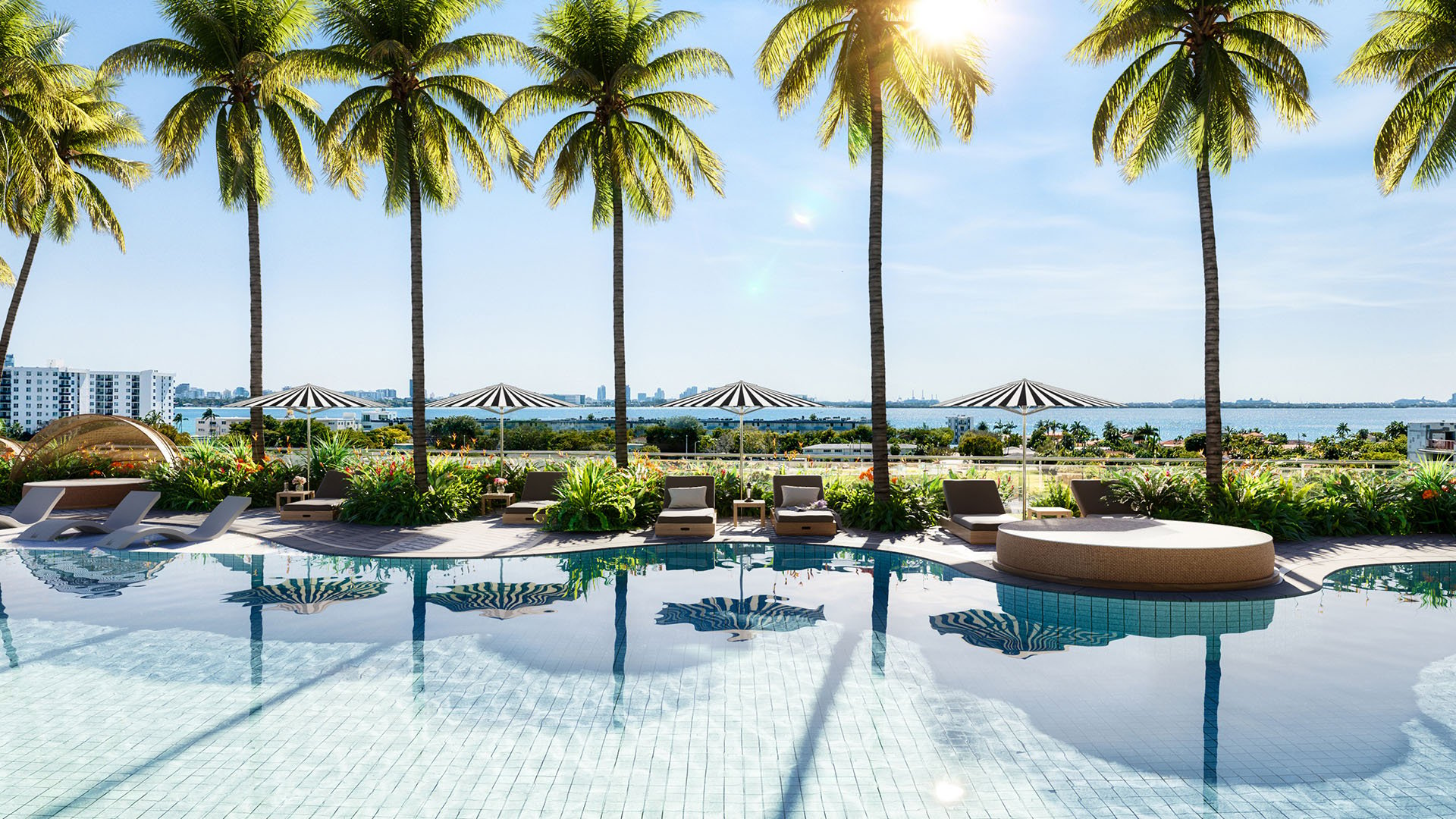
The pool matters because it gives different generations a shared but flexible gathering point. Wellness spaces matter because longer visits require routines, not just recreation. Lounges matter because they allow relatives to step outside the private residence without leaving the building. Children’s areas matter because family travel often revolves around the youngest guests, even in the most sophisticated homes.
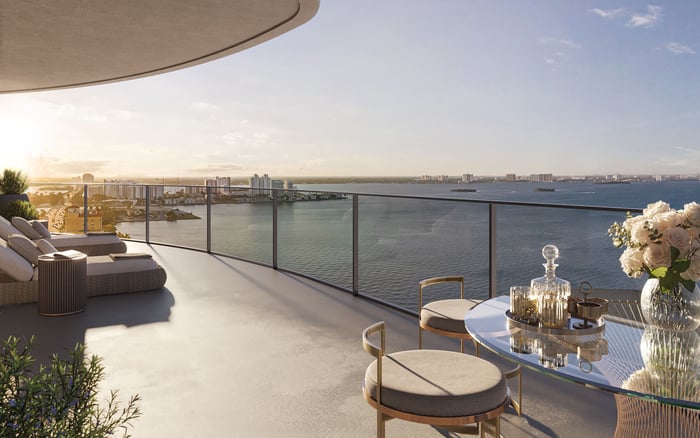
Waterview is also more than scenery. For a visiting parent, it can turn the residence into a restorative environment. For a remote-working adult child, it can make a longer stay feel less like displacement and more like a privilege. For the owner, it supports the emotional value of the property as a place where family returns repeatedly.
The club-oriented identity is central here. If relatives can enjoy semi-independent routines without leaving the building for every activity, the residence becomes easier to share. That is a different proposition from a condo that relies almost entirely on outside attractions. In the extended-stay model, the building itself must carry more of the lifestyle load.
The best family hub does not force togetherness. It choreographs it. Morning coffee may be communal, afternoons may be separate, and evenings may return to the residence for dinner or conversation. The owner’s strategy should account for privacy inside the home, privacy within the building, and privacy from the surrounding city.
This is especially important when hosting across generations. Grandparents may prefer calm mornings and early evenings. Adult children may want exercise, work time, and nightlife access. Grandchildren may need movement and easy transitions. Friends may want independence without feeling like houseguests under constant supervision. A strong extended-stay residence allows each group to keep its own rhythm.
That is why the phrase second home can understate the assignment. For many affluent families, the Miami residence is not secondary in emotional importance. It is where dispersed relatives meet, where holidays migrate, and where children build memories of place. Continuum’s positioning as a service-rich bayfront address supports this broader role, provided the buyer evaluates it through the lens of repeat hosting rather than occasional entertaining.
A buyer considering Continuum will likely examine other bayfront and island-adjacent options. In North Bay Village itself, Shoma Bay North Bay Village and Tula Residences North Bay Village help frame the neighborhood’s broader residential momentum without requiring the buyer to leave the island context. The question is not which name sounds most glamorous. It is which daily environment best supports the household’s real guest patterns.
For some families, the center of gravity may shift toward Miami Beach, especially if beach access and a more immediately resort-like coastal setting are priorities. A buyer looking in that direction might compare the hosting logic of Continuum with The Ritz-Carlton Residences® Miami Beach. The comparison should remain practical: how often will guests stay, how independent do they need to be, and how much urban energy is welcome versus tiring?
Pre-construction buyers, in particular, should resist evaluating only the most photogenic renderings or headline amenities. The better exercise is to map a full family day. Where does everyone have breakfast? Who uses the wellness spaces? Where do children decompress? Where can a guest take a call? How does the owner recover privacy after a long day of hosting?
The extended-stay checklist begins with livability. Look for the residence and building combination that can absorb longer visits without turning every shared moment into a negotiation. The building should support separation as much as togetherness, because luxury hosting depends on both.
Next, evaluate amenity depth by age group. A pool deck alone may not be enough if the family includes children, older guests, and active adults. Wellness areas, lounges, calm outdoor spaces, and waterfront programming should be considered as one ecosystem.
Finally, consider location through the guest’s eyes. North Bay Village offers a bayfront base with access to Miami Beach, the mainland, and other Miami-area destinations. That centrality is valuable only if it reduces friction. The goal is a home where extended family can live naturally, not a place where every desire requires a formal outing.
What makes Continuum Club & Residences North Bay Village relevant for extended family stays? It is positioned as a bayfront, club-style residential project where amenities and services can support longer visits from parents, adult children, grandchildren, and friends.
Why is North Bay Village useful for multigenerational hosting? Its island setting in Biscayne Bay offers a calmer residential feel while keeping guests connected to Miami Beach, the mainland, and other Miami-area destinations.
How should buyers think about amenities for longer stays? Amenities should be treated as daily lifestyle infrastructure, especially when guests may spend weeks or months using the building as their main environment.
Which amenities matter most for family hosting? Buyers should evaluate pools, lounges, wellness spaces, children’s areas, and waterfront programming for how well they serve different ages and energy levels.
Is this more about convenience or livability? Extended stays require livability, including day-to-day comfort, service access, privacy, and enough amenity depth to reduce pressure on the private residence.
Can relatives enjoy independence while staying with the owner? That is the point of a strong club-style setting: guests can build semi-independent routines without leaving the building for every activity.
How does this differ from a South Beach lifestyle? Continuum’s North Bay Village setting can offer waterfront views and access without placing the household in the center of constant nightlife intensity.
What should grandparents value most in this kind of residence? Calm, ease of movement, restorative views, and access to comfortable shared spaces are often more important than proximity to high-energy attractions.
What should families with children consider? They should look closely at how children’s areas, pool access, lounges, and outdoor spaces support everyday routines rather than occasional entertainment.
What is the best way to evaluate Continuum before buying? Map a realistic week with visiting relatives, including mornings, wellness time, children’s needs, privacy, meals, outings, and quiet evenings.
To compare the best-fit options with clarity, connect with MILLION.
If branded residences are on your mind — as a home or as an allocation — we would be glad to share what we are seeing, privately.
Begin a quiet conversation