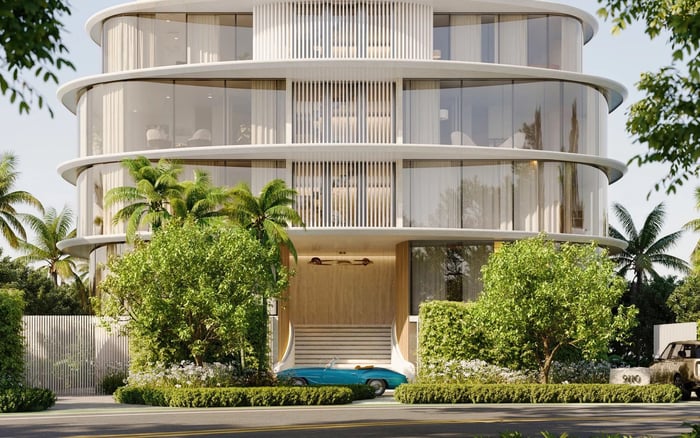
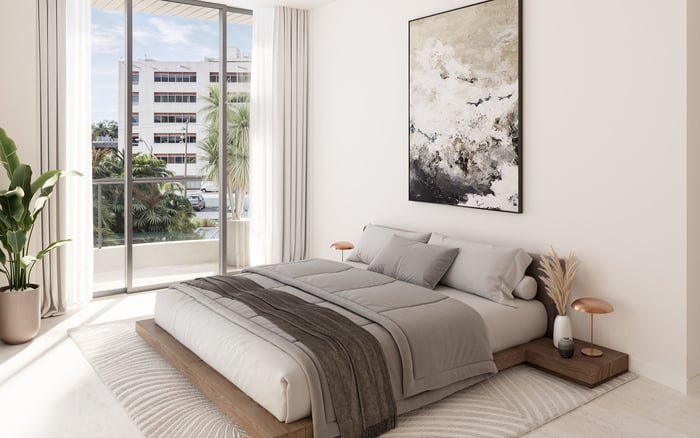
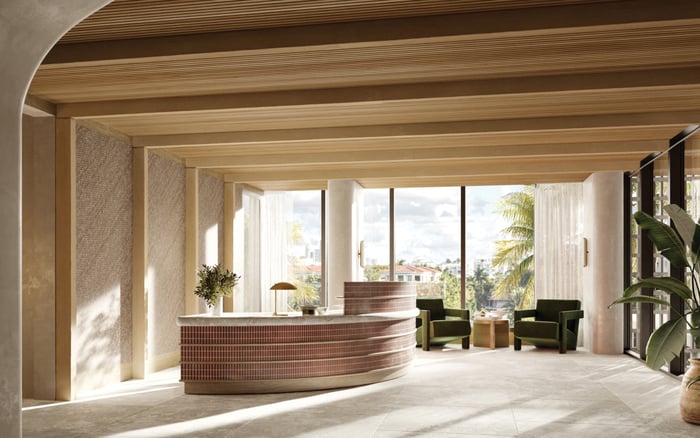
A privacy-led edit of five Bay Harbor Islands residences, with a practical framework for assessing arrival, circulation, exposure and day-to-day discretion before comparing amenity programs.
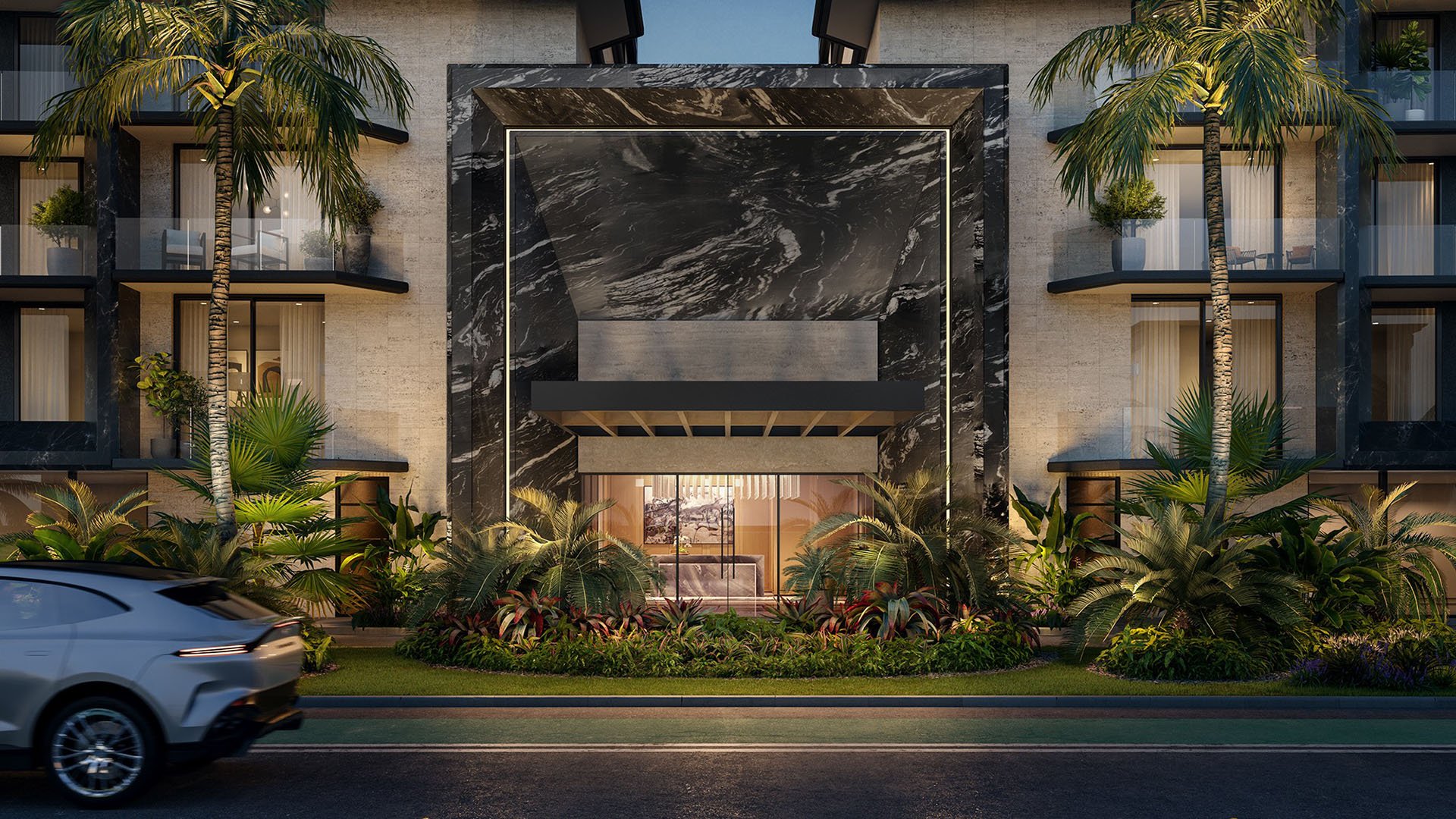
In Bay Harbor Islands, the most consequential luxury may not appear in a rendering or amenity schedule. It is the ability to arrive without ceremony, move through a building without friction and live without feeling exposed to neighbors, guests or service activity. For buyers who place privacy before amenities, the evaluation begins at the threshold-not the pool deck.
This distinction is especially important in new construction. A long list of shared spaces can appeal, but every shared space also shapes traffic, staffing and circulation. The privacy-first buyer looks beyond finish selections to ask how the building operates on an ordinary Tuesday: who enters, where deliveries wait, how residents reach their homes and whether outdoor areas feel genuinely secluded.
The following five residences merit consideration through that lens. The ranking does not suggest that one plan suits every household. It offers a buyer-oriented order for beginning private conversations, then testing each property against personal standards for access, visibility and quiet.
Privacy is not synonymous with isolation. In a boutique building, it can mean fewer moments of unavoidable contact. In a larger property, it may result from carefully separated routes, disciplined access control and a residence whose principal rooms are shielded from common circulation.
Start by comparing the positioning of Bay Harbor Towers with the residence options and current disclosures for Onda Bay Harbor. The meaningful questions concern actual movement: the path from vehicle to home, elevator use, guest entry and the handling of packages, staff and vendors.
Outdoor privacy requires equal scrutiny. Waterfront living can offer beautiful outlooks, yet view corridors may work in both directions. Buyers should stand at terrace edges, examine neighboring orientations and consider visibility after dark. Apply the same review when exploring La Maré Bay Harbor Islands, focusing on the relationship between private exterior space and the surrounding built environment.
1. Bay Harbor Towers - the first private-showing priority
Bay Harbor Towers leads this edit as the clearest starting point for a privacy-centered conversation. Buyers should request precise explanations of arrival, visitor authorization, elevator circulation and the transition into each residence. The decisive issue is not the number of features, but whether daily movement remains calm and controlled.
2. Onda Bay Harbor - the circulation test
Onda Bay Harbor belongs near the top for buyers prepared to examine the operational details of residential life. During a showing, follow the complete route from arrival to front door, then repeat it from the perspective of a guest or service provider. A compelling residence should preserve separation without making access cumbersome.
3. La Maré Bay Harbor Islands - the terrace privacy test
La Maré is a natural candidate for buyers whose privacy standard extends beyond the interior walls. Evaluate terrace sightlines from seated and standing positions, the relationship to adjacent homes and the nighttime visibility of interior rooms. Ask how landscaping, railings and orientation contribute to discretion without compromising openness.
4. Alana Bay Harbor Islands - the shared-space test
Alana merits consideration for households seeking an intimate residential experience while still expecting polished common areas. The essential question is how often resident routes intersect with amenity, guest and service traffic. Assess acoustic separation near elevators and corridors as carefully as the material quality inside the home.
5. The Well Bay Harbor Islands - the programming test
The Well Bay Harbor Islands completes the ranking for buyers weighing a strong project identity against personal retreat. Clarify which spaces are resident-facing, how access is governed and when activity is likely to peak. Judge privacy through operations, not simply through the program's appeal.
A brochure comparison is not enough. Arrange showings at different times, including a period when residents are likely to arrive or use shared spaces. Listen near the entry, elevator landing, primary suite and terrace doors. Observe whether the sequence from street to residence feels exposed, social or appropriately discreet.
Floor-plan analysis should focus on separation. Consider whether the entry reveals principal living areas, whether secondary bedrooms offer independent privacy and whether household staff can work without crossing spaces intended for entertaining. Buyers considering Alana Bay Harbor Islands should apply this room-by-room exercise rather than rely on an overall impression of scale.
The same discipline applies to branded or lifestyle-led concepts. Before advancing with The Well Bay Harbor Islands, separate the identity's emotional appeal from the practical realities of access and circulation. Request current plans and written disclosures, then have the relevant advisers review them. Privacy is strongest when architecture, management and household routine reinforce one another.
The Bay Harbor Islands search should ultimately become personal. A family with children, a seasonal owner and a principal resident may define discretion differently. The right choice is the residence that protects the buyer's actual pattern of living-not the one with the longest amenity menu.
What should a privacy-first buyer examine first? Begin with the full arrival sequence, including vehicle access, guest entry, elevators and the path to the residence.
Does a smaller building automatically provide more privacy? No. Scale matters, but circulation design, staffing and access policies can matter just as much.
Why are elevator arrangements important? Elevators determine how often residents, guests and service providers share space near the home.
How can buyers assess terrace privacy? Review sightlines from multiple positions, considering neighboring windows, balconies and nighttime visibility.
Should amenities influence the final decision? Yes, but only after access, sound, exposure and circulation satisfy the buyer's privacy standard.
When is the best time to tour? Visit at more than one time of day to compare arrival patterns, activity levels and ambient sound.
What documents deserve close review? Request current plans, governing materials, access policies and available disclosures, then obtain professional advice.
Can a floor plan improve household privacy? Yes. Entries, bedroom separation and service routes can reduce visual and acoustic overlap within the residence.
How should second-home buyers approach privacy? They should examine residence access during absences, guest authorization and the handling of deliveries and vendors.
What is the final privacy test before purchasing? Confirm that the building's architecture and operations support how the household actually intends to live.
For a tailored shortlist and next-step guidance, connect with MILLION.
If branded residences are on your mind — as a home or as an allocation — we would be glad to share what we are seeing, privately.
Begin a quiet conversation