A discreet buyer’s guide for grandparents considering North Bay Village homes that can welcome children, grandchildren, guests, and caregivers with comfort and long-term flexibility.
For grandparents, a North Bay Village residence is rarely just a place to sleep between South Florida visits. It is the setting for long weekends, school breaks, milestone birthdays, quiet mornings with grandchildren, and the extended-family rhythm that requires both warmth and order. The strongest purchase is not simply the largest home within budget. It is the home that allows generations to overlap without exhausting one another.
That is why the search should begin with household choreography. Who arrives first? Who stays longest? Will adult children work remotely while younger children nap? Does a caregiver need a room that is separate but not isolated? A refined North Bay Village plan answers these questions before finishes, views, or brand names enter the conversation.
In a search brief, terms such as North-bay-village, Second-home, and Waterview may appear to be simple filters. For grandparents, they should become prompts for a deeper question: can this residence host generously while still protecting daily calm?
A dramatic living space matters, but the bedroom plan is where multigenerational comfort is won. Grandparents should look for a primary suite that feels private without being remote, guest rooms that do not force adult children into compromised arrangements, and flexible spaces that can shift from office to nursery to overflow sleeping room.
The ideal layout avoids making every stay feel like a holiday rental. Children need places to retreat. Parents need a door they can close. Grandparents need a suite that does not become the corridor between everyone else’s plans. If a residence has multiple bedroom wings or a den that can function as a quiet room, it may live far better than a larger home with poor separation.
When comparing buildings such as Continuum Club & Residences North Bay Village, evaluate the residence as if the whole family has already arrived. Imagine luggage, scooters, beach bags, groceries, strollers, laptops, and a grandchild who wakes early. The floor plan should absorb real life without diminishing elegance.
Extended family visits create traffic. The purchase should be judged by how gracefully it handles movement from car to lobby, lobby to elevator, elevator to residence, and residence to daily routines. For grandparents, convenience is not a minor luxury. It is what allows hosting to feel natural rather than managerial.
Consider whether guests can arrive without confusion, whether parking feels practical for visiting adult children, and whether the elevator experience supports privacy. Storage also deserves serious attention. A second home used by several branches of a family can accumulate duplicate wardrobes, toys, linens, pantry items, and seasonal equipment. Without proper storage, even a beautifully designed residence can begin to feel improvised.
This is where New-construction may appeal to buyers who want cleaner systems, current design logic, and a more predictable sense of arrival. Still, the central question remains unchanged: does the building make family life easier, or does it ask the owner to compensate for its shortcomings?
Amenities should be assessed by how they support togetherness without forcing everyone into the same activity. A Pool can be essential for grandchildren, but grandparents should also ask whether there are calm places for reading, shaded seating, fitness routines, and informal conversation. The best amenity program gives each generation a reason to enjoy the day, then return to the residence without friction.
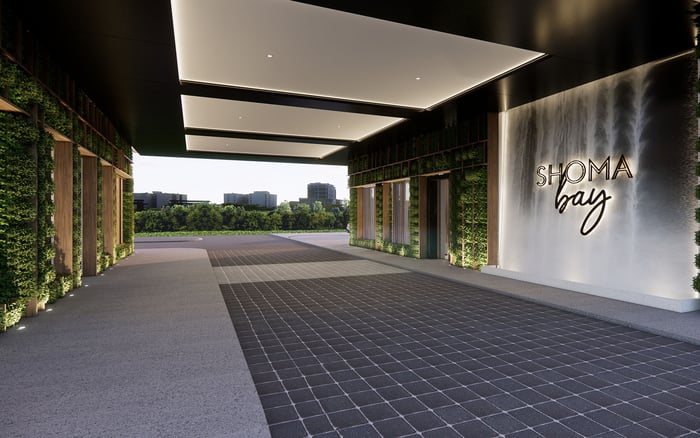
At Shoma Bay North Bay Village, for example, a buyer’s inquiry should not stop at what is visually impressive. The more important question is how the building supports everyday hosting. Can grandparents receive family without feeling that every plan depends on leaving the property? Can younger guests be entertained while adults maintain a quieter pace?
Do not underestimate the emotional value of a well-composed common area. When adult children and grandchildren can gather outside the residence, the home itself stays calmer. That separation helps preserve the graciousness of longer stays.
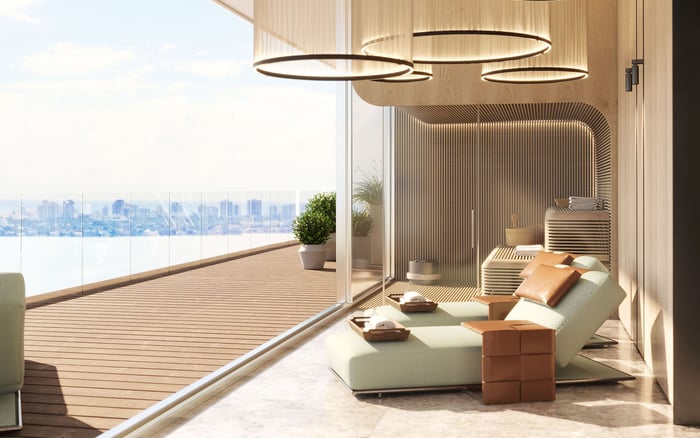
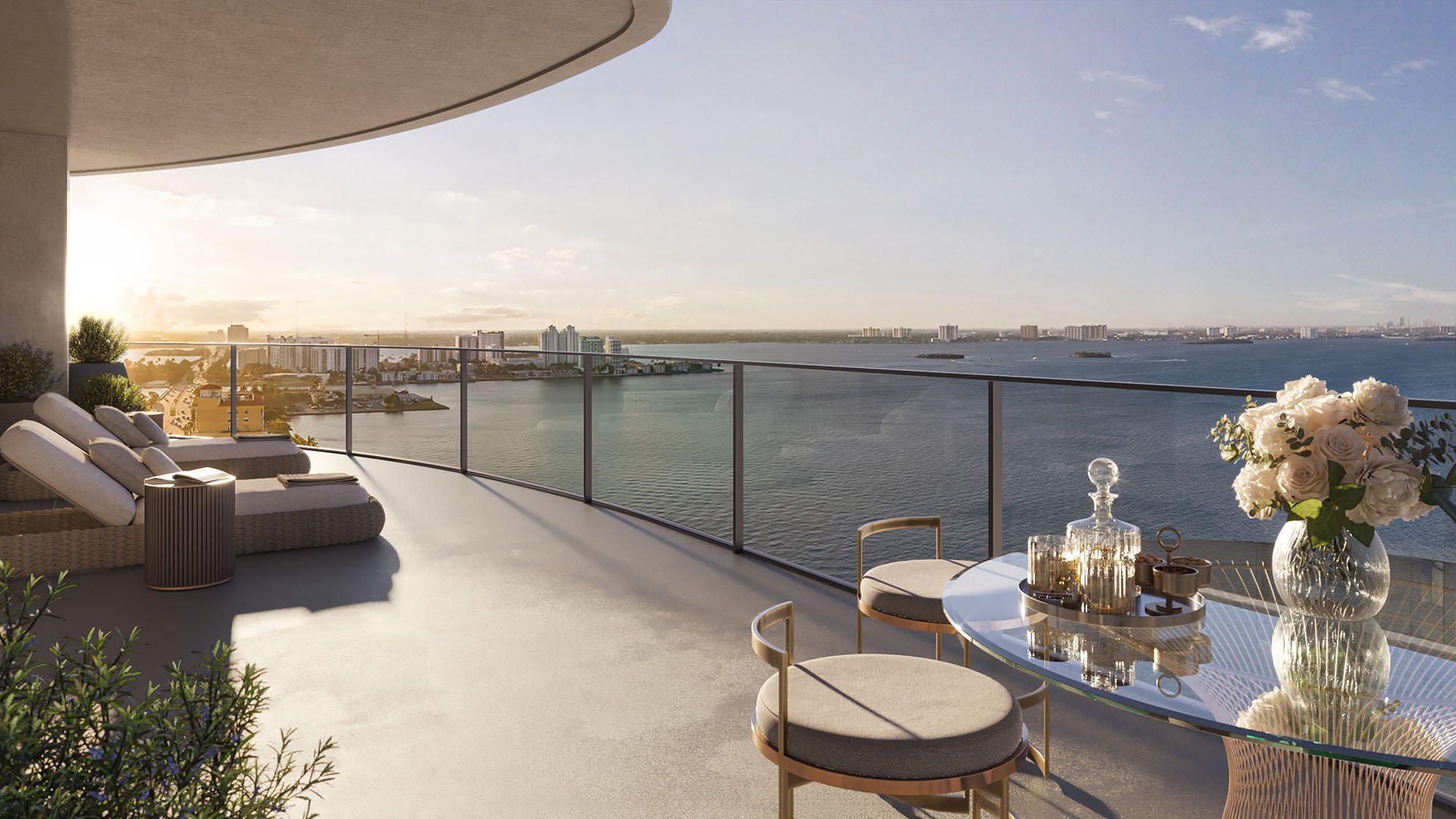
Views may introduce the romance of the purchase, but livability sustains it. A Waterview can be deeply restorative, especially for owners who want a sense of retreat, yet the residence must also perform in ordinary moments. Morning light, terrace usability, kitchen flow, laundry placement, acoustic privacy, and the relationship between indoor and outdoor areas all affect how the home feels during a full family visit.
Grandparents should test the plan around meals. Is the kitchen suited to casual breakfasts as well as catered dinners? Can children eat without turning the main living room into a playroom? Is there a place for coffee before the rest of the household wakes? These quiet details often matter more than spectacle.
A project such as Pagani North Bay Village may enter the conversation for buyers seeking a design-forward address, but the family-hosting analysis should remain disciplined. Beauty is most valuable when it coexists with durability, ease, and the ability to welcome people repeatedly.
A residence purchased for extended family should be evaluated across different lengths of stay. A weekend visit can hide flaws. A two-week stay reveals them. The home should support slow mornings, rainy afternoons, grocery runs, work calls, children’s routines, and evenings when no one wants a formal plan.
Grandparents should also consider how the property will age with the family. Younger grandchildren become teenagers. Adult children may have expanding households. Owners may eventually prefer simpler circulation and fewer maintenance decisions. A thoughtful purchase anticipates these shifts without overbuilding for a single moment in time.
Nearby alternatives can also clarify priorities. Comparing North Bay Village options with Tula Residences North Bay Village or select Bay Harbor offerings such as La Baia North Bay Harbor Islands can help buyers separate emotional preference from functional need, provided each comparison is grounded in the way the family actually lives.
Before moving from interest to offer, grandparents should revisit the essentials with discipline. Confirm the bedroom strategy. Walk through arrival as a guest would. Evaluate storage, parking, elevator access, pet policies if relevant, and the realistic use of terraces and common spaces. Review how the residence handles privacy when the home is full.
The strongest North Bay Village purchase is one that feels generous without becoming burdensome. It should allow grandparents to host with ease, adult children to feel independent, and grandchildren to associate the home with comfort rather than ceremony. In the ultra-premium market, that combination is the true measure of value.
What should grandparents prioritize first in a North Bay Village purchase? Start with the sleeping plan, privacy, and ease of arrival. Views and finishes matter, but family flow determines long-term satisfaction.
Is a larger residence always better for extended family? Not necessarily. A smaller residence with better bedroom separation and storage can live better than a larger home with awkward circulation.
How many guest rooms should grandparents consider? The right number depends on the family pattern. Focus on whether adult children, grandchildren, and occasional caregivers can stay without compromising privacy.
Should amenities influence the decision? Yes, but only if they support real use. Look for spaces that give different generations options for activity, rest, and gathering.
Why is storage so important for a second home? Extended-family homes accumulate linens, toys, luggage, pantry items, and seasonal belongings. Good storage keeps the residence feeling composed.
How should buyers evaluate terraces? Consider whether the terrace supports daily use, not just presentation. Seating, privacy, and connection to living areas are key.
Can a design-led residence still be practical for grandchildren? Yes, if materials, circulation, and room placement support real family life. Elegance and durability should work together.
Should grandparents compare nearby markets? Select comparisons can sharpen the decision. The goal is to understand what North Bay Village offers relative to the family’s actual needs.
What is the biggest mistake in this type of purchase? Buying for the perfect weekend instead of the longer stay. Multigenerational comfort is revealed over time.
When should advisory guidance begin? Begin before touring heavily, so priorities are clear. A disciplined brief helps protect both lifestyle goals and financial judgment.
If you'd like a private walkthrough and a curated shortlist, connect with MILLION.
If branded residences are on your mind — as a home or as an allocation — we would be glad to share what we are seeing, privately.
Begin a quiet conversation