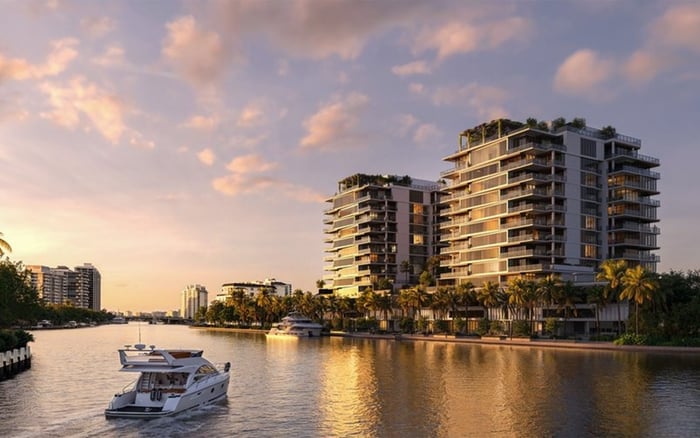
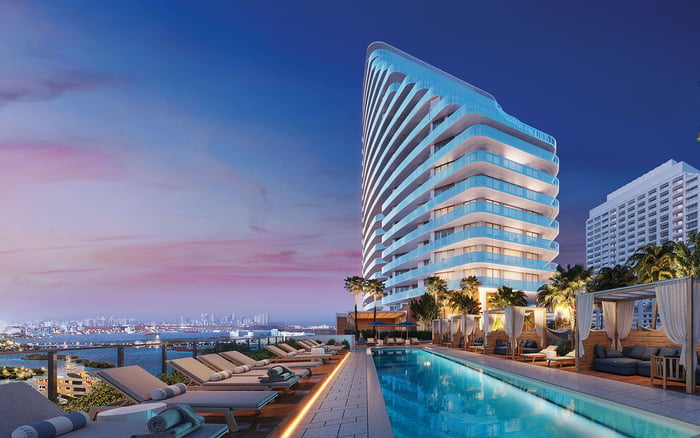
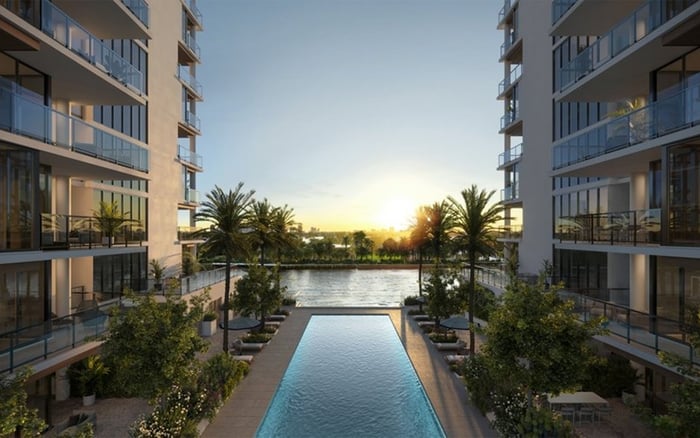
For collectors, a luxury condo is also a private exhibition environment. The search should test proportion, light, circulation, delivery logistics, security, and conservation before finishes or views determine the shortlist.
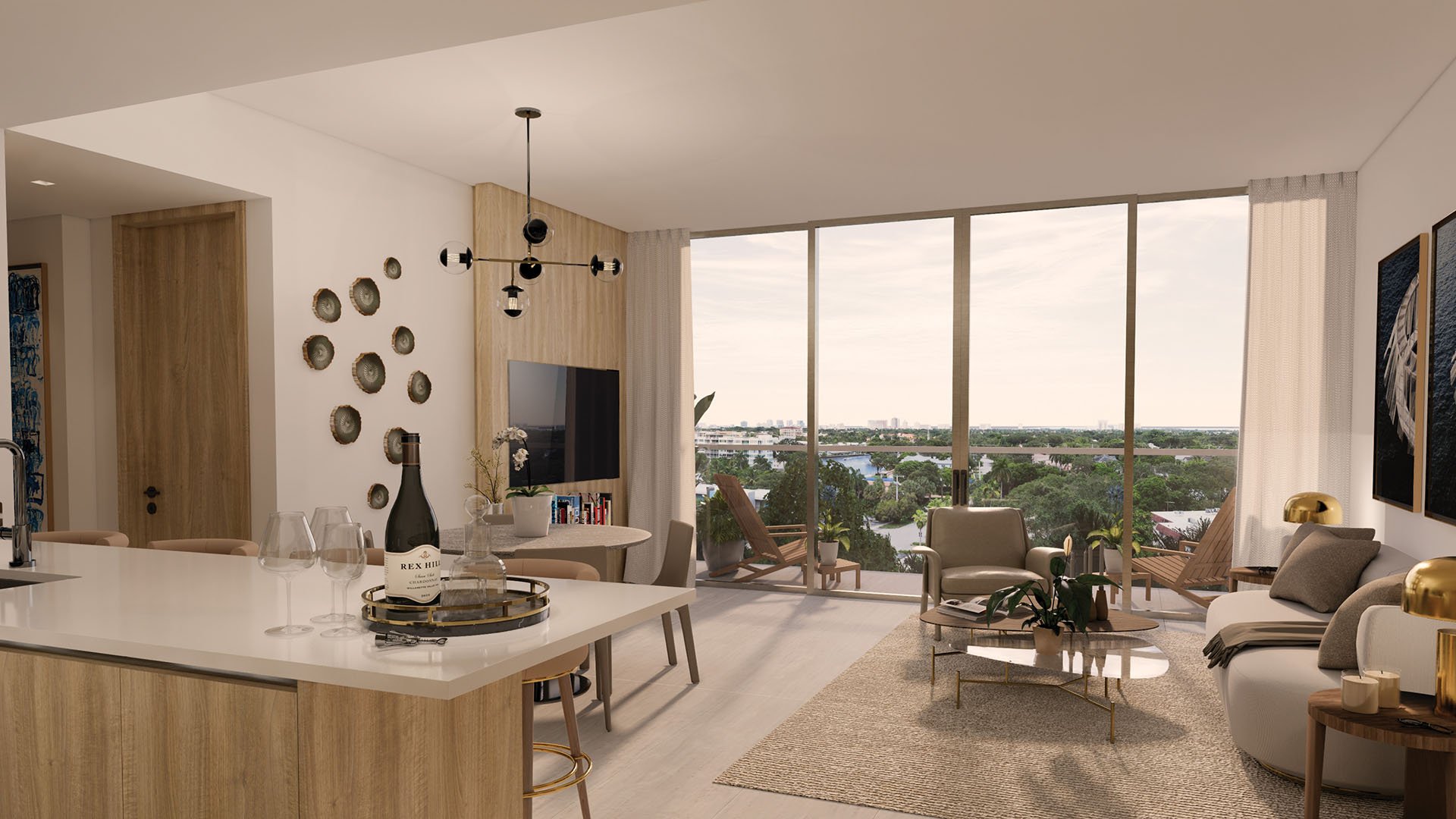
For an art collector, the conventional luxury-condo search can begin in the wrong place. A panoramic outlook, polished kitchen, and generous amenity program may inspire an immediate response, yet none addresses the more consequential question: can the residence support the collection with grace, discretion, and appropriate care?
The strongest search begins with a private collection brief. Record the approximate dimensions, weight, sensitivity, and intended placement of important works. Distinguish pieces requiring controlled light from those suited to brighter rooms. Identify sculptures, oversized canvases, delicate works on paper, and objects that may demand specialist installation. This document translates personal taste into architectural criteria, helping prevent an emotionally compelling purchase from becoming a costly spatial compromise.
Collectors should evaluate usable wall planes, not total square footage alone. Door openings, switches, thermostats, millwork, glazing, and circulation paths can fragment an otherwise impressive room. Ceiling height matters, but so do ceiling conditions: sprinklers, lighting points, diffusers, and soffits may determine where a major work can sit.
Consider the sequence from entry to living room as a curatorial journey. A long sightline can lend one important piece authority, while a quieter transition may better suit a series. Sculpture requires breathing room and safe movement around it. Furniture and art plans should be tested together, not considered in sequence.
This is where design and architecture become practical buying criteria. A residence need not resemble a gallery, but its proportions should allow the collection and daily life to coexist without either feeling secondary.
Natural light can animate texture and color, yet its intensity, direction, and duration merit careful observation. When possible, visit a candidate residence at different times of day. Note where direct sun reaches the walls, how reflections move across glazed artwork, and whether nearby glass creates glare from primary seating positions.
A balcony may provide welcome separation from exterior light, but its effect should be assessed room by room, not assumed. Window treatments, filtration, and layered lighting can improve flexibility, subject to building rules and specialist advice. Before committing, ask a lighting designer or conservator to review the most sensitive pieces and their proposed locations.
An artwork is not successfully accommodated until it can reach its intended position. Trace the entire delivery route: vehicle arrival, loading access, service corridors, elevator dimensions, door clearances, turning radii, and the final approach within the residence. Confirm procedures for protective coverings, contractor access, installation hours, and advance reservations.
Large or heavy works may require a structural opinion, engineered mounting, or alternative access planning. These questions belong in due diligence, before a purchase contract limits flexibility. They also reveal how comfortably a building can support future acquisitions, loans, rotations, and professional handling.
When comparing urban and coastal options, Sixth & Rio Fort Lauderdale and Four Seasons Hotel & Private Residences Fort Lauderdale can be placed on the same collection-first worksheet. Test each candidate against identical questions rather than broad impressions.
In Fort Lauderdale, a waterfront setting can be visually compelling, but collectors should investigate the interior environment rather than infer performance from location. Ask qualified specialists to assess humidity management, temperature stability, glazing conditions, backup-power implications, and any risks specific to the proposed display plan.
Security should be layered and discreet. Review access control, visitor procedures, staff protocols, camera policies, alarm integration, and privacy from neighboring buildings or public vantage points. Discuss the collection with an insurer before closing, including transport, installation, storage, and any coverage conditions. Avoid sharing sensitive inventories more widely than necessary.
Fort Lauderdale Beach can support a distinctly ocean-oriented lifestyle, but an art-led buyer should resist treating every coastal residence as interchangeable. Auberge Beach Residences & Spa Fort Lauderdale, St. Regis® Residences Bahia Mar Fort Lauderdale, and other finalists should be toured with measured artworks in mind.
Bring dimensions, request relevant building rules, photograph potential wall planes with permission, and sketch furniture at scale. The objective is not to choose the most gallery-like home. It is to identify the residence where architecture, operations, privacy, and pleasure create a coherent setting for both collection and owner.
A collector’s search benefits from coordinated expertise. A real-estate advisor can organize the property comparison, while an art installer, conservator, lighting designer, insurer, security specialist, interior designer, and structural professional can address their respective disciplines. Legal counsel should review building documents and contractual matters.
Before making an offer, create a concise red-flag register. Include uncertain delivery access, insufficient wall depth, restrictive work rules, uncontrolled light, unresolved mounting questions, limited storage, and insurance concerns. A beautiful residence may still be the right choice, but the decision should account for the cost and complexity of adapting it.
Should art influence the condo search from the first viewing? Yes. Early planning helps buyers evaluate wall space, light, access, and risk before becoming attached to finishes or views.
Is total square footage a useful guide for collectors? It is only a starting point. Continuous wall planes, circulation, ceiling conditions, and room proportions are often more revealing.
What should a collector bring to a property tour? Bring a discreet list of key dimensions, weights, sensitivities, and preferred placements without circulating unnecessary ownership details.
Why visit a condo at different times of day? Changing sun angles and reflections can materially alter glare, direct exposure, and the visual experience of a work.
Can window treatments solve every light concern? No. Treatments can help, but sensitive works may still require filtration, repositioning, rotation, or specialist conservation guidance.
What delivery details should be confirmed? Verify loading procedures, elevator and doorway dimensions, turning space, protection requirements, installation hours, and contractor rules.
Do sculptures require additional due diligence? Often. Weight, floor loading, anchoring, circulation clearance, and safe installation may require review by qualified professionals.
How should security be assessed? Examine building access, visitor management, in-residence systems, staff protocols, privacy, and the insurer’s specific requirements.
Should insurance be discussed before closing? Yes. Early consultation can surface conditions involving transport, installation, environmental controls, storage, and security.
Can a residence work even if it needs adaptation? Yes, provided feasibility, approvals, cost, timing, and conservation implications are understood before the buyer commits.
When you're ready to tour or underwrite the options, connect with MILLION.
If branded residences are on your mind — as a home or as an allocation — we would be glad to share what we are seeing, privately.
Begin a quiet conversation