A buyer-focused framework for comparing Bay Harbor Islands residences through the lens of dockage rights, vessel compatibility, operating obligations, costs, and storm planning.

For yacht-focused buyers considering Bay Harbor Islands, the first task is to identify exactly what boating access accompanies a specific residence. Do not treat a waterfront setting, marina reference, or dock image as proof that an exclusive slip transfers with the property.
Request the documents governing the proposed arrangement and have the relevant professionals review them before contract. The review should identify whether the right is assigned, shared, separately acquired, leased, licensed, transferable, or subject to availability, without assuming that the same terms apply to every residence.
Use the yacht’s actual specifications when evaluating a dock or slip. Confirm overall length, beam, draft, height, tender configuration, shore-power needs, clearance, maneuvering room, and any operating limitations directly with the appropriate parties.
Physical compatibility also requires property-specific diligence. Ask for current measurements and verify water depth, tide considerations, access conditions, piling placement, permitted overhang, loading arrangements, and the route the owner expects to use.
A condominium marina and a private-home dock create different ownership experiences. Buyers considering a managed setting should examine approval procedures, access, staffing, guest use, maintenance responsibilities, insurance requirements, fees, and storm protocols.
Buyers considering private dockage should investigate the dock, seawall, utilities, maintenance obligations, insurance considerations, and preparation responsibilities. The better fit depends on the buyer’s preferred level of control, service, privacy, and operational involvement.
The contract and governing documents should clearly describe what transfers with the residence and which conditions continue after closing. Ask counsel to review duration, transferability, resale treatment, restrictions, termination provisions, guest policies, rental limitations, and any waiting or allocation procedures that may apply.
Build a complete cost review rather than focusing on a single acquisition figure. Request current information about recurring charges, assessments, utilities, service costs, maintenance duties, insurance requirements, and any separately billed dock or marina expenses.
Storm planning deserves direct attention before purchase. Determine who can require vessel movement, how notices are delivered, what the owner must do when away, which preparation steps are mandatory, and who bears the related costs.
The buyer should also confirm that the proposed arrangement works with the owner’s insurance and vessel-management plan. Any unresolved conflict among the residence documents, marina rules, dock conditions, and insurance requirements should be addressed before contracting.
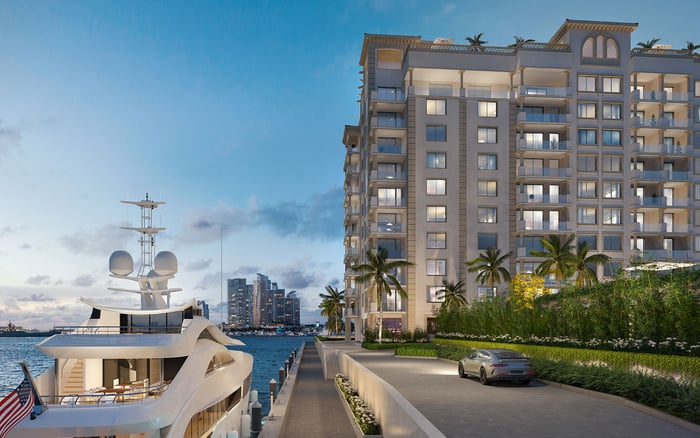
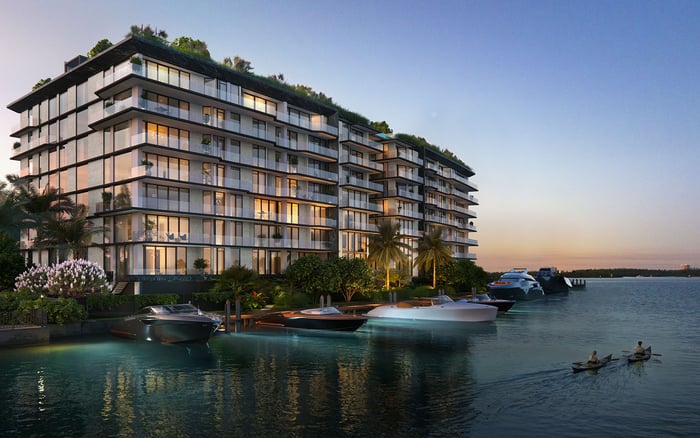
A project comparison can include Onda Bay Harbor, La Maré Bay Harbor Islands, La Baia North Bay Harbor Islands, and Bay Harbor Towers. Their inclusion in a comparison is not confirmation that a particular residence includes dockage or can accommodate a specific yacht.
For every candidate, request unit-specific documentation and current written details. Compare the residence, boating arrangement, costs, restrictions, and operational fit as separate parts of the decision.
Before choosing a residence, confirm the boating right in writing, verify vessel compatibility, review the governing documents, calculate ongoing obligations, examine insurance requirements, and understand storm procedures. Resolve inconsistencies through the appropriate legal, marine, insurance, and property professionals rather than relying on marketing language alone.
The strongest choice is the residence whose documented rights and practical conditions align with the buyer’s intended use. That conclusion should rest on current, property-specific diligence.
Does a waterfront residence automatically include a boat slip? Do not assume that it does. Confirm any dockage right in the contract and governing documents for the specific residence.
What should a buyer verify about a slip or dock? Verify its dimensions, water depth, access conditions, utilities, operating restrictions, and the legal basis for using it.
Which yacht measurements should be checked? Use the vessel’s actual overall length, beam, draft, height, tender configuration, power needs, and maneuvering requirements.
Why does transferability matter? A buyer should understand whether the boating right transfers at closing and how it may be treated in a future resale.
What costs should be reviewed? Request current details on acquisition costs, recurring charges, assessments, utilities, service fees, maintenance, and insurance requirements.
How should buyers evaluate marina rules? Review vessel approval, access, guest use, loading, maintenance, staffing, insurance, and storm procedures before contracting.
What should be checked for private dockage? Investigate the dock, seawall, utilities, access, maintenance duties, insurance considerations, and storm-preparation responsibilities.
Why are storm procedures important? They help define notice methods, vessel-movement requirements, preparation duties, decision-making authority, and responsibility for costs.
Can project marketing replace unit-specific documentation? No. Request current written terms for the exact residence and boating arrangement being considered.
Which professionals may assist with due diligence? Depending on the property and vessel, a buyer may seek guidance from qualified legal, marine, insurance, inspection, and real estate professionals.
For a confidential assessment and a building-by-building shortlist, connect with MILLION.
If branded residences are on your mind — as a home or as an allocation — we would be glad to share what we are seeing, privately.
Begin a quiet conversation