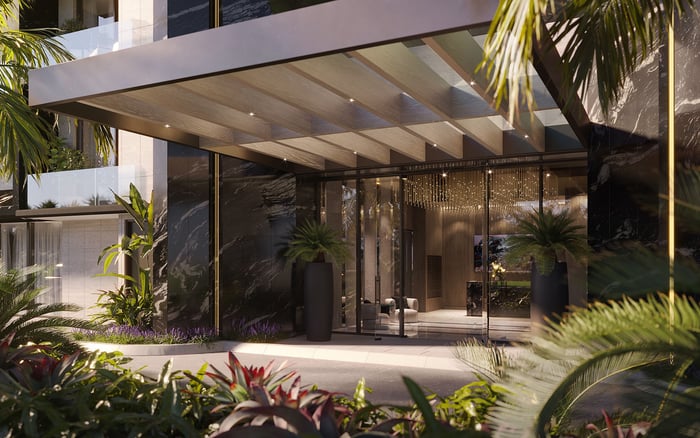
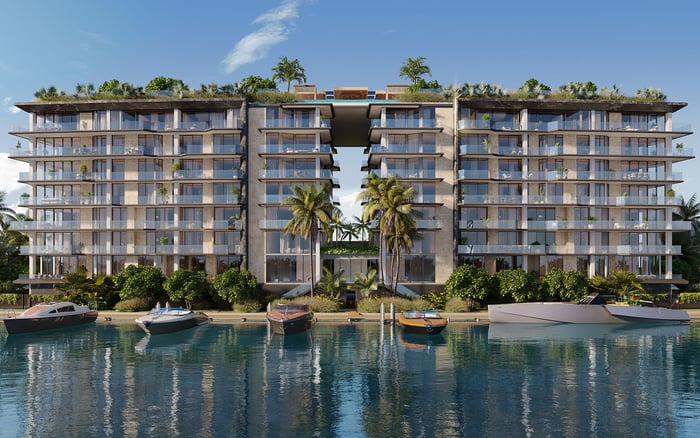
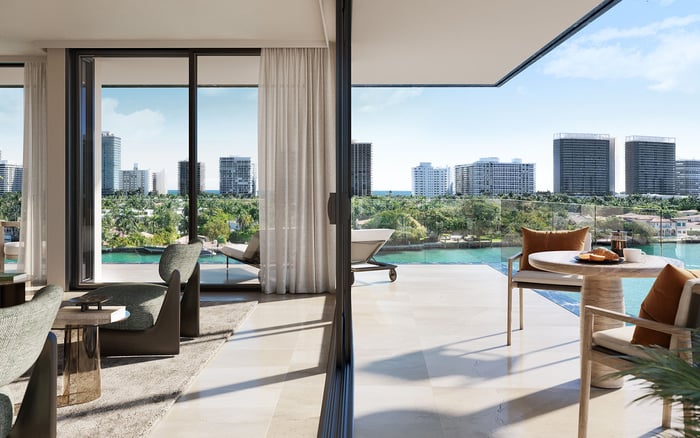
A buyer-focused editorial analysis of Bay Harbor Towers and how ownership culture can shape family-oriented amenities, governance, and long-term livability in Bay Harbor Islands.
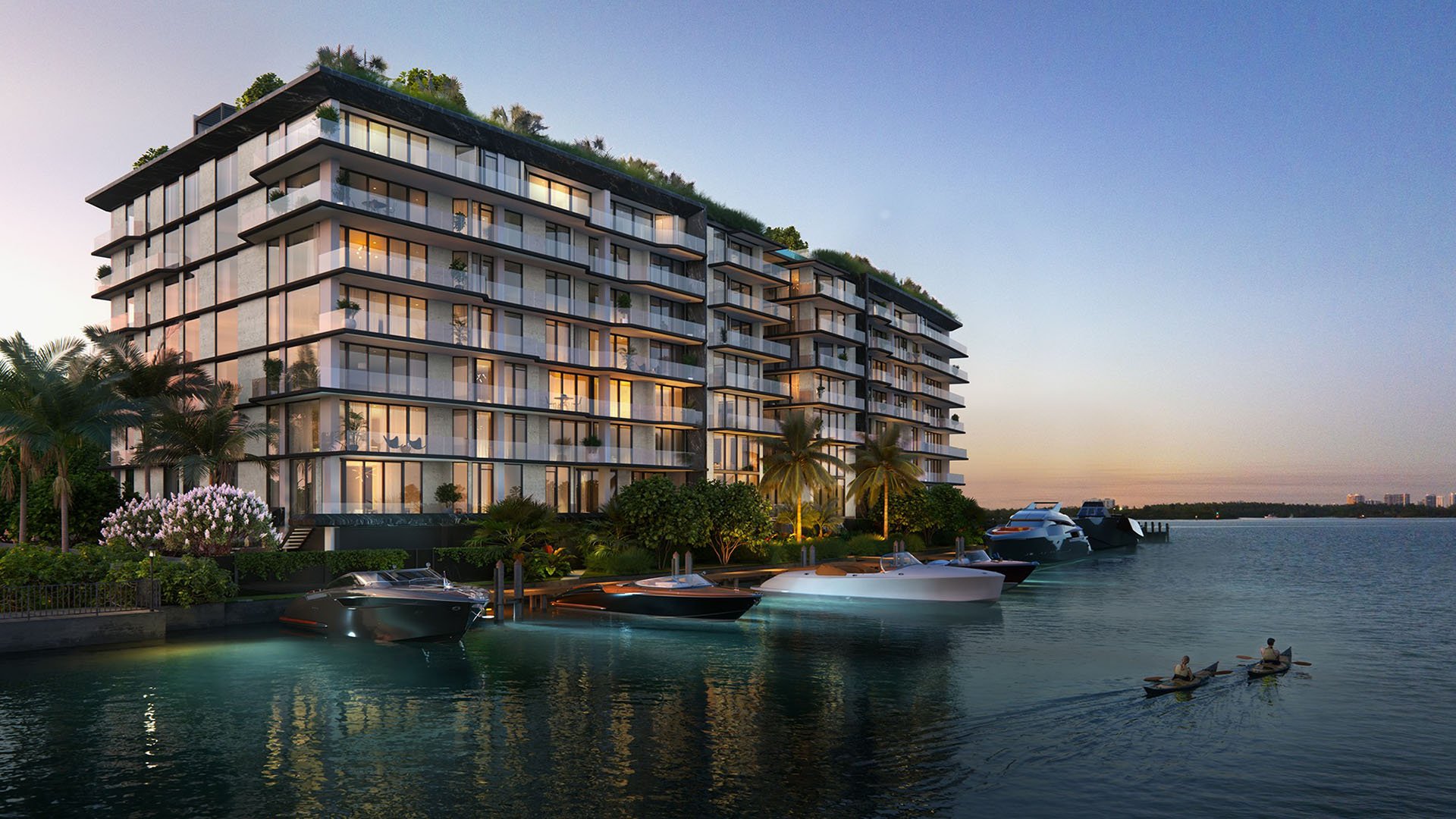
Bay Harbor Towers sits at the center of a more nuanced luxury conversation in Bay Harbor Islands. The question is not only what a residence looks like, what it overlooks, or how it compares on a resale basis. The more revealing question is who gives the building its daily rhythm.
In a mature waterfront condominium, ownership culture can matter as much as architecture. A building may have an elegant setting and a compelling water view, yet its lived experience is shaped by the people who use the lobby on weekday mornings, gather in shared spaces after school, vote on improvements, and decide whether the property should evolve for full-time life or remain primarily a seasonal address.
That is the ownership question behind family-amenity culture. At Bay Harbor Towers, the idea is broader than title records, HOA rosters, or a simple distinction between owners and renters. It asks how residents live, how long they intend to stay, and whether shared spaces are governed with children, multigenerational households, and everyday routines in mind.
Bay Harbor Towers is located in Bay Harbor Islands, a small island town in Miami-Dade County positioned between Bal Harbour and Miami Beach. That geography gives the building a distinctive lens. It is close to some of South Florida’s most recognizable coastal luxury markets, yet the town itself often reads as more residential, more measured, and more neighborhood-oriented than the louder edges of the coastline.
For buyers searching within the Bay Harbor category, this matters. The choice is not simply between waterfront and non-waterfront, or new construction and established condominium. It is a choice between different forms of urban coastal life. Some buyers want a trophy address optimized for occasional use. Others want a building where the culture supports ordinary weekday living with the same seriousness it gives to views, finishes, and asset preservation.
Bay Harbor Towers, as a mature waterfront condominium rather than a new-development case study, invites that kind of reading. Its relevance is not based on novelty. It comes from how an established building can reveal the social and governance patterns that newer properties often promise but have not yet had time to prove.
New projects sell an imagined lifestyle. Mature buildings disclose a lived one. That is why Bay Harbor Towers is useful for buyers thinking beyond renderings and amenity menus. Over time, a condominium’s priorities become legible through maintenance decisions, resident participation, budget conversations, and the way common spaces are treated.
A family-oriented amenity culture does not require a building to resemble a resort for children. It requires alignment. Residents must be willing to support spaces and policies that make daily life easier for households present throughout the year. That can include the way shared areas are scheduled, how noise and privacy are balanced, and whether improvements are evaluated for long-term livability rather than short-term spectacle.
The tension is familiar across South Florida luxury real estate. Seasonal or investor-oriented ownership can bring capital and prestige, but it may also produce a different relationship to common spaces. Full-time family residency tends to ask more from a building. It values consistency, safety, neighborly recognition, and governance that treats the condominium as a home environment rather than merely an investment vehicle.
The phrase family amenity is often reduced to a checklist. That is too narrow. In a luxury condominium, family-amenity culture is less about a single room or feature and more about whether the building’s systems support the patterns of family life.
Families notice how a property feels at transition moments. Morning departures, afternoon returns, weekend gatherings, visiting relatives, and children moving through shared spaces all test whether a building’s culture is flexible, respectful, and durable. Multigenerational households add another layer, because they often value calm circulation, practical common areas, and an atmosphere that feels secure without feeling restrictive.
At Bay Harbor Towers, the ownership question therefore becomes practical. Are residents likely to invest in spaces that benefit people who live there consistently? Are decisions made for a community that expects to know one another, or for a more transient population? Does the building’s culture reward stewardship, or does it default to minimum maintenance and maximum optionality?
These are not abstract concerns. They shape whether a buyer experiences a condominium as a polished address or as a genuine home base.
Luxury buyers are accustomed to reviewing numbers, rules, reserves, and comparable sales. Those remain essential. But for a family considering Bay Harbor Towers, the deeper diligence should include cultural questions.
Who appears to be living in the building full time? How do residents use shared areas during ordinary weeks, not only holiday periods? Do conversations about improvements seem focused on livability, preservation, or short-term marketability? Is the building’s identity closer to a quiet residential community, a second-home retreat, or an investor-shaped asset?
None of these questions requires speculation about individual owners. The point is to understand the atmosphere that ownership patterns create. A condominium can be legally stable and financially sound while still feeling misaligned with a buyer’s daily life. Conversely, an established building with a strong resident culture may offer a quieter form of luxury that does not announce itself through novelty.
For families, that quieter luxury can be decisive. Safety, community, and livability are increasingly evaluated alongside views, interiors, and potential returns. The best buyers recognize that a home’s value is not confined to the private residence. It extends into the elevator, lobby, pool deck, corridors, parking areas, and the social expectations that govern them.
Bay Harbor Towers also reflects a broader shift along the South Florida luxury coastline. Buyers are still attentive to water, privacy, design, and financial performance. Yet a growing share of the conversation has moved toward how properties function when life becomes more permanent.
That distinction is especially important in markets near Bal Harbour and Miami Beach, where seasonal demand, international ownership, and investment-minded purchasing can shape building culture. There is nothing inherently negative about those forces. They are part of what gives the region its depth and liquidity. But they create different expectations from a building whose residents are primarily full-time families seeking continuity.
For the right buyer, the appeal of Bay Harbor Towers is not that it answers every question automatically. It is that it frames the right questions clearly. In a luxury market crowded with polished imagery, an established waterfront condominium can help buyers focus on the essentials: who lives here, how do they govern shared life, and does the culture support the way my household actually wants to live?
Before pursuing Bay Harbor Towers, a buyer should define the desired lifestyle with precision. If the priority is a lock-and-leave coastal foothold, the ownership culture of the building should be evaluated through that lens. If the priority is full-time family living, the buyer should look for signs of resident engagement, long-term thinking, and an amenity philosophy that respects children and adults alike.
The strongest luxury purchase is not always the newest or most visible. Sometimes it is the property whose culture best matches the buyer’s intended life. Bay Harbor Towers is compelling because it turns that match into the central issue.
What is the central ownership question at Bay Harbor Towers? The central question is who actively lives in the building and how that residency pattern shapes shared spaces, governance, and family-oriented culture.
Is Bay Harbor Towers a new-development case study? No. It is framed as a mature waterfront condominium, which makes its established culture especially relevant for lifestyle-focused buyers.
Where is Bay Harbor Towers located? Bay Harbor Towers is located in Bay Harbor Islands, a small island town in Miami-Dade County between Bal Harbour and Miami Beach.
Why does ownership structure matter for families? Ownership patterns influence whether residents support spaces, policies, and improvements that serve children, multigenerational households, and full-time life.
Does family-amenity culture mean a building must have many child-specific features? Not necessarily. It more often means the building’s governance and shared spaces support practical, respectful, everyday family living.
How should buyers evaluate the building beyond the residence itself? Buyers should consider how common areas are used, how residents participate in decisions, and whether the atmosphere feels stable and community-minded.
Is investor ownership always a negative for condominium culture? No. Investor and seasonal ownership can add liquidity, but they may create different priorities than a building dominated by full-time residents.
Why is Bay Harbor Islands relevant to this discussion? Its location between major coastal luxury markets gives buyers a quieter setting in which community, safety, and livability can carry more weight.
What should full-time family buyers prioritize? They should prioritize resident engagement, governance quality, safety, practical shared spaces, and signs of long-term stewardship.
What makes Bay Harbor Towers useful as a luxury real estate lens? It shows how an established waterfront condominium can reveal the relationship between ownership culture and the lived experience of luxury.
When you're ready to tour or underwrite the options, connect with MILLION.
If branded residences are on your mind — as a home or as an allocation — we would be glad to share what we are seeing, privately.
Begin a quiet conversation