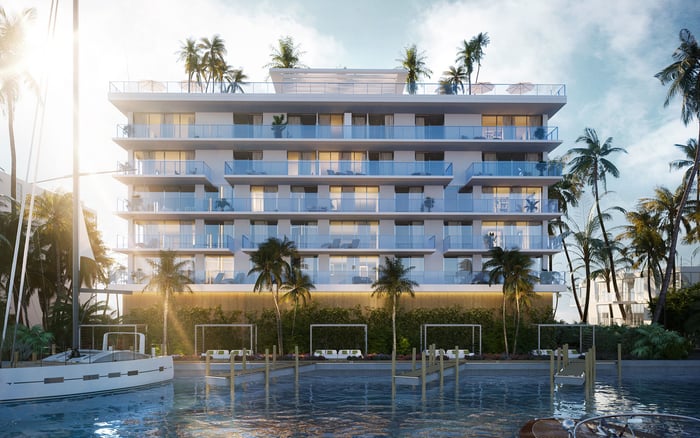
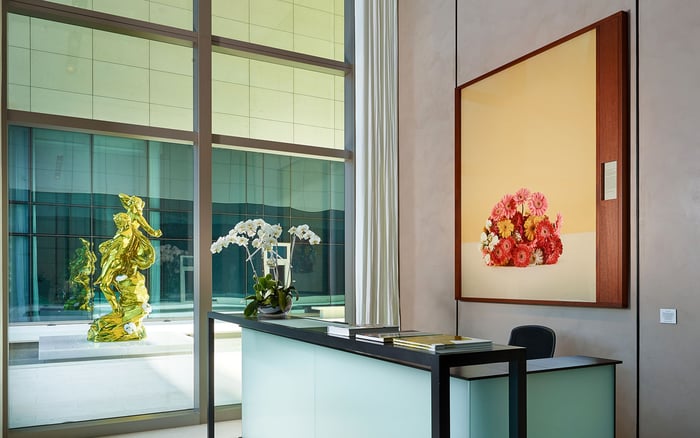
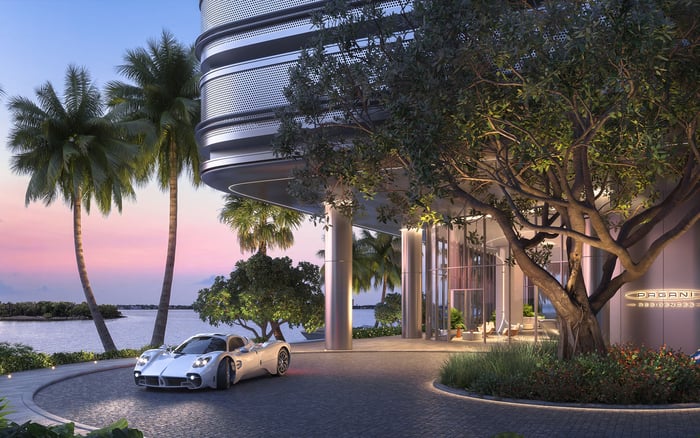
A buyer-focused look at how Alana Bay Harbor Islands translates boutique condominium living into practical, low-friction ownership for seasonal residents, snowbirds, international buyers, and families who value a quieter setting near Bal Harbour and Surfside.
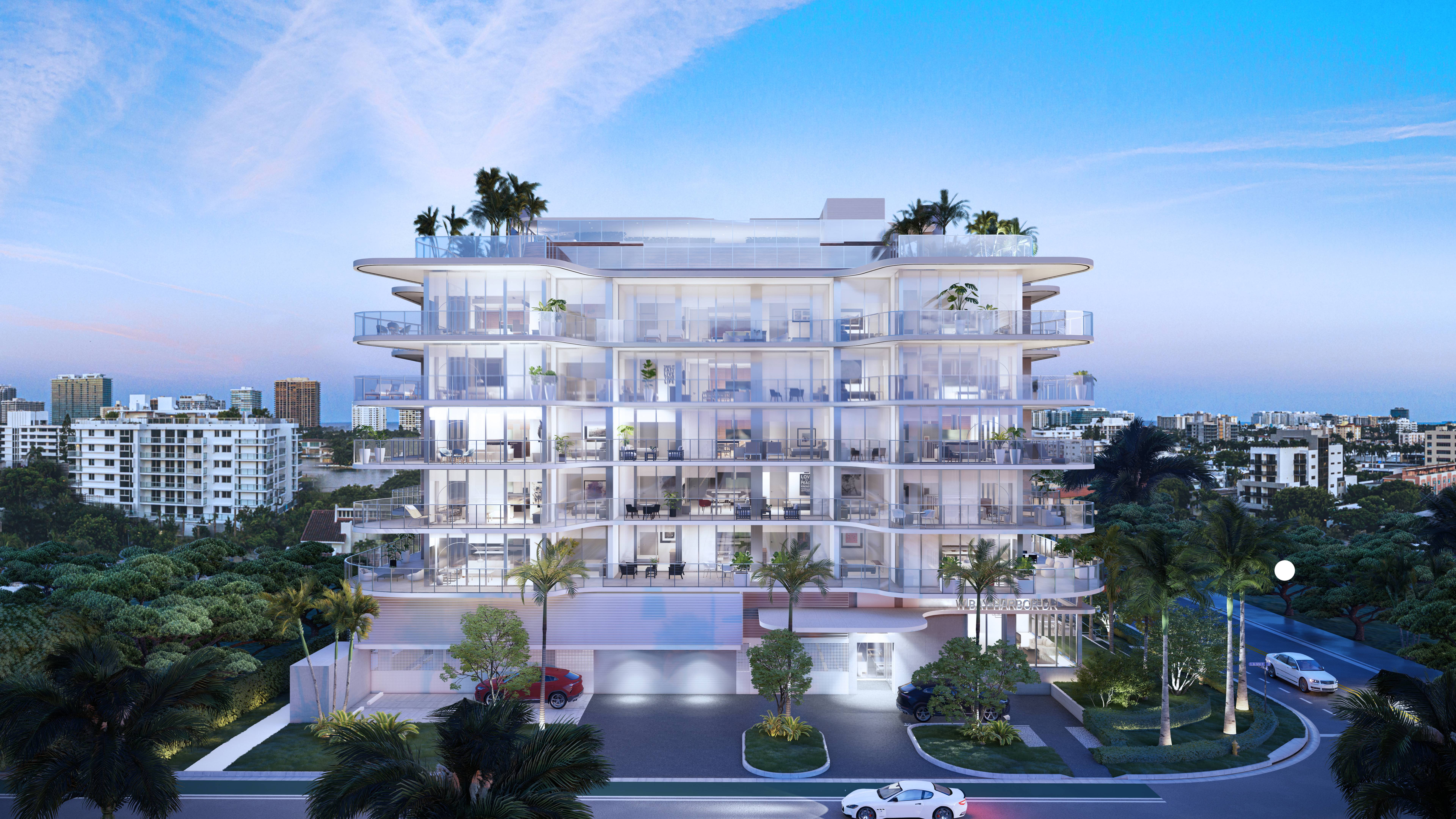
For seasonal owners, the most valuable feature in a South Florida residence is not always the most visible one. Marble, millwork, terraces, and water views still matter, but the deeper question is operational: can the home be left for weeks or months, then re-entered with minimal friction? That is the premise behind Alana Bay Harbor Islands, a boutique condominium positioned around lock-and-leave practicality in one of Miami’s quieter residential pockets.
Alana Bay Harbor Islands speaks to a buyer who may not live in South Florida full time. The profile includes snowbirds, international owners, and families who use a Miami-area residence seasonally. For this audience, a second home is not simply an acquisition. It is an ongoing relationship with building operations, access, maintenance, arrivals, departures, packages, vehicles, and peace of mind while away.
That makes the project’s appeal more pragmatic than theatrical. It is framed as design-forward rather than resort-scale, with the promise of a more discreet condominium environment. In a market often defined by large towers and elaborate amenity narratives, Alana’s value proposition is quieter: convenience, centralized management, and a residential setting that reduces the number of details an owner must personally supervise.
Bay Harbor Islands has long appealed to buyers who want proximity without constant intensity. Its location places owners near Bal Harbour and Surfside, yet the atmosphere is more residential than spectacle-driven. For a part-time resident, that balance is meaningful. The home can function as a Miami base without requiring the owner to live inside the pace of a major entertainment district.
This is where lifestyle and practicality meet. Seasonal owners often want restaurant access, shopping, beach proximity, and airport reach, but they also want to return to a quieter street rhythm. Alana’s Bay Harbor Islands setting offers that contrast: close enough to major luxury destinations, yet removed enough to feel like a controlled residential retreat.
The surrounding market also helps frame the choice. Buyers evaluating this area may naturally compare Alana with other Bay Harbor Islands options such as The Well Bay Harbor Islands and Onda Bay Harbor, not as interchangeable products, but as part of a broader movement toward residentially scaled luxury in the neighborhood. For those who also look across the bridge toward Bal Harbour, Rivage Bal Harbour can help contextualize the more formal luxury corridor nearby, while The Delmore Surfside reflects how Surfside continues to figure into the same buyer geography.
Boutique is not merely a marketing word when the owner is seasonal. Smaller, more intimate condominium environments can change the experience of arrival and departure. The rhythm of the lobby, elevator access, parking movement, and shared spaces may feel more personal and less anonymous than in a resort-scale tower.
Alana is presented as a building for buyers who prefer a design-forward but more discreet setting. That matters for owners who want a residence that feels composed rather than performative. A seasonal home should not require psychological re-entry every time the owner returns. Ideally, it should feel familiar, manageable, and easy to resume.
Lower-density common areas can also be attractive to buyers who use their residence during peak seasonal windows. South Florida’s winter months can make large amenity environments feel especially active. A more intimate resident experience may appeal to owners who want quality without the daily choreography of a much larger condominium.
The lock-and-leave thesis depends on details that rarely appear in glossy imagery. Secure access is essential, but it is only the beginning. Seasonal-owner practicality should be evaluated through package handling, parking access, building-management consistency, maintenance standards, and the reliability of core building systems while an owner is absent.
For a buyer, the right question is not only whether the residence is beautiful. It is whether the property reduces uncertainty. What happens when the owner is away? How are routine building matters communicated? How predictable is access upon return? How easily can a car be retrieved, a delivery received, or a minor issue addressed within the condominium structure?
This is where centralized condominium management becomes a meaningful alternative to the single-family second home. A house can offer privacy and land, but it also places more responsibility on the absent owner. Landscaping, exterior maintenance, access coordination, and security oversight can become part of ownership even when the owner is not present. A condominium like Alana shifts much of that burden into a managed building framework.
Alana’s positioning is important because it does not need to compete with every high-amenity tower in Miami. Its proposition is more specific: a boutique, design-conscious residence for owners who value ease of ownership as much as finishes. That distinction will resonate with buyers who already understand South Florida and know they do not need a resort environment to enjoy the region.
For seasonal residents, restraint can be a form of luxury. A residence that is easy to leave, easy to return to, and easy to maintain may outperform a more complicated property in real life. The strongest lock-and-leave properties are not defined only by what happens when owners are in town. They are defined by what continues smoothly when owners are elsewhere.
Alana Bay Harbor Islands belongs in that conversation because its practical value centers on predictable operations rather than owner-managed home maintenance. The appeal is not just architectural. It is behavioral. The building supports a pattern of ownership that many South Florida buyers now prioritize: arrive, settle in, enjoy the area, depart without anxiety, and return without restarting the home from zero.
Even when a project is aligned with lock-and-leave living, sophisticated buyers should ask direct operational questions before deciding. Security protocols, access procedures, parking logistics, package policies, maintenance communication, and management consistency all deserve attention. The more seasonal the ownership pattern, the more these details matter.
Buyers should also consider how often they expect to use the residence and who will use it. A couple escaping winter may have different needs than a family arriving during school breaks or an international owner planning longer stays. The more precisely the ownership pattern is understood, the easier it becomes to evaluate whether Alana’s boutique format is the right fit.
The central point is simple: luxury is no longer only about what a residence offers when occupied. For many buyers, it is also about what it quietly takes care of when vacant. In that sense, lock-and-leave practicality is not a compromise. It is a sophisticated ownership strategy.
What is the main appeal of Alana Bay Harbor Islands for seasonal owners? Alana is positioned around low-friction ownership, making it relevant for buyers who leave South Florida for extended periods and want an easier return.
Is Alana Bay Harbor Islands a boutique condominium? Yes. It is presented as a boutique, design-forward building rather than a resort-scale condominium environment.
Why does Bay Harbor Islands work for part-time residents? Bay Harbor Islands offers a quieter residential setting while remaining near Bal Harbour and Surfside.
Who is the likely buyer for this type of property? The buyer profile includes snowbirds, international owners, and families using a Miami-area residence seasonally.
What should buyers examine in a lock-and-leave condominium? Security, package handling, parking access, maintenance standards, and management consistency are key practical considerations.
How does condominium ownership differ from a single-family second home? A condominium can provide centralized management, reducing the owner-managed maintenance often associated with a single-family residence.
Does Alana focus more on convenience or spectacle? Its positioning emphasizes convenience, operational reliability, and discreet design rather than a resort-scale ownership experience.
Is the location more connected or secluded? It is best understood as balanced, with access to nearby luxury destinations and a quieter neighborhood character.
Why is operational reliability important for seasonal owners? Owners who are away for long periods need confidence that building systems and access procedures remain consistent in their absence.
Is Alana Bay Harbor Islands only for snowbirds? No. It may also suit international owners and families seeking a practical Miami-area residence for seasonal use.
If you'd like a private walkthrough and a curated shortlist, connect with MILLION.
If branded residences are on your mind — as a home or as an allocation — we would be glad to share what we are seeing, privately.
Begin a quiet conversation