A buyer-focused guide to choosing South Florida branded residences for families with school-age children, with emphasis on school logistics, privacy, neighborhood rhythm, service culture, and long-term livability.
For buyers with school-age children, the best South Florida branded residence is rarely defined by spectacle alone. It is defined by whether the home makes ordinary weekdays feel composed: breakfast before school, secure departures, after-school activities, visiting grandparents, tutors, friends, drivers, pets, homework, and the late-evening reset before the routine begins again.
That lens changes the conversation. A pied-à-terre buyer may lead with views, brand prestige, or hotel-style service. A family buyer still values those elements, but only after the fundamentals are secure. The residence must support predictable routines, privacy, storage, acoustic separation, and a location that does not turn every school day into a negotiation with time.
Branded residences can be especially compelling for this profile because the service culture is embedded in the living experience. For parents, the appeal is not simply convenience. It is continuity. A well-run front desk, clear arrival protocol, polished common areas, and a sense of managed calm can make vertical living feel more like a private estate than a conventional condominium.
The first question is not which brand is most famous. It is how the residence performs at 7:15 in the morning and 4:30 in the afternoon. Families should study elevator patterns, parking access, guest handling, package flow, bicycle or stroller storage, service entry points, and the route from residence to car. These details are not decorative. They shape the daily experience.
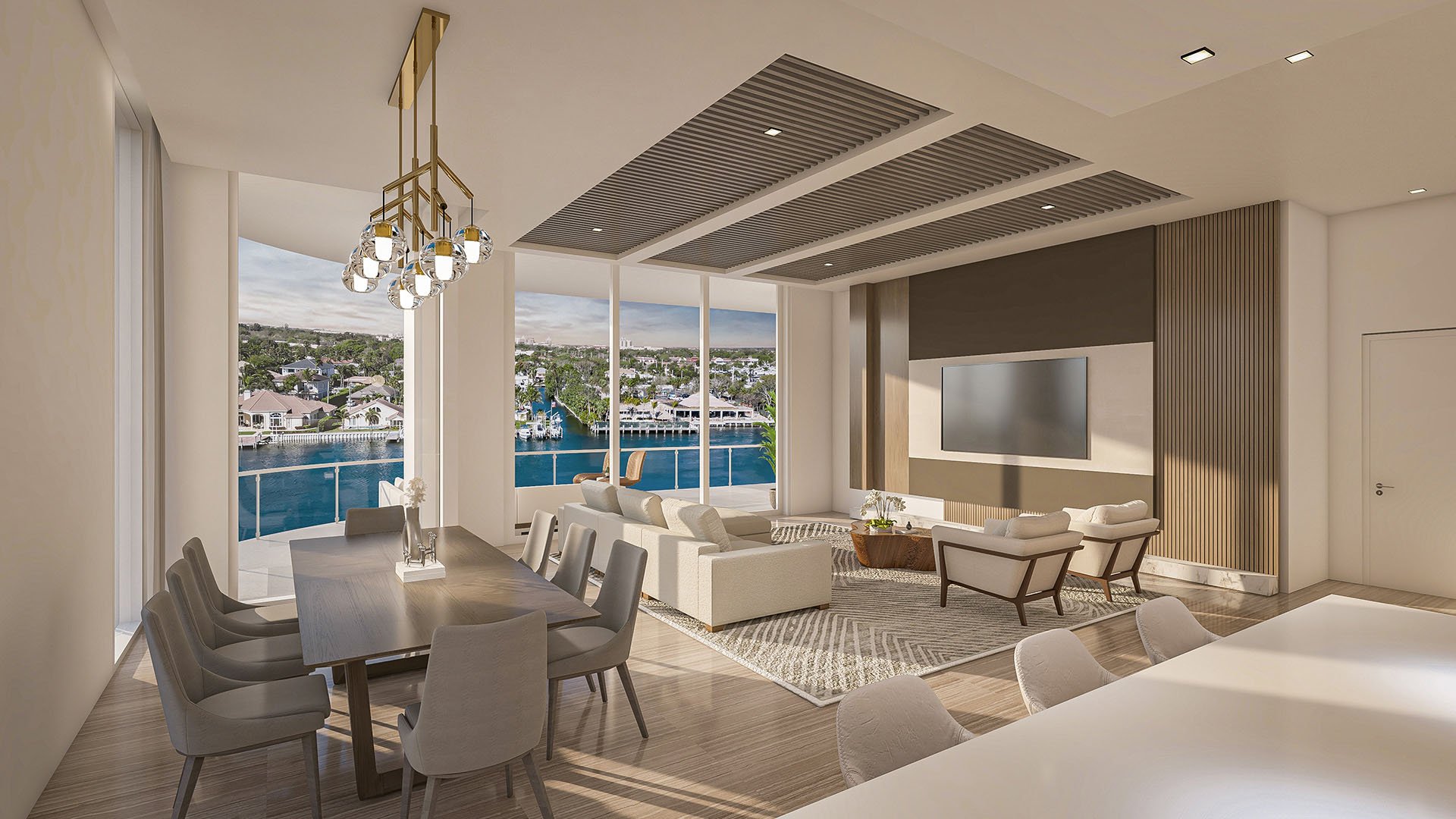
Floor plan discipline matters just as much. A family residence should create distinct zones: entertaining areas set apart from bedrooms, children’s rooms with real privacy, a den or study that can absorb homework and tutoring, and a primary suite removed enough to feel restorative. Large terraces and views may be compelling, but the interior sequence still has to work on a school night.
Families should also consider whether the building culture feels compatible with children. Some branded residences are naturally quieter and more residential in tone. Others feel more social, more transient, or more hospitality-forward. Neither is inherently better. The right choice depends on whether the family wants a serene base, a club-like atmosphere, or a hybrid of both.
Private-school planning should begin before the property tour. For families considering South Florida, private-school proximity is only one variable. Commute reliability, after-school traffic, extracurricular travel, and weekend patterns can have a larger impact on quality of life than a simple distance on a map.
A buyer relocating from New York, California, Chicago, or abroad may be tempted to choose the residence first and solve school placement afterward. In practice, the more elegant sequence is reversed. Start with the schools under serious consideration, then test neighborhoods against the family calendar. A residence that feels perfect at noon on a Tuesday can feel very different during a weekday school run.
Parents should also think beyond one child and one year. A home may need to serve elementary routines now, middle-school independence later, and high-school driving patterns eventually. The best branded residences for families are those that can adapt as children grow, without forcing another move just as the household has found its rhythm.
Coconut Grove remains one of the most intuitive starting points for buyers who want a village-like residential atmosphere within Miami. Its family appeal is tied to a softer daily rhythm, lush streets, and a clear sense of neighborhood identity. Within that context, Four Seasons Residences Coconut Grove is naturally evaluated by buyers who want the branded-residence format in a more residential Miami setting.
Brickell speaks to a different kind of household. It can work for families who want a highly urban life, quick access to work, dining, culture, and a polished waterfront-adjacent lifestyle. For parents who value reducing adult commute time while maintaining full-service living, St. Regis® Residences Brickell belongs in the conversation. The key is to test whether the family’s school route and evening routine align with Brickell’s pace.
Boca Raton offers another version of luxury family living, often preferred by buyers seeking a more settled residential cadence in Palm Beach County. The appeal is not merely space, but a lifestyle that can feel deliberately organized around household stability. The Residences at Mandarin Oriental Boca Raton fits the buyer who wants an internationally recognized hospitality name in a city long associated with refined full-time living.
Farther north, Palm Beach Gardens may suit families who want a composed Palm Beach County base with a more spacious, club-oriented sensibility. For buyers who like branded service but do not want the density of Miami’s urban core, The Ritz-Carlton Residences® Palm Beach Gardens offers a name that is immediately legible to global luxury buyers.
When comparing branded residences, the family buyer should build a daily-use checklist. Where do backpacks land? Can a child sleep while parents entertain? Is there room for a second study space? Does the kitchen support weekday meals as well as catered evenings? Can household staff, visiting family, and children’s friends be accommodated without compromising privacy?
Security and discretion deserve particular attention. High-profile buyers often focus on privacy, but families experience privacy in smaller daily moments: how children enter the building, how guests are announced, how deliveries are handled, and whether common areas feel controlled without feeling rigid. The best buildings make these systems feel invisible.
The residence should also age gracefully with the family. Young children may require proximity and supervision. Teenagers need independence, quiet, and separation. Parents need a home that can host dinners, charity events, and visiting relatives without turning family life into a performance. A strong branded residence lets all of these modes coexist.
Family-driven purchases are often emotional, but they should remain financially disciplined. Brand recognition can support confidence, yet the fundamentals still matter: floor plan quality, light, privacy, parking convenience, view durability, and neighborhood depth. A residence that works for real family life is often more resilient because it serves a broader end-user audience.
The most thoughtful buyers avoid treating the brand as a shortcut. They use it as one filter among several. The name may signal service standards and an elevated environment, but the final decision should come from lived practicality. If the home makes school mornings easier, weekends calmer, and long-term ownership more flexible, it has earned its place on the shortlist.
For South Florida’s luxury family buyer, the best branded residence is not the loudest address. It is the one that gives children room to grow, parents room to breathe, and the household a setting that feels both protected and alive.
Are branded residences practical for families with school-age children? Yes. The strongest choices combine service, privacy, and a floor plan that supports weekday routines rather than only occasional resort-style use.
Should school selection come before residence selection? For most families, yes. School routes, activity schedules, and commute reliability should shape the neighborhood shortlist before final property comparisons.
Is Brickell a good fit for families? Brickell can work for families who value urban convenience and service-rich living, provided the school commute and daily rhythm are carefully tested.
Why do families consider Coconut Grove? Coconut Grove often appeals to buyers seeking a more residential Miami lifestyle with a neighborhood feel and access to full-service luxury residences.
How important is the brand name for resale? It can help with recognition, but resale strength still depends on layout, privacy, views, parking, condition, and depth of buyer demand.
What floor plan features matter most for children? Separation between bedrooms and entertaining spaces, a true study or den, storage, and quiet zones are usually more valuable than decorative drama.
Should families choose oceanfront or inland branded residences? The better choice depends on school routes, lifestyle preferences, and how often the family will use waterfront amenities versus neighborhood conveniences.
Are branded residences better for full-time living or second homes? They can serve either purpose, but families should favor buildings with a residential culture if the home will be used during the school year.
What should parents ask during a property tour? Ask about arrival flow, guest protocol, parking access, storage, service areas, elevator patterns, and how the building handles busy weekday periods.
How can buyers compare Miami, Boca Raton, and Palm Beach options? Compare them through the lens of school logistics, neighborhood pace, household privacy, and the family’s preferred balance of city and residential life.
For a tailored shortlist and next-step guidance, connect with MILLION.
If branded residences are on your mind — as a home or as an allocation — we would be glad to share what we are seeing, privately.
Begin a quiet conversation