A buyer-oriented look at how 888 Brickell by Dolce & Gabbana fits Brickell’s shift toward weekday convenience, pedestrian usefulness, and branded urban luxury.
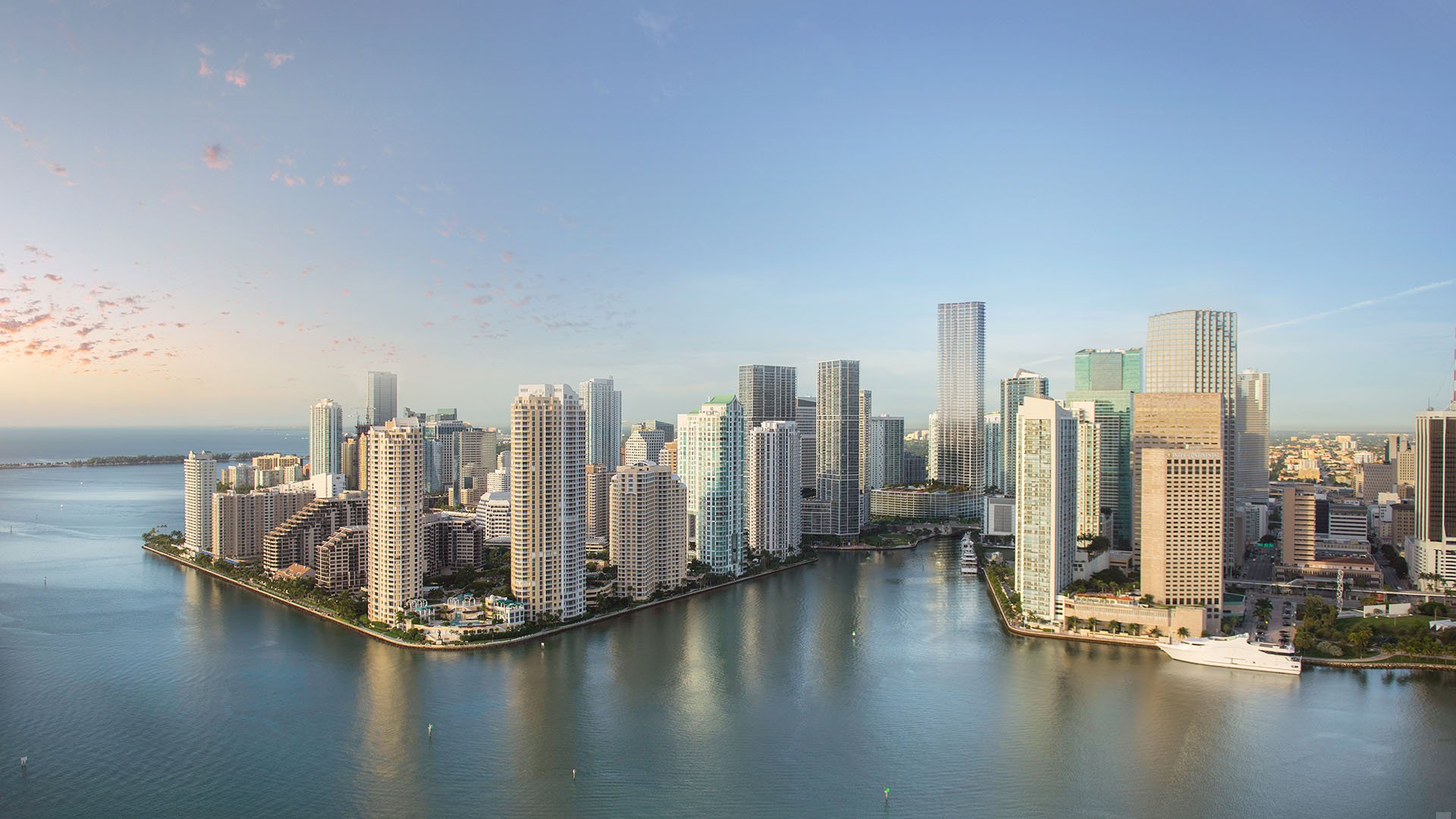
Brickell has long been evaluated through familiar luxury language: skyline views, private amenities, design provenance, branded service, and the prestige of a Miami address. Yet for buyers who live in the city from Monday through Friday, another measure is becoming harder to ignore. The most compelling residences are not only beautiful places to retreat. They are useful places from which to move through an ordinary weekday with uncommon ease.
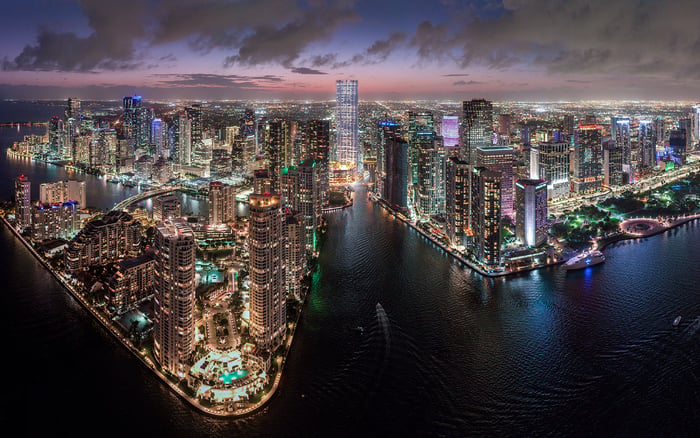
That is where 888 Brickell by Dolce & Gabbana enters the conversation. The tower is positioned as an ultra-luxury branded residence in Brickell, but its relevance extends beyond fashion-house cachet. It sits in Miami’s urban core rather than a resort-style enclave, which means its lifestyle promise depends in part on how smoothly residents can move between home, work, dining, services, and leisure without treating the car as the default for every errand.
For Brickell, this is a meaningful shift. The neighborhood is no longer only a financial corridor that empties after office hours, nor simply a residential district organized around towers. It is becoming a more layered weekday environment, where executive life, hospitality, restaurants, wellness, and household needs overlap. 888 Brickell by Dolce & Gabbana belongs in that transition.
The strongest way to understand 888 Brickell is not as an isolated trophy tower, but as a bridge between two versions of the neighborhood. One is office-driven and weekday-focused, tied to Brickell’s role as a financial and business center. The other is lifestyle-oriented, shaped by new residential clusters, dining energy, hospitality programming, and the expectation that the neighborhood should work after the workday ends.
The project sits at the intersection of Brickell’s financial corridor and its newer residential lifestyle clusters. That positioning matters because a buyer’s actual experience is rarely defined by one grand amenity alone. It is defined by the sequence of small conveniences that repeat daily: a morning coffee, a nearby meeting, a fitness appointment, dinner without a drive, and the ability to return home without losing time to unnecessary circulation.
Nearby Brickell projects reinforce the same broader theme. 2200 Brickell speaks to a residential version of urban convenience, while Baccarat Residences Brickell shows how branded luxury in the neighborhood increasingly competes on both identity and location. For 888 Brickell, the distinction is clear: its Dolce & Gabbana association gives it a highly specific design and hospitality aura, but its weekday relevance depends on how the tower participates in the everyday city around it.
For ultra-prime buyers, convenience is not a secondary feature. It is a form of privacy, efficiency, and control. A residence that reduces friction during the workweek can feel more luxurious than one that requires constant logistical planning, even if both offer dramatic architecture and an extensive amenity program.
This is why weekday walkability has entered the value conversation in Brickell. The idea is not that every resident will walk everywhere, or that a car becomes irrelevant. The more precise point is optionality. A buyer may want the freedom to move between home, office, dining, services, and entertainment with fewer mandatory car trips. That freedom becomes part of the daily value proposition.
In this sense, 888 Brickell by Dolce & Gabbana is being considered through a different lens than a purely resort-driven property. Its appeal is tied to proximity among work, leisure, dining, services, and daily necessities within a short walking radius. That does not replace traditional luxury priorities. It expands them.
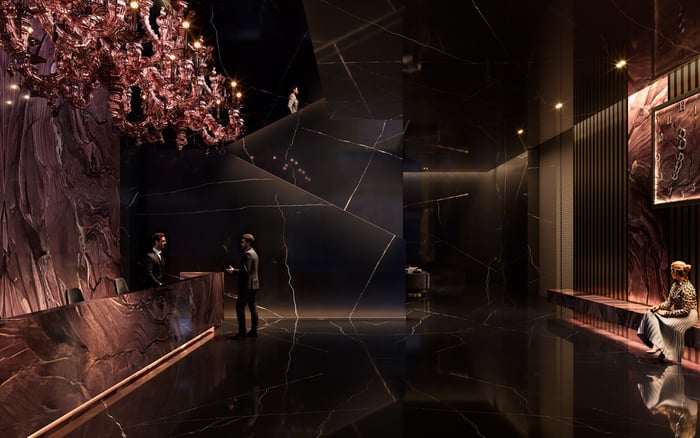
The project’s hybrid hospitality-residential identity is central to its walkability relevance. Branded residences often promise a curated interior world, with service, atmosphere, and design consistency. In Brickell, that identity can also support a more active environment beyond traditional office hours, especially if the residence feels connected to the surrounding neighborhood rather than sealed away from it.
This point matters for buyers comparing 888 Brickell with other high-profile Brickell offerings. Cipriani Residences Brickell brings its own hospitality language to the district, while The Residences at 1428 Brickell belongs to the broader wave of elevated residential inventory reshaping the skyline. In this company, brand alone is not enough. The question is how each building contributes to daily rhythm.
Any new project in Brickell must now answer a practical question: does it enhance the resident’s weekday, or does it simply add another luxury address to the skyline? For 888 Brickell, the stronger thesis is that the brand is amplified by the location. Dolce & Gabbana may provide the aspirational identity, but Brickell provides the daily stage.
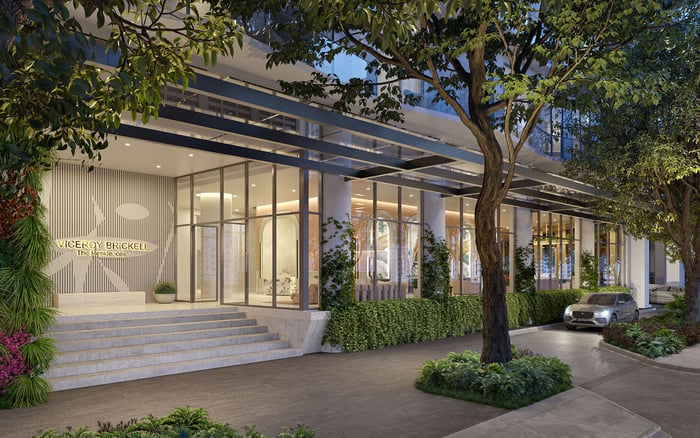
Walkability is often discussed in terms of location, but the ground plane may be just as important. A tower can be centrally located and still feel disconnected if its arrival sequence, frontage, pedestrian edges, and public-facing experience do not create comfort at street level.
For 888 Brickell, ground-plane design is part of the long-term question. The building’s ability to contribute to a more comfortable pedestrian experience will influence how it is perceived not only by residents, but also by the surrounding urban environment. In a dense neighborhood, the base of a tower is not merely an entrance. It is part of the city’s daily texture.
This is especially relevant in Brickell, where the transition from car-dependent district to more pedestrian-oriented weekday living is still evolving. Luxury buyers are highly sensitive to arrival, security, privacy, and service. The most successful urban towers reconcile those priorities with an exterior experience that does not make the pedestrian feel like an afterthought.
The long-term value case for 888 Brickell by Dolce & Gabbana is connected not only to brand prestige, but also to how useful its location feels during ordinary weekdays. This is where Brickell’s walkability conversation becomes more than lifestyle commentary. It can influence rental profile, resale durability, and comparative value versus other planned ultra-luxury inventory.
For investment-minded buyers, the most durable residences often combine emotional appeal with practical repeat use. A recognizable brand may attract attention at launch, but a location that works consistently can sustain interest after the initial publicity cycle fades. If residents and tenants find the address functional from Monday to Friday, that usefulness can become part of the property’s appeal.
Pre-construction buyers should therefore think beyond the presentation gallery. Views, finishes, service programs, and architecture remain important, but weekday functionality deserves a place in the same conversation. The strongest urban luxury assets tend to make life feel easier without requiring residents to compromise on design, service, or privacy.
The most persuasive argument for 888 Brickell is not that walkability replaces glamour. It is that walkability makes glamour more livable. The Dolce & Gabbana identity gives the tower a fashion-led point of view, but the Brickell setting gives that identity a weekday test.
If the residence functions as a bridge between office activity and residential lifestyle demand, it may represent a more mature version of branded luxury in Miami. The buyer is not simply purchasing a view or a logo. The buyer is purchasing a daily pattern: leave home, participate in the city, return easily, and do it again the next morning with less friction.
That is the essence of weekday walkability in Brickell. It is not about abandoning the car or pretending the city is finished evolving. It is about recognizing that ultra-luxury buyers increasingly value time, proximity, and optionality. In that conversation, 888 Brickell by Dolce & Gabbana is not only a design statement. It is a test of how well branded residential living can meet the realities of an urban workweek.
Why is 888 Brickell by Dolce & Gabbana relevant to weekday walkability? It sits within Brickell’s urban core, where buyers can consider proximity to work, dining, services, leisure, and daily needs as part of the luxury proposition.
Is the project only about brand prestige? No. Its Dolce & Gabbana identity is important, but its longer-term appeal also depends on how useful the location feels during ordinary weekdays.
Does weekday walkability mean residents will not need a car? Not necessarily. The key idea is optionality, giving residents more choices for short daily trips without relying on a car every time.
How does Brickell differ from a resort-style luxury enclave? Brickell is an urban district with office, residential, dining, service, and lifestyle uses layered together, making weekday convenience more central.
Why does the ground plane matter for a luxury tower? The ground plane shapes how residents and pedestrians experience the building at street level, affecting comfort, arrival, and neighborhood connection.
Can walkability influence resale value? It may support resale durability when buyers continue to value convenience, access, and practical weekday usefulness alongside design and amenities.
Can walkability affect rental demand? It may help a residence appeal to tenants who want proximity to work, dining, services, and entertainment within a more convenient urban routine.
How should buyers compare 888 Brickell with other Brickell projects? They should weigh brand, architecture, amenities, service, and the practical ease of living in the location during the workweek.
Is weekday walkability replacing views and amenities as a priority? No. It is becoming an additional filter that helps distinguish which luxury residences feel most usable day to day.
What is the main lifestyle thesis for 888 Brickell? The thesis is convenience: a branded ultra-luxury residence positioned to support movement between home, work, dining, services, and leisure.
For a tailored shortlist and next-step guidance, connect with MILLION.
If branded residences are on your mind — as a home or as an allocation — we would be glad to share what we are seeing, privately.
Begin a quiet conversation