A buyer-focused analysis of 2200 Brickell’s future operating obligations, including boutique-building cost exposure, insurance, reserves, governance, assessments, and long-term ownership underwriting in Brickell.
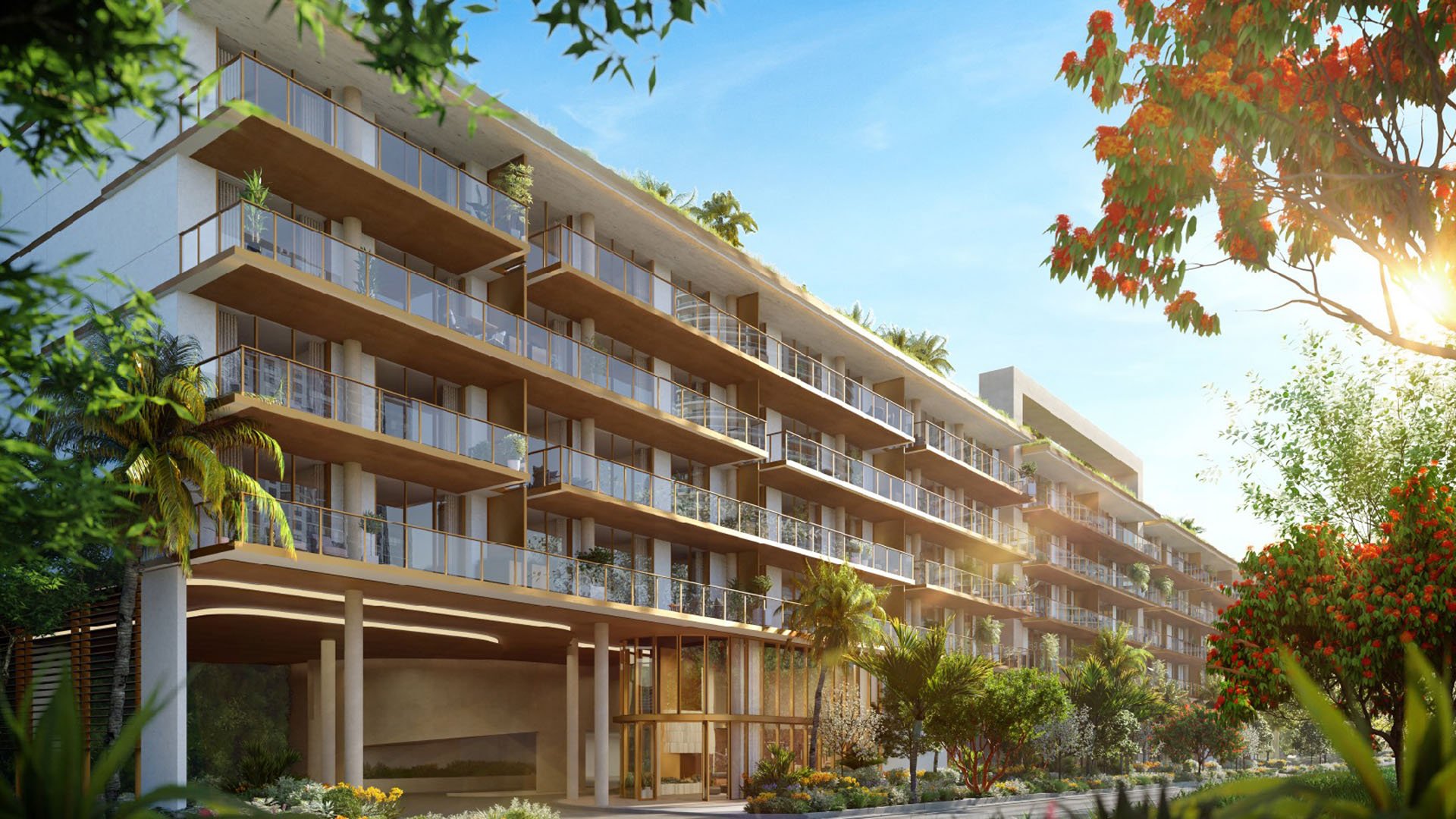
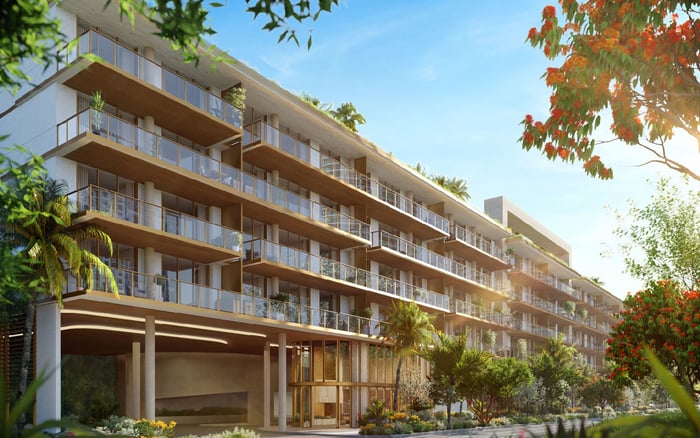
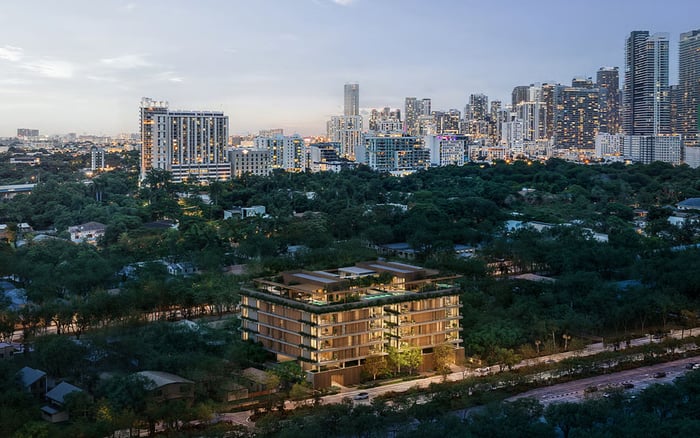
For buyers drawn to Brickell’s polished urban rhythm, 2200 Brickell should be evaluated through a wider lens than finishes, floor plans, and entry pricing. Its appeal rests on boutique scale, privacy, and a more residential feel within one of Miami’s most active luxury corridors. Those same qualities also shape the building’s future operating obligations.
A condominium purchase is not only a closing-day event. It is long-term participation in a shared physical asset, governed by an association and supported by recurring budgets. At 2200 Brickell, the smaller-building format is central to that equation because fixed expenses are spread across fewer owners than in a larger high-rise tower with a broader assessment base.
That does not make the proposition less compelling. It makes underwriting more important. A buyer who understands future obligations can better distinguish between lifestyle value, privacy premium, and recurring exposure.
In a larger condominium tower, the costs of insurance, building systems, staffing, common-area upkeep, and amenity maintenance are distributed across a wider owner pool. In a smaller, amenity-rich building, those same categories can create higher per-unit exposure because fewer residences share the expense.
This is the central operating question at 2200 Brickell. The buyer attracted to quiet circulation, a more intimate residential atmosphere, and fewer neighbors should also evaluate what that intimacy means financially. Privacy has value, but it is not cost-neutral.
Brickell buyers often compare several ownership models before committing. A client weighing 2200 Brickell against Baccarat Residences Brickell or Cipriani Residences Brickell is not simply comparing architecture or brand language. The more precise comparison is how each building’s structure may allocate ongoing obligations among its owners over time.
Future obligations may include insurance, security, concierge staffing, building-systems maintenance, common-area upkeep, and capital repairs. Each category should be considered separately because each behaves differently over a long ownership horizon.
Insurance can be one of the most consequential recurring line items for South Florida condominium owners. Staffing is another key variable, particularly where residents expect attentive service, security presence, and concierge support. Building systems, common elements, and amenities require ongoing maintenance, even when a project is new and visually pristine.
Capital repairs should also be part of the ownership model from the beginning. Elevators, mechanical systems, exterior components, amenity finishes, and shared infrastructure all have life cycles. The most elegant building still ages. The question is whether its owners are prepared to fund that aging through reserves, assessments, or future budget increases.
Initial monthly fee estimates can be useful, but they should not be treated as permanent carrying-cost guarantees. Mature operating budgets can differ from early marketing-stage assumptions once a building is occupied, staffed, insured, maintained, and governed as a lived-in condominium.
For the new-construction buyer, the stronger approach is to ask how the initial budget was constructed, what assumptions support it, and how reserves are expected to evolve after closing. This is especially relevant in a boutique setting, where a change in one major category can be felt more directly by each owner.
A disciplined review should include projected budgets, association documents, reserve schedules, insurance assumptions, and rules governing assessments. Buyers should also understand how the association will make decisions once control and governance are fully in motion.
Condominium governance will influence future decisions on budgets, assessments, reserves, staffing, vendor selection, insurance strategy, maintenance priorities, and risk management. In a boutique building, governance can feel especially close to the resident experience because the owner base is smaller and decisions may be more visible.
This is not a reason to avoid boutique ownership. It is a reason to understand the association framework before purchasing. Buyers should know how budgets are approved, how reserves are funded, how special assessments may be levied, and how major capital decisions are made.
Investment-minded owners should pay particular attention. If the residence is part of a larger portfolio thesis, the ongoing cost profile matters alongside potential appreciation, rental strategy where permitted, and exit liquidity. A polished address can still disappoint if carrying costs are underestimated.
Brickell’s dense luxury market makes operating-cost comparisons essential. Buyers may be evaluating 2200 Brickell alongside larger urban towers such as The Residences at 1428 Brickell, Una Residences Brickell, or other high-profile projects in the corridor. The right question is not which is cheaper on paper. It is which ownership format aligns with the buyer’s expected use, tolerance for shared costs, and preference for privacy versus scale.
A pied-à-terre owner may focus on lock-and-leave service, security, and predictable monthly obligations. A full-time resident may weigh staffing quality, maintenance standards, and common-area experience more heavily. A second-home buyer may be particularly sensitive to paying for services during periods of limited occupancy, while a generational residence buyer may prioritize long-term asset stewardship.
Before contract confidence becomes closing confidence, buyers should examine the building’s expected operating structure. The key questions are practical: What services are included? What amenities require recurring maintenance? How are reserves being approached? What future capital repairs are anticipated? How might insurance costs be absorbed if they change?
Common elements and amenity packages deserve close review because they drive recurring maintenance and eventual replacement obligations. A refined amenity experience can elevate daily life, but every shared space carries a cost profile. In a boutique condominium, that profile should be understood at the per-owner level.
The best buyers do not treat this as pessimism. They treat it as stewardship. Luxury ownership in Brickell is most rewarding when the financial architecture is as carefully considered as the physical architecture.
2200 Brickell should be evaluated as a long-term ownership commitment. Its boutique scale may be precisely what attracts discerning buyers who prefer privacy, intimacy, and a more residential atmosphere. Yet that same scale means future operating obligations deserve serious attention.
For the right buyer, this is not a drawback. It is part of the value calculus. The most sophisticated purchase decision will account for monthly fees, reserves, assessments, insurance, staffing, governance, and maintenance before closing, not after the first association budget surprise.
Why do operating obligations matter at 2200 Brickell? They shape the long-term cost of ownership beyond the acquisition price, including recurring services, maintenance, reserves, and potential assessments.
Does boutique scale affect condominium costs? Yes. Fixed expenses can be shared across fewer owners, which may increase per-unit exposure compared with larger towers.
What future costs should buyers review? Buyers should review insurance, security, concierge staffing, building-systems maintenance, common-area upkeep, reserves, and capital repairs.
Are early monthly fee estimates final? Not necessarily. Mature operating budgets can differ from early estimates once a building is occupied and fully operating.
Why are reserves important? Reserves help fund future repairs and replacements, reducing reliance on sudden assessments when building components age.
Could special assessments occur? They can occur in condominium ownership when budgets or reserves do not fully cover required expenses or capital needs.
Is 2200 Brickell suitable for a pied-à-terre buyer? It may be, provided the buyer underwrites ongoing carrying costs during periods of limited personal use.
How should investors evaluate the project? Investment buyers should model recurring costs alongside appreciation expectations, use strategy, governance, and exit planning.
Why compare 2200 Brickell with larger Brickell towers? Larger towers may spread expenses across broader owner bases, making scale an important operating-cost comparison.
What is the best way to shortlist comparable options for touring? Start with location fit, delivery status, and daily lifestyle priorities, then compare stacks and elevations to validate views and privacy.
When you're ready to tour or underwrite the options, connect with MILLION.
If branded residences are on your mind — as a home or as an allocation — we would be glad to share what we are seeing, privately.
Begin a quiet conversation