A buyer-focused guide to reading Colette Residences Brickell through the lens of intentional international ownership, from privacy and service to micro-location and long-term Miami rhythm.
For international buyers, Brickell is rarely just a condominium purchase. It is a decision about how Miami will function in daily life: a U.S. base, a capital-preservation instrument, a seasonal refuge, a business address, or a more permanent urban home. The more sophisticated the buyer, the less the conversation begins with finishes alone. It begins with rhythm.
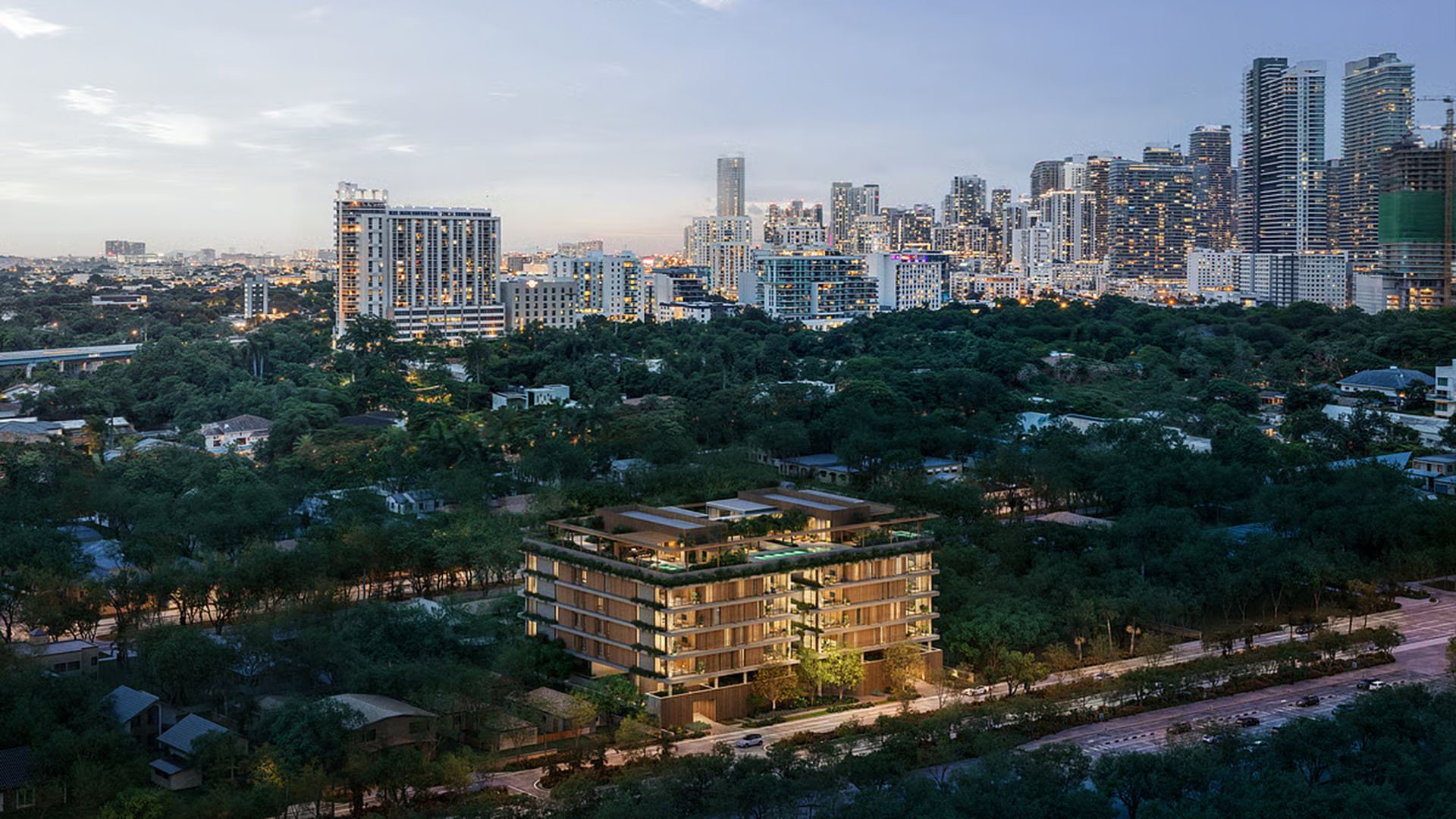
That is the useful lens for Colette Residences Brickell. Rather than reading the project as another luxury address in Miami’s financial core, international buyers can place it within a more deliberate Brickell conversation, one centered on privacy, curation, and lifestyle design rather than sheer tower scale. In a market known for large amenity-driven buildings, the boutique proposition can feel especially relevant to buyers who want Brickell’s convenience without the sense of living inside a constantly activated resort.
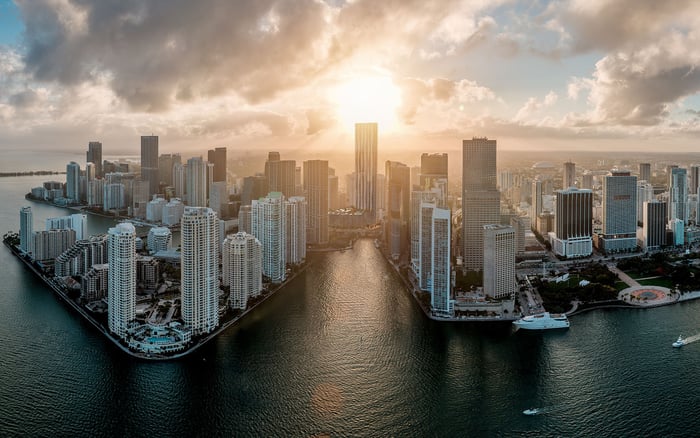
Brickell’s appeal is both practical and emotional. It offers dense urban access, a globally oriented social fabric, multilingual comfort, dining, culture, wellness, and proximity to the movement patterns that define Miami for global owners. But density has texture. The right residence should support the way an owner actually intends to live, not simply present well during a tour.
Many international buyers arrive in Miami already fluent in luxury real estate. They know how to compare views, floor plans, ceiling heights, hospitality brands, arrival sequences, and amenity decks. The harder question is whether a building’s scale and culture will still suit the owner after closing.
In Brickell, larger towers can offer a powerful sense of energy and range. They may appeal to buyers who want constant activity, broad social programming, and a highly visible urban profile. Other buyers prefer a lower-friction ownership experience, where service feels more personal, movement through the building is calmer, and the property reads less like a destination than a private base.
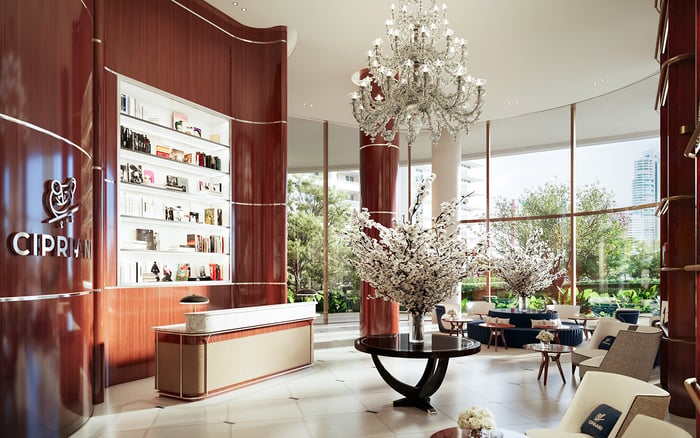
That contrast is where Colette’s positioning becomes meaningful. The project belongs in the conversation for buyers who are not trying to maximize spectacle for its own sake. They are looking for a residence that can make Miami feel composed. The comparison set may still include major Brickell names such as Baccarat Residences Brickell and Cipriani Residences Brickell, but the evaluation should not be reduced to brand recognition. It should ask how each building will behave on a Tuesday morning, after a late flight, during school drop-off planning, or when the owner is away for several months.
For a buyer who will use the residence intermittently, convenience is not a minor detail. It is central to ownership. Package handling, concierge responsiveness, maintenance coordination, guest access, housekeeping logistics, and the ability to arrive and live all matter. A beautifully designed residence that requires constant remote management can quickly feel inefficient.
For a full-time or semi-permanent resident, the questions change. Work-from-home suitability becomes essential. Family logistics matter, including access to daily services and educational routines. Wellness is no longer an amenity category; it becomes part of the week’s architecture. Dining, culture, fitness, medical access, and airport movement all influence whether Brickell feels like a confident base or an exhausting one.
This is also where investment thinking becomes more nuanced. International buyers often value Miami for U.S. access, urban convenience, and capital-preservation appeal. Yet the strongest purchase is not always the loudest purchase. It is the one aligned with intended use. A second-home buyer who visits in compact, high-value windows may need a different building culture than a relocating family that wants Brickell to become daily life.
Brickell is not one uniform experience. A residence near major retail, dining, and nightlife will deliver immediate energy, but that same energy may translate into more sound, traffic, and pedestrian activity. A more residential corridor can feel calmer and more domestic, though possibly less theatrical. Neither is inherently better. The question is whether the owner wants Brickell to feel like a high-energy business hub or a quieter long-term home base.
This distinction is critical for global buyers who may only experience the neighborhood during short visits. A morning walk, an evening return, weekend traffic, valet flow, and the route to the airport can reveal more than a polished sales presentation. Buildings such as 2200 Brickell can help frame the broader question of how different parts of the neighborhood serve different temperaments. New-construction buyers should spend as much time studying the surrounding rhythm as they do studying residence layouts.
Vertical living also requires honesty. Brickell offers extraordinary convenience, but it is dense, urban, and active. Traffic, sound, elevator culture, and the choreography of arrivals are part of the lifestyle. Buyers who acknowledge these trade-offs early are more likely to choose a residence that remains satisfying over time.
The most elegant way to evaluate Colette is to stop asking only what the building contains and start asking what it enables. Can it support a disciplined workday? Does it make wellness easy rather than aspirational? Does it allow the owner to host discreetly, retreat comfortably, and leave Miami without operational anxiety? Does the building culture feel compatible with the owner’s preferred level of visibility?
For some buyers, Brickell is about access: meetings, restaurants, banking relationships, and the social momentum of the city. For others, it is about having an efficient base from which to reach Miami Beach, Coconut Grove, Coral Gables, the airport, and the wider South Florida corridor. A buyer considering St. Regis® Residences Brickell may be weighing a different expression of service and presence, while another may prefer the calmer promise of a more curated environment. The best answer depends on temperament as much as budget.
Colette’s editorial strength for international buyers is that it encourages a more intentional purchase process. It invites a buyer to define the Miami life first, then assess whether the property supports that life with grace. In an ultra-premium market where many residences can impress, the rare advantage is fit.
Is Colette Residences Brickell primarily for full-time residents or seasonal owners? It can be considered through either lens, but the right fit depends on how the buyer expects to use Brickell: daily home base, seasonal retreat, or intermittent U.S. residence.
Why does boutique scale matter to international buyers? Boutique scale may appeal to buyers seeking privacy, simpler building circulation, and a more composed ownership experience than a large amenity-heavy tower.
Is Brickell a strategic location for global buyers? Yes, Brickell combines urban convenience, international familiarity, U.S. access, and a luxury-condo identity shaped by global capital.
What should intermittent owners prioritize? They should focus on concierge support, package handling, maintenance coordination, guest access, and the ease of arriving to a ready residence.
What should relocating families evaluate in Brickell? They should consider work-from-home comfort, family logistics, health routines, nearby services, and whether the surrounding streets feel livable day to day.
Does micro-location within Brickell really matter? Yes, areas closer to retail and nightlife can feel more active, while more residential corridors may feel calmer and better suited to longer stays.
How should buyers compare Colette with larger Brickell towers? They should compare not only design and amenities, but also privacy, service culture, building scale, and how the property will function during ordinary routines.
Is Brickell better for energy or calm? It can offer both, but the balance depends on the building, corridor, and the buyer’s tolerance for urban density, traffic, and vertical living.
Should capital preservation be part of the purchase discussion? Yes, many international buyers view Brickell through both lifestyle and long-term strategic lenses, but fit with intended use remains essential.
What is the most important question before buying at Colette? The key question is whether the residence helps create the specific Miami rhythm the buyer wants, rather than simply satisfying a generic luxury checklist.
For a confidential assessment and a building-by-building shortlist, connect with MILLION.
If branded residences are on your mind — as a home or as an allocation — we would be glad to share what we are seeing, privately.
Begin a quiet conversation