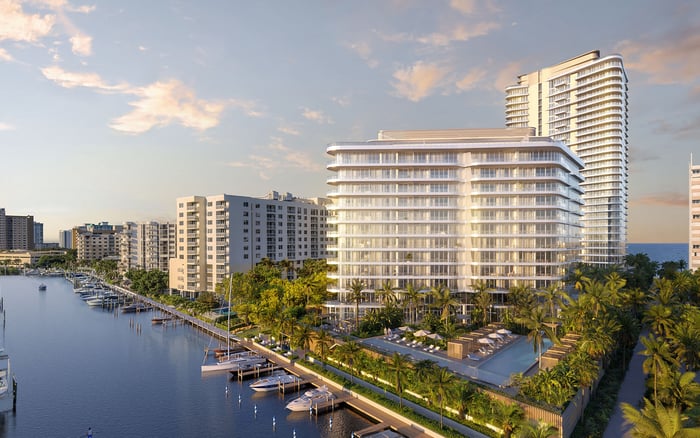
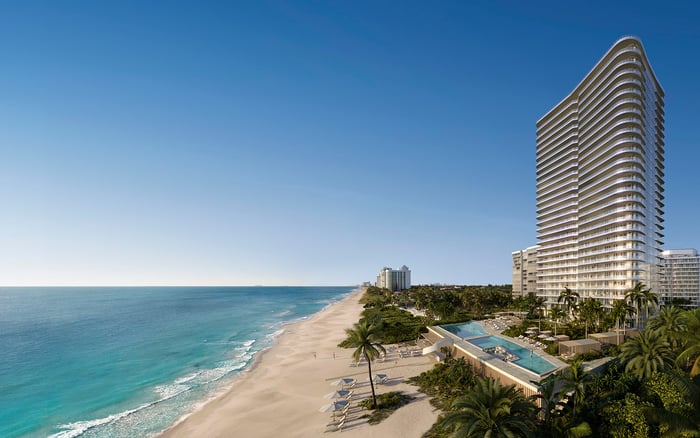
A discreet buyer’s framework for evaluating Pompano Beach with private-club rigor, from daily access and condo governance to insurance, climate exposure and future resale.
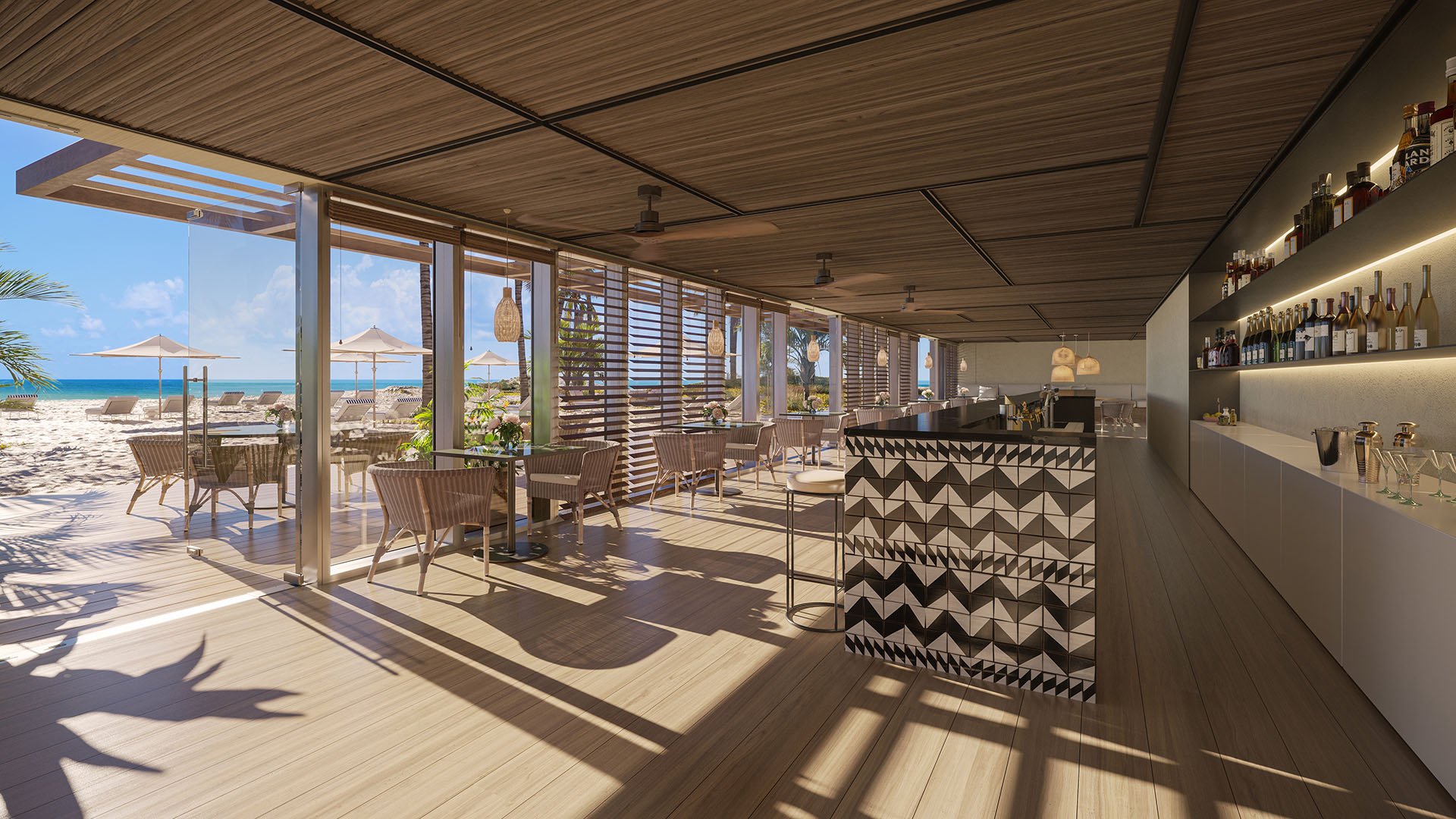
Private-club members are already trained to evaluate privilege with discipline. The best clubs are not simply beautiful; they are well governed, effortless to use, socially coherent, discreet, resilient, and worth returning to after the first season of novelty. That same lens belongs on Pompano Beach before a luxury residence is purchased.
The mistake is to begin with the view. The stronger opening question is quieter: will this address improve daily life with the same reliability as a well-run club? That means testing the approach drive, elevator sequence, lobby culture, beach routine, service model, association posture, storm readiness, and exit scenario before allowing design language or a terrace to dominate the conversation.
Pompano Beach is increasingly part of the broader South Florida luxury map, but a private-club buyer should still treat it as a series of micro-decisions rather than a single destination. A buyer comparing Pompano Beach within Broward should separate lifestyle romance from operational fit, then evaluate location, waterfront exposure, new-construction expectations, and ownership structure as separate diligence tracks.
A residence can feel flawless at 11 a.m. on a weekday and entirely different on a holiday weekend, after dinner, during school traffic, or when guests arrive from another club, marina, airport, or private residence. Visit the building at the times you will actually use it. If your life is organized around golf, boating, dining, wellness, or multigenerational weekends, the calendar matters as much as the floor plan.
Drive the route more than once. Notice arrival friction, valet rhythm, service access, rideshare behavior, pedestrian energy, noise transfer, and the mood of surrounding parcels. Private-club members understand that the environment outside the gate can shape the value inside it. In a condominium setting, the gate is the sequence from curb to residence.
When comparing Pompano Beach with nearby coastal markets, do not ask only whether the address is convenient. Ask whether it remains graceful under pressure. The difference between a residence that photographs well and one that lives well is often revealed in small moments: groceries after rain, guests arriving at once, contractors in the service elevator, or a quiet morning when maintenance crews begin before breakfast.
Club members know that governance is luxury. In a condominium, board culture, reserve posture, insurance program, rental policy, pet rules, renovation controls, staffing model, and financial discipline are as important as stone, glass, and branding. Before purchase, review the association documents with the same seriousness you would apply to a club’s membership rules.
The question is not whether restrictions exist. Restrictions can protect privacy, preserve value, and create social harmony. The question is whether the rules match the way you plan to live. A seasonal owner, full-time resident, family with frequent guests, and buyer expecting hotel-style flexibility may each require a different building culture.
At the branded end of the conversation, The Ritz-Carlton Residences® Pompano Beach should be evaluated not merely as a name, but as a living system: service expectations, privacy norms, amenity demand, and the way the building might feel in season versus off season. The same discipline applies to W Pompano Beach Hotel & Residences, where a buyer should focus on how hospitality energy aligns with private residential rhythm.
In South Florida, elegance must be durable. Private-club buyers should ask direct questions about the building envelope, windows, waterproofing, mechanical systems, generator strategy, parking vulnerability, drainage, and the association’s appetite for preventative maintenance. The goal is not alarm. The goal is clarity.
Insurance deserves early attention, not late-stage surprise. A sophisticated buyer should understand what the association policy covers, what the owner must insure independently, how deductibles are structured, and whether the budget appears prepared for changing costs. This is especially important for buyers accustomed to single-family control, where decisions are private rather than shared.
Climate risk should be studied at the unit, building, garage, street, and neighborhood levels. A high floor may reduce certain concerns, but it does not remove exposure to access interruptions, association expenses, or infrastructure stress. The strongest luxury purchase is one where beauty and resilience support each other.
A branded residence can provide a reassuring shorthand, but private-club buyers should still separate promise from practice. Ask how service will be staffed, how amenity access will be managed, whether peak-season demand has been modeled thoughtfully, and how privacy will be protected when visitors, guests, residents, and service teams overlap.
For buyers drawn to fashion and design identity, Armani Casa Residences Pompano Beach belongs in the conversation as an example of how aesthetic language can influence the purchase experience. Yet the pressure test remains practical: will the residence support the way you dress for dinner, host family, store equipment, receive deliveries, and decompress after a club morning?
Similarly, Waldorf Astoria Residences Pompano Beach may appeal to buyers who value a hospitality-informed residential identity. The diligence should examine how the service story translates into ownership, monthly costs, guest protocols, and daily quiet. In luxury, the most expensive feature is the one you rarely use but always fund.
Private-club members often buy for pleasure, but they rarely ignore stewardship. Before making an offer, write the future resale narrative in one paragraph. Who is the next buyer? A local downsizer, a Northeast seasonal owner, a boating family, a branded-residence collector, or someone moving north from Miami and Fort Lauderdale? If the answer is vague, the underwriting is not finished.
Test the floor plan for broad appeal. Private elevator arrival, outdoor living, storage, parking, guest separation, primary-suite privacy, kitchen usability, and service areas can matter more than decorative finishes. Views are powerful, but resale depth often depends on whether the residence solves several lifestyles at once.
Also consider the competitive set. A Pompano Beach residence may be compared with Fort Lauderdale, Hillsboro Beach, Boca Raton, Sunny Isles, Surfside, or Palm Beach depending on price, brand, size, and buyer origin. Your residence does not need to win every comparison. It needs to win the right comparison for the next qualified buyer.
The strongest luxury acquisitions have a calm feeling. After repeated visits, document review, insurance review, climate review, service review, and resale review, the right residence should feel less like seduction and more like alignment. It should pass the same test as a private club: you can imagine using it often, inviting only the right people, and still respecting it when no one is watching.
A disciplined buyer does not drain the romance from Pompano Beach. The opposite is true. Pressure-testing protects the romance because it ensures the ocean, terrace, lobby, service, and community are supported by the less visible systems that make ownership pleasurable over time.
What is the first thing a private-club member should test in Pompano Beach? Start with daily usability: arrival, access, noise, staffing, guest flow, and how the residence feels during the hours you will actually use it.
Should I prioritize a branded residence or a boutique building? Prioritize fit. A brand can add confidence, while a boutique building may offer a quieter culture if its governance and service model suit your lifestyle.
How important is condo governance in a luxury purchase? It is central. Governance shapes privacy, maintenance, reserves, rules, renovations, staffing, and the long-term quality of ownership.
When should insurance be reviewed? Early in the process. Waiting until contract deadlines can turn a manageable diligence item into unnecessary pressure.
Is an ocean view enough to protect resale? No. Views help, but resale also depends on floor plan, building condition, service, parking, expenses, and the size of the future buyer pool.
How many times should I visit before buying? Visit at different times of day and week. A weekday showing cannot reveal every rhythm of a coastal residence.
What should seasonal buyers examine most closely? They should examine lock-and-leave procedures, storm protocols, maintenance access, guest rules, parking, and communication from management.
Should club access influence the purchase? Yes, but it should be tested through real travel patterns rather than assumptions. The residence should support your existing social and recreational calendar.
What is the biggest mistake affluent buyers make here? Falling in love with design before understanding building operations, insurance exposure, association culture, and long-term cost behavior.
How should I compare Pompano Beach with other luxury markets? Compare it by lifestyle fit, access, building quality, privacy, expenses, and likely resale audience rather than prestige alone.
To compare the best-fit options with clarity, connect with MILLION.
If branded residences are on your mind — as a home or as an allocation — we would be glad to share what we are seeing, privately.
Begin a quiet conversation