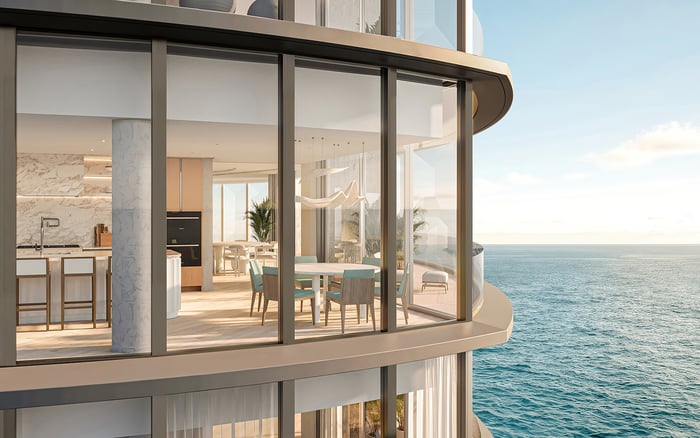
For collectors considering Bal Harbour, the most consequential residential details may sit behind the visible design. A disciplined review of art storage, lighting, climate strategy, access, and installation planning can reveal whether a home will support a collection gracefully over time.
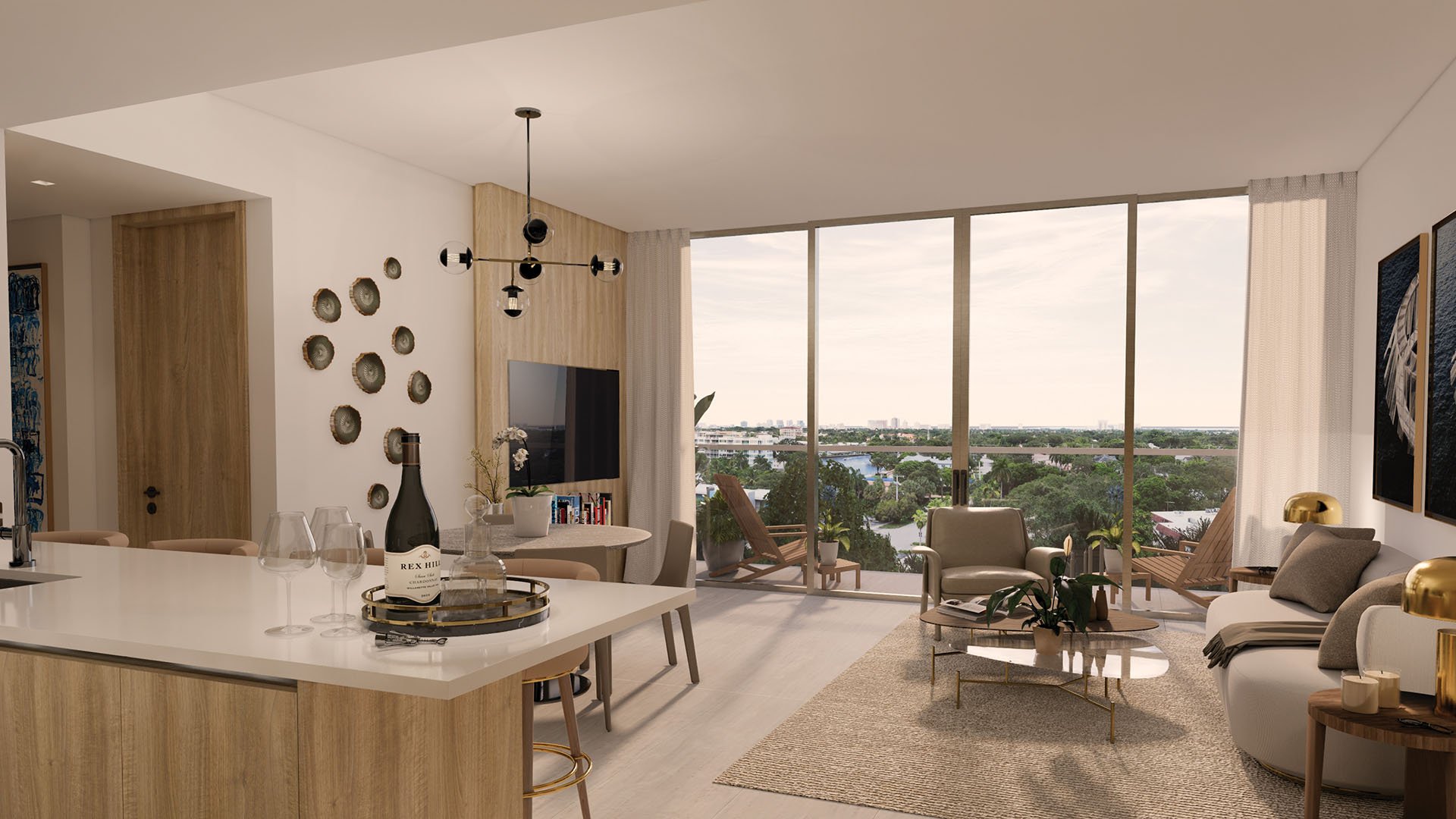
In Bal Harbour, a beautifully resolved interior can command immediate attention. Yet for a buyer with meaningful paintings, works on paper, photography, sculpture, or collectible design, stone selections and decorative millwork may be secondary to less visible considerations. Where can art wait safely before installation? How will daylight interact with a particular wall? Can environmental conditions be assessed and managed in the rooms where important works will live?
These are not merely curatorial concerns. They affect space planning, electrical coordination, mechanical review, service access, insurance conversations, and the ease with which a residence can evolve. Finishes can often be changed. Correcting an unsuitable art wall, an awkward delivery route, or poorly coordinated lighting may require far more intrusive work.
That distinction belongs at the center of sophisticated Buyer's Guides. It is particularly relevant when comparing Oceanfront and Waterfront homes, where expansive glass and view-oriented layouts can shape decisions about display surfaces. Buyers considering Rivage Bal Harbour or Oceana Bal Harbour should evaluate each prospective residence as both a home and a setting for the collection they actually own.
Before evaluating finishes, prepare a working collection brief. It need not disclose values, but it should identify approximate dimensions, media, framing depth, installation needs, preferred adjacencies, and any works requiring specialist review. Include pieces expected to rotate rather than remain on permanent display.
Then overlay that brief onto the residence. Mark primary walls, circulation paths, furniture zones, glazing, doors, vents, controls, and ceiling conditions. A generous room may still offer limited usable display area once those elements are considered. A dramatic Balcony and broad water view may be central to the lifestyle, but the interior elevation opposite the glass deserves equal scrutiny.
This exercise also clarifies priorities. A buyer may discover that one uninterrupted wall matters more than an additional decorative feature, or that a discreet holding room creates more daily value than elaborate built-ins. Design & Architecture decisions become more precise when the collection is treated as an early planning input rather than final decoration.
Storage begins with movement. Trace the route from vehicle arrival to the residence, accounting for building procedures, loading access, elevators, corridors, door clearances, turning points, and the final approach to each intended location. The objective is not to assume suitability, but to identify what must be measured and confirmed before closing or installation.
Inside the residence, distinguish between household storage and space intended to hold art. Ask whether the proposed area can accommodate racks, crates, packing materials, or temporary staging without competing with mechanical equipment, laundry, or daily service functions. Security, proximity to water, access control, and the practicality of specialist visits also merit review.
The same discipline applies beyond Bal Harbour. When considering nearby Fendi Château Residences Surfside or The Surf Club Four Seasons Surfside, buyers can use the same route-mapping exercise. A project name or interior palette should never substitute for residence-specific verification.
Art lighting should be considered before decorative fixtures are finalized. Begin by identifying what will be shown, where it may hang, and how often arrangements might change. From there, a qualified lighting professional can assess fixture placement, beam control, dimming, switching, color appearance, glare, and flexibility.
Daylight warrants a separate review. Visit at more than one time when practical, observe reflections, and consider how shades or other controls affect both the art and the room. The strongest plan is rarely a single dramatic scene. It is a layered system that supports daytime living, evening entertaining, quiet viewing, and future rehanging without forcing the collector into one rigid layout.
Ceiling coordination is equally important. Confirm whether intended fixture locations align with structure, architectural details, sprinklers, diffusers, and other overhead elements. Moving a decorative pendant is one matter; reworking an entire art-lighting concept after completion can be materially more disruptive.
A thermostat reading alone does not answer a collector's questions. Ask an appropriate specialist to evaluate the proposed display and storage spaces, including how conditions may vary by room, wall, season, occupancy, and proximity to glazing or exterior conditions. The objective is to understand performance, controls, monitoring options, and any collection-specific concerns.
Mechanical discussions should remain coordinated with aesthetics. Supply and return locations can influence usable walls, while equipment access may affect storage planning. If supplemental systems or monitoring are contemplated, determine where equipment, sensors, power, and communications would go before cabinetry and wall finishes are finalized.
Avoid relying on broad assurances. Request residence-specific explanations, identify responsibility for ongoing maintenance, and have the relevant art, mechanical, lighting, and insurance advisers communicate when necessary. Serious collection stewardship depends on coordinated judgment, not a single amenity label.
The pre-offer review should separate three categories: confirmed conditions, items requiring specialist verification, and changes the buyer would make after closing. This framework sharpens comparisons and helps prevent visually seductive finishes from obscuring practical constraints.
Give greater weight to features that are difficult to alter, including circulation, ceiling configuration, glazing relationships, service access, and mechanical distribution. Treat replaceable surfaces and decorative packages as a later layer. Where uncertainty remains, define the required investigation and obtain appropriate approvals before assuming a modification is feasible.
The result is not a less emotional purchase, but a more informed one. A residence that receives, protects, illuminates, and adapts around a collection can feel personal in a way that even exceptional finishes alone cannot achieve.
Should art planning happen before interior design begins? Yes. An early collection brief can guide walls, lighting, power, circulation, storage, and furniture placement.
Is a large residence automatically suitable for a major collection? No. Usable display surfaces, handling routes, ceiling conditions, and dedicated support space matter more than size alone.
What should a buyer measure before making an offer? Measure proposed art walls, and have relevant access points, elevators, corridors, doors, and turning areas professionally verified.
Can ordinary closets serve as art storage? That depends on the works and the space. A specialist should assess security, access, environmental conditions, and nearby risks.
Why review daylight separately from electric lighting? Daylight changes by time and orientation, while electric lighting can be zoned and controlled. Both should be assessed in relation to intended artwork positions.
Should lighting be selected before the art is placed? The collection plan should inform the lighting design, while final aiming and calibration can follow installation.
Does a thermostat confirm suitable collection conditions? Not by itself. Buyers should seek specialist evaluation of the actual display and storage locations.
Which residence features are hardest to change later? Circulation, glazing relationships, structural constraints, ceiling coordination, and mechanical distribution generally deserve early scrutiny.
Who should participate in collection-related due diligence? Depending on the collection, the team may include art handlers, conservators, lighting designers, mechanical professionals, insurers, and legal advisers.
Can finishes still influence the decision? Certainly, but they should be judged after the residence's collection-supporting fundamentals and modification constraints are understood.
For a tailored shortlist and next-step guidance, connect with MILLION.
If branded residences are on your mind — as a home or as an allocation — we would be glad to share what we are seeing, privately.
Begin a quiet conversation