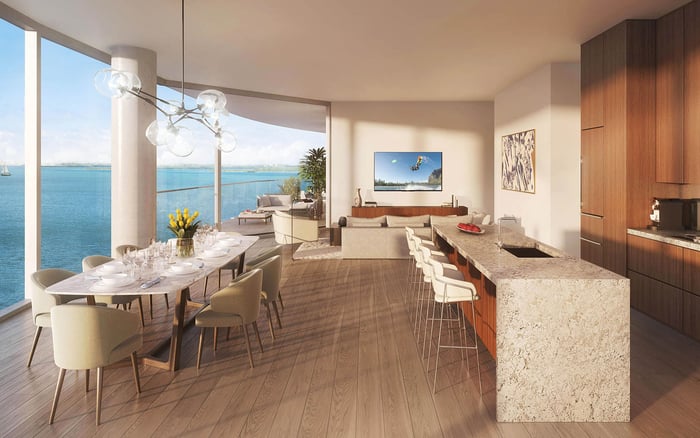
In South Florida, the romance of uninterrupted ocean views often arrives with an invisible tradeoff: light. For collectors living in floor-to-ceiling coastal condominiums, ultraviolet radiation, heat, and glare can quietly accelerate fading, embrittlement, and color shift in works on paper, textiles, and photographs. Ultraviolet-blocking impact glass reframes that risk. It is not just a storm feature, but a daily preservation tool that supports museum-minded interiors without sacrificing the architecture of glass-forward living.
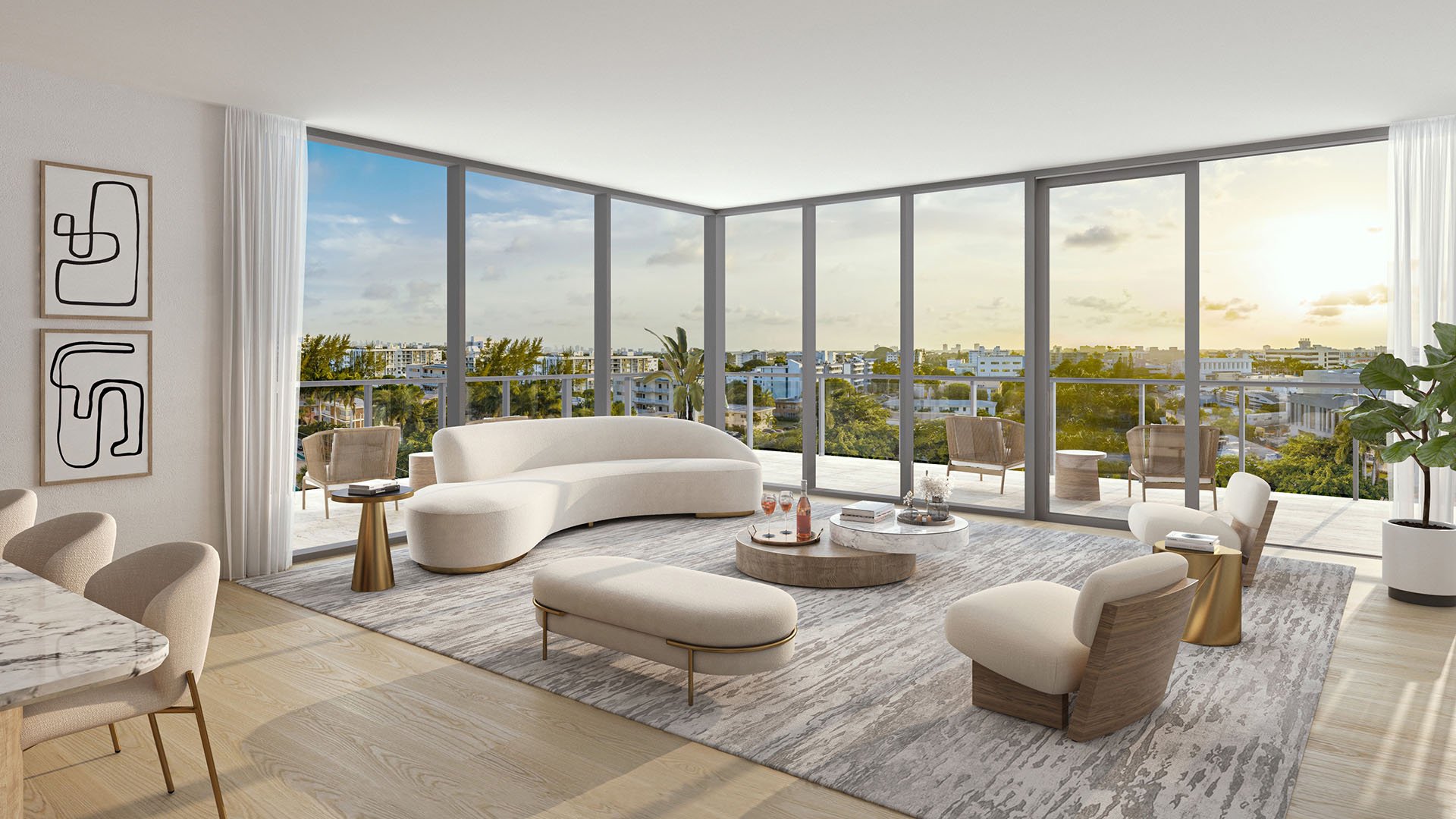
South Florida’s most coveted residences are engineered around light: corner exposures, glass rails, and floor-to-ceiling walls that turn the horizon into architecture. In places like Miami Beach and Sunny Isles, that brightness is part of the lifestyle-and part of the underwriting for value. For fine art, however, sunlight is not neutral. Ultraviolet (UV) radiation and visible light can trigger gradual, cumulative change in pigments, dyes, paper fibers, and textile weaves. Heat and glare add a second layer of pressure, encouraging drying, warping, and surface stress.
Collectors rarely need a dramatic “before and after” moment to understand what’s at stake. More often, the shift is incremental: a photograph that drifts warmer, a watercolor that loses its quiet saturation, a textile that turns brittle at the fold, a signature that grows faint. In full-height glass homes, the question is not whether light enters-it’s how intelligently the envelope manages it.
Impact glass is often framed in the language of storms. In day-to-day living, its more nuanced advantage is that modern laminated glazing can be specified to reduce UV transmission and manage solar energy while keeping views sharp.
The terms you’ll hear in a design meeting are worth translating:
Laminated construction: Two panes bonded with an interlayer. Beyond impact performance, many interlayers help reduce UV transmission.
Low-E coatings: Microscopic layers that can reduce solar heat gain and, depending on the system, influence glare and color.
Tint and neutrality: The “tone” of the glass. Some glazing reads cooler, some warmer. For art, neutrality matters because it influences how colors are perceived throughout the day.
In practice, the strongest glazing strategy for collectors isn’t “dark glass.” It’s a calibrated balance: meaningful UV filtration, controlled solar heat gain, and a visual quality that doesn’t skew the interior’s palette.
A smaller window can be treated like a spotlight you can dim. A wall of glass behaves more like a luminous surface. Floor-to-ceiling glazing expands the hours and angles at which light can reach a work, especially in open-plan living rooms where art often sits on the same axis as the view.
The multiplier effect typically shows up in three ways:
Longer daily exposure: Morning-to-afternoon drift of sun patches across walls.
Higher interior brightness: Even indirect light can be intense in glass-forward towers.
Reflections and secondary light: Polished stone, light oak floors, and high-gloss millwork bounce light deeper into the room.
This is why UV-blocking impact glass is best treated as a baseline. It reduces the most harmful component of sunlight at the perimeter-before the rest of the room begins reflecting and amplifying it.
Luxury buyers often inherit the building’s glazing decisions. In new construction and major renovations, you may have the opportunity to evaluate performance more directly. Without turning your home into a laboratory, you can still ask the right questions.
1) UV filtration
For art, this is the headline. The goal is to reduce UV that can fade dyes and weaken materials over time.
2) Solar heat gain control
Heat isn’t only a comfort issue. It can destabilize adhesives, accelerate drying, and raise temperatures near the walls where art is hung. A strong envelope keeps the interior environment calmer, which also supports framing materials.
3) Visible light and glare management
Collectors want daylight without the “washout” effect that flattens texture and makes finishes look harsh. Glare control also protects the experience of the artwork, not only the artwork itself.
4) Optical clarity and color rendering
Ask whether the glazing is designed to remain visually neutral. If your collection includes subtle tonal work, neutrality isn’t a preference-it’s part of fidelity.
In Brickell, where glass towers define the skyline, these considerations surface in real buying decisions. Residences in 2200 Brickell naturally attract buyers who expect both high design and thoughtful building science, especially when the interior includes gallery-scale walls and curated lighting.
Glass alone isn’t a conservation plan. Think of it as the first filter; interior controls then fine-tune the environment.
Layer 1: UV-blocking impact glass at the perimeter
This addresses the largest “input” of UV.
Layer 2: Automated shading that respects architecture
For floor-to-ceiling glass, discreet motorized shades are a collector’s best friend. The goal isn’t darkness-it’s predictability: controlling peak hours and protecting walls that take direct sun.
Layer 3: Placement and rotation
Even with high-performance glazing, avoid hanging the most light-sensitive works in direct-sun corridors. Consider rotating works seasonally, especially pieces on paper.
Layer 4: Museum-minded lighting
Replace high-output accent lighting with calibrated fixtures and dimming. Good lighting reduces the temptation to rely on harsh daylight and allows art to read beautifully after sunset.
In Miami Beach, where the lifestyle invites constant daylight, collectors often gravitate to buildings that deliver both ocean proximity and refined interiors. In that context, 57 Ocean Miami Beach is a useful reference point for the kind of floor-to-ceiling coastal living where glazing performance and shading integration become part of the daily ritual of preserving a collection.
Coastal condominiums operate in a different atmosphere. Salt residue and humidity can increase how often owners clean glass, frames, and nearby surfaces. Over-cleaning with harsh chemicals can haze coatings, degrade seals, or leave residue that compromises clarity.
A collector-oriented approach is straightforward:
Use gentle, non-abrasive cleaning methods appropriate to high-performance glazing.
Keep cleaning products away from artwork and frames to avoid off-gassing or accidental contact.
Watch for condensation patterns or seal concerns near large glass panels, since microclimate shifts can affect the walls where art is hung.
In Sunny Isles, where towers sit close to the surf line and salt exposure is a lived reality, homes in Bentley Residences Sunny Isles speak directly to buyers who want a high-design residence while still treating the building envelope as a protective instrument-not just a view-framing device.
The most successful art homes in South Florida don’t fight coastal brightness. They choreograph it.
A practical gallery mindset in a floor-to-ceiling condo includes:
Wall selection: Reserve the most stable interior walls for works on paper, photographs, and textiles.
Framing upgrades: UV-protective glazing in frames is a complementary layer, especially for sensitive media.
Finish calibration: Matte wall paints and lower-sheen surfaces reduce bounce and glare, helping art read accurately.
Seating orientation: Arrange sightlines so the art isn’t viewed against direct glare from the glass wall.
Along the oceanfront, this approach allows a residence to feel collected rather than merely decorated. In Hallandale, for example, 2000 Ocean Hallandale Beach aligns with the broader coastal trend toward dramatic glazing paired with interior refinement-the exact combination that benefits collectors when it’s executed with shading, lighting, and art placement in mind.
When a residence is defined by glass, a buyer’s diligence should be equally clear. Consider these questions during showings, design reviews, or punch-list discussions:
Are there motorized shades already installed, and do they cover the full height of the glazing?
Do the primary display walls receive direct sun at any point during the day?
Does the interior feel consistently cool and stable, or does it swing hot near the glass in peak hours?
Can lighting be zoned so artwork is lit intentionally rather than competing with daylight?
This is also where area knowledge matters. Brickell, Miami Beach, and Sunny Isles each create a different relationship to light due to tower spacing, orientation, and reflection from water. If art is central to the way you live, make it central to the way you evaluate a floor plan.
Does UV-blocking impact glass fully prevent art from fading? It can significantly reduce UV exposure, but visible light and heat still contribute, so shading and placement remain important.
Is the biggest risk UV, heat, or glare? UV is the most directly damaging to many media, while heat and glare affect stability and viewing quality.
Will UV-blocking glass change the color of my ocean view? Some glazing has a subtle tint; the best systems aim for high clarity and neutral color rendering.
Do I still need UV-protective glazing in frames? Yes. Frame glazing can add a second layer of protection, especially for works on paper and photography.
Are floor-to-ceiling windows worse for art than standard windows? They can be, because they increase exposure time and the volume of light entering the room.
Can motorized shades be integrated without ruining the architecture? Yes. In well-designed residences, shade pockets and minimal tracks can keep the look clean and intentional.
Where should I hang my most light-sensitive pieces? Choose interior walls away from direct sun paths, and avoid locations where daylight regularly hits the surface.
Does salt air affect artwork inside a condo? It can contribute to residue and humidity concerns, so stable climate control and careful cleaning help.
Should I worry about cleaning products near the glass and art? Yes. Harsh chemicals and overspray can damage coatings and materials; use gentle methods and keep distance.
What is the simplest upgrade if I already own a glass-heavy condo? Add high-quality automated shading and refine art placement to reduce direct exposure during peak sun.
For a confidential assessment and a building-by-building shortlist, connect with MILLION Luxury.
If branded residences are on your mind — as a home or as an allocation — we would be glad to share what we are seeing, privately.
Begin a quiet conversation