A practical underwriting framework for South Florida luxury buyers weighing resilience capital, insurance exposure, HOA economics, and the everyday livability that protects long-term value.
In South Florida luxury real estate, resilience is often discussed in terms of architecture, engineering, or storm preparation. For an owner, it is also an investment thesis. The question is not simply whether a property appears prepared, but whether its protections, policies, costs, and daily functionality work together over time.
A resilient residence should be underwritten the way a sophisticated buyer would underwrite a private business: with attention to capital requirements, recurring expenses, exposure, liquidity, and quality of use. Insurance premiums, HOA fees, reserves, special assessments, maintenance standards, service continuity, access, and livability all belong in the same model. When those elements are separated, a buyer may overpay for visible improvements while missing the less visible costs that determine actual ownership performance.
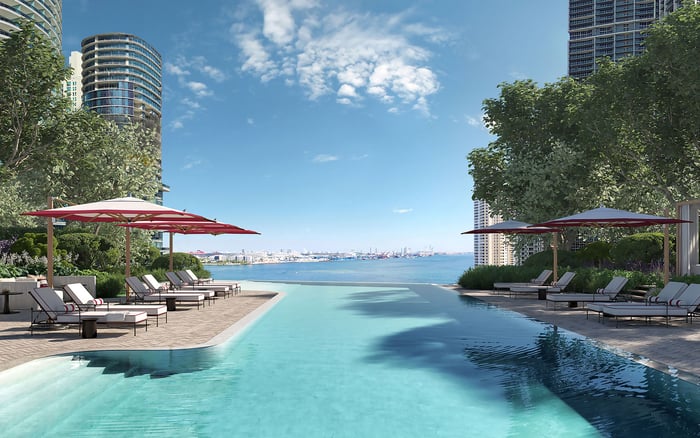
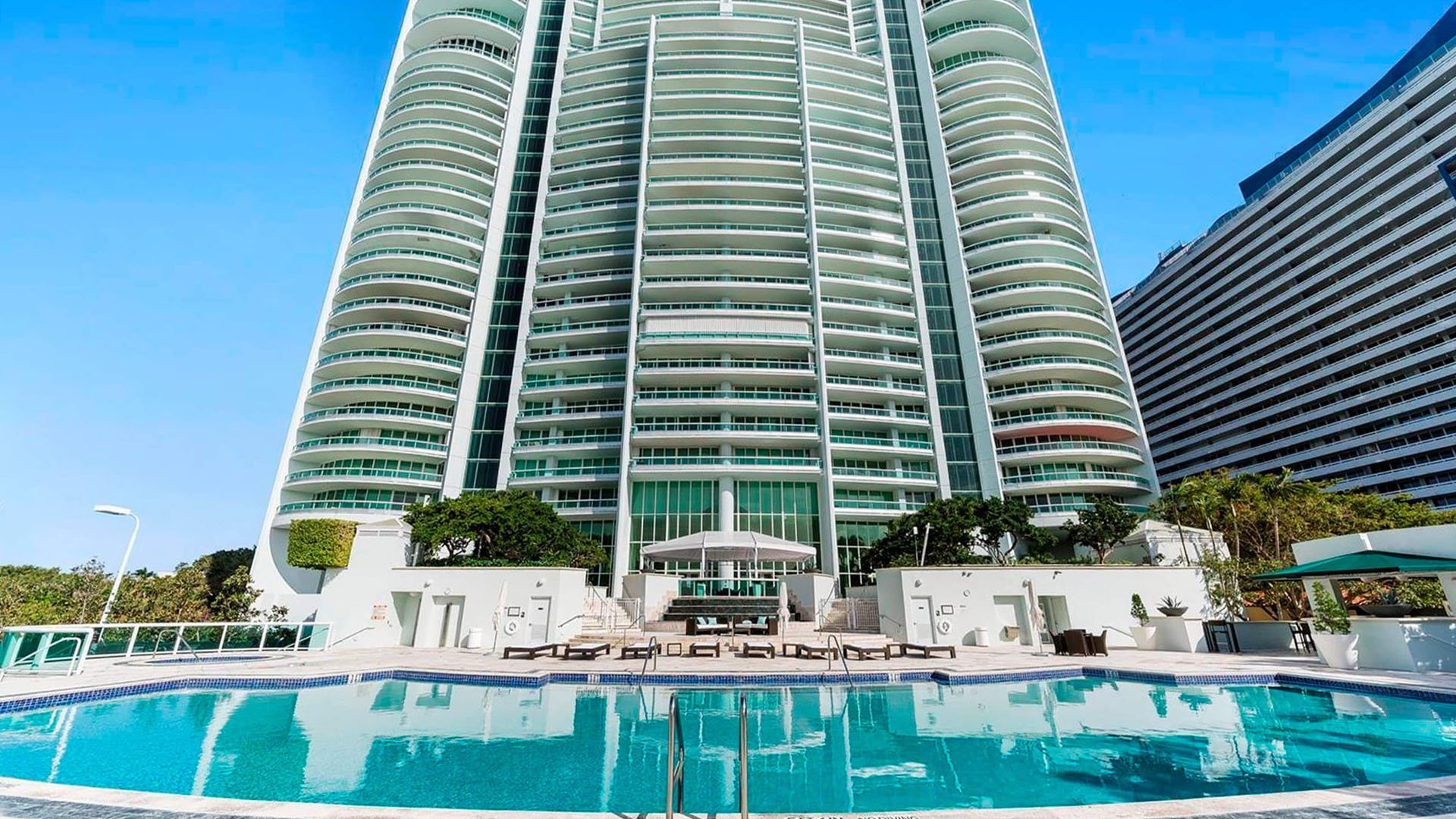
That discipline is especially relevant across Brickell, Aventura, oceanfront enclaves, and established waterfront neighborhoods, where the best homes are not only beautiful but operationally coherent. A strong balcony, elegant pool deck, and generous arrival sequence matter. So do the building’s financial discipline, maintenance culture, and ability to function gracefully when conditions are imperfect.
The first underwriting mistake is treating resilience as an isolated upgrade. Impact glazing, elevated systems, drainage strategy, generator capacity, waterproofing, roof condition, and structural maintenance can all influence confidence, but they do not sit outside the ownership budget. They shape it.
A buyer should begin with a total cost of ownership schedule that includes purchase price, projected insurance, HOA dues, known assessments, reserve expectations, maintenance obligations, and likely capital needs. For a condominium, the HOA budget deserves the same scrutiny as the floor plan. For a single-family home, the private maintenance burden may replace the association fee, but it does not disappear.
The more discreet question is not, “What does this cost today?” It is, “What does this ownership profile ask of me over the next several years?” Luxury buyers are often comfortable with high costs when those costs are legible, purposeful, and aligned with asset preservation. They are less forgiving when low apparent carrying costs conceal deferred maintenance or future disruption.
Insurance should not be viewed only as an annual premium. It is a market signal about exposure, construction quality, claims experience, replacement cost, location, and risk perception. A higher premium does not automatically make a property unattractive, and a lower premium does not automatically confirm strength. The relevant issue is whether the insurance profile makes sense alongside the building’s condition, systems, association governance, and location.
For a buyer, the insurance review should ask what is covered, what is excluded, what deductibles apply, and how responsibility is divided between the association and the individual owner. In a condominium, master policy structure and unit-owner coverage must be read together. In a house, wind, flood, contents, liability, and replacement assumptions should be evaluated with the same care as finishes and landscaping.
A polished residence can still carry awkward exposure if policy details are misunderstood. Conversely, a property with clear insurance logic, well-documented improvements, and disciplined maintenance may offer a more durable ownership experience than a superficially similar asset with less transparency.
In luxury condominiums, HOA fees are often judged too quickly. Buyers may see a larger monthly number and assume inefficiency, or see a smaller number and assume value. Neither conclusion is reliable without context.
A well-run association may charge more because it is funding service, staffing, reserves, insurance, preventive maintenance, and common-area quality. Those expenses can protect the owner’s experience and the building’s standing. A leaner fee may be attractive if it reflects efficient management, but it can be concerning if it depends on postponing necessary work.
The buyer’s task is to separate lifestyle value from financial fragility. What does the fee include? How are reserves handled? Are major systems being maintained proactively? Are services appropriate for the price tier? Does the building feel calm, staffed, and cared for, or merely decorated?
In the highest tier, a residence is not just a private space. It is an ecosystem. Elevators, lobby staffing, valet movement, garage access, pool operations, security posture, amenity maintenance, and communication discipline all affect the way the asset lives.
Special assessments deserve scrutiny, but they should not be treated as automatic disqualifiers. In some cases, an assessment indicates that an association is confronting necessary work rather than postponing it. In other cases, it may reveal underfunding, poor planning, or a history of avoidance.
The distinction matters. A thoughtful buyer should ask what the assessment funds, whether the scope is clearly defined, whether the project is complete or pending, and whether additional phases are likely. The real risk is not the existence of an assessment. It is uncertainty about the next one.
For sellers, transparency around completed resilience work and association planning can support confidence. For buyers, the best outcome is not necessarily the cheapest building. It is the building where costs are understandable, governance is credible, and capital work enhances both safety and daily use.
Resilience is often imagined in dramatic conditions, but its value is proven in ordinary life. Does the home stay comfortable during heat and humidity? Is parking practical? Are deliveries manageable? Do elevators operate efficiently? Is storage sufficient for seasonal living? Can guests arrive without friction? Is the terrace usable, shaded, and maintainable?
A residence that is technically fortified but inconvenient may not preserve enthusiasm over time. The best assets make resilience feel invisible. Systems work, staff communicate, air moves properly, water is managed, and the owner’s routine remains graceful.
For oceanfront living, the exterior environment is central to both the romance and the underwriting. Salt air, sun exposure, wind, and moisture are not abstract concerns. They influence maintenance cycles, material choices, and the durability of common areas. A beautiful pool deck or balcony should be evaluated not just for the view, but for drainage, exposure, privacy, and upkeep.
Different South Florida settings ask different questions. Brickell may place more emphasis on vertical living, arrival sequence, garage convenience, elevator capacity, and access during peak traffic patterns. Aventura may invite scrutiny of private mobility, shopping access, family use, and building service culture. Waterfront and island settings may place more weight on exposure, access points, marine conditions, and maintenance discipline.
None of these variables is inherently good or bad. They simply affect the underwriting model. A pied-à-terre used seasonally has different needs from a full-time family residence. A collector’s condominium with limited occupancy may prioritize security, climate control, and lock-and-leave confidence. A primary home may place equal weight on school routines, staff access, grocery logistics, pets, and guest flow.
This is where luxury underwriting becomes personal. Resilience investment is successful only if it supports the owner’s actual life.
A disciplined buyer can organize the review into five layers. First, examine physical resilience: structure, envelope, glazing, roof, drainage, mechanical systems, electrical systems, and backup capacity. Second, examine financial resilience: insurance, reserves, HOA fees, assessments, and maintenance planning. Third, examine governance: communication, records, staffing, vendor management, and board discipline. Fourth, examine daily use: access, storage, comfort, privacy, amenity function, and service rhythm. Fifth, examine exit quality: how future buyers are likely to perceive the same strengths and costs.
The strongest property is not always the one with the most visible capital spending. It is the one where the capital story, operating budget, and lifestyle experience reinforce one another. In a market where buyers are increasingly sophisticated, clarity itself becomes an amenity.
Ultra-premium buyers do not need perfection. They need coherence. They understand that South Florida ownership includes exposure, maintenance, and recurring cost. They are seeking a property where those realities are anticipated rather than improvised.
A resilient asset should make its case quietly. The insurance logic should be explainable. The HOA fee should be defensible. The reserve posture should feel serious. The common areas should be maintained with consistency. The private residence should live beautifully, not only photograph well.
When resilience, insurance, HOA economics, and daily use are underwritten together, the buyer is no longer reacting to isolated expenses. The buyer is reading the property as a long-term platform for comfort, status, and preservation.
Should resilience upgrades be valued like design upgrades? They should be valued differently. Design shapes desire, while resilience supports durability, insurability, and confidence in ownership.
Is a high HOA fee always a warning sign? No. A higher fee may reflect services, insurance, reserves, staffing, and maintenance that protect the ownership experience.
Can a low HOA fee be risky? It can be if it depends on deferred maintenance or thin reserves. The fee must be read alongside the building’s obligations.
How should buyers think about insurance premiums? Insurance should be treated as both a cost and a signal. Review coverage, deductibles, exclusions, and responsibility between owner and association.
Are special assessments always negative? Not always. An assessment can reflect necessary capital work, but buyers should understand scope, timing, funding, and future exposure.
What daily-use details matter most? Elevators, parking, storage, cooling, deliveries, staff communication, terrace function, and amenity reliability all matter in luxury living.
Does resilience matter more for condos or houses? It matters for both. Condos require association analysis, while houses require closer review of private maintenance and systems.
Are oceanfront residences automatically harder to underwrite? Not automatically. They require careful attention to exposure, materials, maintenance cycles, insurance, and common-area durability.
What should a Brickell buyer prioritize? Vertical access, parking, arrival flow, elevator performance, service standards, and building financial discipline should be central to the review.
When should resilience underwriting begin? It should begin before emotional commitment. The strongest decisions are made when beauty, cost, risk, and daily use are evaluated together.
To compare the best-fit options with clarity, connect with MILLION.
If branded residences are on your mind — as a home or as an allocation — we would be glad to share what we are seeing, privately.
Begin a quiet conversation