A discreet buyer’s guide to evaluating art storage, climate discipline, storm readiness, access protocols, and documentation before purchasing a luxury residence in Downtown Miami.
.jpg)
For serious collectors, a residence is not simply a backdrop for art. It is part of the preservation strategy. In Downtown Miami, where high-rise living, waterfront exposure, private elevators, and seasonal ownership patterns often intersect, the question is not whether a residence offers beautiful walls. The question is whether the building, the unit, and the owner’s operating plan can protect valuable works with discipline.
This is a buyer’s issue before it is a design issue. A spectacular salon, gallery corridor, or double-height living room may photograph beautifully, but collector-grade storage depends on less visible details: environmental stability, loading access, building rules, staff procedures, insurance coordination, and storm preparation. Art storage should be evaluated with the same seriousness as parking, security, association governance, and long-term resale quality.
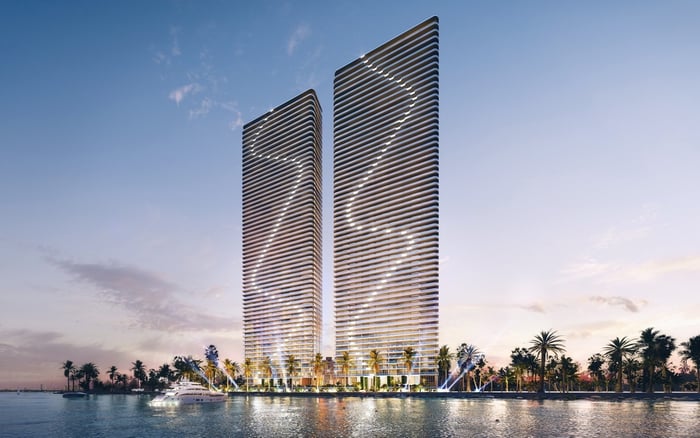
The most sophisticated buyers in Downtown Miami are already thinking this way. They compare not only trophy views, but also how a building handles service circulation, private arrivals, package and freight procedures, humidity-sensitive interiors, and emergency planning. In an area where residential towers such as Waldorf Astoria Residences Downtown Miami and Aston Martin Residences Downtown Miami speak to a global ownership base, art protection becomes part of the broader luxury standard.
Before touring residences, define what the art actually requires. A small group of framed works has different implications than oversized canvases, sculpture, photography, design objects, archival material, or rotating pieces held for lending and exhibition. Buyers should identify what must live on display, what requires private storage inside the residence, and what should remain with a dedicated professional facility.
This distinction prevents overbuying the wrong amenity. A deep storage room with no environmental discipline may be less useful than a smaller, better-planned interior room. A dramatic glass wall may be less desirable if it limits shaded hanging surfaces. A private elevator may matter less than the building’s ability to accommodate art handlers with predictable access and clear service protocols.
For Art Basel season owners, movement is another consideration. If works are likely to arrive, leave, or be reconfigured frequently, the buyer should review how the building handles scheduled vendors, freight elevators, insurance certificates, protective padding, after-hours access, and security sign-in. The most elegant ownership experience is the one that feels uneventful.
Collectors often ask whether a residence is air conditioned. The better question is whether the environment can remain consistent enough for sensitive works. Ask how temperature and humidity are managed in the main living areas, in enclosed storage rooms, and during owner absences. If a residence will be used seasonally, confirm who monitors the unit when the owner is away and how quickly building staff or a property manager can respond to alerts.
A buyer should also ask whether mechanical systems are easily serviceable, whether backup planning exists for interruptions, and whether the proposed storage location avoids obvious risks such as plumbing walls, mechanical closets, laundry areas, exterior-facing moisture exposure, and heavy sunlight. The goal is not to turn every home into a museum. The goal is to avoid placing irreplaceable objects in rooms designed for convenience rather than care.
New-construction residences can be especially attractive because buyers may have earlier opportunities to plan lighting, millwork, electrical loads, wall reinforcement, shade systems, and secure storage layouts. In Brickell, projects such as The Residences at 1428 Brickell invite buyers to think carefully about how architecture, wellness, privacy, and collection stewardship can coexist in a high-rise setting.
Downtown Miami buyers do not need to be alarmist, but they do need to be practical. Art storage should be evaluated through the lens of water avoidance. Ask where the storage room sits in relation to exterior walls, terraces, rooflines, plumbing stacks, mechanical equipment, sprinkler heads, and potential points of intrusion. In a condominium, the risk profile is not only inside the owner’s unit. It may also involve common areas, elevators, loading zones, and service corridors.
For valuable collections, due diligence should include a written storm plan. Who moves works away from vulnerable areas if the owner is abroad? Are crates stored on-site or off-site? Is there a preferred art handler? How are keys, access approvals, and insurance documents handled when time is limited? A beautiful residence without an operating plan can leave too much to improvisation.
Buyers considering nearby Brickell towers, including St. Regis® Residences Brickell, should look beyond finishes and ask how service access, staffing culture, and building protocols support high-value personal property. Brickell and Downtown Miami share an urban luxury rhythm, but each building’s practical choreography can be different.
Collector-grade storage is also about who can reach the art. Buyers should ask how vendors are approved, whether deliveries are logged, how freight elevators are reserved, and whether staff are trained to handle privacy-sensitive owners. In many cases, the art itself is not the only concern. The identity of the owner, the value of the collection, and the timing of movement may all require discretion.
Documentation should be reviewed before closing, not after. Association rules, alteration guidelines, insurance requirements, service elevator dimensions, move-in procedures, and vendor policies can all affect how art is installed and stored. If a buyer plans to add reinforced walls, specialized lighting, secure doors, environmental monitoring, or custom millwork, confirm whether approvals are required and how long they may take.
This is where a residence such as Casa Bella by B&B Italia Downtown Miami may be evaluated not only for design sensibility, but also for how a buyer’s own advisory team can integrate art placement into the ownership plan. The best outcome is alignment among the interior designer, art advisor, insurance specialist, and property manager before the first major installation.
A disciplined buyer should request more than verbal assurances. Ask for mechanical and building information relevant to the proposed storage area, written move-in and vendor procedures, emergency contact pathways, insurance requirements, and any restrictions that could affect art handling. Walk the path a work of art would actually travel: from loading dock to freight elevator, from corridor to private entry, and from unpacking zone to final placement.
Look for friction. Tight turns, exposed service areas, complicated approvals, limited freight access, or unclear rules may not be dealbreakers, but they need to be understood. If the collection includes oversized pieces, the path may matter as much as the room. If the works are sensitive, the owner’s absence plan may matter as much as the view.
Above all, buyers should separate lifestyle language from operational evidence. Collector-grade art storage is not a phrase to accept at face value. It is a set of conditions that can be inspected, documented, tested, and managed.
Should every Downtown Miami buyer with art require dedicated storage? Not always. The need depends on the size, sensitivity, value, and movement patterns of the collection.
Is in-unit storage better than off-site art storage? It can be more convenient, but off-site storage may remain appropriate for works needing specialized care or limited handling.
What is the first question to ask during a showing? Ask where art would be stored, installed, moved in, and protected during owner absences or severe weather planning.
Should art advisors tour the residence before closing? Yes, if the collection is meaningful. An advisor can identify placement, access, lighting, and storage concerns early.
Do association rules matter for collectors? Yes. Vendor access, freight elevators, alterations, insurance documents, and move-in procedures can directly affect art handling.
Are high floors automatically better for art storage? Not automatically. Buyers should evaluate water exposure, mechanical reliability, access logistics, and the specific room conditions.
Can lighting choices affect collection care? Yes. Buyers should review natural light, shading, fixture placement, heat, glare, and how works will be displayed over time.
What should seasonal owners plan for? They should establish monitoring, emergency contacts, access permissions, and response procedures before leaving the residence vacant.
Is Brickell different from Downtown Miami for collectors? The priorities are similar, although each building’s service access, staff procedures, and ownership culture should be reviewed individually.
When should insurance be discussed? Before closing. Insurance requirements can shape storage, installation, documentation, vendor approvals, and emergency planning.
For a confidential assessment and a building-by-building shortlist, connect with MILLION.
If branded residences are on your mind — as a home or as an allocation — we would be glad to share what we are seeing, privately.
Begin a quiet conversation