A practical luxury buyer’s guide to balancing daily convenience with discretion, security, and residential calm before purchasing in North Miami.
For a high-end buyer, walkability is not simply the ability to leave the car at home. It is the quality of the few minutes between a residence and the places that shape daily life: coffee, a wellness appointment, a dinner reservation, a marina, a school run, or a quiet waterfront path. In North Miami, that calculation is especially nuanced because convenience and privacy often sit close together, but not always in harmony.
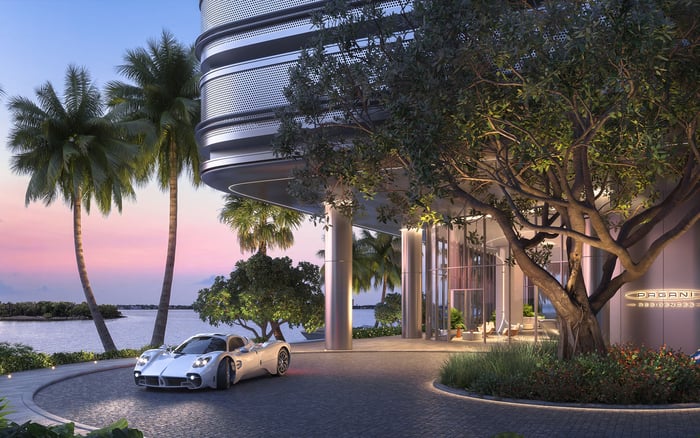
The most successful purchase is rarely the address with the most activity at the front door. It is the home that allows a buyer to participate in the neighborhood when desired, then retreat completely when the day is finished. That is why projects such as One Park Tower by Turnberry North Miami belong to a broader buyer conversation about access, arrival, greenery, water, and discretion rather than walkability alone.
Before comparing buildings, define the actual routine. A buyer who wants a five-minute walk to dinner has a different privacy threshold than a buyer who wants a quiet morning stroll with a dog and no retail energy at night. A second-home owner may value a short drive to the beach more than walking to errands. A full-time resident may prioritize daily access to services, wellness, groceries, and casual dining.
The mistake is treating walkability as a universal virtue. A lively corner can feel convenient at noon and exposed at midnight. A tucked-away street can feel serene, yet frustrating if every small errand requires a car. The right question is not, “Is it walkable?” The sharper question is, “Does the walkable environment match the way I live?”
For North Miami buyers, the best evaluation begins with three routes: the essential route, the leisure route, and the escape route. The essential route covers daily needs. The leisure route measures lifestyle pleasure, including shade, landscaping, waterfront atmosphere, and perceived safety. The escape route considers how quickly one can move by car when walking is not the right choice.
Privacy in luxury real estate is often misunderstood as distance from everything. In practice, it is a layered condition created by arrival design, building orientation, landscaping, staff protocol, garage access, elevator circulation, balcony exposure, and the distance between private interiors and public movement.
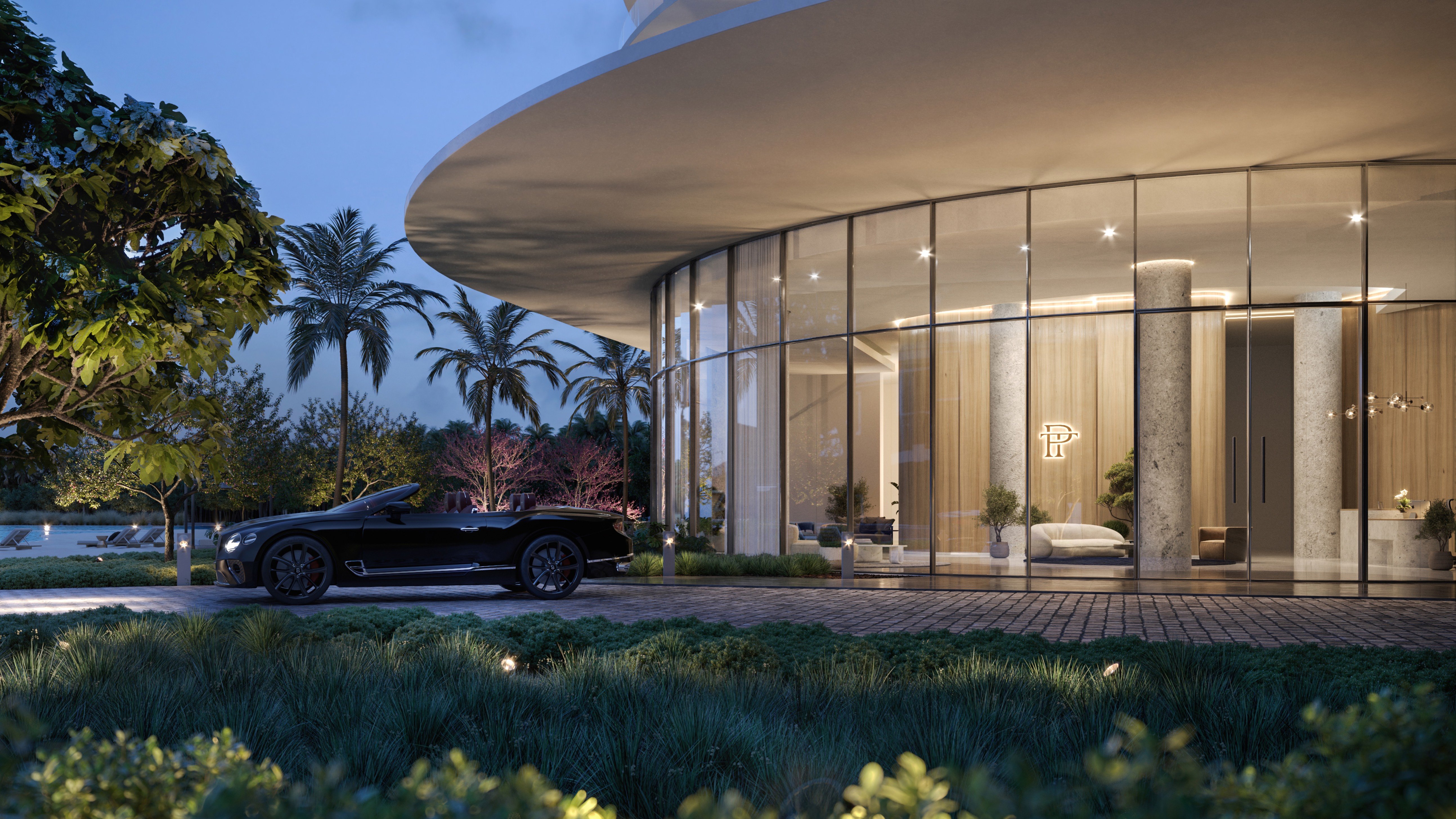
A residence can be highly convenient and still discreet if the arrival sequence is controlled. Look closely at whether guests, residents, deliveries, service providers, rideshares, and valet activity are separated or compressed into one visible point. The more functions that happen in the same place, the busier the building can feel, even if the unit itself is calm.
Sightlines matter as much as access. On a tour, stand where others would stand: the sidewalk, the motor court, the lobby seating area, the garage entrance, and the amenity deck. Ask what can be seen into the residence, terrace, pool areas, and elevator banks. True privacy is often discovered from the outside looking in.
A polished afternoon tour can conceal the rhythm of a neighborhood. Buyers should experience the area in the morning, late afternoon, and evening. Listen for delivery traffic, motorcycles, restaurant activity, school circulation, ride-hailing pauses, and weekend boating energy. None of these elements is necessarily negative. The issue is whether they align with the buyer’s tolerance for activity.
The sidewalk itself deserves attention. Is the route shaded, pleasant, and intuitive, or does it require crossing wide traffic lanes and service entries? Does the route feel residential, commercial, or transitional? A walkable address should feel graceful, not merely possible.
Nearby markets can offer useful comparison without dictating the answer. A buyer looking at North Miami may also understand the appeal of bayfront settings in places like La Baia North Bay Harbor Islands or the island-oriented context around Continuum Club & Residences North Bay Village. The lesson is not that one area is better than another. It is that each setting creates a different relationship between movement, water, traffic, and seclusion.
Luxury buyers often fall in love with views first, then discover the building’s daily friction later. In a privacy-sensitive purchase, reverse the order. Start with the curb. How does one arrive after dinner? Where does a guest wait? How visible is the entrance from the street? How many steps occur before the home feels private?
Then study vertical circulation. Private or semi-private elevator experiences can change the emotional tone of a residence. A large building with strong circulation can feel calmer than a smaller building with congested access. A boutique setting can feel intimate, but only if service areas and resident movement are carefully organized.
Garage access is equally important. A buyer who values discretion should understand how vehicles enter and exit, where visitors park, how deliveries are handled, and whether service activity crosses paths with owners. These details shape the experience every day, long after the initial design impression fades.
Waterfront living can offer serenity, views, breeze, and a sense of separation from the street. It can also attract activity around marinas, parks, restaurants, and scenic corridors. The goal is to understand whether the water creates privacy or simply adds another layer of public life.
When evaluating a Waterfront or Waterview residence in North Miami, consider balcony orientation, neighboring buildings, boat traffic, amenity placement, and nighttime lighting. A dramatic view is valuable, but a private view is more valuable still. The best terraces allow owners to live outdoors without feeling staged.
This same privacy calculus applies across South Florida. The resort sensibility of The Ritz-Carlton Residences® Sunny Isles may appeal to buyers who want ocean proximity and service, while Avenia Aventura may enter the conversation for those comparing convenience in a neighboring urban-residential setting. For a North Miami purchase, these comparisons help clarify what kind of access feels elegant rather than intrusive.
Before making an offer, buyers should ask practical questions that expose the difference between brochure privacy and lived privacy. How many people pass the residence’s primary approach each day? Where do staff, residents, guests, and deliveries intersect? Which amenity spaces are closest to the unit? What can neighboring buildings see? How does the area feel after peak dining hours or during weekend afternoons?
Also consider future flexibility. A buyer may currently want an active lifestyle but later prefer more quiet, or vice versa. A residence that provides multiple modes of living - walk when desired, drive when preferred, entertain publicly, retreat privately - will age better than one that depends on a single lifestyle assumption.
The relevant signals are simple: Lifestyle, Waterfront, Waterview, New-construction, and Gated-community. Yet the real decision is how those ideas combine into a home that feels connected without feeling observed.
The most refined walkable purchase in North Miami should pass a simple test: it should make daily life easier without making private life more visible. Convenience should feel like an option, not an obligation. The neighborhood should support movement, but the residence should restore stillness.
For ultra-premium buyers, privacy is not the absence of people. It is the ability to control when, how, and where one participates. In that sense, the best North Miami address is not necessarily the loudest, closest, newest, or most secluded. It is the one where the walk home feels as considered as the home itself.
How should I define walkability before buying in North Miami? Define it around your daily routine, not a generic label. Focus on the places you will actually walk to and the times you will use them.
Can a walkable residence still feel private? Yes. Privacy depends on arrival, circulation, sightlines, landscaping, and how public activity is separated from residential life.
What should I look for during a property tour? Study the curb, lobby, garage, elevator path, amenity placement, and views from nearby public areas. These reveal daily privacy more than finishes alone.
Is waterfront living always more private? Not always. Water can create separation, but marinas, public paths, lighting, and boat traffic can add activity.
When should I visit the neighborhood? Visit in the morning, late afternoon, evening, and on a weekend. Each period reveals a different pattern of traffic, sound, and visibility.
How important is garage access for privacy? Very important. Discreet vehicle entry and clear separation from guests and deliveries can significantly improve the ownership experience.
Should I prioritize a quieter street over nearby restaurants? It depends on your lifestyle. Many buyers prefer being close to dining while living just far enough away to avoid constant activity.
Do higher floors always offer more privacy? Higher floors can improve privacy, but neighboring towers, amenity decks, and balcony orientation still matter. Evaluate sightlines carefully.
What is the biggest mistake buyers make? They judge convenience during a polished tour and overlook evening noise, service movement, and how exposed the residence may feel over time.
What is the ideal balance for a luxury buyer? The ideal residence offers easy access when desired and a calm retreat when home. Walkability should enhance privacy, not compete with it.
For a confidential assessment and a building-by-building shortlist, connect with MILLION.
If branded residences are on your mind — as a home or as an allocation — we would be glad to share what we are seeing, privately.
Begin a quiet conversation