A practical underwriting framework for evaluating pet relief areas in South Florida luxury residences, from drainage and odor control to privacy, operations, and resale value.
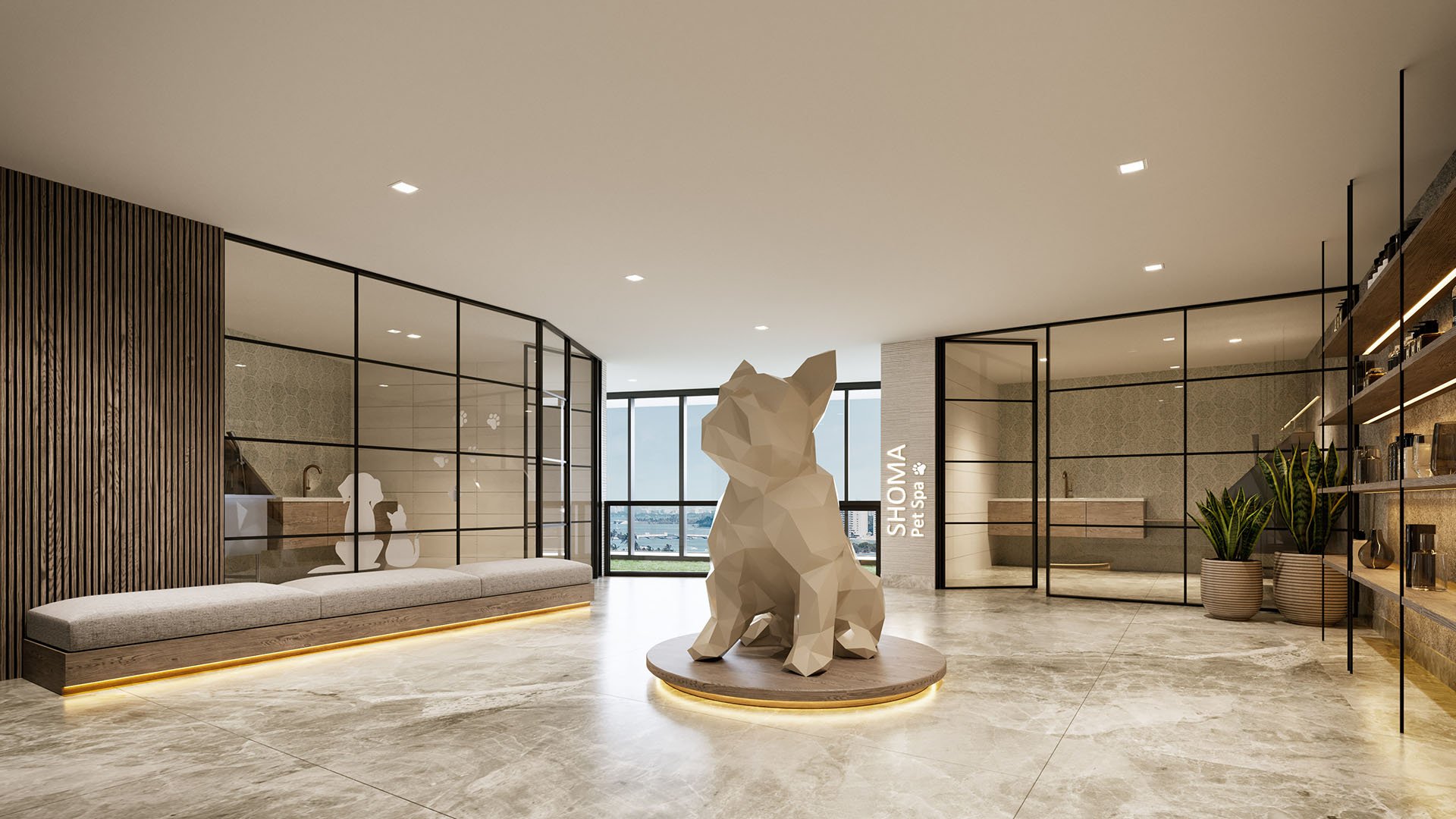
In South Florida’s luxury residential market, pets are no longer an afterthought tucked into the rules and regulations. They are part of how a residence lives. For buyers with dogs, especially in high-rise settings, the quality of a pet relief area can shape the first morning of ownership, the last walk of the evening, and the daily rhythm between elevator, lobby, terrace, and street.
The underwriting question is not simply whether a building is pet friendly. It is whether the pet infrastructure is durable, discreet, sanitary, and aligned with the property’s broader service standard. In 2026, sophisticated buyers should evaluate pet relief areas as operational assets. A polished rendering is not enough. The space must drain correctly, control odor, accommodate peak use, protect adjacent residences, and remain maintainable without disrupting the building’s public face.
This matters in Brickell, where vertical living can make elevator convenience essential. It matters in coastal buildings, where wind, salt air, humidity, and storm protocols influence material selection. It also matters in boutique enclaves, where privacy and acoustics may carry as much weight as square footage.
The first underwriting variable is placement. A pet relief area should be convenient enough to be used consistently, but not so prominent that it compromises the arrival sequence, lobby quiet, or resident privacy. A beautiful amenity can still fail if residents must cross formal social spaces with leashes, waste bags, or wet paws.
Look for a route that is intuitive, short, and serviceable. The strongest layouts often separate pet circulation from the most ceremonial areas of the building. If the relief area is on an amenity deck, ask how pets reach it during busy elevator periods. If it is at grade, study whether the route passes through valet, retail frontage, dining areas, or heavily trafficked pedestrian zones.
Privacy should be viewed from both directions. Pet owners need a comfortable space, but nearby residences also need protection from noise, sightlines, and odor. A relief area directly beneath bedroom windows, beside outdoor dining, or adjacent to a quiet pool deck may create friction even if it appears efficient on plan.
A pet relief area is ultimately a drainage system with landscape design layered over it. Underwriting begins with slope, substrate, waterproofing, and access to clean-outs. Artificial turf can photograph well, but without proper drainage beneath it, the installation may retain odor and moisture. Natural planting can feel softer, but it requires soil depth, irrigation control, and disciplined maintenance.
The goal is not to favor one finish universally. It is to confirm that the finish is compatible with the structure, climate, and maintenance budget. On elevated decks, waterproofing and penetration details deserve close attention. At grade, stormwater behavior matters. In either condition, the area should be easy to rinse, quick to dry, and designed so water does not migrate into adjacent amenity zones.
For an investment buyer, replacement cycles are part of the calculus. Turf, drainage mats, plantings, gates, lighting, and odor-control equipment all have lifespans. A building that budgets for these items transparently is generally easier to own than one that treats the pet area as a one-time installation.
South Florida’s climate makes odor control more than a housekeeping preference. Heat and humidity can magnify weak design. A relief area should have airflow, shade where appropriate, and a cleaning protocol that reflects actual use. Enclosed rooms may be convenient during rain, but they demand stronger ventilation discipline than open-air spaces.
Ask how the area is cleaned, who is responsible, and when cleaning occurs. A luxury building should be able to describe the operating standard without improvisation. The most elegant pet amenity is the one that remains neutral: no scent signature, no visible residue, and no operational drama.
Lighting also matters. Evening use should feel safe without becoming intrusive to nearby homes. Materials should be slip resistant when wet, comfortable for paws, and resilient under repeated cleaning. If the area is exposed to sun, consider whether surfaces will become uncomfortably hot during midday hours.
Even a well-built pet relief area can underperform if rules are vague. Underwriting should include a review of pet policies, waste disposal expectations, leash rules, breed or size restrictions where applicable, guest pet policies, and enforcement mechanisms. The goal is not to create a punitive environment. It is to preserve harmony among residents with different lifestyles.
The association’s governing documents should align with the physical design. If the building permits multiple pets per residence, the amenity should be scaled and operated accordingly. If the residence is intended as a second home, consider how pet access works for family members, house managers, or approved guests.
Dog-park features should be scrutinized separately from relief functions. A relief zone is for necessity. A play zone is for activity. Combining the two can work only when the space is large enough, sufficiently separated, and cleaned to a higher standard.
The common pet relief area is only one part of the ownership experience. Buyers should also study the private residence. Elevator proximity, service elevator access, flooring durability, laundry placement, storage for leashes and supplies, and the transition between entry, balcony, and primary living spaces all affect daily ease.
A terrace can be an asset, but it should not be assumed to solve pet needs. Building rules may restrict pet relief on private outdoor areas, and improper use can create drainage, odor, and neighbor concerns. The more elegant approach is to pair a well-designed common amenity with a residence that supports discreet pet care inside the home.
For larger residences, a dedicated service entry or mudroom-style zone can be valuable. For compact urban homes, storage and circulation become more important. In both cases, pet underwriting is a livability exercise, not merely an amenity checklist.
Pet infrastructure can influence resale because it speaks to the building’s operating intelligence. A buyer may not choose a residence solely for a pet relief area, but a poorly conceived one can become a quiet objection. Odor in a corridor, awkward elevator logistics, or an exposed relief zone beside a signature amenity can undermine the perception of care.
Conversely, a discreet, well-maintained pet area can broaden the buyer pool. It signals that the building understands modern ownership patterns and respects both pet owners and non-pet owners. In luxury real estate, that balance is valuable.
The strongest underwriting question is simple: would this feature still feel appropriate after years of use? If the answer depends on perfect behavior, unusually light demand, or constant correction, the design may be fragile. If the system is intuitive, durable, and easy for staff to maintain, it is more likely to support value over time.
Before committing, walk the pet route at different times of day. Observe elevator patterns, lobby crossings, exterior wind, shade, noise, and proximity to social spaces. Ask about cleaning responsibilities, materials, replacement reserves, and whether the building has experienced complaints related to pets.
Review the rules with the same seriousness applied to parking, leasing, or renovation restrictions. A pet-friendly label is not a substitute for a workable operating environment. The best buildings make the answer feel calm: the route is clear, the space is discreet, maintenance is funded, and the design respects the architecture.
In South Florida, where indoor-outdoor living is central to the luxury promise, pet relief areas should be beautiful only after they are practical. Underwrite the system first. The landscape can follow.
What is the most important feature in a pet relief area? Drainage is the foundation. Without proper slope, substrate, and cleaning access, finishes can deteriorate quickly.
Should buyers prefer indoor or outdoor pet relief areas? Neither is automatically superior. Outdoor areas need weather resilience, while indoor areas require stronger ventilation and odor control.
Can a balcony replace a building pet relief area? Usually, it should not be treated that way. Building rules, drainage, odor, and neighbor impact can make private outdoor relief impractical.
Why does location inside the building matter? The route affects daily convenience and privacy. A poor route can create friction through lobbies, elevators, or amenity spaces.
How should buyers evaluate odor control? Ask about ventilation, cleaning frequency, materials, and waste disposal. The space should remain neutral during normal use.
Are dog-park amenities the same as pet relief areas? No. A dog park is for play and exercise, while a relief area is a functional sanitation amenity.
What should an HOA disclose about pet facilities? Buyers should review rules, cleaning responsibilities, restrictions, enforcement standards, and reserve planning for replacement items.
Does pet infrastructure affect resale? It can. A discreet, well-maintained amenity can widen appeal, while poor design can become an objection during showings.
What should Brickell buyers watch most closely? Elevator logistics and route convenience are critical in dense vertical settings, especially during morning and evening peak periods.
What is the best way to shortlist comparable options for touring? Start with location fit, delivery status, and daily lifestyle priorities, then compare stacks and elevations to validate views and privacy.
If you'd like a private walkthrough and a curated shortlist, connect with MILLION.
If branded residences are on your mind — as a home or as an allocation — we would be glad to share what we are seeing, privately.
Begin a quiet conversation