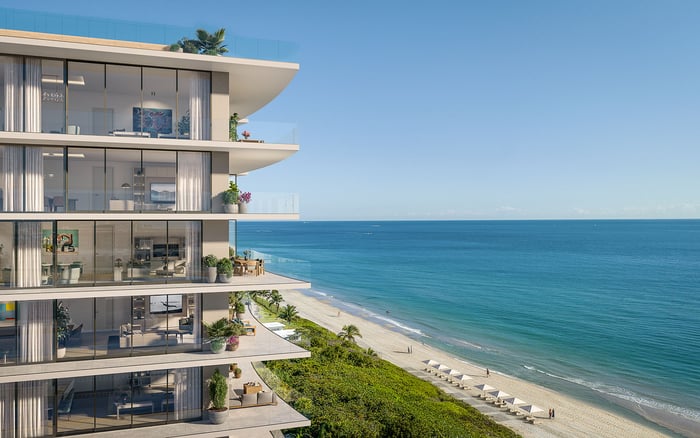
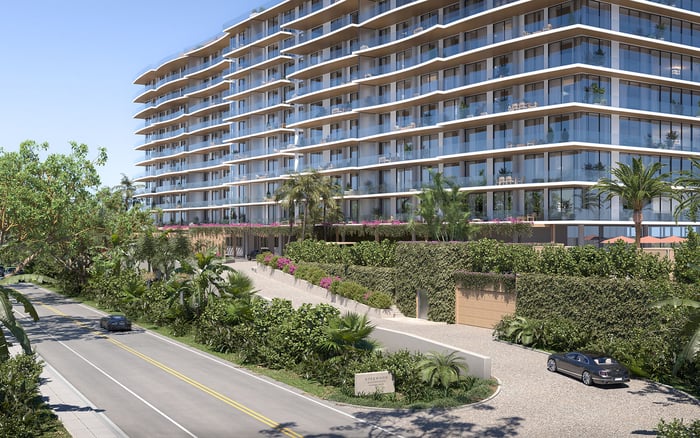
A practical buyer lens on two different South Florida waterfront propositions: Shore Club Private Collections Miami Beach as an oceanfront, no-marina condominium diligence case, and Rosewood Residences Hillsboro Beach as an ocean-to-Intracoastal residence where marina rights, dockmaster service, and insurance clarity become central.
Ultra-luxury waterfront property in South Florida is often framed through architecture, service, privacy, and the emotional pull of the waterline. For the most sophisticated buyers, however, the decisive questions are often quieter. Who controls the waterfront? What rights attach to the residence, and which are amenities rather than ownership interests? How are insurance costs allocated? What obligations survive closing?
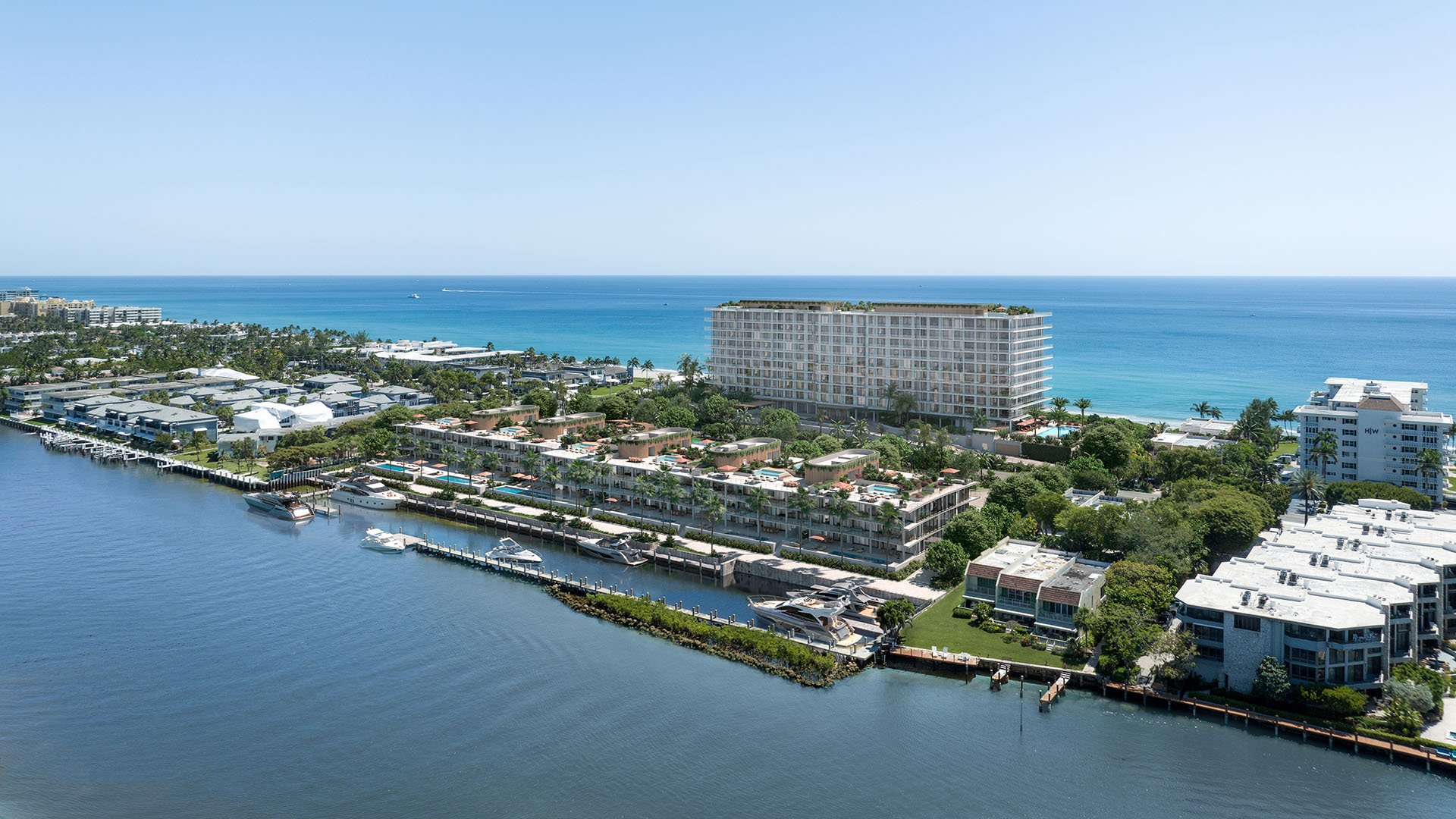
That is the practical lens for comparing Shore Club Private Collections Miami Beach and Rosewood Residences Hillsboro Beach. Both sit at the rarefied end of the residential market, but they are not the same diligence exercise. Shore Club Private Collections Miami Beach is an ultra-luxury oceanfront redevelopment in Miami Beach on a densely built barrier-island site, where review centers on beachfront and littoral questions rather than dock control. Rosewood Residences Hillsboro Beach is an ultra-low-density branded residential project in Hillsboro Beach, occupying an ocean-to-Intracoastal tract with a private marina and direct yacht access.
In buyer terms, Shore Club is principally an oceanfront condominium-document and coastal-use review. Rosewood is both an oceanfront and marina review, with added emphasis on riparian, dock, slip, and service obligations. A private note might label the contrast Miami Beach versus Hillsboro Beach, but the deeper distinction is legal and operational, not simply geographic.
At Shore Club, the waterfront conversation begins at the Atlantic edge. Because the property is characterized as an oceanfront redevelopment without an on-site marina, buyers should not treat boat slips or dockmaster service as the core value proposition. The first tier of diligence is the beach: access, use, coastal regulation, association obligations, and how each point is described in binding condominium documents.
That discipline matters on a dense Miami Beach barrier island. The appeal is immediate: direct beachfront living, a historic hospitality context, and the scarcity of new ultra-luxury oceanfront inventory in a mature market. But scarcity should not soften document review. Buyers should ask whether marketing language is mirrored in the declaration, bylaws, rules, easements, maintenance obligations, and association budget structure.
Even the most elegant residence can carry practical questions. Who maintains beach-adjacent improvements? What rights are exclusive, limited common, or shared? How are storm-related repairs addressed? Which obligations belong to the unit owner, the association, or another entity? These answers shape long-term ownership more than any rendering or service menu.
Rosewood Residences Hillsboro Beach requires a broader diligence frame because the site is described as ocean-to-Intracoastal and includes a private marina with direct yacht access. That combination creates a more layered review than a purely oceanfront condominium. Buyers must examine the beach side and the Intracoastal side, then understand how both are governed.
For Rosewood, dock and slip rights are not peripheral. They may be central to the buyer’s lifestyle thesis. A purchaser should identify whether a boat slip is deeded, licensed, assigned, leased, revocable, transferable, or subject to association control. The difference between a durable right and a service-based privilege can materially affect use, value, and resale positioning.
Marina control also matters. Buyers should look closely at who operates the marina, who sets rules, who pays for maintenance, how access is managed, and whether dockmaster service is included, optional, or billed through a separate structure. Dockmaster service can be a luxury advantage, but it is also an operational obligation. Staffing, hours, storm protocols, guest access, vessel-size limits, and insurance requirements should all be tested before contract certainty.
In the current waterfront market, insurance structure is not a back-office detail. It is part of the luxury product. For both Shore Club and Rosewood, buyers should review how association insurance is arranged, what it covers, what it excludes, and how deductibles or uncovered losses may be allocated.
The question is not only whether the building is insured. It is how the insurance obligation behaves under stress. Waterfront associations can face complex exposures, including wind, flood, storm surge, seawall or marina components, beach-adjacent improvements, and shared amenities. The presence of a private marina at Rosewood may broaden the operating review, while Shore Club’s oceanfront setting focuses attention on coastal exposure and association responsibilities.
Insurance clarity also affects financing, liquidity, and ownership psychology. Ultra-luxury buyers may be capable of absorbing higher costs, but that does not mean they should accept ambiguity. The better standard is precision: written coverage summaries, clear deductible allocation, transparent reserve assumptions, and an understanding of how future assessments could arise.
For Shore Club, buyer’s counsel should reconcile every major lifestyle representation with the condominium documents. Beach access, amenity use, service levels, maintenance responsibilities, and cost allocations should be identifiable in writing. If a benefit is important enough to influence the purchase decision, it should be important enough to confirm in the operative documents.
For Rosewood, the same discipline applies, but the checklist expands. A marina-related purchase should include dock or slip documentation, operating rules, assignment procedures, insurance requirements, maintenance obligations, and any service agreements that affect dockmaster staffing or waterfront operations. The goal is not to reduce the romance. It is to protect it.
This is where branded residential confidence must be balanced with legal clarity. A name can signal service culture, design ambition, and global buyer appeal. It cannot replace a review of ownership rights, association governance, and operational cost exposure.
A buyer choosing between these two properties should avoid the simplistic question of which waterfront is better. The more useful question is which waterfront profile matches the intended use. If the objective is oceanfront living in Miami Beach, with the beach as the primary daily amenity, Shore Club’s due diligence should concentrate on littoral rights, coastal-use rules, association insurance, and long-term condominium obligations.
If the objective includes yachting, direct Intracoastal access, and marina convenience, Rosewood demands a different standard. Buyers should treat dock rights, marina governance, dockmaster service, and vessel-use restrictions as core economic terms, not lifestyle footnotes.
In both cases, the most refined approach is not defensive. It is selective. Ultra-prime buyers are not simply buying square footage near water. They are buying a governed relationship with the shoreline. The value is strongest when the rights, services, and obligations are as polished as the architecture.
What is the main diligence difference between Shore Club and Rosewood? Shore Club is primarily an oceanfront condominium and beach-rights review, while Rosewood adds private-marina, dock, and Intracoastal questions.
Does Shore Club have an on-site marina? It is described as having no on-site marina, so boat-slip ownership and dockmaster service are less central to its review.
Why does Rosewood require marina-specific diligence? Rosewood includes a private marina and direct yacht access, making dock rights, marina control, and dockmaster obligations central.
What should buyers verify at Shore Club? Buyers should confirm how beachfront use, service promises, insurance responsibilities, and association obligations appear in binding documents.
What should buyers verify at Rosewood? Buyers should examine slip rights, marina operating rules, dockmaster service, insurance requirements, and transferability of any dock privileges.
Why are waterfront rights important in luxury condos? Waterfront rights define how the water can be used, shared, maintained, restricted, and valued over time.
Is branding enough to rely on in either project? No. Branding can support confidence in service and design, but it does not replace document review or insurance clarity.
How should insurance be reviewed? Buyers should look at association coverage, deductibles, exclusions, allocation of losses, and potential assessment exposure.
Which project is more relevant for yacht owners? Rosewood is the more yacht-oriented diligence case because of its ocean-to-Intracoastal setting and private marina.
Should price per square foot drive the comparison? Not alone. Rights, insurance structure, service obligations, and long-term association costs may be just as important.
For a tailored shortlist and next-step guidance, connect with MILLION.
If branded residences are on your mind — as a home or as an allocation — we would be glad to share what we are seeing, privately.
Begin a quiet conversation