
A buyer-oriented guide to recognizing polished but vague service animal policy language in luxury South Florida residential buildings, with practical questions for reviewing governance before purchase.

In South Florida luxury real estate, conversations about animals often arrive in lifestyle language: pet-friendly living, curated outdoor spaces, discreet resident services, and refined building culture. For buyers, that language can be appealing. It can also blur the more important question: how does the building actually handle service animal policies in practice?
Marketing theater begins when a brochure, sales presentation, or website suggests clarity without providing operational substance. A building may sound accommodating, exclusive, compassionate, and orderly all at once, while still leaving essential questions unanswered. For a discerning buyer, that gap matters. It can affect daily comfort, neighbor relations, staff training, board consistency, and the tone of life inside the residence.
This is especially relevant across high-density luxury markets such as Brickell, Miami Beach, and Sunny Isles, where vertical living depends on rules that are both respectful and workable. For buyers evaluating pet policies, dog-friendly amenities, and new-construction residences, the issue is not whether the building uses elegant language. The issue is whether that language translates into disciplined governance.
Luxury buildings often borrow from the vocabulary of hotels and private clubs. That can be effective when describing arrival sequences, wellness spaces, or concierge culture. It becomes less useful when applied to policies that require consistent administration.
A phrase such as “residents and their companions are warmly welcomed” may sound generous, but it does not explain how requests are reviewed, who communicates decisions, what documentation may be requested, how staff are trained, or how disputes are escalated. The more emotional the phrasing, the more carefully a buyer should look for the administrative architecture behind it.
Governance language should feel measured, not performative. It should distinguish among general pet rules, amenity rules, and service animal procedures instead of collapsing them into one lifestyle paragraph. It should also avoid any impression that a front desk team is improvising policy in real time. In a well-run building, hospitality is the surface. Governance is the structure beneath it.
The first red flag is excessive vagueness. If a policy relies on words such as “reasonable,” “appropriate,” “exclusive,” or “case-by-case” without explaining process, the buyer should ask for more. Those words are not inherently problematic, but they become thin when they are the entire framework.
The second red flag is contradiction. A sales team may emphasize flexibility while association documents suggest strict animal limitations. A website may promote pet ease while house rules create broad restrictions with unclear exceptions. A building may advertise a refined animal-friendly lifestyle, yet offer little detail on how service animal-related questions are handled.
The third red flag is overconfidence. If every answer sounds effortless, but no one can identify where the policy lives, who administers it, or how residents are informed, the polish may be outrunning the process. Serious buyers should be wary of assurances that cannot be traced to written materials.
The fourth red flag is the conflation of etiquette with policy. Noise, elevators, common areas, sanitation, and outdoor spaces are important quality-of-life issues. But they are not the same as the framework for handling service animal matters. A sophisticated building should be able to address both without confusing one for the other.
The most useful questions are calm, specific, and practical. Ask where the governing language appears. Is it in the declaration, bylaws, house rules, application materials, management protocols, or a separate resident handbook? If the answer is scattered, ask who reconciles conflicts between documents.
Ask who receives and reviews service animal-related requests. Is it the association, a manager, a committee, counsel, or another designated party? Buyers do not need a dramatic discussion. They need to know whether responsibility is clear.
Ask how front desk, valet, security, and amenity staff are expected to respond. In luxury buildings, staff interactions shape the resident experience every day. If staff are not trained around policy boundaries, even a well-written rule can become uneven in practice.
Ask how the building communicates expectations to other residents. Service animal policies can become tense when neighbors believe rules are being ignored or selectively enforced. A strong building reduces that friction with a clear process and a restrained communication style.
Finally, ask how the building handles updates. Policies should not feel frozen in a prior market cycle, especially in newer or recently repositioned residences. The best answer is not necessarily lengthy. It is coherent, current, and administratively grounded.
A mature building culture does not treat service animal policy as a sales obstacle. It treats it as part of residential infrastructure. That means the building can be welcoming without being vague, orderly without being dismissive, and private without being opaque.
Look for documents that separate categories cleanly, explain process without unnecessary drama, and assign responsibility to the right parties. Look for managers who answer directly rather than theatrically. Look for boards that understand policy clarity protects everyone: residents with legitimate needs, residents concerned about building standards, and staff expected to maintain daily order.
In the ultra-premium segment, buyers often focus on finish levels, private elevators, water views, parking, spa programming, and brand pedigree. Those details matter. Yet the tone of ownership is also shaped by what happens after closing: how rules are interpreted, how exceptions are handled, and whether the building’s promise of discretion extends to sensitive resident matters.
A tour can reveal more than the script. Notice whether animal-related amenities are presented as design features only, or whether the conversation naturally includes operations. A dog run, relief area, pet spa, or walking protocol may be beautifully executed, but the existence of an amenity does not answer the service animal policy question.
Listen for precision. A strong representative will know when to speak generally and when to direct you to official documents. A weaker one may offer broad reassurances, personal opinions, or statements designed to end the conversation quickly. In luxury real estate, discretion should not mean evasion.
Also observe the building team. Are staff calm, professional, and consistent in how they discuss resident rules? Does the property feel controlled without feeling rigid? Does the lobby culture suggest quiet confidence or constant negotiation? The best buildings make governance feel nearly invisible because it is already embedded.
Service animal policy review should sit alongside other ownership diligence, not outside it. Buyers routinely examine maintenance obligations, leasing rules, insurance requirements, reserves, assessments, architectural controls, and amenity access. Animal policy deserves the same sober treatment.
This is not about creating conflict before purchase. It is about avoiding ambiguity after purchase. A buyer who understands the building’s policy culture can make a cleaner decision about fit. A seller or developer with strong governance should welcome thoughtful questions because clarity reinforces confidence.
For families, seasonal owners, investors, and primary residents alike, the goal is the same: a building where sensitive matters are handled with respect, documentation, and discretion. Marketing may open the door, but governance determines the experience beyond it.
What is marketing theater in service animal policy language? It is polished language that sounds reassuring but does not explain how the building actually administers its policies.
Should buyers rely on a sales representative’s verbal assurance? Verbal guidance can be useful, but buyers should confirm the governing language in written building materials.
Is a pet-friendly building automatically clear on service animal procedures? No. Pet amenities and service animal policy administration are related lifestyle topics, but they are not the same thing.
What documents should a buyer review? Review the declaration, bylaws, house rules, application materials, resident handbook, and any management guidance made available.
Why does staff training matter? Front desk, valet, security, and amenity teams shape daily resident experience and should not be left to improvise sensitive policy issues.
Can vague language affect resale confidence? It can affect buyer confidence, especially when governance appears inconsistent or difficult to verify during due diligence.
What is a good sign during a building tour? A good sign is calm precision: representatives know where policy lives and avoid overpromising beyond written materials.
Should animal amenities be part of the analysis? Yes, but they should be treated as lifestyle features, not substitutes for clear service animal policy governance.
When should counsel be involved? Counsel should be consulted when policy language is unclear, conflicting, or material to a buyer’s decision to proceed.
What is the ideal buyer mindset? Treat service animal policy as part of ownership infrastructure, alongside finances, rules, amenities, and board culture.
For a tailored shortlist and next-step guidance, connect with MILLION.
If branded residences are on your mind — as a home or as an allocation — we would be glad to share what we are seeing, privately.
Begin a quiet conversation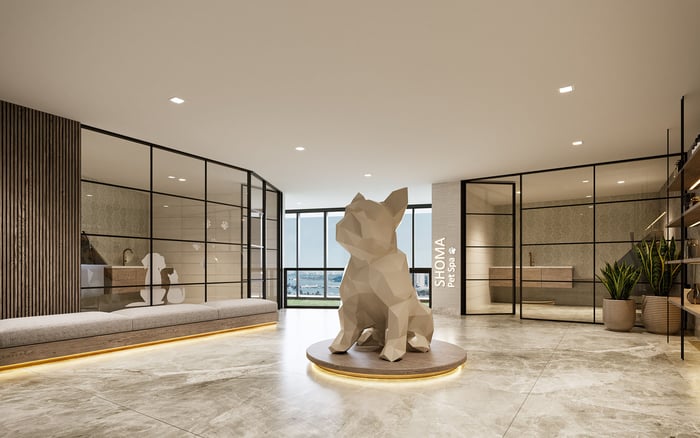

.jpg&width=700&height=438&fit=cover)