A buyer-focused editorial on evaluating Waldorf Astoria Residences Downtown Miami through storm-season discipline, high-season usability, building operations, and ownership flexibility.
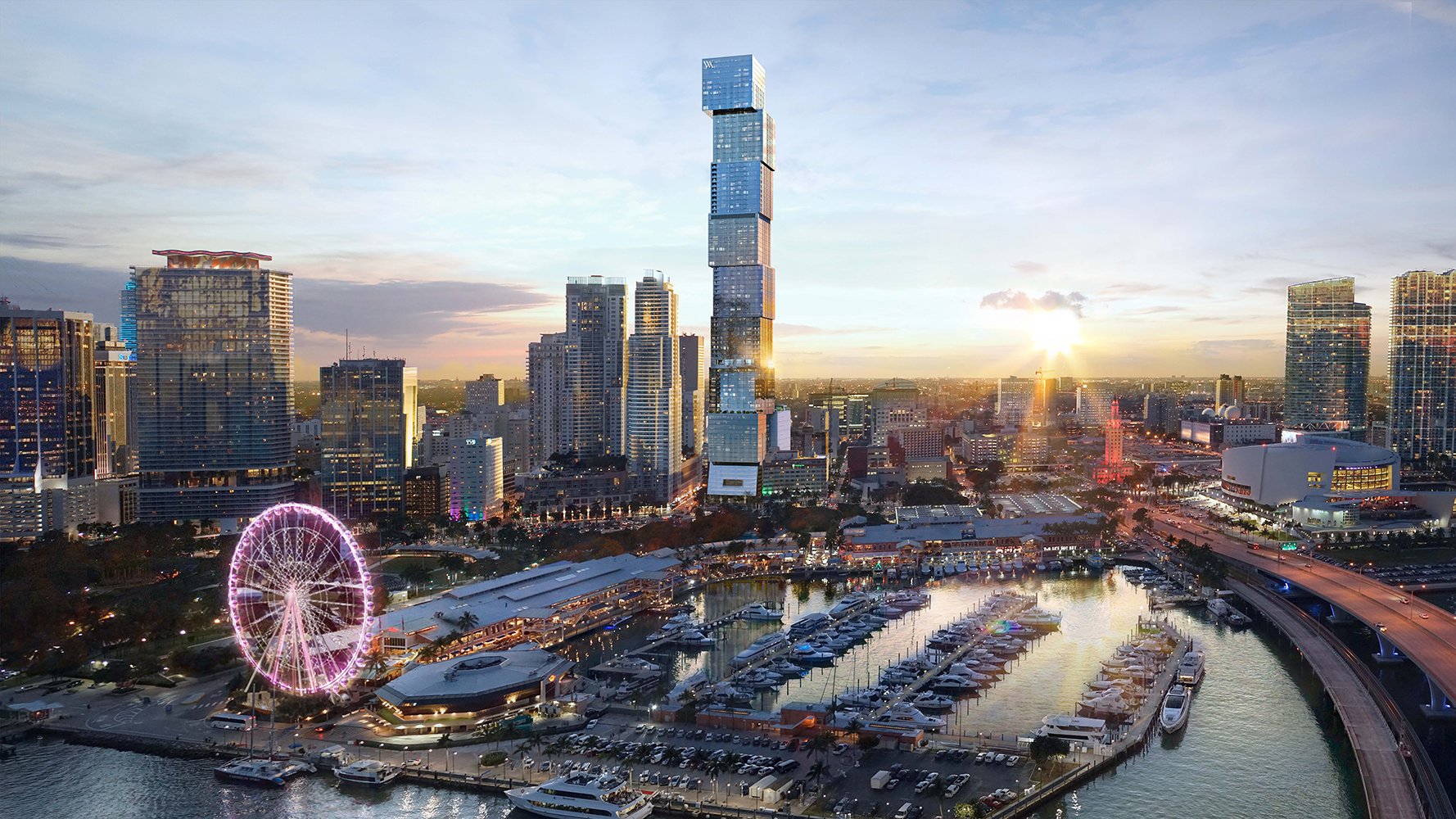
Waldorf Astoria Residences Downtown Miami belongs to a category of purchase defined less by spectacle than by endurance. The name commands attention, but sophisticated South Florida buyers are asking a more exacting question: how will the residence perform when the calendar becomes difficult, storm season tests logistics, and high season compresses service, elevator, valet, vendor, and management systems?
That is the right lens for Waldorf Astoria Residences Downtown Miami. The relevant project for this discussion is Waldorf Astoria Residences Miami in Downtown Miami, and the buyer most likely to appreciate it is not merely seeking a glamorous address. This buyer wants a residence that can be used, protected, managed, and eventually resold with discipline.
Because the available facts for this topic do not specify building systems, storm specifications, owner policies, or rental rules, the prudent approach is not to assume performance. It is to underwrite it. In the luxury condominium market, that distinction matters. A beautiful residence may photograph well; a high-performing residence is proven through documents, operating standards, legal structure, maintenance history once delivered, and the practical experience of living through peak demand.
For tagging clarity, this buyer profile often overlaps with Investment, Second-home, High-floors, and New-construction searches, all within the broader Downtown conversation.
Performance during storms is not a marketing adjective. For a buyer, it should mean evaluating the residence across several distinct layers: the unit envelope, common-area systems, emergency planning, insurance framework, association budget, and the procedures that govern owners when severe weather is forecast.
The first layer is physical. Buyers should request specifications that explain windows, doors, façade assemblies, life-safety systems, water management, mechanical equipment locations, and any generator or emergency power scope. The second layer is operational. A building can have impressive design intent and still require clear procedures for shutters if any exist, balcony furniture, elevator service, access control, package handling, staff deployment, and post-storm re-entry.
The third layer is financial. Storm performance is inseparable from insurance, reserves, maintenance obligations, and special assessment exposure. In South Florida, a luxury buyer should not view monthly carrying cost as a static number. It is part of the building’s resilience profile.
High season places a different kind of pressure on a residence. Instead of wind, rain, and access restrictions, the building faces density, guests, service demand, traffic patterns, valet intensity, deliveries, move-ins, and owner expectations. Buyers who plan to use Waldorf Astoria Residences Downtown Miami as a Second-home should treat this with the same seriousness as storm diligence.
The key question is not whether Downtown Miami is active during peak months. It is whether the building’s rules and services align with how the owner intends to live. A buyer should review guest policies, pet policies, elevator reservation rules, parking arrangements, package procedures, and any restrictions on leasing or transient use. If family, staff, drivers, chefs, assistants, or visiting guests will be part of the ownership pattern, those details become central to the purchase decision.
High-season performance is also about privacy. A residence that feels serene in a model presentation can feel very different if building circulation, lobby patterns, amenity scheduling, or access controls do not align with the owner’s tolerance for visibility. The strongest buyers test the experience before they commit.
Downtown Miami appeals to buyers who want vertical city living with a waterfront-adjacent rhythm, cultural access, dining, events, and the ability to move between business, leisure, and travel without adopting a purely resort lifestyle. In that context, Waldorf Astoria Residences Downtown Miami may be evaluated as a residence for buyers who want a recognizable address within an urban luxury environment.
Still, Downtown is not one monolithic experience. Micro-location, arrival sequence, traffic behavior, parking ingress, building staffing, and neighboring development all influence daily life. A serious buyer should visit at different times: weekday morning, late afternoon, weekend evening, and a peak-event period if possible. The most polished sales presentation cannot replace the feel of arrival when the city is fully activated.
For High-floors buyers, diligence should include elevator strategy, wait-time expectations, service elevator procedures, and the building’s policies for moves, contractors, and deliveries. These are not minor conveniences. They are the difference between owning an impressive residence and living with ease.
The essential purchase file should include condominium documents, budgets, association disclosures, insurance information, proposed rules and regulations if the project is not yet fully operational, and any available technical summaries that describe building systems. Buyers should also ask counsel to review use restrictions, leasing limitations, assessment rights, developer obligations, dispute provisions, and the transition process from developer control to owner control where applicable.
This is where a luxury purchase becomes professional. Many buyers focus on finishes, views, and amenity language. Those matter, but performance lives in the less glamorous pages. Who maintains what? What is covered by association insurance? What remains the owner’s obligation? How are claims handled? What happens if common elements require repair? How are vendors approved? How does the building communicate during an emergency?
For New-construction buyers, the question is not only what is promised, but what is binding, what is subject to change, and what remedies exist if conditions differ from expectations. The best advisers separate design aspiration from enforceable obligation.
Waldorf Astoria Residences Downtown Miami may attract Investment-minded buyers because branded, urban, luxury residences often draw attention from both domestic and international audiences. But a serious investment thesis should not depend on broad assumptions about rental income, occupancy, or appreciation unless those details are supported by documents and market-specific analysis.
A better framework is durability. Does the residence have a buyer pool beyond the original purchaser? Is the floor plan usable for multiple ownership profiles? Are carrying costs understandable? Are rules clear enough to avoid surprises? Is the building likely to remain desirable under different market conditions, not only during a fashionable cycle?
Liquidity in luxury real estate is rarely created by one feature. It comes from the combination of location, architecture, services, governance, price discipline, and confidence in the building’s future operations. That is why storm and high-season performance belong inside the investment conversation, not outside it.
Before signing, a buyer should ask for a written explanation of storm preparation procedures, emergency communication protocols, mechanical resilience, insurance structure, and the association’s responsibilities versus the owner’s responsibilities. The buyer should also request clarity on leasing rules, guest access, parking, valet, storage, package handling, pet policies, and move-in logistics.
If the residence will be used seasonally, the owner should understand how the building supports absentee ownership. Who can access the unit? What forms are required? How are vendors supervised? How are post-storm checks handled? What are the procedures for deliveries before arrival?
The objective is not to find a building with no complexity. In South Florida luxury real estate, complexity is normal. The objective is to ensure that complexity is governed, communicated, and priced appropriately.
This residence profile is best suited to the buyer who values Downtown Miami, wants a high-recognition residential setting, and is prepared to perform careful diligence rather than purchase on brand identity alone. It may also suit a buyer who wants a seasonal base that can be professionally managed, provided the building’s rules and services align with that use.
It is less suited to a buyer who wants rural privacy, a single-family maintenance structure, or total autonomy over short-term use without reviewing condominium restrictions. Luxury condominium ownership is a shared system. The best outcomes occur when the buyer respects that system before entering it.
Is Waldorf Astoria Residences Downtown Miami a storm-proof building? No residence should be treated as storm-proof. Buyers should verify storm-related systems, insurance, and operating procedures before contract.
What should I ask about storm preparation? Request written procedures for owner communication, access, elevators, staff coverage, unit preparation, and post-storm re-entry.
Are backup power details confirmed? The provided facts do not confirm backup power scope. Buyers should request the technical and condominium documents that address emergency systems.
Does high season affect the ownership experience? Yes. High season can affect access, valet, guests, deliveries, amenities, and staffing. The building’s rules should be reviewed in detail.
Is this mainly a Second-home purchase? It can be evaluated that way by some buyers, but the right fit depends on rules, services, costs, and the owner’s intended use.
Can I assume strong rental income? No. Rental income should not be assumed without verified rental rules, expense modeling, and market analysis specific to the residence.
What documents matter most before signing? Review condominium documents, budgets, insurance information, rules and regulations, purchase terms, and any technical building summaries.
Should I compare Downtown buildings before deciding? Yes. Comparing arrival, access, governance, service model, carrying costs, and resale positioning can reveal meaningful differences.
Are High-floors always better for storm-season ownership? Not automatically. Higher levels may offer views, but buyers should also evaluate elevator operations, wind exposure, and emergency procedures.
What is the best way to shortlist comparable options for touring? Start with location fit, delivery status, and daily lifestyle priorities, then compare stacks and elevations to validate views and privacy.
If you'd like a private walkthrough and a curated shortlist, connect with MILLION.
If branded residences are on your mind — as a home or as an allocation — we would be glad to share what we are seeing, privately.
Begin a quiet conversation