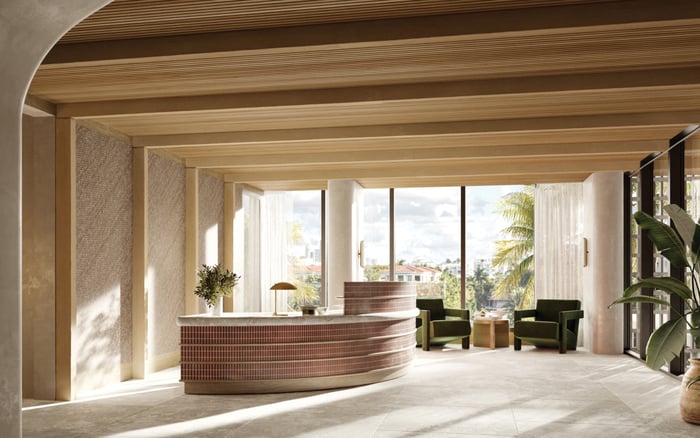
A disciplined buyer framework for assessing Alma against two priorities that require on-site verification: practical walkability and a calmer residential setting.

Alma Bay Harbor Islands is positioned as a residential option in Bay Harbor Islands. Yet for buyers prioritizing both walkability and quieter streets, the project name alone cannot answer the most consequential questions. Neither quality is universal: walkability depends on the destinations that matter to each household, while quietness can vary by block, orientation, floor, time of day, and surrounding activity.
The right approach is not to assume Alma satisfies either priority, but to translate both preferences into observable tests and assess the property and its immediate setting accordingly. That distinction is particularly important when the purchase is intended as a primary residence or frequently used second home, where small daily frictions become more consequential over time.
A useful walkability assessment begins with a written list of recurring destinations. These may include morning coffee, dining, personal services, errands, fitness, school-related stops, or places where driving can be avoided by choice. Buyers should then distinguish between an address that is technically close to something and one that supports a genuinely comfortable routine.
The route matters as much as the distance. During an in-person visit, assess crossings, shade, sidewalk continuity, lighting, traffic behavior, and the comfort of the return journey while carrying packages or accompanying children. Repeat the exercise at the hours when the route would actually be used. A daytime walk may not represent the evening experience, just as a weekend observation may not reflect weekday movement.
The central lesson is simple: walkability is best understood as a personal operating pattern, not a broad neighborhood label. Alma should be tested against that pattern before being credited with convenience.
Quiet is equally specific. A calm impression during a scheduled presentation does not establish a home's acoustic character. Buyers should visit at different times, pause outside the building, and spend unhurried time inside any residence under consideration. Listen with windows and doors both open and closed.
The evaluation should consider the residence's orientation, height, outdoor space, nearby access points, service activity, mechanical systems, and how sound reaches the principal rooms. Determine whether bedrooms and terraces face the same conditions. If a home is not yet available for direct testing, request the relevant plans and specifications, then identify which conclusions must remain provisional.
This method keeps the decision grounded. Alma may ultimately suit a buyer seeking a more composed daily environment, but that conclusion should follow direct observation-not the general idea of quieter streets.
A productive local search measures alternatives against identical criteria. Alongside Alma, buyers can review Alana Bay Harbor Islands, Onda Bay Harbor, and The Well Bay Harbor Islands without presuming that any one project offers the superior answer.
Use the same scorecard for every visit. Record the utility of actual walking routes, perceived sound at comparable hours, arrival experience, residence orientation, privacy, and the floor plan's practical fit. Keep verified information distinct from impressions and unresolved questions. This prevents a polished presentation from eclipsing the fundamentals of daily life.
The same discipline applies to labels such as Boutique, Lifestyle, New-construction, and Waterfront. Each may be meaningful, but none replaces an examination of how a specific residence performs for its intended owner.
Current amenities, pricing, availability, and residence-specific details should be confirmed directly during the buying process. These elements are not secondary: they can alter the value of walkability, affect how often an owner needs to leave the property, and determine whether a quieter setting comes with the desired level of service.
Request current offering materials and clarify what is included with the residence, what may carry an additional cost, and which terms are subject to change. Review floor plans for circulation, storage, bedroom separation, and outdoor-space placement. If the purchase involves construction or future delivery, have qualified advisers examine the governing documents, specifications, timelines, and contractual provisions.
A sophisticated decision does not require certainty about every preference at the outset. It requires clarity about which facts have been verified, which impressions have been personally tested, and which matters remain unresolved.
Alma belongs in the consideration set for buyers exploring residences in Bay Harbor Islands, but its alignment with walkability and quieter streets must be established individually. The strongest candidate will support the buyer's actual weekly routine while passing repeated tests for sound, comfort, and convenience.
For that reason, the decisive visit should feel less like a tour and more like a rehearsal. Walk the likely routes, return at another hour, spend time in the residence, and compare the results with the same evidence gathered elsewhere. Luxury, in this context, is not simply proximity or silence. It is the ease with which both qualities support daily life.
Is Alma Bay Harbor Islands a residential option in Bay Harbor Islands? Yes. Alma is positioned as a residential option within Bay Harbor Islands.
Is Alma's walkability confirmed? Buyers should verify walkability using the routes and destinations relevant to their own routines.
Are quieter streets guaranteed at Alma? No general guarantee should be assumed. Conditions should be tested by residence, orientation, and time of day.
When should buyers evaluate street noise? Visit during weekday and weekend periods, including mornings, evenings, and the hours when the home would be used most.
What should be checked on a walking route? Assess crossings, sidewalk continuity, shade, lighting, traffic behavior, and comfort in both directions.
Which Alma details should be confirmed directly? Confirm current amenities, pricing, availability, residence specifications, and applicable purchase terms.
Why does residence orientation matter? Orientation can influence perceived sound, privacy, light, and the experience of outdoor areas.
Should buyers compare other Bay Harbor projects? Yes. Applying the same scorecard to several candidates makes trade-offs easier to identify.
Can a single property tour establish the right fit? Usually not. Repeated visits provide a more representative view of routes, activity, and sound.
Who is most likely to appreciate this evaluation method? Primary-home and second-home buyers who prioritize consistent daily comfort can benefit from this disciplined approach.
For a confidential assessment and a building-by-building shortlist, connect with MILLION.
If branded residences are on your mind — as a home or as an allocation — we would be glad to share what we are seeing, privately.
Begin a quiet conversation