A discreet guide for London-based buyers evaluating Miami full-service towers, with emphasis on service culture, privacy, governance, amenities, and ownership ease.
For a London buyer, Miami is often less about relocation in the traditional sense and more about optionality. The residence may serve as a winter base, a family retreat, a tax-aware lifestyle decision, or a long-term position in a city that feels increasingly international. In that context, the full-service tower becomes the preferred format because it can compress the practical complexity of overseas ownership into a more controlled daily experience.
The mistake is to begin with the most photogenic variables: view corridor, ceiling height, terrace depth, or a name on the canopy. Those matter, but they are not the foundation. The foundation is operational. A true full-service tower should make arrival, absence, privacy, security, guest handling, maintenance coordination, wellness, dining access, and owner communication feel calm. If the building cannot perform when the owner is abroad, the glamour fades quickly.
A London brief may begin with working labels such as Brickell, Surfside, Sunny Isles, Fisher Island, new construction, and second home, but the real question is more personal: where will the owner live well in Miami, and how reliably will the building protect the asset when they are not there?
London buyers are accustomed to layered service cultures, whether through members’ clubs, private estates, managed buildings, or hotel-led hospitality. Miami operates with a different rhythm. It is warmer, more open, more indoor-outdoor, and often more resort-like. The best purchase is not the one that imitates London, but the one that understands what a London owner will miss if it is absent.
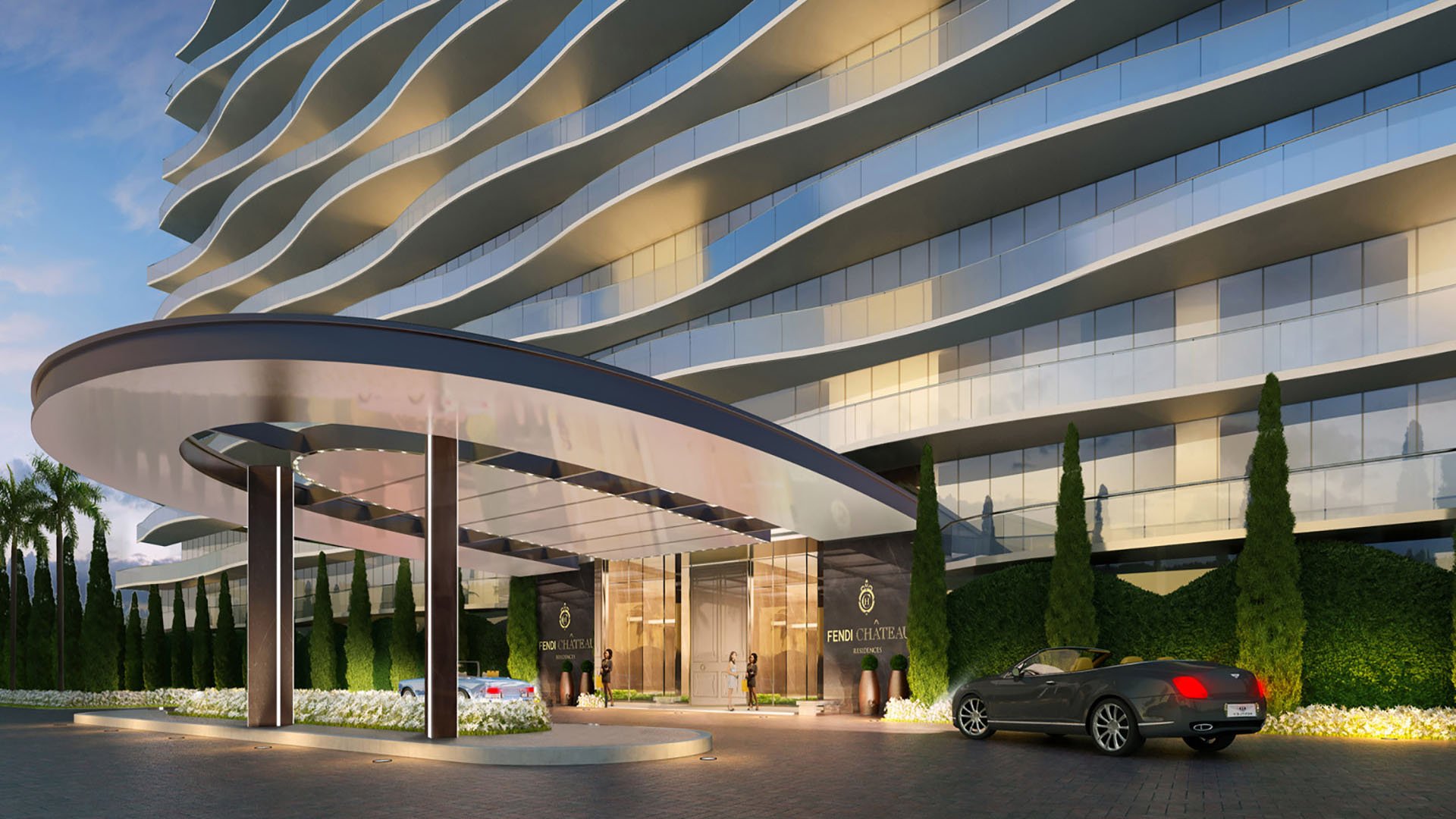
Look closely at the front-of-house experience. Is the arrival sequence discreet or theatrical? Does the lobby feel like a private residential environment or a public-facing scene? How are visitors handled? How easily can family members, staff, drivers, and guests move through the building without friction? These details shape the real quality of ownership.
Also consider the time-zone gap. A London owner may need decisions made while they are asleep or traveling. The stronger towers tend to offer a culture of anticipation rather than reaction. Before purchasing, understand how the building communicates with owners, how requests are logged, how maintenance access is managed, and whether the staff is comfortable serving residents who are not present year-round.
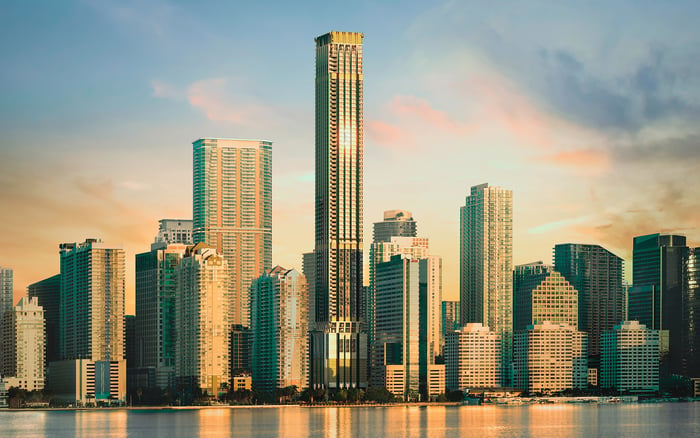
A full-service tower is never just a building. It is a lifestyle radius. For some London buyers, Brickell offers the clearest bridge between business, restaurants, waterfront living, and urban convenience. A buyer considering 888 Brickell by Dolce & Gabbana is not only choosing a residence, but also choosing a vertical, metropolitan version of Miami.
Miami Beach and Surfside answer a different instinct. They are better suited to buyers who want their Miami home to feel slower, more coastal, and more residential in mood. In Surfside, The Delmore Surfside fits naturally into a conversation about privacy, beach proximity, and a quieter form of luxury, without requiring the owner to give up access to Miami’s wider social and cultural life.
Sunny Isles is often considered by buyers who want a highly vertical oceanfront experience, with broad views and a resort sensibility. Bentley Residences Sunny Isles belongs in that frame for those comparing branded design language, tower living, and the appeal of a strong waterfront identity.
Fisher Island, by contrast, is usually a privacy-led decision. Buyers looking at The Residences at Six Fisher Island are typically weighing separation, discretion, and a more contained residential world. The key is not to assume one neighborhood is universally superior. The right answer depends on whether the buyer’s Miami life is primarily urban, beachfront, private, social, seasonal, or family-led.
The phrase full-service is not a guarantee. It is a category that must be examined. Begin with staffing. Ask how the building is staffed across the day and week, how responsibilities are divided, and how residents escalate requests. A polished sales presentation matters less than the operating culture after move-in.
Then evaluate services through the lens of absence. If you are in London for six weeks, who can receive deliveries, supervise access, coordinate vendors, notice leaks, check systems, and prepare the residence before arrival? A full-service tower should reduce the owner’s need to improvise. It should also have clear rules, because luxury depends on consistency.
Amenity depth matters, but only when the amenities match actual use. A spa, pool, fitness suite, lounge, private dining room, or residents’ salon should be judged by quality, privacy, maintenance, and ease of booking. The point is not to accumulate spaces. The point is to create a lifestyle that works without friction.
For overseas buyers, governance is part of luxury. Review building rules, rental policies, guest policies, pet policies, renovation procedures, insurance responsibilities, reserve planning, and the expected rhythm of assessments. These are not secondary details. They determine how flexible the residence will be over time.
A London buyer should be especially attentive to how the building balances owner privacy with community standards. Too loose, and the tower can feel transient. Too rigid, and ownership may become inconvenient. The best fit is a building whose rules align with the way you intend to use the home.
Also study the difference between pre-completion and resale opportunities. New residences may offer fresh design and contemporary systems, while established towers may offer a clearer view of day-to-day life. Neither is inherently better. The choice depends on your tolerance for timing, customization, immediate use, and operational certainty.
A hotel suite can seduce in a weekend. A residence must work for years. Before committing, imagine a typical arrival from Heathrow: car to building, luggage handling, family logistics, groceries, wardrobe storage, climate control, terrace use, dinner plans, sleep quality, and the next morning’s routine. If that sequence feels effortless, the tower is doing its job.
Then imagine leaving. Is the residence easy to close? Are valuables protected? Can staff prepare it for your return? Can guests or relatives use it without constant direction from London? A full-service tower should offer a sense of continuity across distance.
Finally, separate prestige from suitability. The most famous address may not be the most comfortable one. The most dramatic architecture may not be the easiest to live with. The right Miami tower should feel composed, legible, and quietly competent. For the London buyer, that is the real luxury.
What defines a full-service tower in Miami? It is a residential building where staffing, amenities, security, maintenance coordination, and owner support are central to the living experience.
Should a London buyer prioritize Brickell or the beach? Brickell suits buyers who want urban convenience, while the beach suits those seeking a more resort-like or residential rhythm.
Is a branded residence always better? Not always. A brand can shape design and service expectations, but the building’s governance and daily operations still need close review.
What should overseas buyers ask before purchasing? Ask how the residence is managed when you are abroad, including access, deliveries, maintenance, emergencies, and pre-arrival preparation.
Is new construction better for a second home? New construction can be appealing for contemporary design and systems, but the best choice depends on timing, rules, and service execution.
How important is privacy in a full-service tower? Privacy is critical, especially for buyers who expect discreet arrivals, controlled guest access, and a calm residential atmosphere.
Should I worry about rental rules? Yes. Rental rules influence flexibility, building atmosphere, financing assumptions, and long-term ownership strategy.
What amenities matter most? The most valuable amenities are those you will actually use, supported by strong staffing, maintenance, and reservation systems.
How should I compare Surfside and Sunny Isles? Surfside often appeals to buyers seeking quieter beachfront living, while Sunny Isles is commonly considered for a more vertical oceanfront lifestyle.
Why work with a specialist advisor? A specialist can help compare buildings beyond marketing language, focusing on service quality, rules, location fit, and long-term usability.
If you'd like a private walkthrough and a curated shortlist, connect with MILLION.
If branded residences are on your mind — as a home or as an allocation — we would be glad to share what we are seeing, privately.
Begin a quiet conversation