A practical ownership guide for seasonal buyers at Rosewood Residences Hillsboro Beach, focused on lock-and-leave planning, service clarity, climate control, access protocols, insurance, maintenance, and hurricane-season readiness.
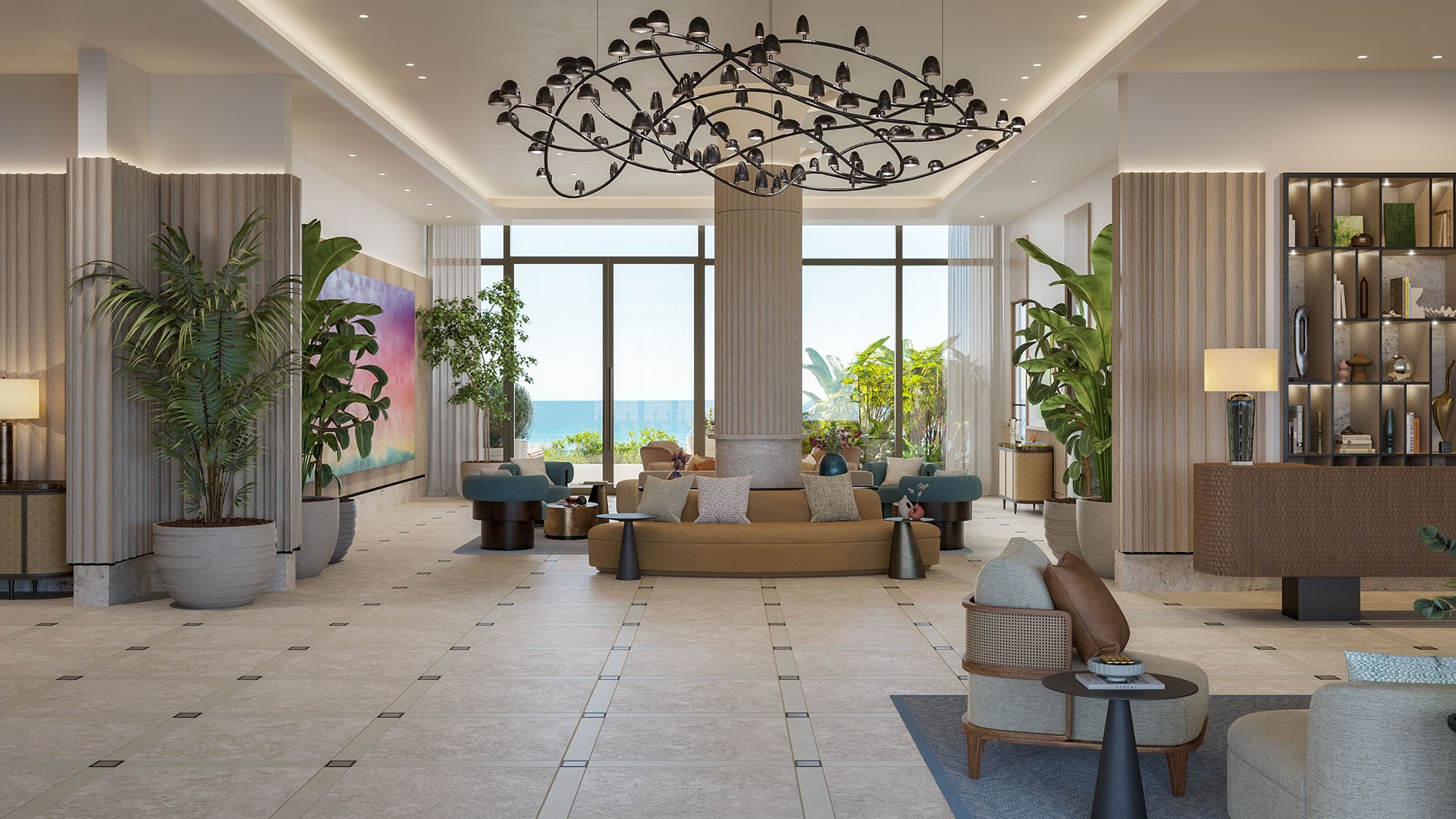
Rosewood Residences Hillsboro Beach speaks directly to the way many affluent South Florida buyers live: in residence for the most desirable winter and spring months, then away during the hotter, quieter stretch of summer. For that audience, the appeal is not only oceanfront living, but the expectation of a more managed, hospitality-informed residential experience.
That expectation is central to the appeal of Rosewood Residences Hillsboro Beach. Yet even in a branded setting, seasonal ownership should never depend on assumptions. The best-prepared snowbird leaves behind a written plan that distinguishes what the building or operator handles, what the association requires, what the owner must schedule separately, and who has authority to act if something needs attention.
This is especially important in Broward, where high-value coastal residences may sit vacant while summer humidity, storms, mechanical wear, and access-control questions continue in the background. The goal is not to make ownership complicated. It is to make departure uneventful, return seamless, and responsibilities unambiguous.
Branded residences can reduce the friction of day-to-day ownership, but they do not eliminate the need to understand the exact service model. Before leaving for summer, buyers should confirm which inspections, notifications, entry coordination, and maintenance-related services are included, and which require separate enrollment, advance scheduling, or additional payment.
The distinction matters. A residence may offer a strong hospitality framework, but the owner’s private obligations can still include climate settings, water-related precautions, vendor coordination, insurance compliance, and maintenance of personal systems or finishes. Seasonal buyers should ask for procedures in writing, with names, phone numbers, preferred communication channels, response windows, and authority levels.
This is part of a broader South Florida ownership pattern. Buyers comparing Hillsboro Beach with coastal properties such as Armani Casa Residences Pompano Beach or The Ritz-Carlton Residences® Pompano Beach are often seeking the same thing: a refined residence that can support seasonal use without feeling neglected in the owner’s absence.
The most useful summer departure checklist is practical, unit-specific, and shared with the people who may need to act while the owner is away. It should begin with climate-control settings. South Florida humidity is not a cosmetic concern. If settings are not managed correctly, it can affect flooring, cabinetry, upholstery, art, closets, mechanical systems, and stored valuables.
Water is another priority. Owners should confirm water-shutoff procedures, which valves may be turned off, what must remain active, and whether building staff can verify the condition after departure. If the residence has specialty appliances, smart-home controls, wine storage, art lighting, outdoor furnishings, or custom finishes, those items should be addressed individually rather than folded into a generic vacancy plan.
Access permissions should be equally precise. Who may enter the residence? Under what circumstances? Is advance written approval required, or can the building act in an emergency? Are vendors pre-approved, and must they be escorted? A lock-and-leave lifestyle only works when access is controlled but not paralyzed.
Leaving South Florida for summer also means leaving before or during hurricane season. Seasonal buyers should verify the residence’s protocols for storm readiness, owner notification, staff access, post-storm reporting, and any owner responsibilities tied to terraces, outdoor areas, movable furnishings, or unit-level systems.
The key question is not simply whether the building has a plan. It is how that plan touches the individual residence. Owners should confirm when notices are sent, who receives them, whether alternate contacts can be copied, how emergency access is handled, and what type of update may be provided after a storm event.
For second-home buyers, the strongest approach is to create a decision tree before departure. If a storm watch occurs, who approves access? If water intrusion is suspected, who is called first? If a mechanical issue appears after a power interruption, who can authorize inspection? These questions are easier to answer calmly in May than urgently in August.
Insurance requirements should be reviewed before departure, particularly any conditions tied to vacancy, inspections, temperature control, leak detection, or timely notice of damage. Owners should not assume that a luxury building’s service program automatically satisfies every policy condition. The owner’s insurance advisor should be part of the pre-summer conversation.
Maintenance obligations also deserve review. Filters, drains, appliances, smart-home systems, alarm settings, and vendor service schedules can become complicated if no one has documented them. The plan should identify recurring services, preferred vendors, access instructions, payment responsibilities, and escalation contacts.
Owners considering other seasonal-use markets, from Four Seasons Hotel & Private Residences Fort Lauderdale to 2000 Ocean Hallandale Beach, should use the same lens. The more valuable the residence, the less acceptable it is to rely on informal memory. Documentation is not bureaucracy. It is asset protection.
Before departing, owners should have a single written file that covers climate settings, water procedures, access authorization, emergency contacts, insurance requirements, maintenance obligations, vendor permissions, and hurricane-season protocols. It should also identify which services are included, which are optional, and which must be requested each season.
That file should live in more than one place. The owner should keep a copy, a trusted family office or advisor may need a copy, and the building team should have the relevant portions. If communication preferences differ during travel, time abroad, or extended summer stays elsewhere, those preferences should be included.
The highest expression of lock-and-leave ownership is not invisibility. It is confidence. At Rosewood Residences Hillsboro Beach, the seasonal buyer’s advantage is the possibility of pairing branded residential service with disciplined private planning. The owner leaves not because nothing can happen, but because everyone knows what happens next.
What should a snowbird buyer confirm before leaving Rosewood Residences Hillsboro Beach for summer? Confirm included services, unit responsibilities, access permissions, emergency contacts, climate settings, water procedures, insurance requirements, and maintenance obligations in writing.
Does a branded residence eliminate the need for a vacancy plan? No. Branded service can reduce friction, but owners still need documented procedures for their specific residence and personal property.
Why is climate control so important during a South Florida summer? Humidity can affect finishes, furnishings, closets, art, and mechanical systems, so settings should be confirmed before departure.
Should owners shut off water before leaving? Owners should confirm the appropriate water-shutoff procedure for their residence and determine what must remain active for building or unit systems.
Who should have access to the residence while the owner is away? Access should be limited to authorized building personnel, approved vendors, or trusted representatives, with clear instructions for routine and emergency entry.
How should hurricane-season readiness be handled? Owners should confirm storm protocols, notification procedures, staff access rules, post-storm reporting, and any unit-level responsibilities before leaving.
Are inspection services always included? Not necessarily. Seasonal owners should verify which inspections are included and which require separate enrollment, scheduling, or payment.
What personal items require extra planning? Art, wine storage, custom finishes, smart-home systems, outdoor furnishings, and specialty appliances should each be addressed in the departure plan.
Should insurance be reviewed before a seasonal departure? Yes. Owners should confirm policy conditions related to vacancy, inspections, temperature control, leaks, and timely damage reporting.
What is the best way to shortlist comparable options for touring? Start with location fit, delivery status, and daily lifestyle priorities, then compare stacks and elevations to validate views and privacy.
For a confidential assessment and a building-by-building shortlist, connect with MILLION.
If branded residences are on your mind — as a home or as an allocation — we would be glad to share what we are seeing, privately.
Begin a quiet conversation