A discreet buyer’s guide to evaluating art storage, lighting design, and climate-control expectations in Pompano Beach luxury residences, with attention to ongoing costs, privacy, and daily livability.
In Pompano Beach, a refined residence is often evaluated first by its outlook, flow, arrival sequence, and sense of ease. For art owners, design collectors, and buyers who live with important objects, the more revealing questions sit behind the walls, above the ceiling plane, and within the service rhythm of the home. Art storage, lighting, and climate control can quietly shape carrying costs, privacy, and lifestyle fit long after closing.
This is not simply a matter of whether a painting fits above a sofa. It is about whether the residence can support a private collection without turning daily life into a maintenance project. The best fit is rarely the most dramatic home on paper. It is the one where environment, discretion, and service expectations align with the owner’s habits.
That lens is especially useful when comparing Pompano Beach residences such as Armani Casa Residences Pompano Beach, The Ritz-Carlton Residences® Pompano Beach, and other coastal options where architecture, interiors, and personal use patterns must work together.
Carrying costs are often discussed in broad categories: association dues, insurance, utilities, staffing, maintenance, and reserves. For a collector, the true picture can be more nuanced. A residence that requires dedicated art storage, specialized lighting scenes, additional humidity management, or frequent service access may carry very differently from a similar floor plan used more casually.
A climate-sensitive collection can require consistent environmental management. Even without naming specific systems, buyers should ask how the residence performs when occupied, when vacant, and during the transition between the two. A second-home pattern, with the owner away for long stretches, may place more emphasis on monitoring, alerts, and trusted access protocols. A primary residence with frequent entertaining may place more emphasis on flexible lighting, durable finishes, and staff circulation.
The cost question is not only “what does it cost to run?” It is “what does it cost to run properly for the way I live?” A trophy residence that requires workarounds for art crates, private installers, or controlled storage may be less efficient than a quieter home with stronger practical fit.
Art storage sounds technical, but it is also deeply personal. Where works are stored, how they are moved, and who needs access can affect household privacy. A buyer with rotating works, framed photography, sculpture, or design objects should understand whether storage is possible inside the residence, in a private ancillary area, or through an outside solution.
Each approach carries implications. In-home storage offers proximity and control, but it can consume valuable square footage and may require careful environmental planning. Off-site storage can preserve living space, but it introduces scheduling, transport, and additional service relationships. Building-level access, loading paths, elevator protocols, and contractor rules should be reviewed before purchase, particularly for owners who value anonymity and predictable coordination.
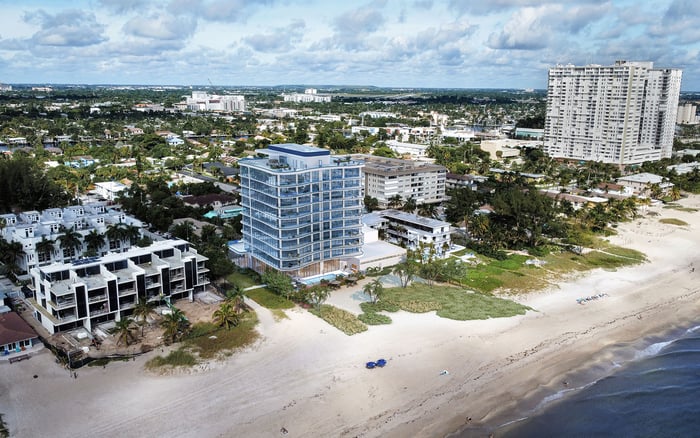
For oceanfront buyers in Pompano Beach, the privacy question becomes even sharper. A beautiful coastal home may invite a more visible lifestyle, while a serious collection often benefits from quiet logistics. The goal is not to make the residence feel like a gallery. It is to ensure that the gallery-level parts of ownership remain discreet.
Lighting is one of the most underestimated carrying-cost variables because it touches design, technology, electrical use, maintenance, and the emotional temperature of the home. The right scheme makes a residence feel composed at sunset, gracious during dinner, and calm in the morning. The wrong scheme can create glare, uneven emphasis, heat concerns, awkward controls, or a home that feels staged rather than lived in.
Collectors should distinguish between decorative lighting and collection-aware lighting. Decorative fixtures can be beautiful, but art placement may need layered illumination, dimming capability, controlled exposure, and clean ceiling coordination. Before buying, it is worth asking whether the ceiling heights, wall spans, outlet locations, and control infrastructure support the desired installation without excessive alteration.
This is where the buyer’s own routine matters. Someone who entertains often may prioritize flexible scenes and flattering ambient light. Someone who keeps a quieter residence may prefer lower intervention and fewer visible controls. In branded and design-led environments, including Waldorf Astoria Residences Pompano Beach, the buyer should still test how personal lighting needs would integrate with the home rather than assuming the design language solves every use case.
Climate control is often treated as a mechanical checklist. For luxury buyers, it is more accurately a lifestyle decision. How stable does the home need to feel? How quickly should it recover after doors open to a terrace? How will settings be managed when the owner is abroad, on a yacht, or spending the season elsewhere?
A residence that feels comfortable to guests may not automatically satisfy the needs of delicate materials. Conversely, an overly rigid approach can make the home feel less relaxed. The art is in the balance: a system and service plan that protects objects without dominating the experience of living.
Buyers comparing Pompano Beach residences should ask practical questions before falling in love with a finish palette. Can different zones serve different uses? Is there a natural place for works that should avoid direct exposure? Can a primary suite, office, or private salon maintain the intended atmosphere without compromising comfort elsewhere? These questions are especially important in residences intended for both display and retreat.
Lifestyle fit depends on how the owner actually lives. A collector who rotates works seasonally may need different logistics from a buyer who wants a few important pieces placed once and left alone. A family residence requires a different tolerance for traffic, touch, and lighting than a pied-à-terre used for quiet weekends. A frequent host may prefer a luminous entertaining path, while a private buyer may want art concentrated in rooms shielded from casual view.
Project selection should reflect those realities. Ocean 580 Pompano Beach may enter a buyer’s comparison for one lifestyle reason, while W Pompano Beach Hotel & Residences may enter for another. The point is not to force a single definition of luxury. It is to identify which residence supports the buyer’s preferred balance of privacy, service, display, and ease.
For some, the ideal home is a serene canvas where art carries the room. For others, the residence itself is the statement and the collection plays a supporting role. Both can work beautifully, but the operational needs may differ.
Before signing, buyers should think like owners rather than visitors. Walk the residence mentally with a registrar’s eye and a host’s instinct. Where would large pieces enter? Which walls deserve art, and which walls should remain visually quiet? What rooms need softer evening light? What happens when the residence is unoccupied? Who would be permitted access for installation, maintenance, or emergency response?
The strongest luxury purchase is one that does not reveal hidden friction after move-in. In Pompano Beach, where waterfront living and design ambitions can meet in highly personal ways, art readiness should be part of the same conversation as view, floor plan, and finish. A residence that protects privacy, moderates operating demands, and lets the owner live naturally will usually feel more luxurious than one that merely photographs well.
Why does art storage affect carrying costs? Storage can influence space planning, utility use, service coordination, insurance discussions, and outside vendor needs.
Should every collector require dedicated in-home storage? Not necessarily. The right solution depends on collection size, rotation habits, privacy preferences, and available space.
How does lighting affect art ownership? Lighting influences visibility, atmosphere, exposure, heat perception, control complexity, and how rooms function at night.
Is climate control only important for major collections? No. Even a smaller group of meaningful works can benefit from stable, thoughtful environmental management.
What should second-home buyers consider first? They should consider monitoring, trusted access, vacancy routines, and how the residence performs when unattended.
Can privacy be affected by installation logistics? Yes. Deliveries, installers, elevators, service entries, and vendor access can all shape the owner’s discretion.
Are oceanfront residences unsuitable for collectors? Not inherently. They simply require careful review of exposure, storage, climate strategy, and daily use patterns.
Should lighting be evaluated before closing? Yes. Buyers should understand ceiling conditions, control options, wall placement, and likely upgrade needs early.
How can a buyer compare similar Pompano Beach residences? Compare how each home supports your collection, privacy needs, entertaining style, and maintenance expectations.
What is the best sign of lifestyle fit? The best sign is a residence that protects the collection while still feeling effortless, private, and comfortable.
To compare the best-fit options with clarity, connect with MILLION.
If branded residences are on your mind — as a home or as an allocation — we would be glad to share what we are seeing, privately.
Begin a quiet conversation