A refined buyer’s guide to evaluating pet relief areas in South Florida luxury residences, with attention to placement, privacy, materials, operations, and long-term livability.
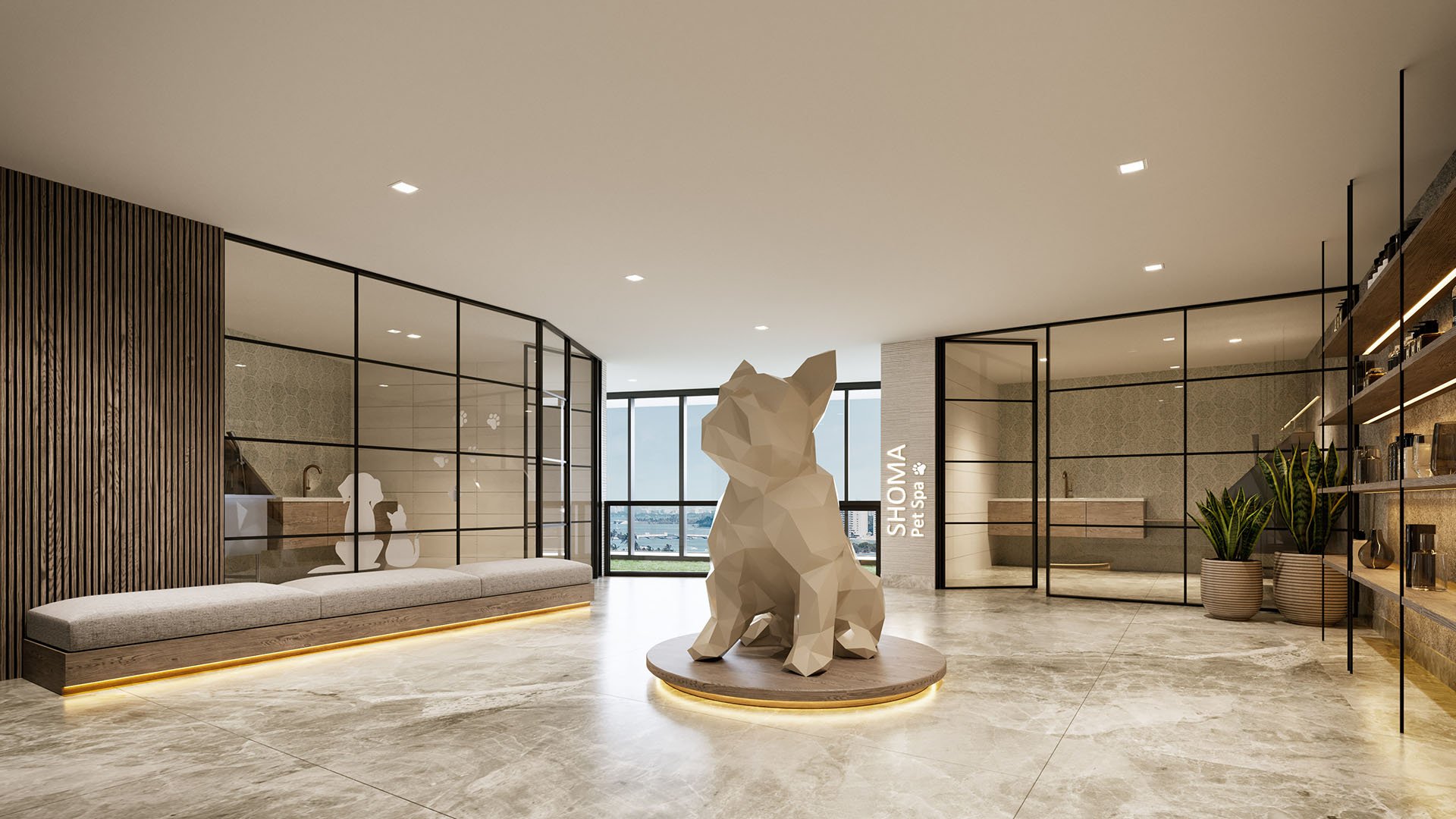
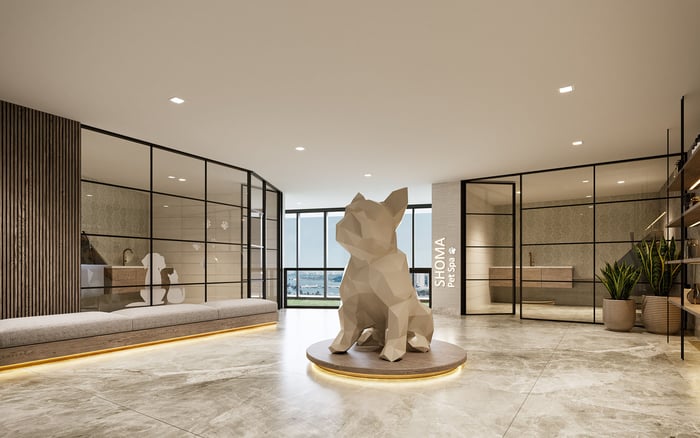
In South Florida luxury real estate, pet relief areas are often treated as a footnote during a tour. A visitor notices the sign, appreciates the convenience, and moves on to the pool deck, spa, or view. A serious buyer reads the space differently. For anyone living with dogs, especially in a vertical residence, this amenity is not decorative. It is daily infrastructure.
The quality of a pet relief area can reveal how carefully a building has considered circulation, service, privacy, hygiene, and the small rituals of ownership. It can also expose the gap between marketing language and lived experience. A refined residence should not force an owner to choose between convenience and discretion, or between a beautiful lobby and a practical morning routine.
For buyers comparing Brickell, Miami Beach, Sunny Isles, and quieter waterfront enclaves, the question is not simply whether a building allows pets. The sharper question is whether the building has designed for them with the same discipline it applies to wellness, parking, arrivals, and the guest experience.
A pet relief area can be beautifully planted and still be inconvenient. The first issue is placement. Luxury buyers should ask how the space connects to the resident elevator path, garage access, service corridors, and lobby circulation. If reaching it requires a public walk through formal arrival areas, the building may be asking residents to carry out private routines in public space.
The best layouts feel intuitive. They allow a resident to move from home to relief area quickly, without crossing the main social theater of the building. This matters most in the early morning, during storms, after grooming appointments, and when owners are in transit. A space that looks charming at 2 p.m. during a tour may feel awkward at 11 p.m. if it sits beside a highly visible amenity deck or too close to outdoor dining.
Look for separation without exile. A pet area should not feel hidden as an afterthought, but it should not sit in the middle of resident life either. The ideal balance is accessible, calm, and legible, with a route that respects both pet owners and non-pet residents.
Luxury buyers are trained to notice stone, millwork, and fixture quality inside a residence. Apply the same eye outdoors. In a pet relief zone, materials must do more than photograph well. They must drain, clean, and age gracefully in heat, humidity, salt air, and heavy daily use.
Examine the surface underfoot. Does it appear designed for rinse-down maintenance, or does it rely on a soft visual effect that may be difficult to keep fresh? Is there proper grading, or do low points suggest standing water after rain? Does the area include a practical hose bib or wash-down point? Are edges, planters, and transitions durable enough for repeated use?
Artificial turf, stone, gravel, planting beds, and hardscape can each work in the right context. The difference is execution. A luxury buyer should be less interested in the label than in the performance. The space should feel intentional, not like leftover square footage dressed with greenery.
Pet relief areas are often discussed as convenience amenities, but in the upper tier of the market, privacy may be just as important. Owners of valuable residences often expect discretion in every part of daily life. A well-planned pet amenity should not place residents on display to valet staff, arriving guests, pool users, or neighboring units.
Sightlines matter. During a tour, stand where other residents would stand. Look from the elevator landing, the lobby glass, the garage entry, the amenity terrace, and surrounding balconies if visible. A relief area that feels private from one angle may be exposed from another.
For buyers considering a terrace residence or a home in a tower with extensive outdoor programming, this becomes even more important. Outdoor amenities often overlap in subtle ways. A dog route that passes through lounge seating, cabana zones, or children’s areas can become a friction point over time. The most sophisticated buildings reduce that friction before it begins.
South Florida’s climate rewards good design and punishes shortcuts. A pet relief area should be evaluated for airflow, sun exposure, shade, and proximity to air intakes, doors, and amenity seating. Odor control is not only a cleaning issue. It is a planning issue.
Ask whether the space has room to breathe. A narrow enclosed corner may feel discreet but perform poorly if it traps heat and scent. An exposed area may ventilate well but become uncomfortable during intense sun or rain. The best solutions account for both ventilation and shelter.
Drainage is equally important. Heavy rain can turn an attractive pet zone into an unpleasant maintenance problem if water has nowhere to go. Look for subtle slopes, drains, and materials that suggest regular wash-down use. In a true luxury setting, cleanliness should not depend on perfect weather or heroic staff effort.
A polished sign that says dog park or pet relief area tells you almost nothing. The operational question is how the building maintains the space each day. Buyers should ask how often the area is cleaned, who is responsible, what hours it is monitored, and how resident rules are enforced.
This is not about suspicion. It is about protecting quality of life. A pet amenity used by many households requires standards. If policies are vague, the most considerate owners may end up subsidizing the least considerate behavior. In a high-service building, pet operations should be as clear as valet procedures, package handling, or fitness center etiquette.
Pay attention to small clues. Are waste stations stocked? Are surfaces fresh? Is the route free of odor? Is lighting sufficient without feeling harsh? Is there a place to pause without blocking circulation? These details tell you whether the amenity is actively managed or merely marketed.
A compact relief area can work beautifully in a boutique building if resident demand is modest and service is excellent. A larger tower may require more capacity, better separation, or multiple access points. The key is proportionality.
During a visit, consider the likely rhythm of the building. Morning and evening use may cluster around predictable times. Rainy days can increase demand. Seasonal residents may create peaks. A pet space that works for one dog at a time may feel strained if several residents arrive simultaneously.
Buyers should also think about the size and temperament of their own pets. A small older dog has different needs than an energetic large breed. A relief area is not always a substitute for a walk, and it should not be confused with a true exercise lawn. Its purpose is convenience, not recreation, unless the building has clearly designed for both.
Pet infrastructure can influence future buyer perception. For many affluent households, a pet is part of the family system, and a well-designed relief area removes a daily inconvenience from vertical living. Even buyers without pets may appreciate a building that handles the issue discreetly, because it protects common areas and reduces resident friction.
The resale value is not in the amenity alone. It is in the confidence it creates. A buyer senses when a building has anticipated real life. When pet circulation, cleaning, privacy, and climate response are handled well, the residence feels easier to own. That feeling matters in South Florida, where many buyers compare multiple high-end buildings with similar views and finishes.
Before making a final decision, ask direct but elegant questions. Where is the pet relief area located relative to the elevators and garage? How is it cleaned, and how often? What materials were selected for drainage and durability? Are there size, breed, or number restrictions? Does the building distinguish between a relief area and a dog park? How are conflicts handled if residents do not follow rules?
Then visit the space more than once if possible. A quiet weekday afternoon may not reveal peak use. Early evening, wet weather, or weekend activity can tell a fuller story. Luxury buying is not only about what is shown. It is about how a residence behaves when daily life begins.
A pet relief area will never be the centerpiece of a trophy property. That is precisely why it is so revealing. It shows whether the developer, design team, and building operator respected the unglamorous parts of ownership. In the best residences, even the practical spaces are composed with grace.
Why should a luxury buyer care about a pet relief area? Because it affects daily convenience, privacy, hygiene, and how comfortably a building supports real life with pets.
Is a pet relief area the same as a dog park? Not always. A relief area is typically for quick use, while a dog park may imply more room for movement and socializing.
What is the first thing to inspect during a tour? Start with location and access. The route should be convenient without forcing residents through formal or crowded spaces.
How can I judge whether the space will stay clean? Look for drainage, rinse-down access, stocked waste stations, durable surfaces, and evidence of active maintenance.
Does privacy matter for a pet amenity? Yes. In luxury buildings, even practical routines should be shielded from unnecessary visibility and social friction.
Should the area be shaded? Shade can improve comfort, but airflow, drainage, and cleanliness are equally important in South Florida’s climate.
Can a small pet relief area still be acceptable? Yes, if it is proportionate to the building, well maintained, and not overburdened during peak use.
What policies should I ask about? Ask about cleaning frequency, pet limits, leash rules, enforcement, hours of access, and responsibility for damage.
Does a strong pet amenity help resale? It can support broader appeal by making vertical living easier for pet-owning households and cleaner for everyone.
What is the biggest warning sign? A space that feels like leftover square footage, with poor drainage, awkward access, visible exposure, or unclear maintenance.
For a confidential assessment and a building-by-building shortlist, connect with MILLION.
If branded residences are on your mind — as a home or as an allocation — we would be glad to share what we are seeing, privately.
Begin a quiet conversation