A discreet buyer’s guide to assessing a seasonal North Miami pied-à-terre with discipline, from the view and balcony to privacy, access, storage, building rules, and long-term fit.
A seasonal pied-à-terre in North Miami is rarely purchased for necessity alone. It is bought for rhythm: a winter base, a weekend landing, a discreet place between flights, dinners, family visits, boating plans, and the quiet pleasure of waking near the water. The view may start the conversation, but it should never finish the underwriting.
The first discipline is to define the life the residence must support. Is it a true second home, used for long seasonal stays, or a refined lock-and-leave apartment for shorter returns? Will guests stay often, or should the plan favor a serene primary suite and a gracious living area over additional bedrooms? Will mornings begin on the terrace, or will the residence function more like a hotel suite with a kitchen, laundry, and private storage?
North Miami appeals because it can feel connected without being overexposed. It sits within reach of Aventura, Bay Harbor Islands, North Bay Village, Bal Harbour, and Miami Beach, yet it can offer a calmer residential posture. That in-between character is valuable only when the apartment’s daily experience aligns with your habits.
A waterview is not a single moment. It changes with angle, height, season, glare, neighboring buildings, balcony depth, and the way furniture sits in the room. Evaluate the view from the sofa, the dining table, the primary bed, the kitchen, and the entry sequence, not only from the glass line.
Ask whether the view feels expansive while seated. Some residences photograph beautifully from one corner but feel compromised once lived in. Others are quieter on arrival yet become more elegant because the horizon, water, and sky are visible from the rooms that matter. In a seasonal residence, the best view is the one you use without performing for it.
It is also worth visiting at different times of day when possible. Morning light can be gentle, late-day glare can be demanding, and evening reflections can change the mood entirely. If the apartment depends on closed shades for comfort, the view has less practical value than the brochure suggests.
For buyers studying the North Miami waterfront conversation, One Park Tower by Turnberry North Miami is a natural reference point for understanding how a contemporary seasonal residence can be evaluated through location, outlook, and lifestyle fit rather than spectacle alone.
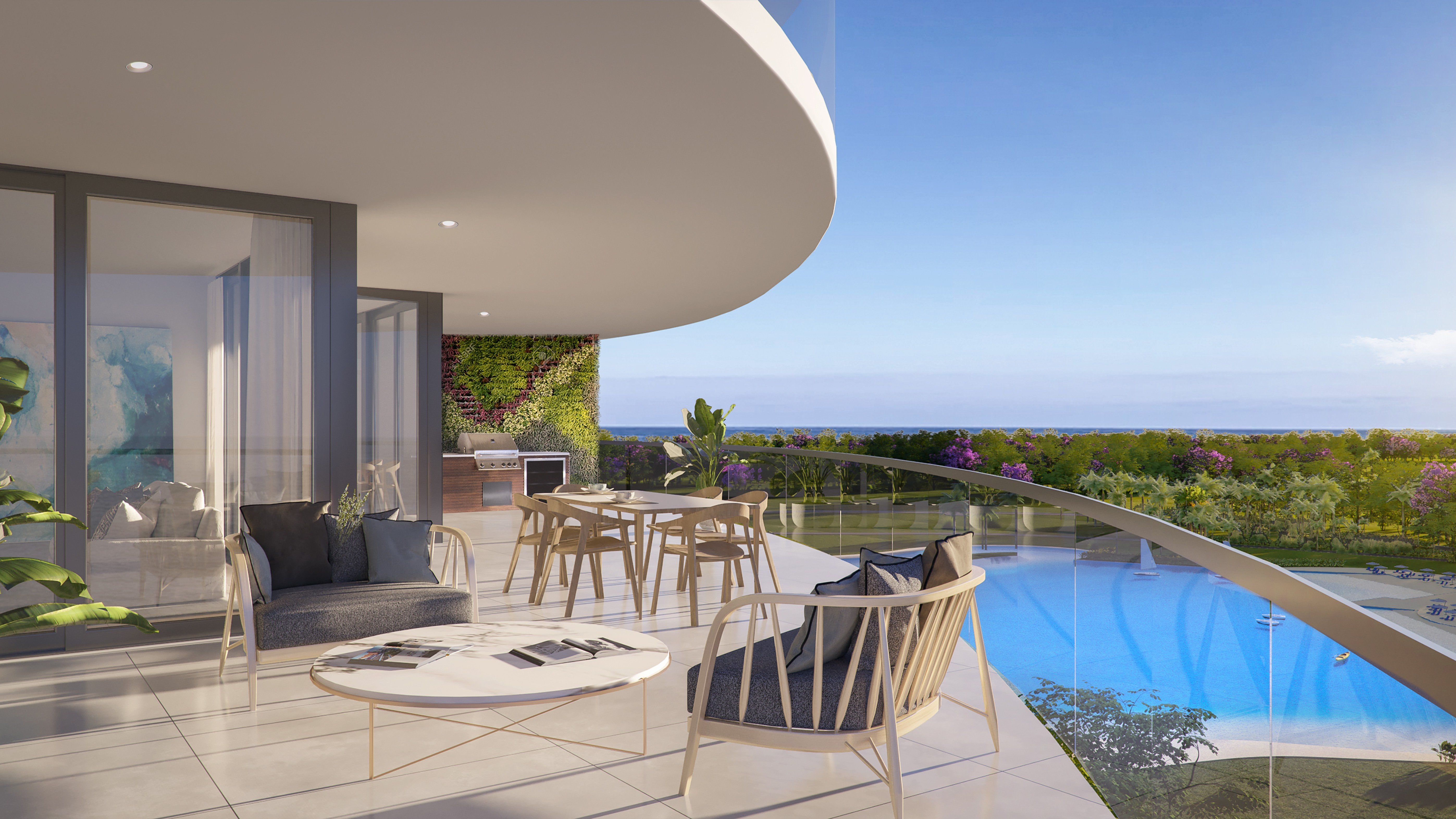
The balcony is often the emotional center of a pied-à-terre, but not every balcony lives equally well. Depth matters more than length if the goal is breakfast, reading, or two chairs facing the water. A narrow ledge may deliver a photograph; a usable terrace creates a daily ritual.
Stand outside and imagine the furniture rather than admiring the air. Where does the dining table go? Can two people pass behind a chair? Is there room for a lounge without blocking the door? How exposed does it feel to neighboring balconies or passing activity? Seasonal ownership rewards outdoor spaces that feel private without requiring constant management.
Also consider maintenance. Salt air, sun exposure, and outdoor furnishings require realistic planning. The best seasonal residences make the outdoor experience easy to enjoy and easy to leave behind when the owner returns north or abroad.
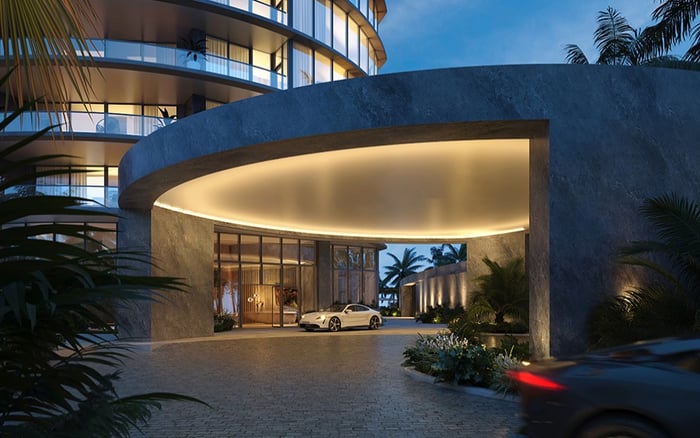
A pied-à-terre is only as effortless as the building around it. Lobby discretion, valet flow, package handling, guest arrival, parking convenience, elevator cadence, service access, and staff familiarity can decide whether seasonal ownership feels polished or merely inconvenient.
Rules deserve particular attention. Rental restrictions, guest policies, pet rules, move-in procedures, renovation guidelines, storage allocations, and parking rights can reshape the ownership experience. For buyers who expect flexibility, assumptions are dangerous. For buyers who prize privacy, strict governance can be an asset.
Comparing nearby waterfront and bayfront options can sharpen judgment. A buyer looking beyond the immediate North Miami address may study Continuum Club & Residences North Bay Village and La Baia North Bay Harbor Islands to refine the questions that matter: how the building greets owners, how it manages arrivals, and how naturally it supports part-time occupancy.
The smaller the residence, the more consequential the storage. A seasonal apartment must absorb luggage, golf clubs, beach equipment, wine, linens, owner clothing, chargers, documents, and the small conveniences that make arrival feel personal. If every closet is already spoken for, the residence will live smaller than its square footage.
Kitchen storage is equally revealing. A pied-à-terre does not need to perform like a family estate, but it should support the way you entertain. If the plan imagines dinner out most evenings, the kitchen can be more jewel box than workhorse. If the owner expects long stays and visiting family, pantry space and circulation become more important.
Private storage, if available, can materially improve the experience. Without it, the apartment itself must carry the burden, and that burden often appears after the first season.
Waterfront value is not only visual. It is sensory. Listen for mechanical noise, traffic, neighboring terraces, elevator proximity, garage activity, pool decks, and restaurant or marina energy where relevant. A residence can feel serene during a showing and more animated at the exact hours an owner hopes to unwind.
Privacy also shifts from day to night. Glass that feels cinematic in daylight may feel exposed after dark. The right answer is not always the highest floor or the widest glass. It is the residence that lets the owner live naturally, without over-curating the shades.
Buyers comparing wellness-oriented and bay-adjacent settings may find The Well Bay Harbor Islands useful as part of a broader lens on how privacy, daily rituals, and building personality interact across the northern Miami coastal corridor.
Even the most personal pied-à-terre should be judged with future liquidity in mind. Favor qualities that another discerning buyer can understand quickly: clean proportions, usable outdoor space, strong natural light, privacy, sensible parking, intuitive storage, and a view that reads well in person.
Do not overpay for a view that depends on a single standing position. Do not ignore an awkward bedroom, compromised kitchen, or noisy exposure because the water looks beautiful at 4 p.m. The best purchase is not the most theatrical one. It is the residence that can seduce emotionally while still passing a sober owner’s checklist.
The principle is simple: waterfront ownership should feel effortless when occupied and intelligent when vacant. If a North Miami pied-à-terre satisfies both conditions, the view becomes an advantage rather than a distraction.
What is the first thing to evaluate in a North Miami pied-à-terre? Start with how you will actually use it: length of stays, guests, parking, storage, privacy, and daily routines.
Should I prioritize a waterview over interior layout? No. A beautiful waterview matters, but a weak layout can make the residence less comfortable over time.
How important is the balcony? Very important if you expect to live outdoors. Measure depth, privacy, shade, and furniture placement before valuing it.
Is a higher floor always better for a seasonal residence? Not always. Height can improve outlook, but access, wind, glare, elevator convenience, and privacy also matter.
What building rules should I review before buying? Review rental limits, guest policies, pet rules, renovation procedures, parking, storage, and move-in requirements.
Why does storage matter so much in a second home? Seasonal owners need places for luggage, clothing, linens, beach gear, and personal items between visits.
How can I judge privacy during a showing? Stand in each main room and on the balcony, then consider sightlines from neighboring buildings and shared areas.
Should I compare North Miami with nearby areas? Yes. Comparing Aventura, Bay Harbor Islands, and North Bay Village can clarify lifestyle, access, and building character.
What makes a pied-à-terre easier to resell? Clear views, usable outdoor space, good light, simple circulation, privacy, parking, and practical storage tend to help.
Can a smaller residence still feel luxurious? Yes. Scale matters less than proportion, quiet, materials, light, service, and the ease of arriving and leaving.
To compare the best-fit options with clarity, connect with MILLION.
If branded residences are on your mind — as a home or as an allocation — we would be glad to share what we are seeing, privately.
Begin a quiet conversation